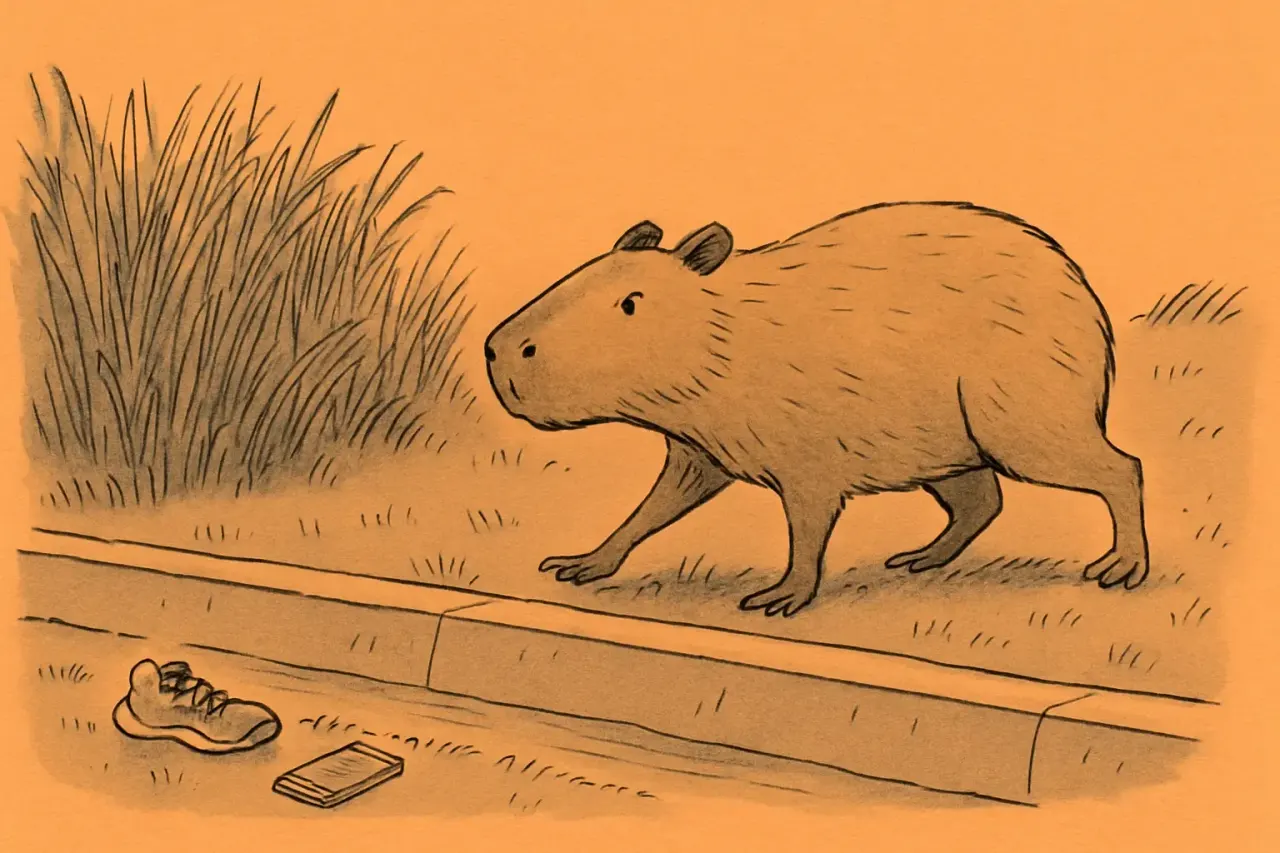

Capybaras in video games are no longer a one-off joke. They show up in cozy life sims, idle clickers, co-op climbing games, and wildlife games because players keep rewarding one very specific feeling: please give me the calm animal and let me stand near it.
The short answer is simple. If a game needs a collectible companion, a safe-looking quest animal, a meme mascot, or a low-stress dopamine button, the capybara is suddenly qualified.
Capybaras In Video Games: The Quick Map
Here is the useful version before we all lose three hours to wiki tabs.
| Game | Capybara role | What players search |
|---|---|---|
| Disney Dreamlight Valley | Critter / companion-style content | Locations, variants, feeding |
| PEAK | Helpful animal in specific biomes | Daily location, hot spring, oasis |
| Capybara Clicker | The entire point | Upgrades, skins, sequels |
| Call of the Wild | Wildlife / mission subject | Resting, eating, map zones |
| Broad cozy games | Mascot energy | Cute capybara games |
The best capybara game moments are usually not complicated. They are moments where the game lets the player pause, collect, feed, watch, or be quietly accompanied by an animal that looks like it has never answered a work email.
Why Cozy Games Keep Adopting Capybaras
Disney Dreamlight Valley is the obvious cozy-search anchor. Players look for capybara variants, feeding behavior, and companion availability because the capybara fits the game loop: find cute creature, learn routine, maybe earn emotional support with better posture.
That is why capybaras work so well in cozy games. They are recognizable without being aggressive, funny without needing dialogue, and calm enough to feel like a reward. A fox companion is charming. A capybara companion feels like the game quietly handed you a weighted blanket with feet.

PEAK uses a different kind of capybara appeal. The PEAK wiki describes capybaras as animals found in specific harsh biomes, where they can help players deal with environmental pressure. That is fun because it turns the internet’s chill animal into practical survival relief. The capybara is still calm, but now the calm has mechanics.
Capybara Clicker Understands The Assignment Too Well
Capybara Clicker takes the simplest possible route: click, multiply capybaras, buy upgrades, change weather, collect skins, and keep going because the number got bigger. CrazyGames describes the loop as building capybara output through clicking and upgrades. Capybara Clicker 2 adds the expected sequel energy: more improvements, skins, and weather changes.
This is not deep, and that is the point. Idle games are about tiny repeated rewards, and capybaras are already tiny repeated rewards in cultural form. A capybara clicker game says the quiet part out loud: what if the whole economy was just more capybara?
| Player mood | Best capybara game lane |
|---|---|
| Cozy collecting | Dreamlight Valley |
| Daily-location chasing | PEAK |
| Number-go-up relaxation | Capybara Clicker |
| Wildlife systems | Call of the Wild |
| Pure vibe | Any game with a capybara and no obligations |
The danger is pretending every capybara appearance is equally meaningful. Some are full mechanics. Some are cosmetic. Some are a five-second joy delivery system. All can be valid, but the article should not rank a companion pet and a clicker skin as the same kind of thing.
Capy Castaway Is The One Built On A True Story
Most capybara games use the animal as a mood. Capy Castaway uses two specific ones.
It is a cozy two-player adventure built around Bonnie and Clyde, the pair of capybaras who escaped High Park Zoo in Toronto in May 2016 and spent weeks loose in the city while the whole country followed along. The game is made by Canadian creative director Saffron Aurora with Toronto’s Kitten Cup Studio, in a painted art style, and it leans into the local specifics — TTC subway cars included — alongside themes of found family and displacement.
That is a meaningfully different design brief from the rest of this list. Capybaras usually appear in games as a shorthand for calm: put one in a pond, the player relaxes. Capy Castaway starts from an actual escape, which means the animals are moving through a city that was not built for them and is not entirely pleased about it. Two-player co-op suits that premise, since the real story was about a pair staying together.
It is planned for Steam and Steam Deck. Release timing was set to be announced at the Wholesome Direct showcase, and no price has been confirmed.
Why Capybara Location Guides Age Like Milk
Capybara game searches often age fast. PEAK daily-location advice can change because maps and spawns rotate. Community guides for Call of the Wild need-zone timing can change with updates, maps, or player testing. Even cozy-game companions can be tied to events, stores, variants, or DLC.
So the practical rule is: use official pages and current community notes for mechanics, then treat old blog posts as context. A guide from last year may still explain the concept beautifully while sending you to the wrong side of a mountain today.
The same caution applies to video titles. “Every capybara location” is a brave phrase. Sometimes it means “every location as of the patch I played before dinner.” That is not useless, but it is perishable.

Which Capybara Game Should You Actually Start With?
Start with your patience level, not the capybara. If you want a cozy background friend, Dreamlight Valley is the obvious lane because the whole game is built around routines, collecting, and mildly enchanted chores. If you want a quick joke that becomes a hand cramp, Capybara Clicker is the low-commitment answer. If you want a capybara to matter mechanically, PEAK is more interesting because the animal is part of surviving the biome, not just standing there looking emotionally employed.
Wildlife games are trickier. TheHunter: Call of the Wild is not a cozy capybara friendship simulator, and players should not pretend otherwise. A capybara in a wildlife system has a different role from a capybara companion in a life sim. That distinction matters if you are recommending games to a kid, a sensitive animal fan, or someone who came from the hot-spring meme and is not trying to process a hunting mechanic before lunch.
| If you want… | Start here | Grumpy note |
|---|---|---|
| A companion | Disney Dreamlight Valley | Check current critter schedules |
| A silly five-minute tab | Capybara Clicker | Five minutes may become forty |
| Survival usefulness | PEAK | Use fresh route notes |
| Wildlife systems | Call of the Wild | Know the genre first |
| Pure fan service | Any cozy capybara cameo | The bar is low, but charming |
My honest read: the best capybara game moment is usually the one that lets the animal stay calm. The second a game makes the capybara explain itself, sell something, or carry too much mascot labor, the magic gets a little sweaty. Let the large rodent stand near water and improve morale. That is already a full-time job.
The Practical Takeaway
Capybaras in video games work because they deliver a rare emotional combination: cute, calm, collectible, and meme-literate. They can be companions, biome helpers, wildlife targets, idle-clicker mascots, or just a small reward for players who have been through enough.
If you are chasing a specific capybara in a game, check the most current source before planning your route. If you are just here for the vibe, congratulations. The capybara has already won the tutorial.