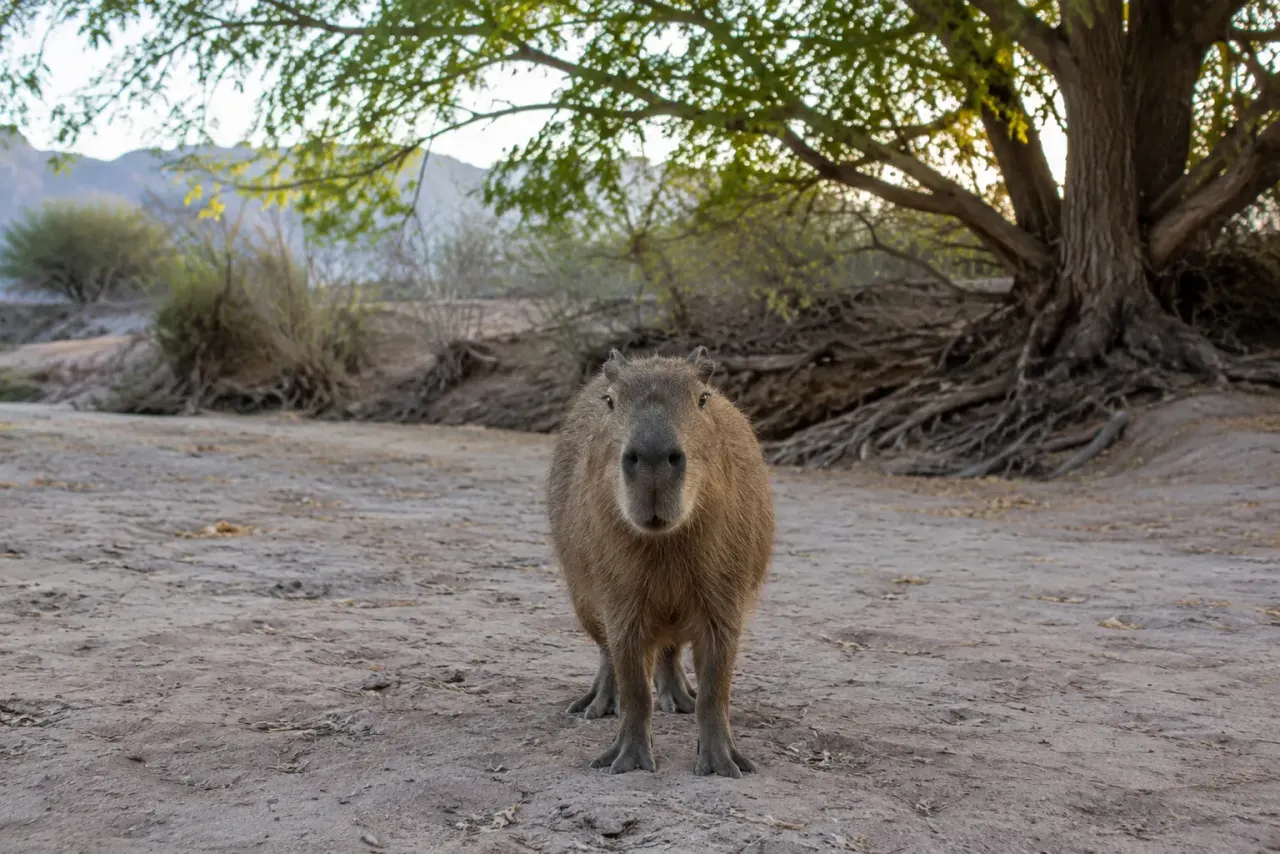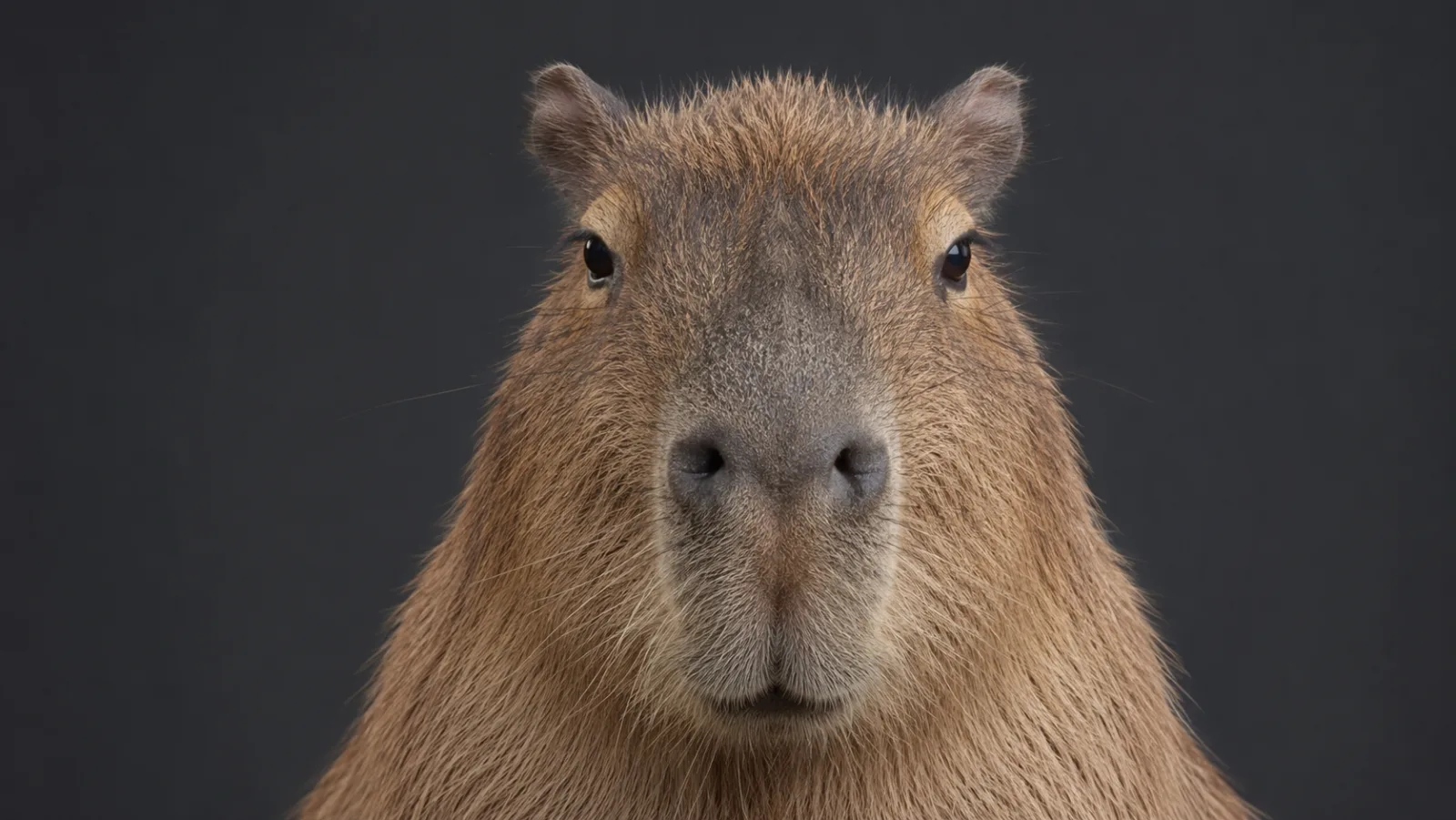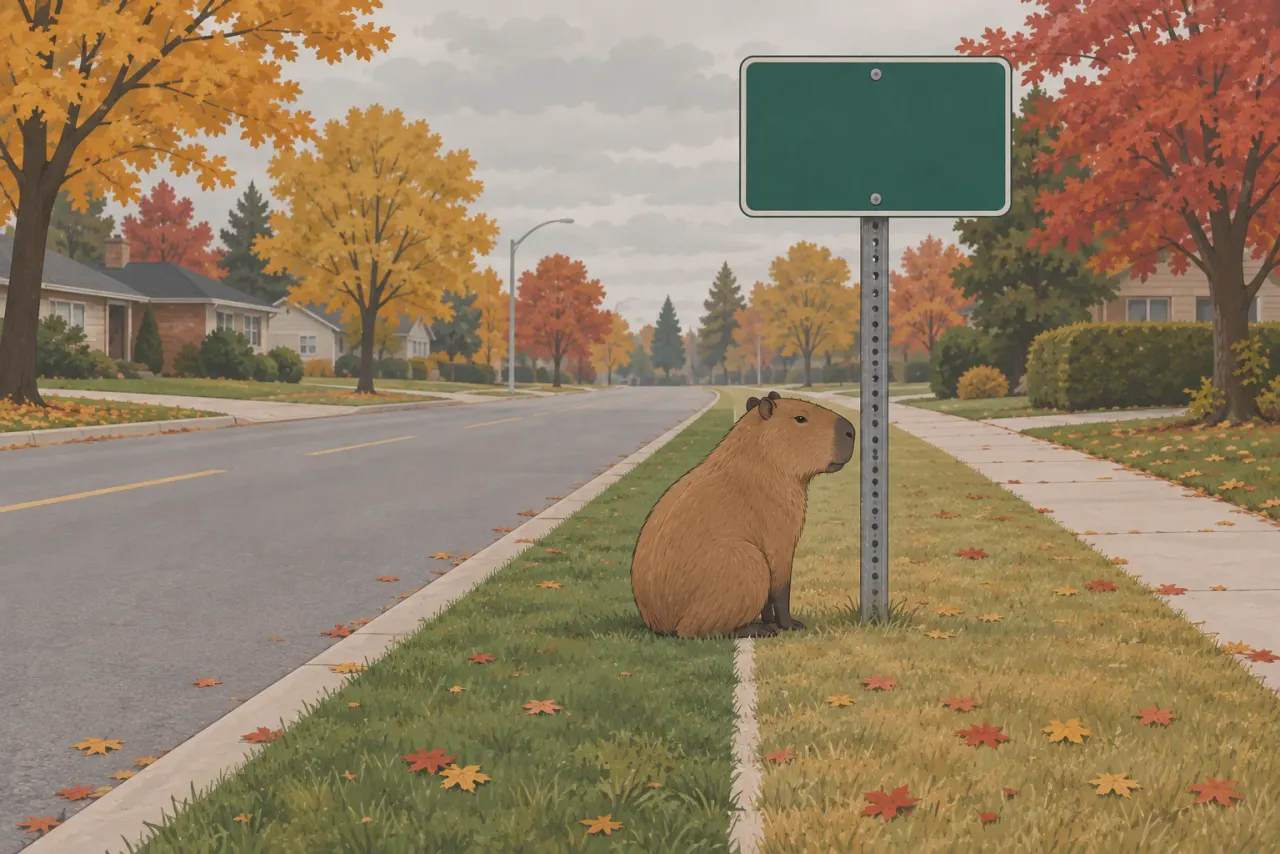
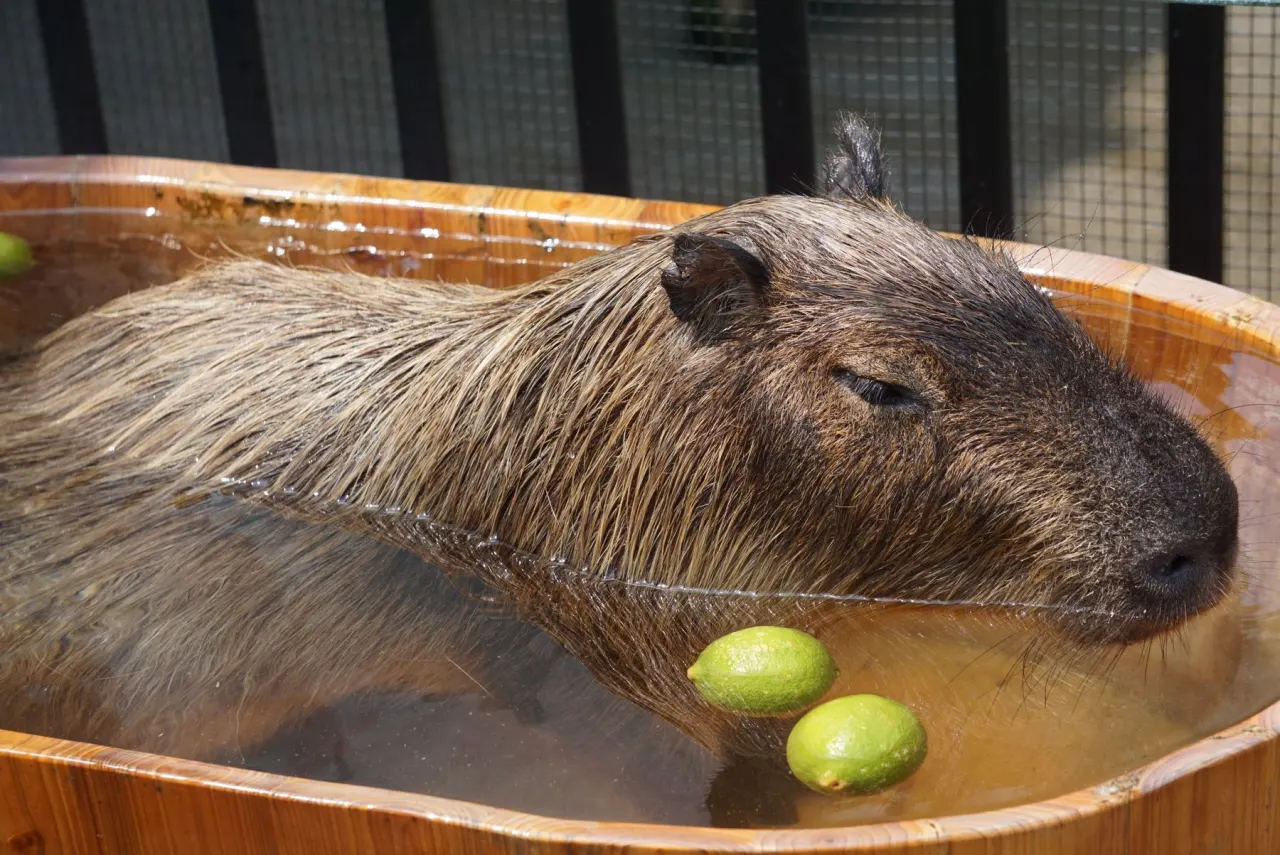
There is a capybara somewhere in South America, sitting in water up to its chin, doing nothing, and it has never once felt the need to declare a holiday about it.
We are not built like that. So the calendar gave us two.
National Lazy Day is August 10 and National Relaxation Day is August 15 — two separate rest holidays scheduled five days apart, which is the most American way imaginable to rest. One asks you to do nothing. The other, started by a nine-year-old in 1985 according to National Today, asks you to do stress-relief techniques about doing nothing. The capybara, expert in this field, requires neither.
Two rest holidays, five days apart
The funny part is that we needed a permission slip at all, in duplicate. National Day Calendar frames Lazy Day as official license to kick back. Relaxation Day comes with suggested activities, which rather defeats the point.
A capybara does not observe either, because for a capybara, rest is not an event. It is the operating system. Watch one for an afternoon and the holiday starts to look like what it is: humans cosplaying a thing the rodent already mastered.

What doing nothing actually looks like for a capybara
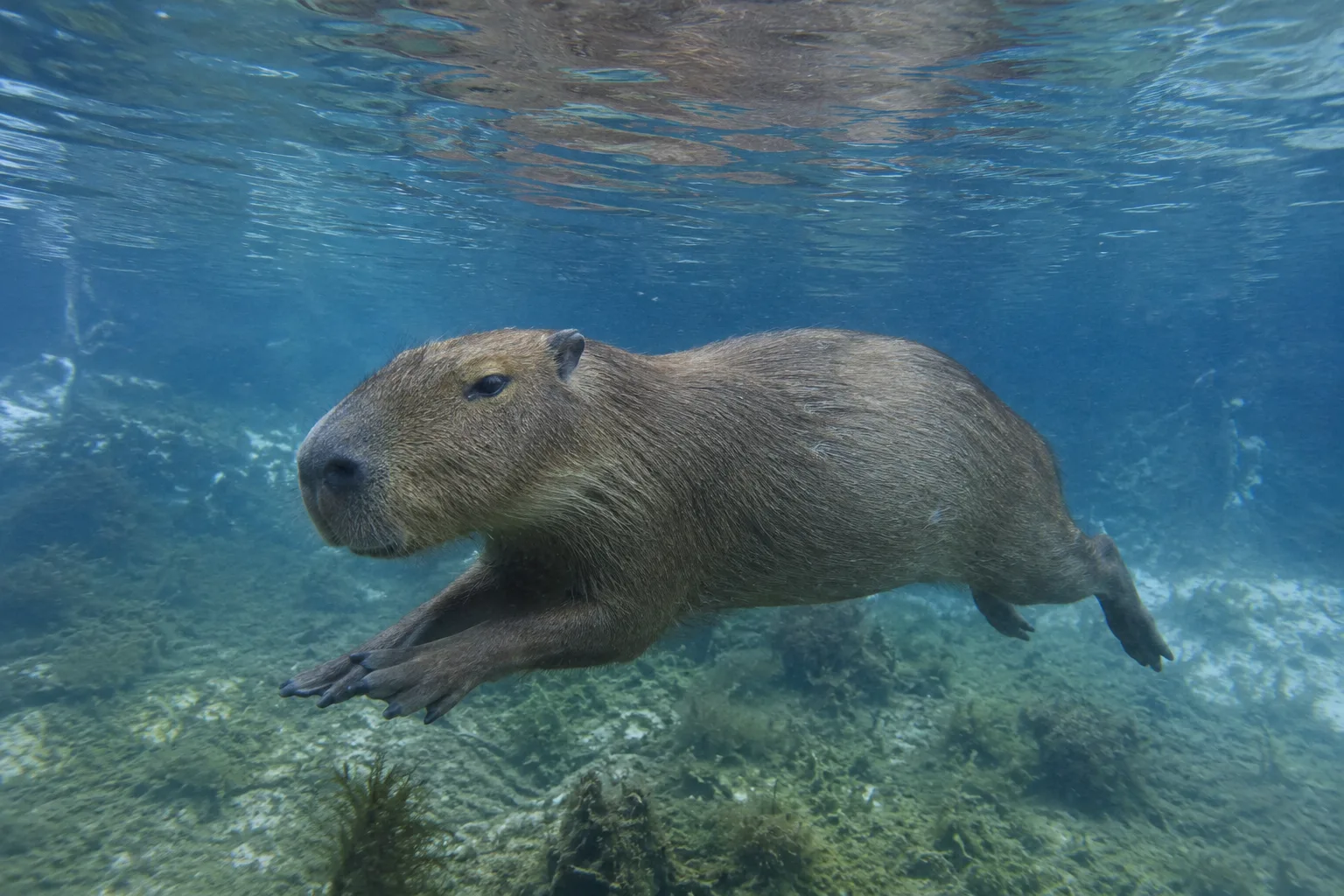
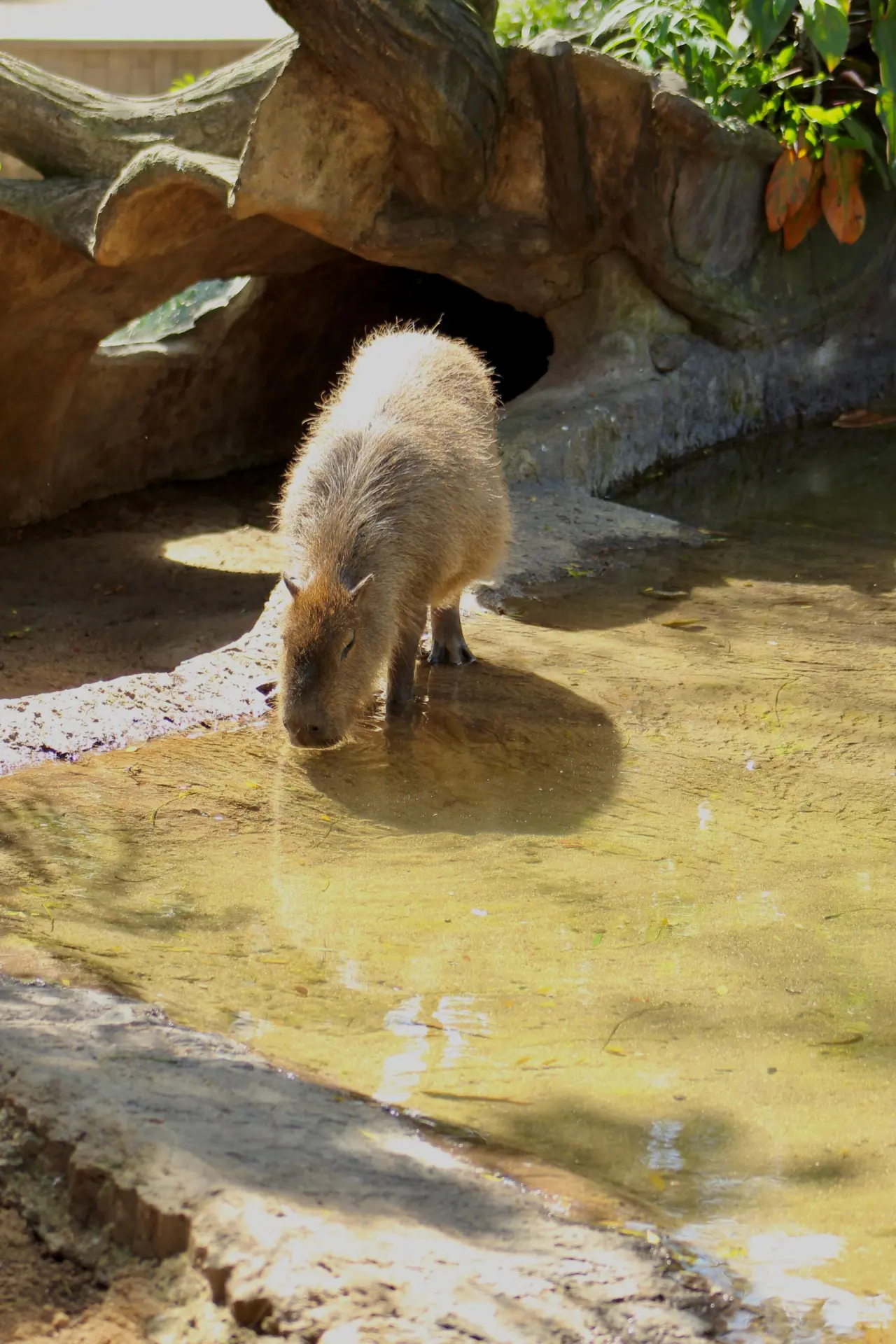
It is more organized than it looks. Capybaras are crepuscular, meaning they do most of their grazing at dawn and dusk. San Diego Zoo Wildlife Alliance describes them spending the hot middle of the day resting, wallowing in mud, or parked in water to stay cool, then coming back out to feed as it cools off.
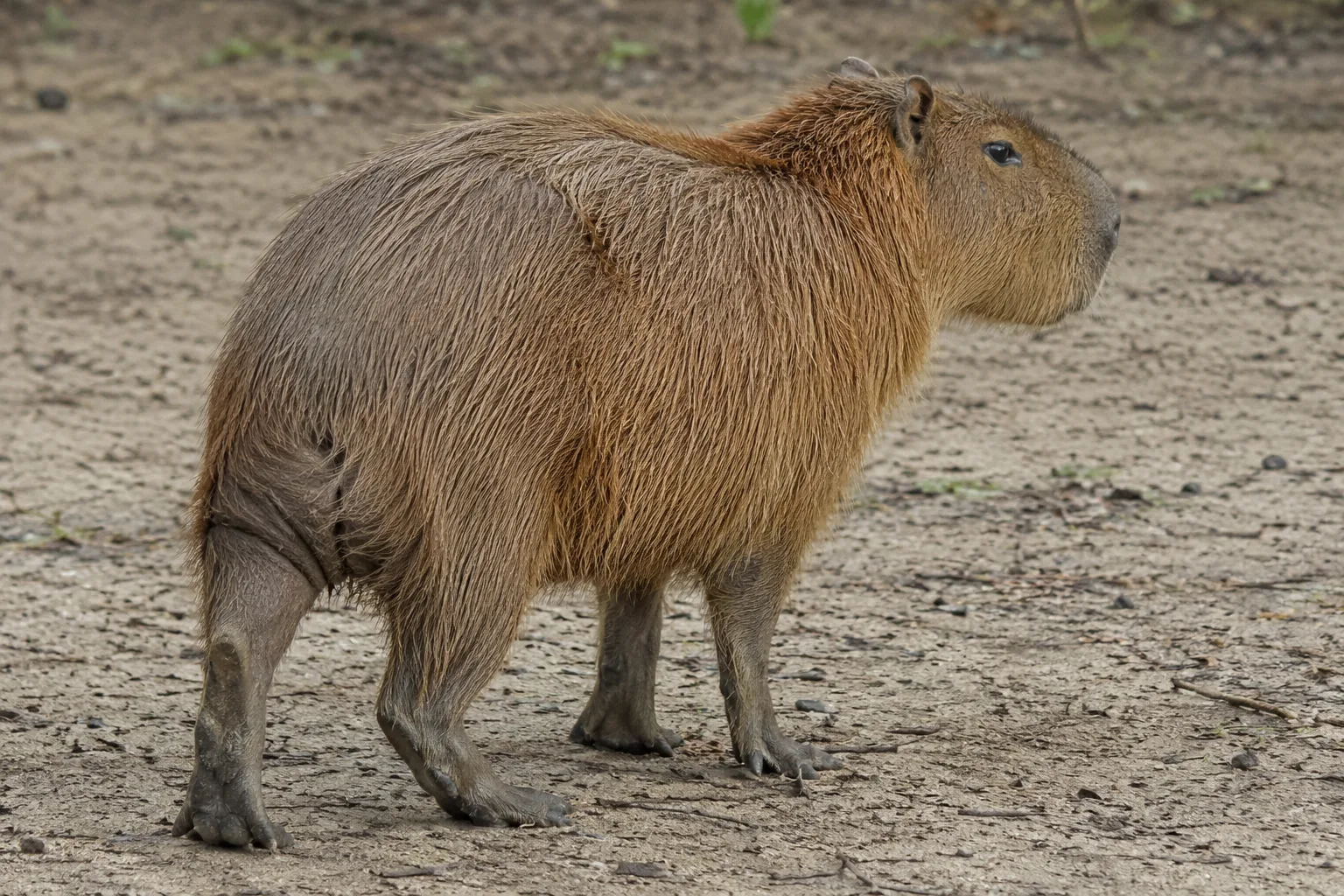
Animal Diversity Web fills in the rest of the picture: semi-aquatic, web-footed grazers that use water for cooling, escape, and daily life. The “nothing” is really a schedule. Eat while it’s cool and quiet. Lie low while it’s hot and exposed. Keep one ear up because the group is watching too.
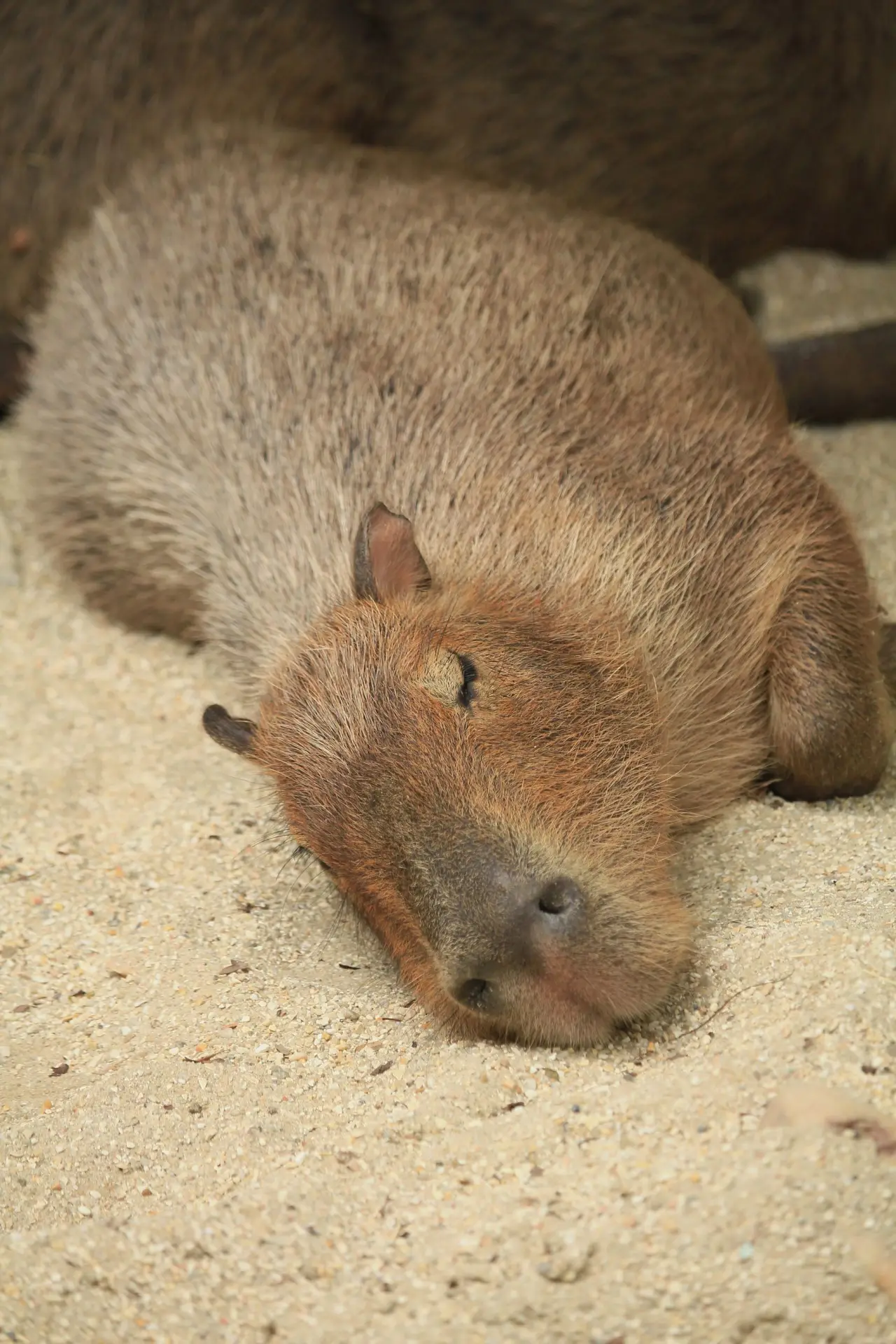
And the sleep itself comes in pieces, not one long human-style block — short dozes through the day rather than eight hours and an alarm clock. There is a small detail capybara fans love here: they graze, then re-ingest some of their own droppings to pull more nutrition out of tough grass. Doing nothing, technically, includes eating lunch twice.
The capybara rest protocol, translated for humans
Against my better judgment, here is the method as a how-to. The difficulty ratings are for you, not the capybara, which finds all of this trivial.
| Capybara practice | Human translation | Difficulty |
|---|---|---|
| Graze at dawn, rest through the heat | Do the real work early, then actually stop | Hard, you’ll want to keep going |
| Sit in water for hours doing nothing | Take a real break with no phone in reach | Very hard |
| Doze in short bouts, half-alert | Nap without guilt | Medium |
| Let the group keep watch | Trust someone else to cover for you | Hard |
| Re-eat your own food, slowly | At minimum, stop multitasking lunch | Medium |
The protocol is simple. The execution is where humans fall apart, usually at row one.
Why rest is a survival strategy, not a life hack
This is where I want to be clear, because rest content always curdles into wellness branding. For a capybara, lying around is not self-care. It is staying alive.
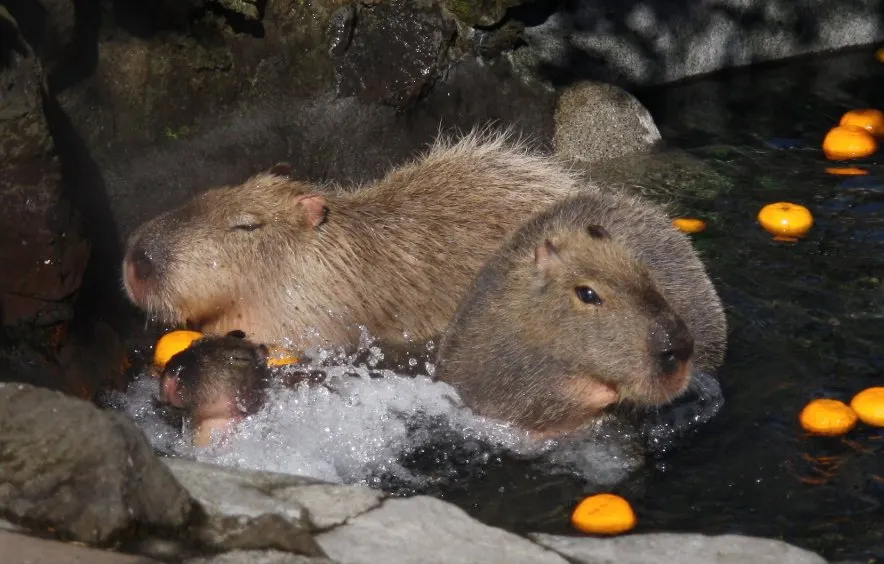
Midday stillness in or near water is thermoregulation — a large, dry-skinned mammal avoiding heatstroke and keeping its skin from cracking. Resting in a tight group is predator math, more eyes and a shorter sprint to the water. Even the famous warm baths have a measurable basis: a 2021 study in Scientific Reports found that after hot-spring bathing, capybaras’ skin temperature rose and their extremities warmed up and held that warmth for about 30 minutes. The serenity is downstream of the survival.
So no, the capybara has not mastered work-life balance. It has a body that overheats and predators that don’t quit, and rest is the tool that answers both. Honestly, that is a more useful lesson than any morning routine: rest because the system needs it, not because a holiday told you to.
The one rule humans keep breaking
If you take anything from National Lazy Day, take this. The capybara never tries to be good at resting. There is no optimizing, no tracking, no resting-as-productivity. It just stops, because the heat says so and the body agrees.
We are the ones who turned the calmest animal online into a brand and then made rest a task with a due date. The capybara floating in warm water with citrus is not performing relaxation for you. It is simply not doing anything, and it is not apologizing for it.