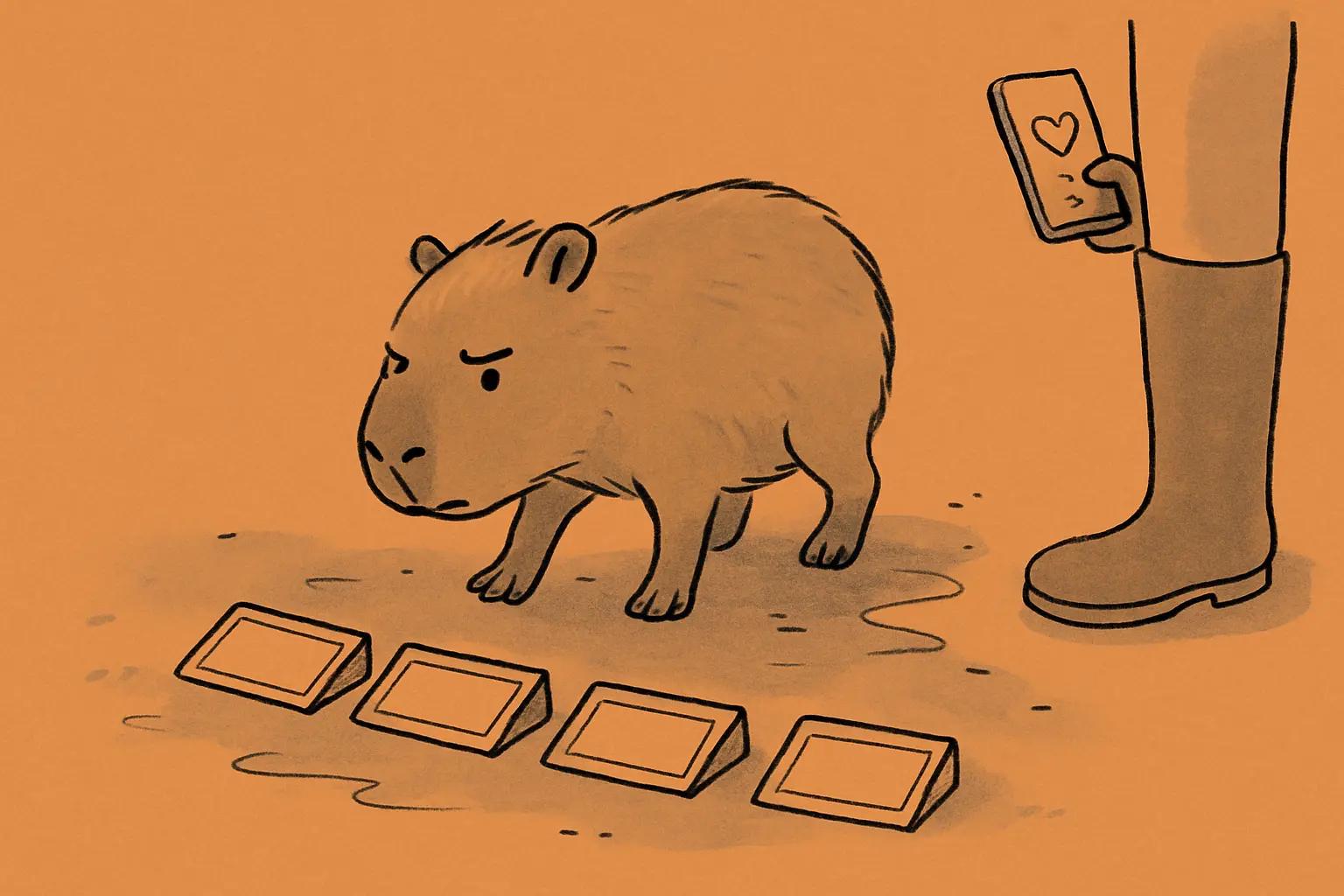
The pup, the vet check, and the shortlist
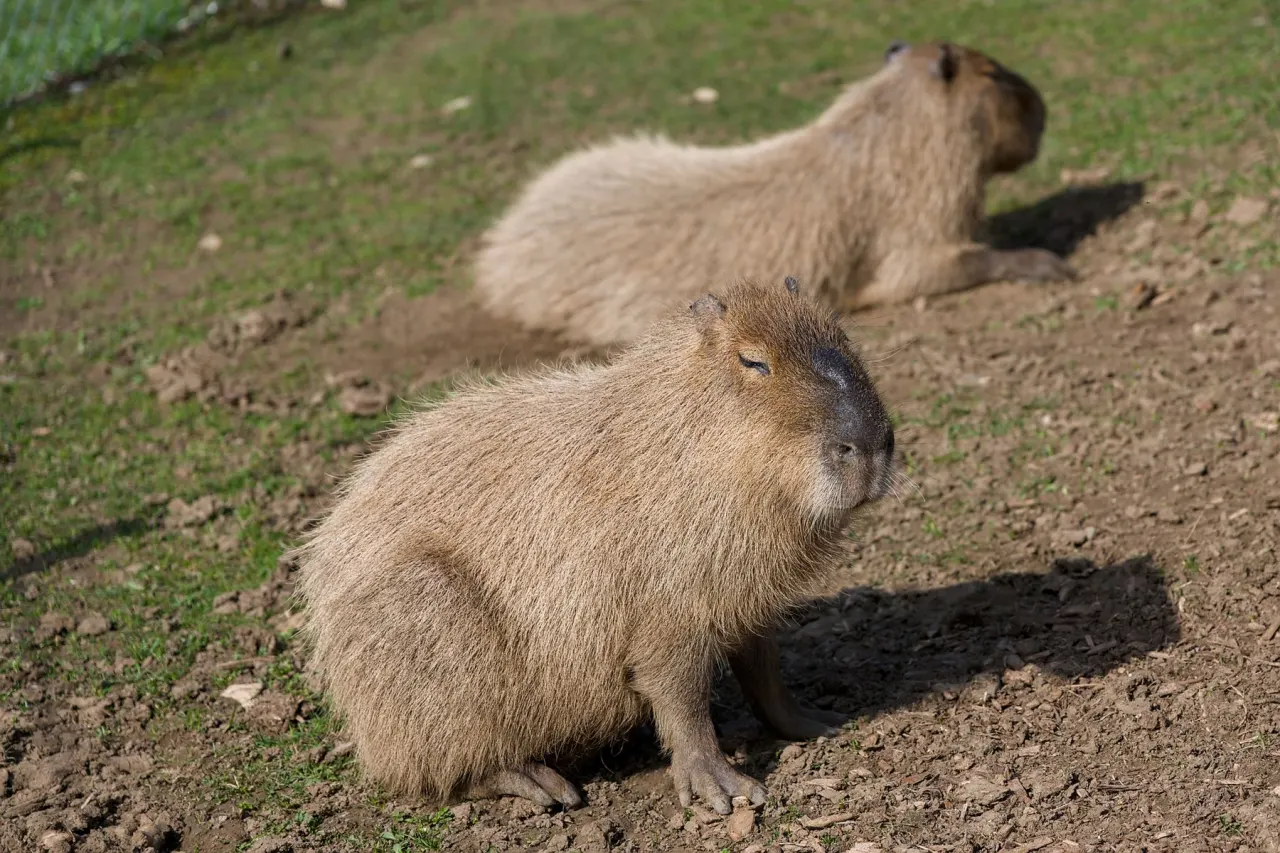
A capybara pup was born at Edinburgh Zoo sometime in May 2026. According to Edinburgh Zoo’s official announcement, vets have completed his first health check and confirmed he is male. Beyond that, the zoo has not published a specific birth date or weight, which is either cautious animal husbandry or a missed opportunity for the content calendar — probably both.
The Royal Zoological Society of Scotland, which operates the zoo, is now running a public name vote. The shortlist is Bru, Tunnock, Toddy, and Tablet. If those names feel like someone emptied a Scottish corner shop onto a whiteboard, that is more or less what happened. Deadline News reports that keepers and internet users noticed the pup’s “Scottish charm” — a phrase that is doing considerable heavy lifting here.
Why this pup is a bigger deal than the press release implies
The Herald notes this is Edinburgh Zoo’s first capybara born there in 18 years. That is not a trivial detail. Capybaras are social animals that live in groups of ten to twenty individuals in the wild, and breeding in captivity requires a reasonably settled social environment. An 18-year gap between births suggests the conditions have only recently aligned.
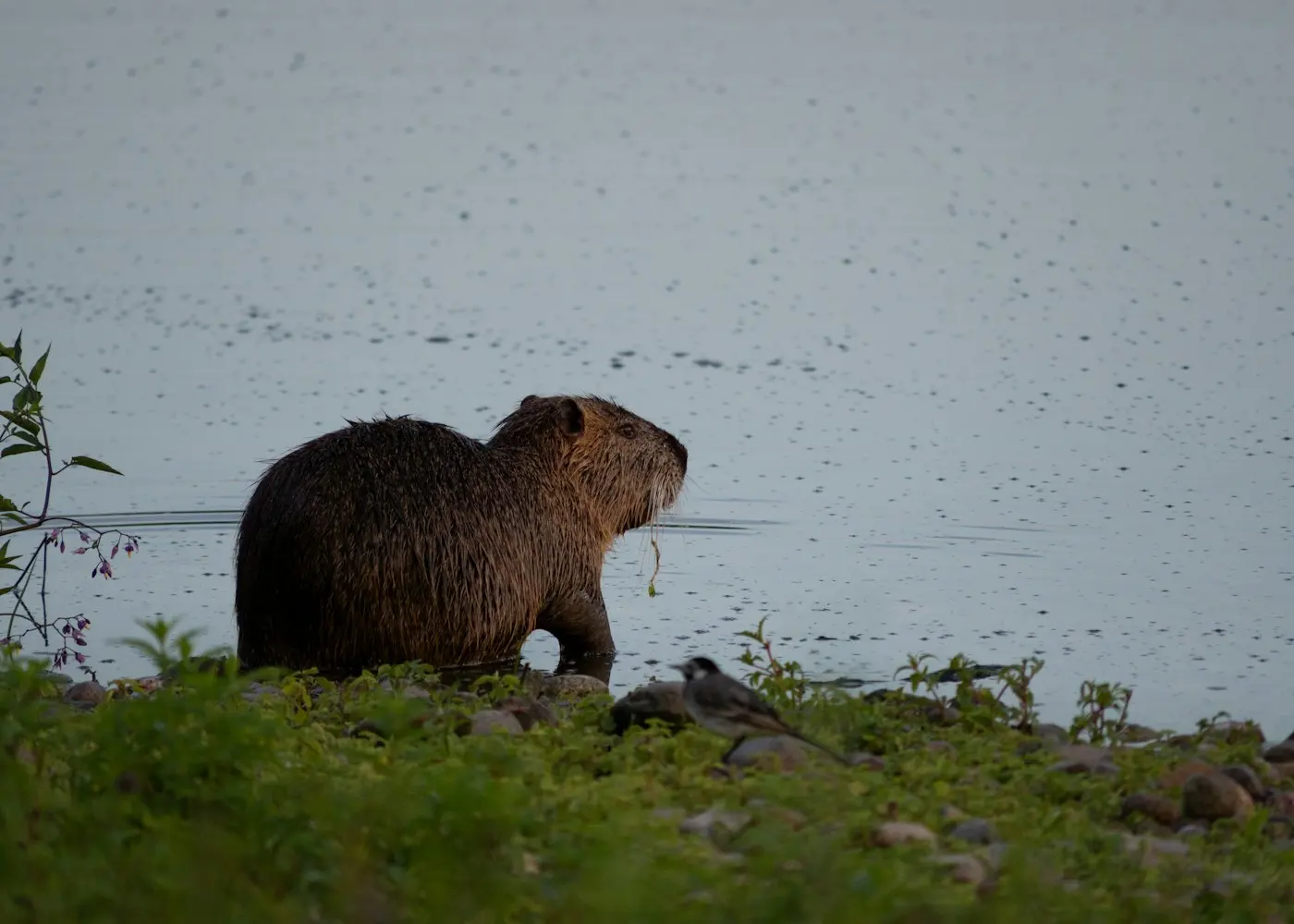
Capybaras are native to South America, where they occupy riverbanks, wetlands, and flooded grasslands from Venezuela down to northern Argentina. They are semi-aquatic and can hold their breath underwater for up to five minutes — a useful skill when a jaguar is the alternative. Edinburgh’s climate is not exactly the Pantanal, but managed indoor environments have made capybara keeping viable at northern European zoos for decades.
The naming options, assessed without enthusiasm
Bru is a reference to Irn-Bru, the aggressively orange Scottish soft drink. Tunnock is a nod to Tunnock’s, the bakery famous for its caramel wafers and teacakes. Toddy is a hot whisky drink. Tablet is a Scottish confection — dense, tooth-achingly sweet fudge made with condensed milk and butter.
All four options are food or drink. None of them have anything to do with capybaras. This is, to be fair, entirely standard practice for zoo naming votes, which tend to prioritise local engagement over zoological relevance. The names are fine. Tunnock has a certain round, unhurried energy that suits the species.
How and when to vote
Votes are being cast on Edinburgh Zoo’s Facebook and Instagram pages. The window closes on the evening of Wednesday 3 June 2026, and the winning name is due to be announced the following day, Thursday 4 June.
One common misconception worth clearing up: capybaras are not a recent internet invention. They have been kept in European zoos since at least the mid-twentieth century and were well-documented in zoological literature long before the meme cycle of the early 2020s made them a shorthand for serene indifference. The viral reputation is new. The animal is not.
The Grumpy Capy take
A zoo naming vote is, at its core, a social media engagement exercise dressed up as community participation. That is not a criticism — zoos need audiences, audiences like voting on things, and the pup needs a name regardless. The mechanism is just worth naming plainly.
The more interesting story here is the 18-year gap. What changed? Did the zoo acquire new animals, adjust the group composition, or simply get lucky with an established pair? Edinburgh Zoo’s announcement does not say, and none of the coverage pressed the question. That is the story a capybara-focused outlet would actually want answered.
For what it’s worth: vote Tunnock. The caramel wafer has a calm, unpretentious quality the other options lack. Tablet sounds like a sedative. Toddy sounds like a Victorian uncle. Bru is fine but feels like the obvious choice, which is usually a reason to avoid it.