New arrivals at the zoo
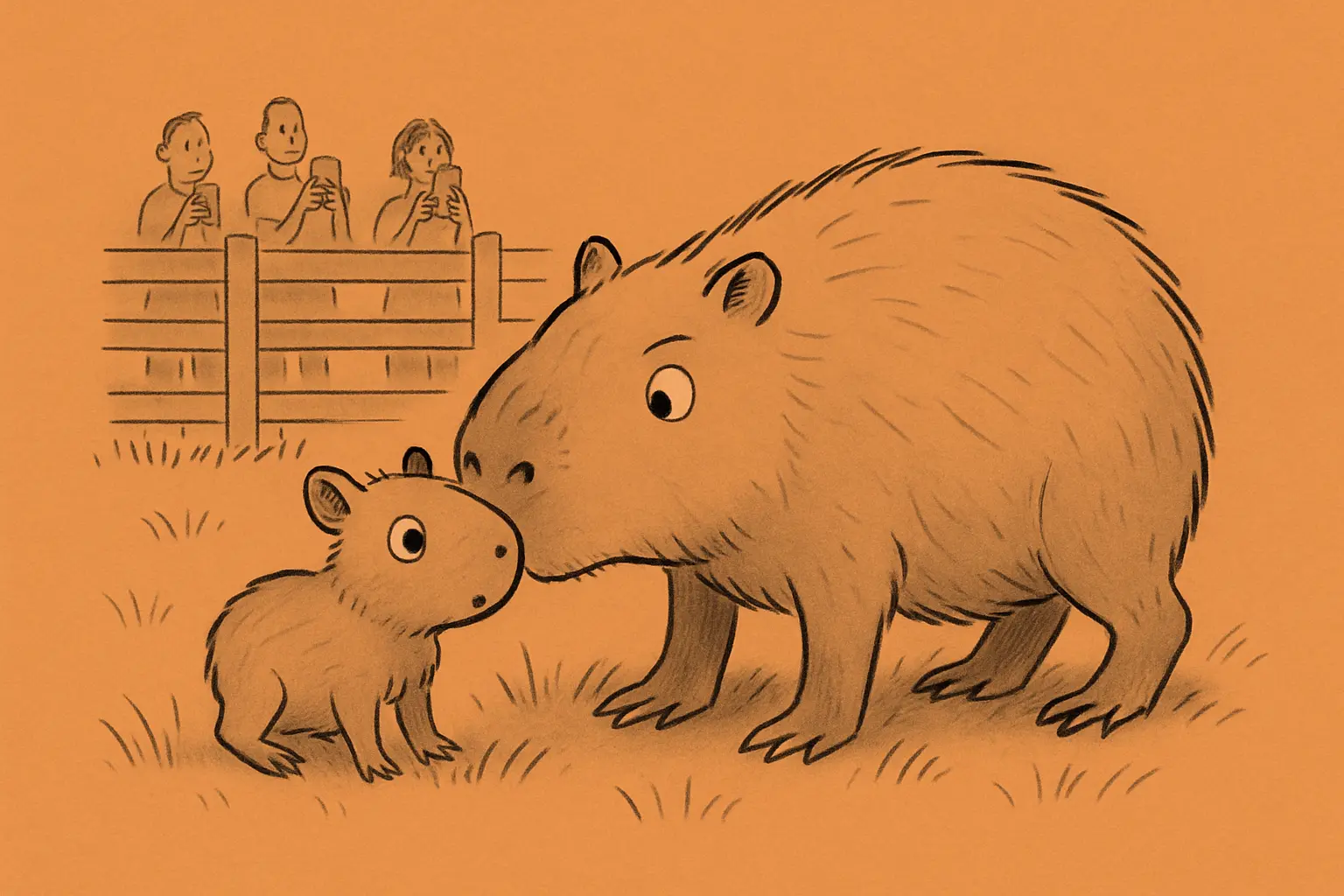
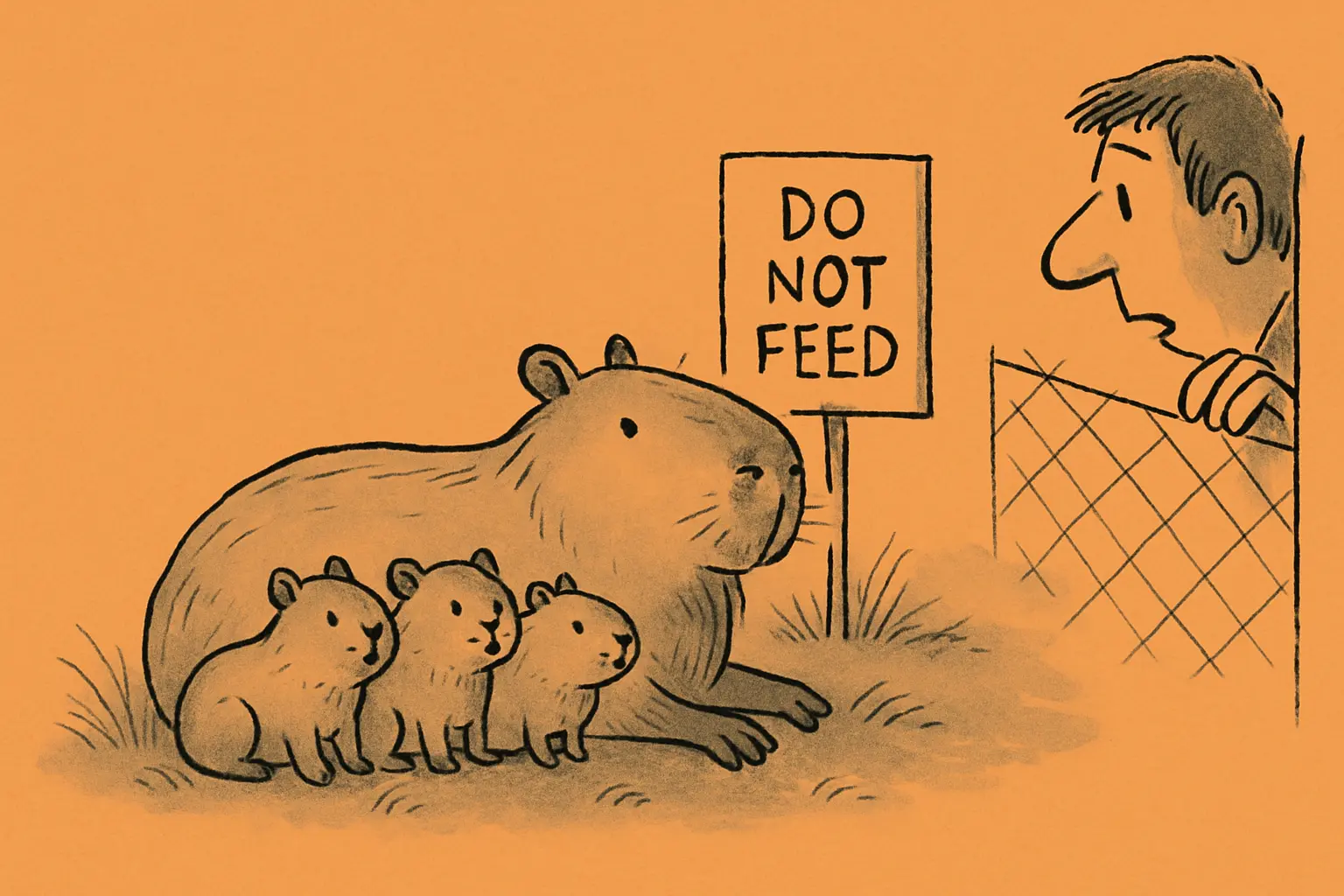
Early August brought the birth of three capybara babies at the Asunción Zoo, pushing the zoo’s total capybara population to ten. This marks the fourth successful litter for the institution, according to The Asunción Times. The zoo has been focusing on creating an environment conducive to the well-being and reproduction of these native mammals. The newborns are staying close to their mother and are under the watchful care of the zoo’s veterinary team.
Estela Lucina Espínola, head of the zoo’s Veterinary Department, shared that the young capybaras are beginning to eat vegetation, complementing their diet of mother’s milk. This includes alfalfa, grass, seasonal fruits, squash, and other vegetables. The zoo’s efforts in maintaining suitable conditions seem to be paying off, as evidenced by the healthy growth and reproduction of the capybara group.
Native to Paraguay’s ecosystems
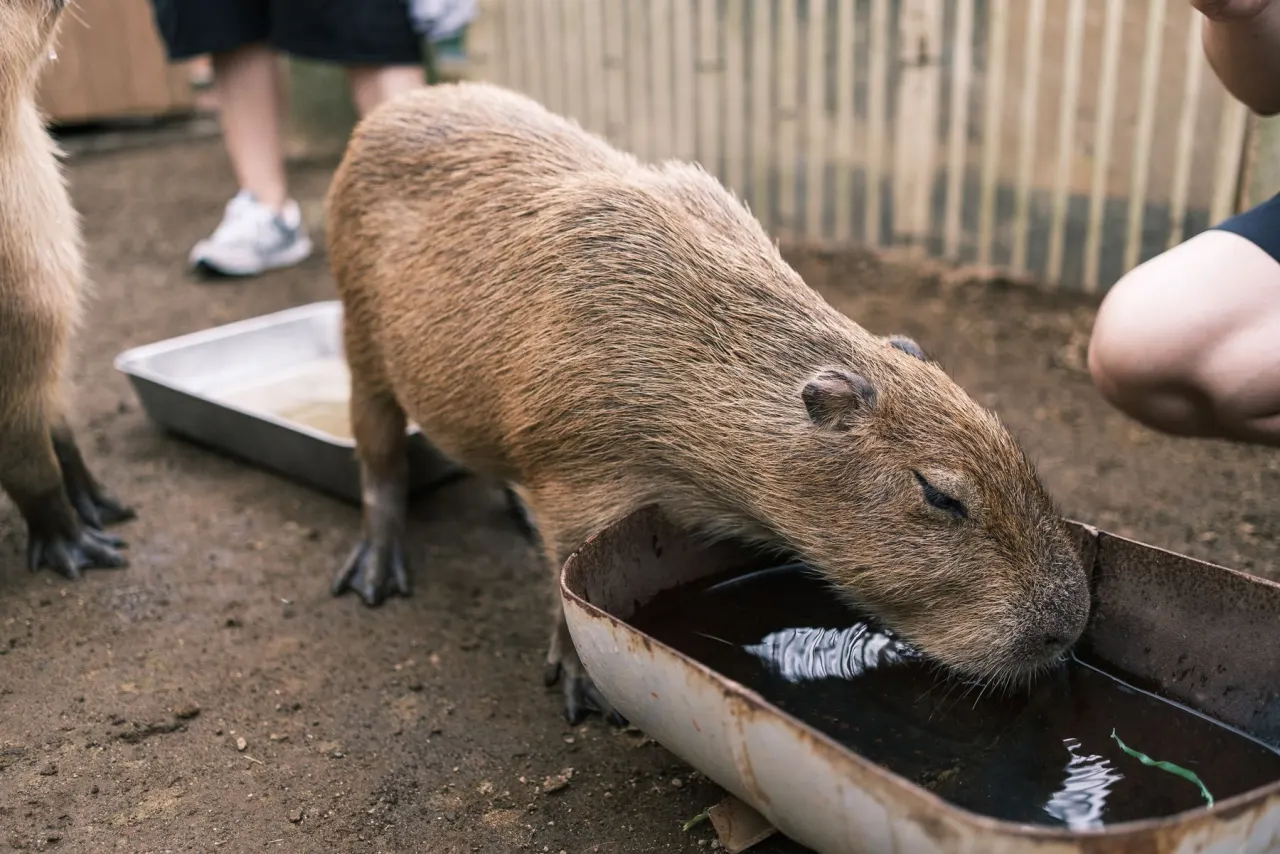
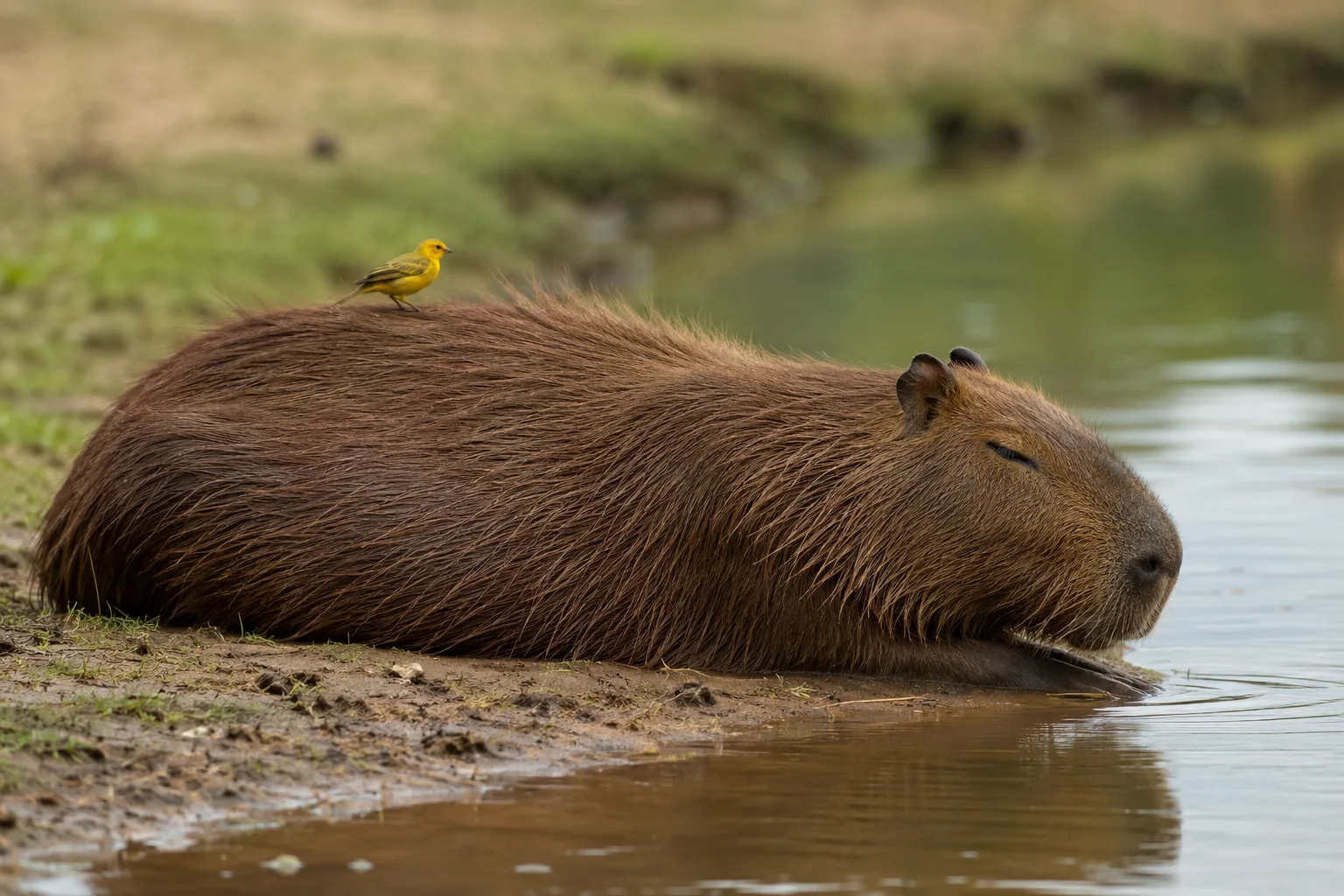
Capybaras, known locally as carpinchos, are the world’s largest rodents and are native to South America, including Paraguay. These semi-aquatic creatures thrive in wetlands, rivers, and marshes, relying on freshwater and abundant vegetation for survival. Their partially webbed feet make them excellent swimmers, a skill they use to escape predators and regulate their body temperature during Paraguay’s sweltering summers.
Despite being classified as Least Concern by the International Union for Conservation of Nature (IUCN), their wetland habitats face threats from human activities. Conservationists stress the importance of preserving these ecosystems, not just for capybaras but for the multitude of species they support.
Managing the growing group
With the capybara population steadily increasing, the zoo is planning improvements to their enclosure. These changes aim to responsibly manage the group and prevent inbreeding among future generations. Espínola reminded visitors that while capybaras are gentle by nature, direct contact is not allowed. Feeding or handling them can cause stress and health issues, particularly if they consume inappropriate foods.
Interestingly, a common misconception is that capybaras are solitary creatures. In reality, they are highly social animals, often living in family groups. This social structure is part of why they adapt well to controlled environments like the zoo.
Drawing the crowds
The capybara exhibit has become a popular attraction at the Asunción Zoo, especially for families and children visiting the Botanical Garden and Zoo of Asunción. The arrival of the three newborns is expected to increase visitor numbers even further. The zoo’s visiting hours are from Tuesday to Sunday, 09:00 to 16:00, remaining closed on Mondays for maintenance and some much-needed quiet time for the animals.
Capybaras have a lifespan of around ten years in captivity, and zoo officials hope these new additions will help raise awareness about Paraguay’s native wildlife.
The Grumpy Capy take
More capybaras at the zoo might sound like a win, but it’s really a reminder of the fragility of their natural habitats. While the zoo’s breeding success is commendable, it underscores the need for habitat preservation outside zoo walls. Without action, we could be left with capybara populations thriving in captivity but struggling in the wild.
Let’s not forget the broader context here. The zoo’s effort is a band-aid, not a solution. For all the joy these capybara babies bring, they highlight the ongoing challenges of wildlife conservation. The story might sound like a feel-good success, but it’s also a call to protect the very environments that these creatures depend on.