Two new arrivals in New Braunfels
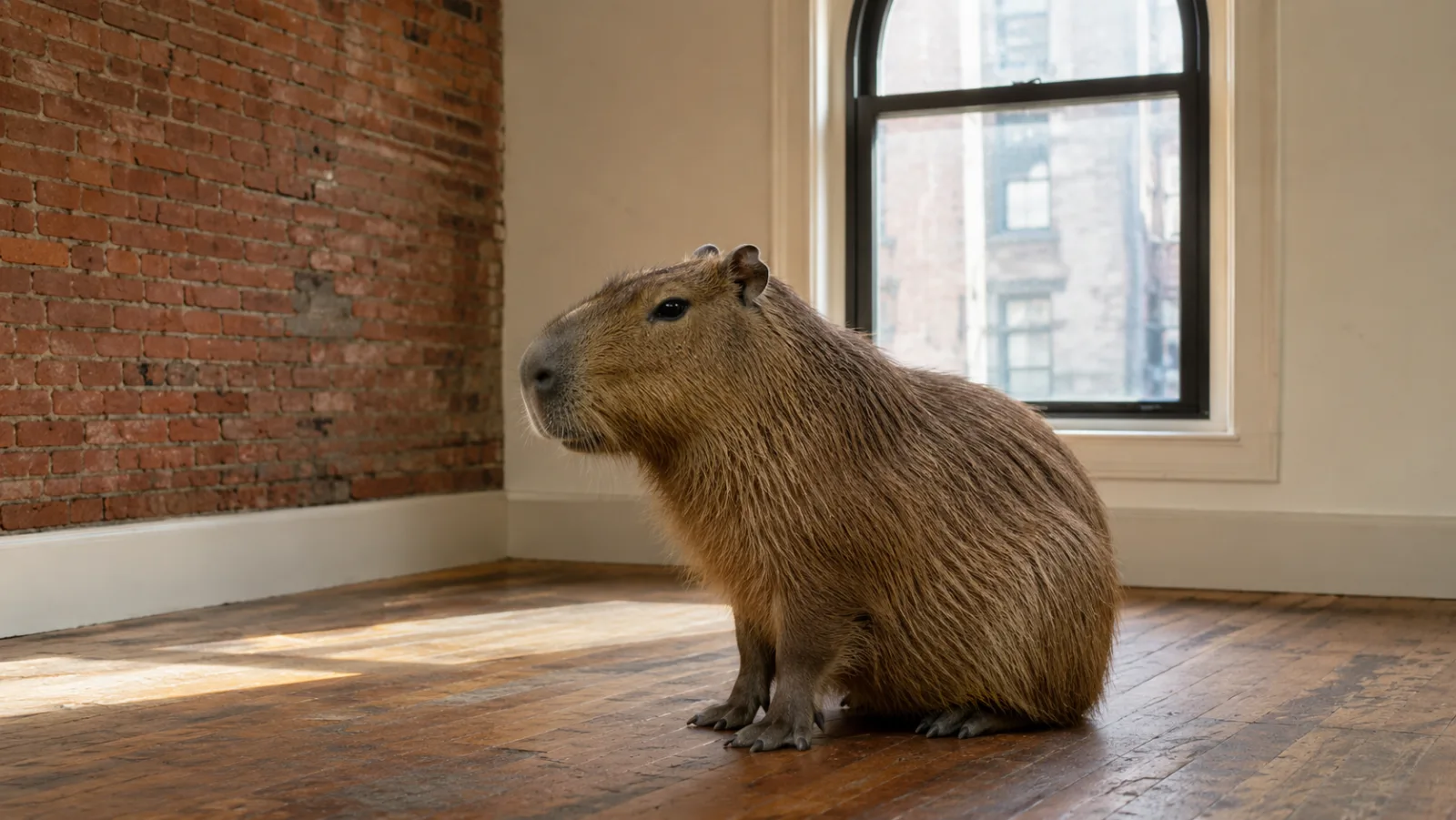
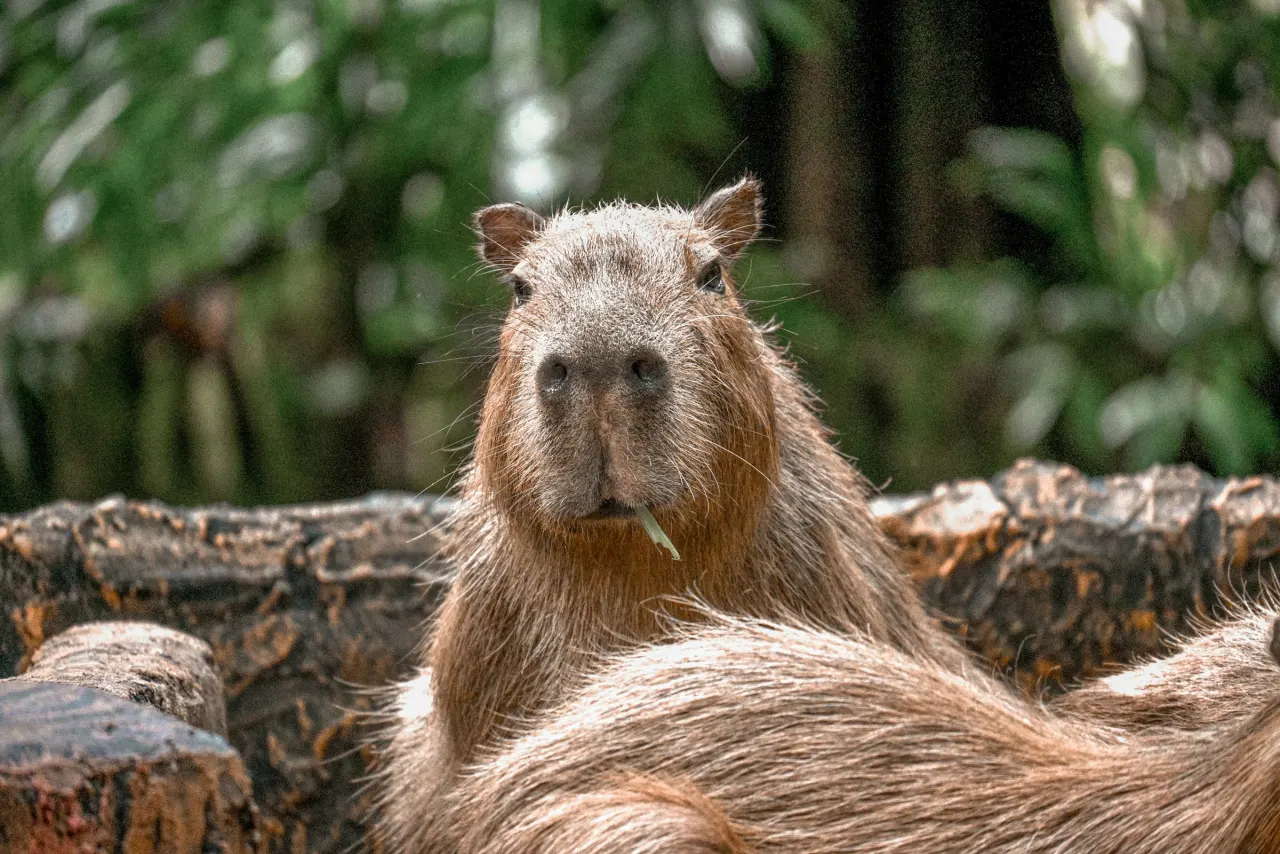
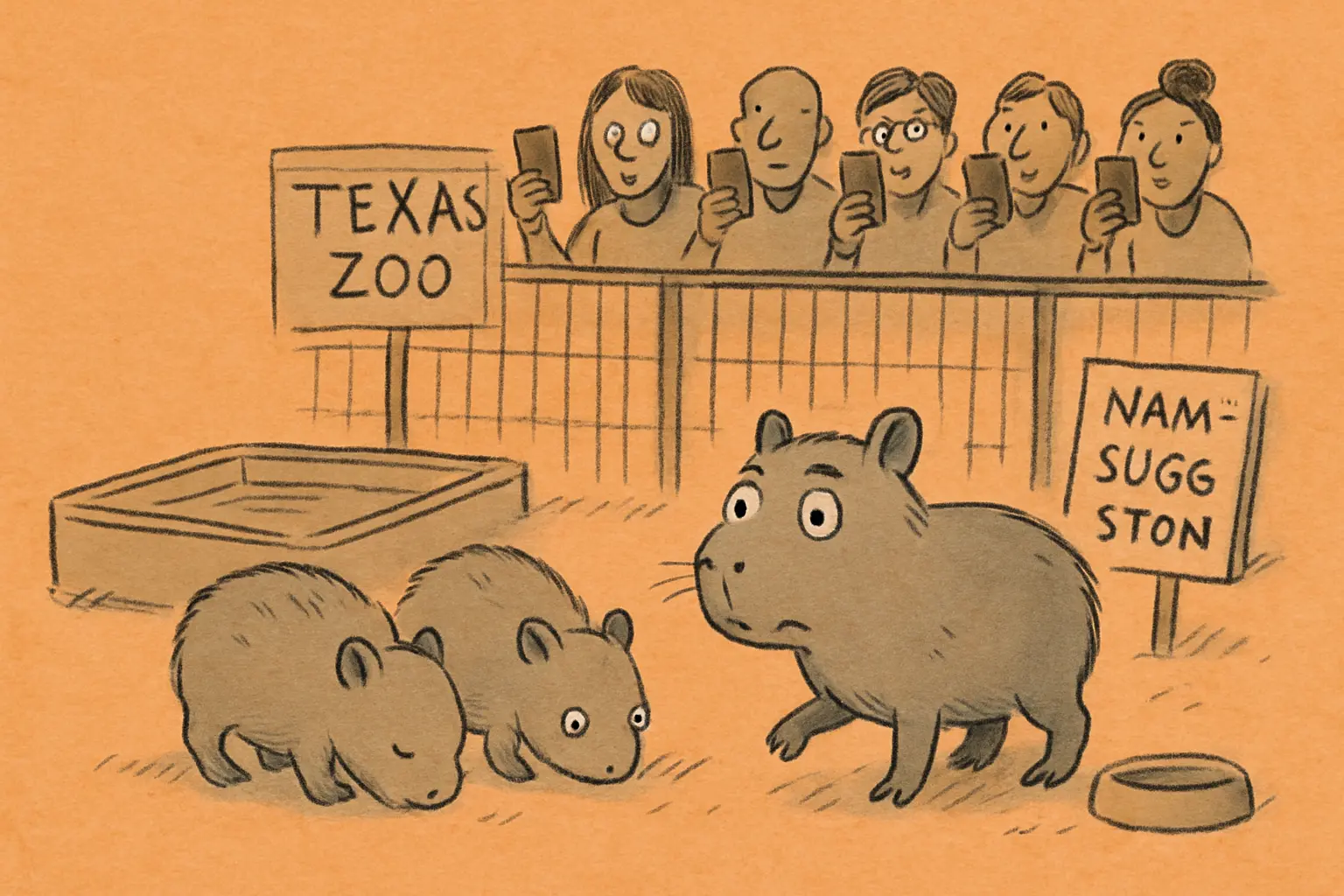
Animal World & Snake Farm Zoo in New Braunfels, Texas has two new residents, and they do not yet have names. The zoo is asking the public to weigh in on what the baby capybaras should be called, via a naming contest that KVUE has been covering and amplifying to its Austin-area audience.
The contest is simple: submit a name suggestion, wait to see if the zoo picks it. No word yet on the selection criteria, the timeline, or whether the capybaras themselves will be consulted.
What we actually know about the animals
Details on the pair are thin. KVUE’s report confirms two babies, confirms the naming contest, and confirms that they are, in fact, capybaras. Sex, birth date, and the identity of the parents have not been confirmed in the available source material.
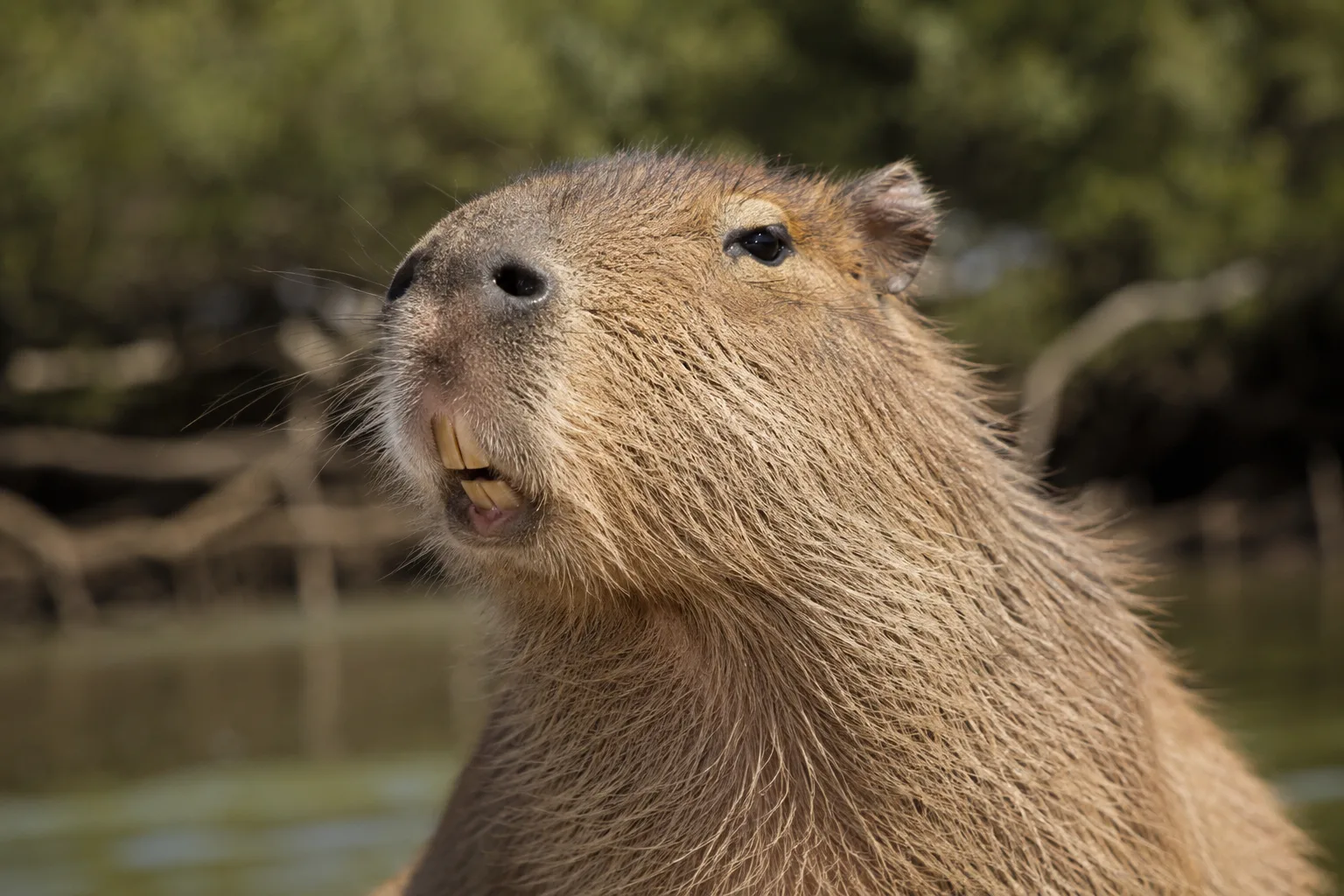
What is confirmed is that the animals are capybaras, which means they will grow into something considerably less compact than they appear right now. Adult capybaras can reach 140 pounds and stand about two feet at the shoulder — they are the largest rodents on earth, outweighing their closest relatives, the guinea pig and the rock cavy, by a considerable margin.
The naming contest format
Zoos running public naming contests is not a new idea, and the results tend to cluster around a predictable set of outcomes: food names, alliterative pairs, names submitted by a staff member’s child, or — increasingly — names that went viral on social media before the zoo had time to vet them.
The contest here appears to be open-ended, with KVUE inviting viewer suggestions without a stated shortlist. That is either refreshingly democratic or a recipe for a zoo staffer spending a weekend sorting through submissions of “Capybob” and “Jeff.”
Capybaras in captivity: the context worth having
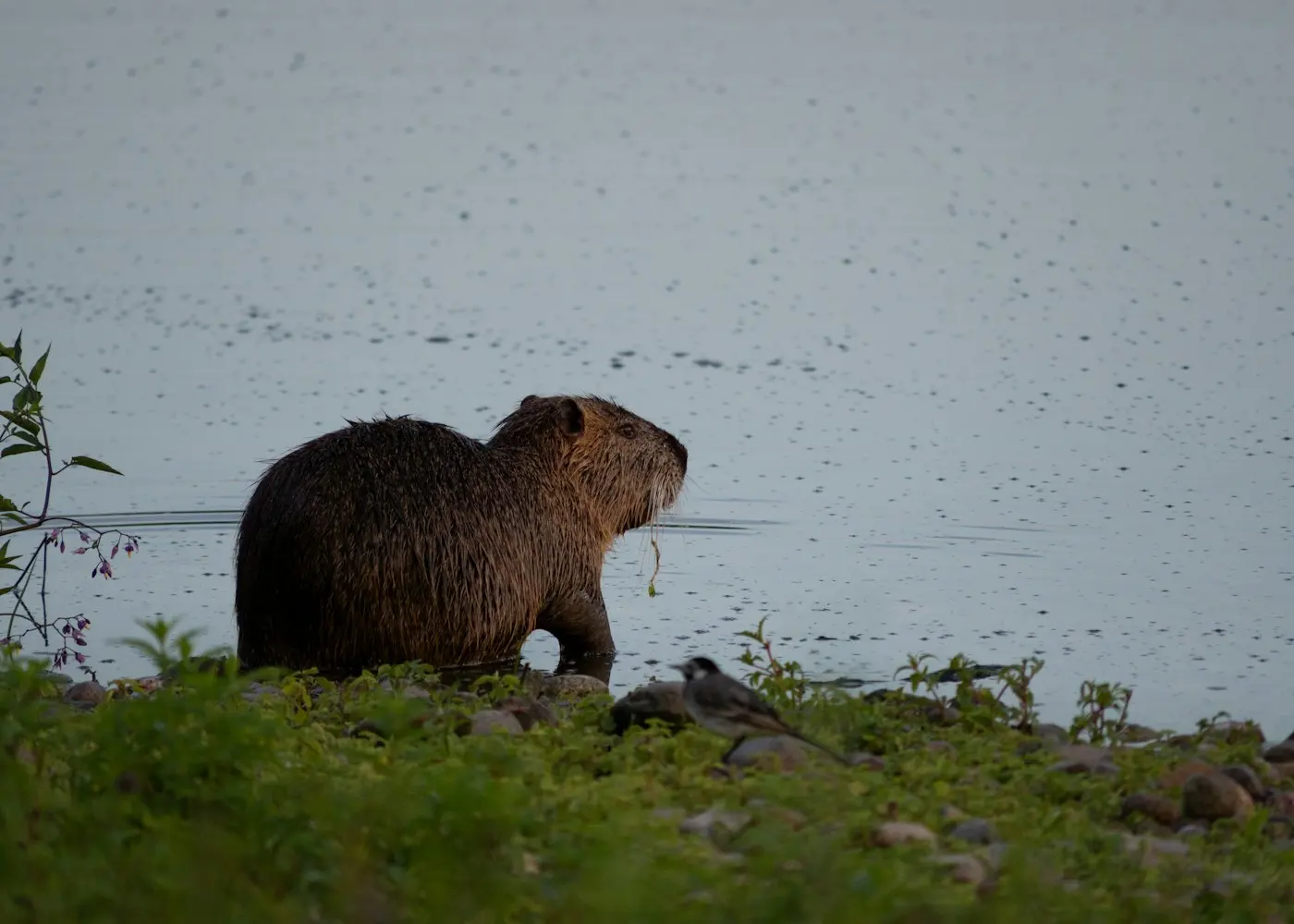
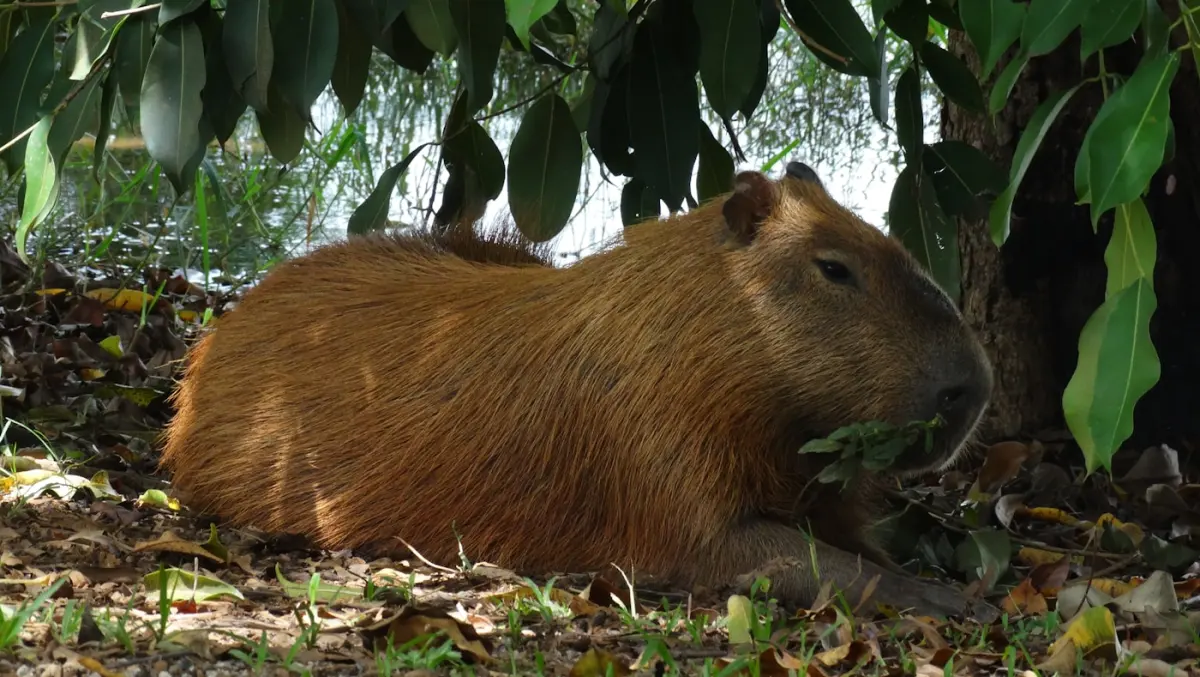
One misconception worth addressing: capybaras are sometimes assumed to be exotic or unusual zoo animals. They are not particularly rare in North American zoos. They are social, semi-aquatic, and relatively easy to maintain in captivity compared to many large mammals, which has made them a staple of zoo collections across the continent.
Here is the part that does not come up in naming contests: capybaras are capable of staying submerged underwater for up to five minutes. This is not a party trick — it is a survival mechanism they use to evade predators in the wild, where jaguars and anacondas are the primary threats. In a Texas zoo, the main threats are heat and the occasional overeager child pressing their face against the enclosure glass.
Capybaras are also highly social animals that live in groups of ten to twenty in the wild, which means a pair of babies is a reasonable start, but they will eventually want more company. Zoos that keep single capybaras or isolated pairs often report stress behaviours. New Braunfels has not indicated how large their capybara group currently is.
The Grumpy Capy take
A zoo naming contest is not news in any traditional sense. It is community engagement dressed up as a news peg, and KVUE is doing exactly what a local TV station is supposed to do — give people a reason to feel connected to their regional zoo. Fair enough.
The story is thin on facts, which is a problem only if you expected facts. The babies exist, they are unnamed, the public is invited to help. That is the whole thing. Absent a birth date, a sex confirmation, or any information about the parents, this is essentially a zoo posting a cute photo and asking the internet to have opinions — which the internet will do regardless of whether anyone asks.
Worth noting, for transparency: the primary URL provided for this story loaded content from an entirely unrelated E. coli lawsuit involving a Southern California restaurant chain. The capybara story was reconstructed entirely from the two KVUE sources, which contained the actual subject matter. Nothing from the E. coli material appears in this article.