A new arrival with a very good name
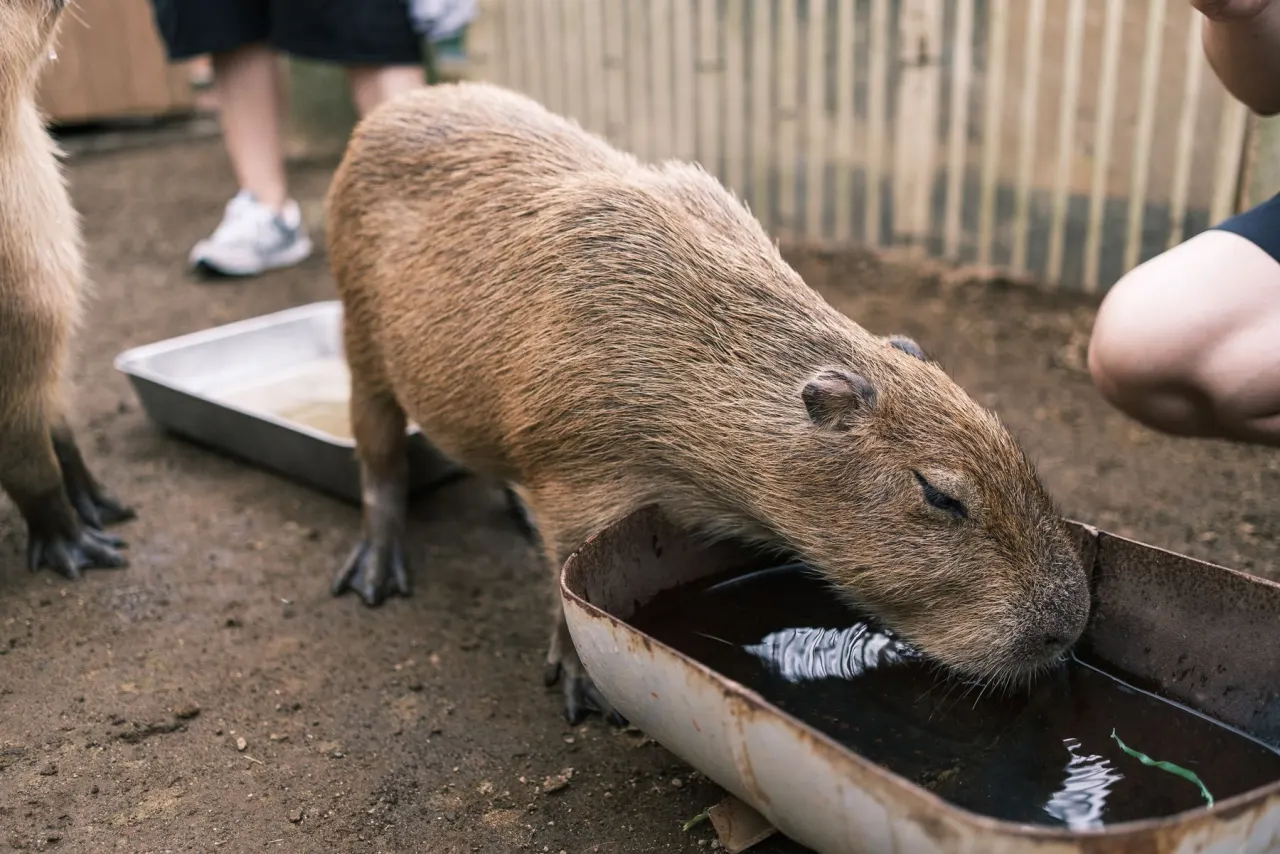
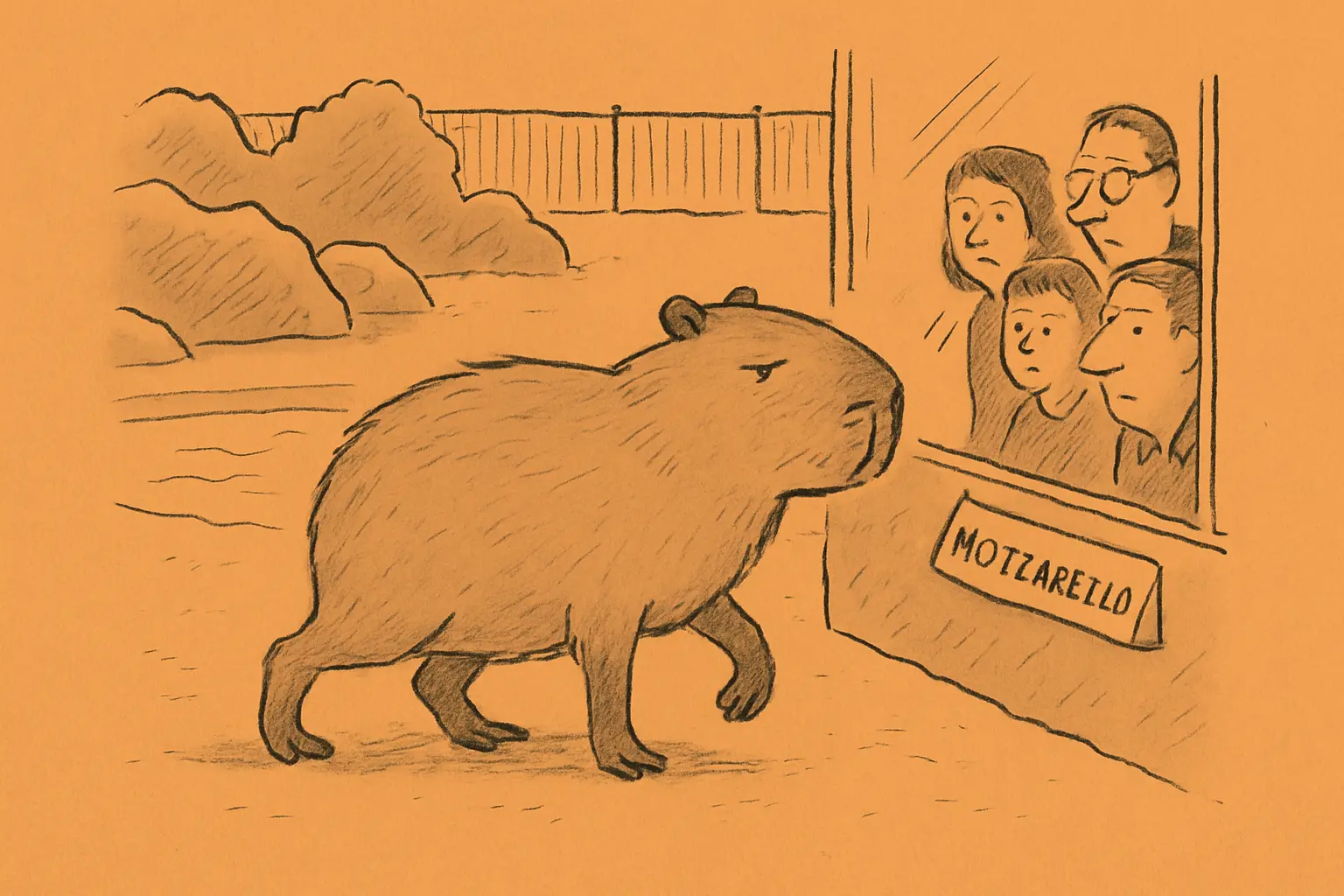
The Buffalo Zoo has a new capybara, and his name is Mozzarella. That sentence alone was apparently enough to generate coverage from at least five local outlets within twenty-four hours, which tells you something about the current media appetite for large semi-aquatic rodents. According to WIVB News 4, the male capybara arrived recently and is now part of the zoo’s collection. The details beyond that are, at the moment, thin.
What the coverage confirms: his name is Mozzarella, he is male, and he is at the Buffalo Zoo. What it does not confirm, at least not in any depth: his age, where he came from, which exhibit he will call home, or whether he has any existing animal companions lined up.
What we actually know about Mozzarella
WGRZ and WKBW both covered the arrival, as did Niagara Frontier Publications. The collective reporting confirms his name and sex. Beyond that, the coverage is largely a relay of the zoo’s announcement, with the name doing most of the heavy lifting in terms of public interest.
The Niagara Gazette framed the story as an introduction, which is accurate — this is a meet-and-greet announcement, not a detailed husbandry update. Zoo PR cycles work this way. The animal arrives, the name gets announced, the photos circulate, and the operational specifics come later, if at all.
Capybaras in captivity, briefly
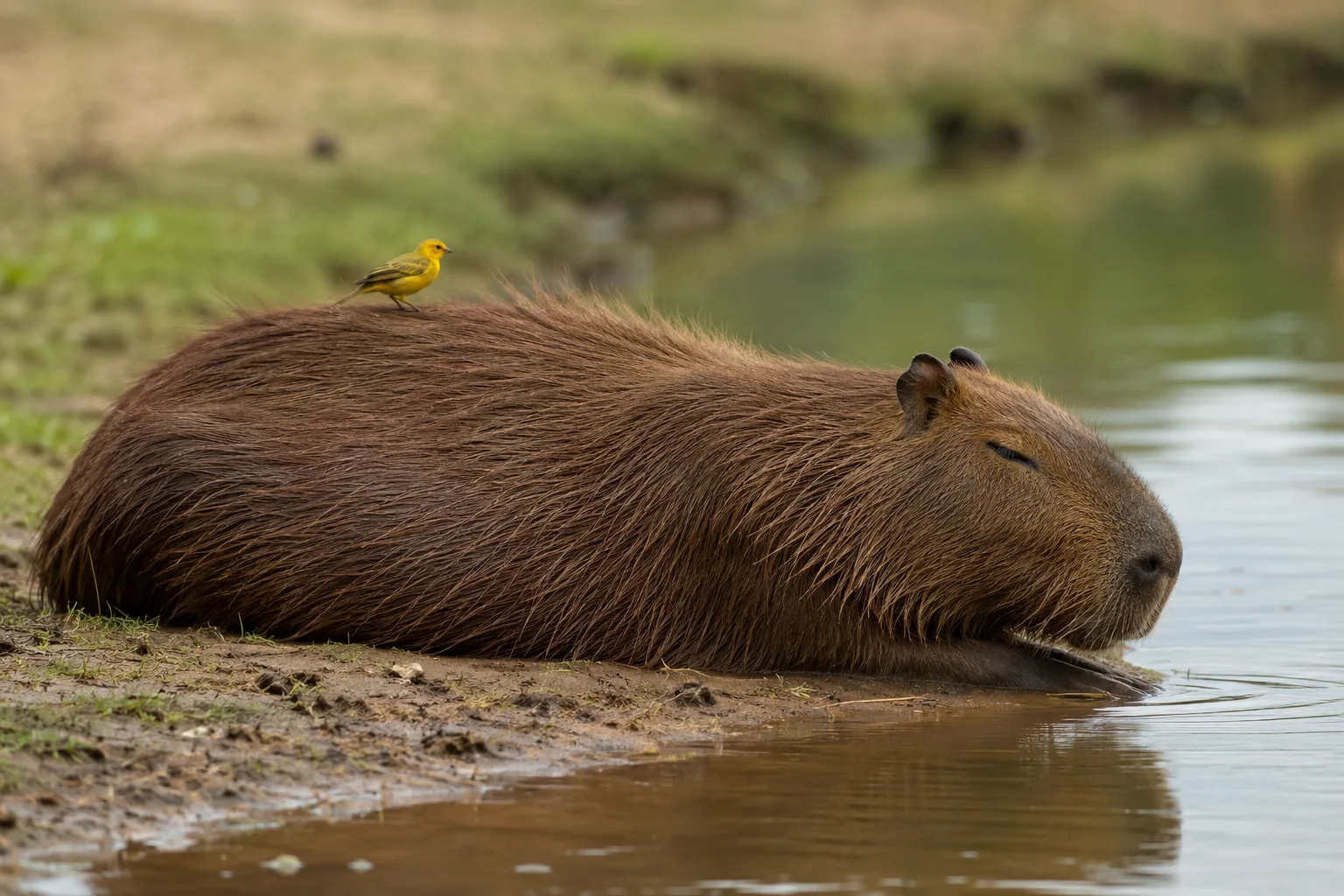
It is worth noting what Mozzarella actually is, beyond the name. Capybaras are the largest rodents on earth — adults typically weigh between 35 and 65 kilograms, roughly the size of a medium dog, though considerably more barrel-shaped. They are native to South America, where they live in groups near rivers, lakes, and wetlands. In the wild, a group of capybaras will spend a significant portion of the day in or near water, using it for thermoregulation, predator avoidance, and general preference.
Here is the weird fact that tends to get lost in the general cooing: capybaras can hold their breath underwater for up to five minutes. This is not a party trick. It is a genuine survival mechanism. They will submerge entirely to avoid predators, leaving only their nostrils above the waterline when they need to breathe. A zoo exhibit that does not give them meaningful water access is not really suited to them.
The name question, addressed directly
A common assumption when zoos give animals food-related names is that it reflects something about the animal’s personality or appearance. It usually does not. Naming conventions at zoos vary enormously — some follow themes, some let staff vote, some run public polls. The available coverage does not explain why Mozzarella is called Mozzarella.
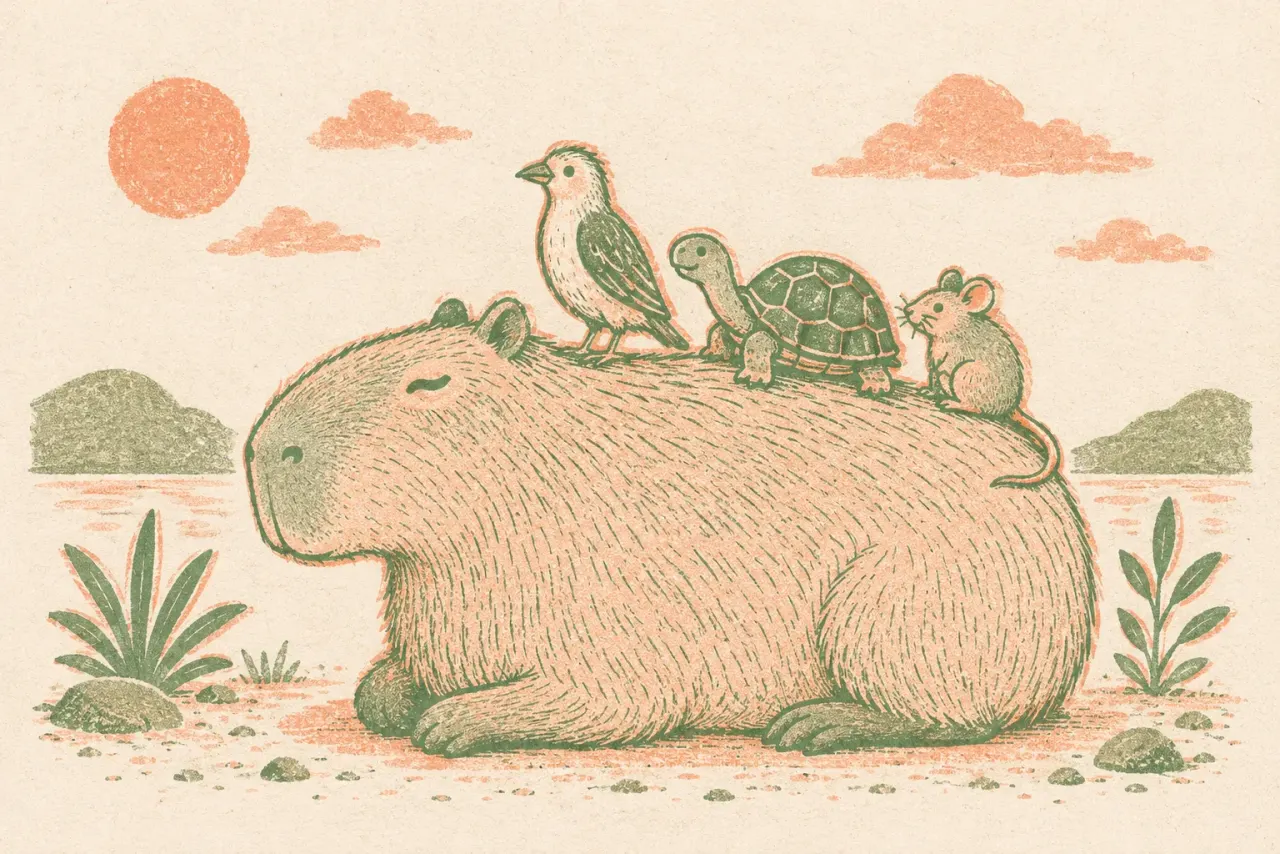
What is worth correcting: some people assume capybaras are naturally docile or domesticated because of their viral reputation as the animals that get along with everyone. That is a misconception worth pushing back on. Capybaras are not domesticated. They are wild animals that happen to have a calm temperament and a social structure that makes them tolerant of other species — including, famously, birds that use them as perches and smaller animals that treat them as furniture. That tolerance is not tameness. Mozzarella is a wild-type animal in a managed setting, not a large, cheese-themed pet.
The Grumpy Capy take
Five outlets covering the same zoo press release about a capybara’s arrival is either a sign of a slow news week in Buffalo or proof that the capybara industrial complex is fully operational and running at capacity. Probably both.
The name Mozzarella is genuinely good. No notes. But the coverage, taken together, adds up to less than the sum of its parts — a lot of outlets repeating the same thin announcement without asking the obvious follow-up questions about exhibit setup, social grouping, or where this animal came from.
Buffalo gets a capybara named after a cheese. The capybara gets Buffalo in June, which is at least warmer than Buffalo in February. Whether Mozzarella gets the water access a 65-kilogram semi-aquatic rodent actually needs is a question none of the five outlets thought to ask, and that is the one worth following up on.