Six pups, one bridge, and a hard 3:30 deadline
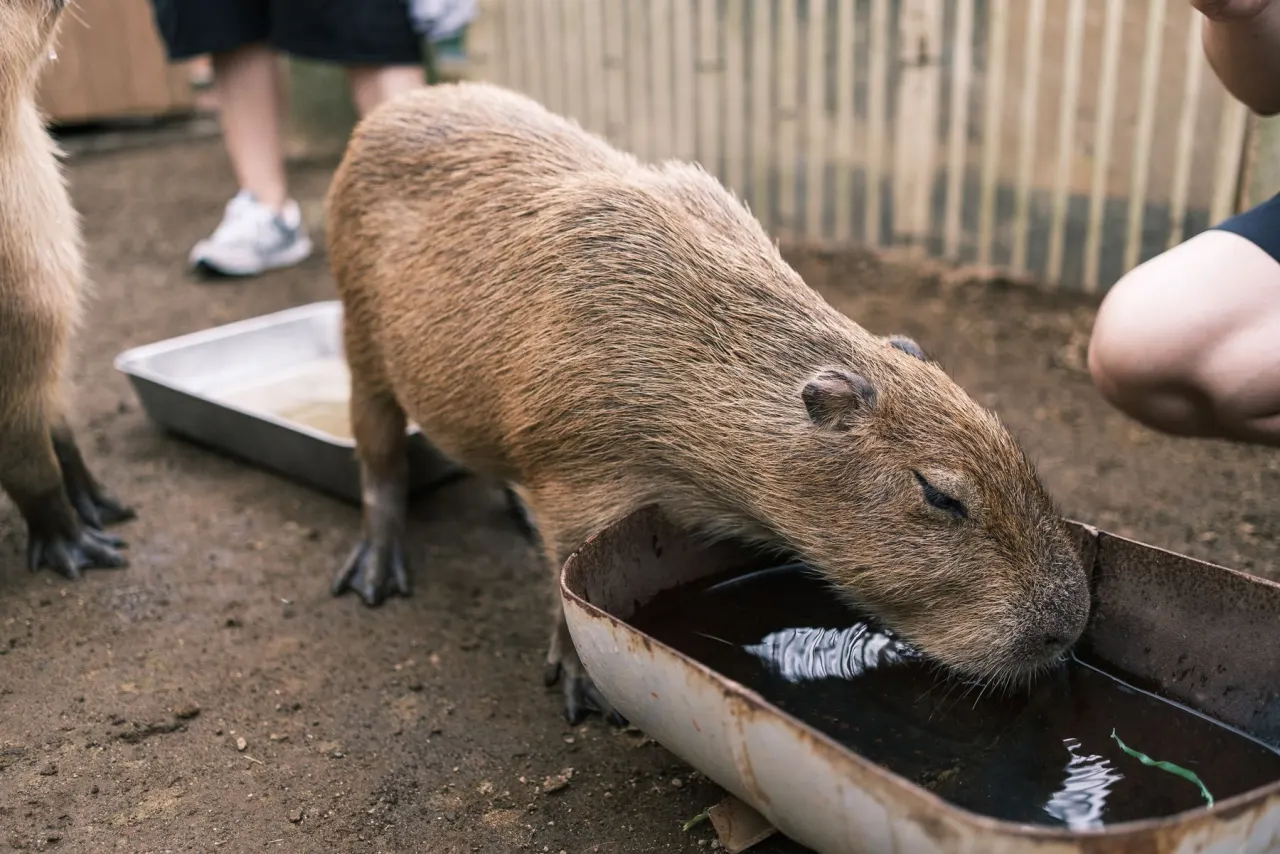
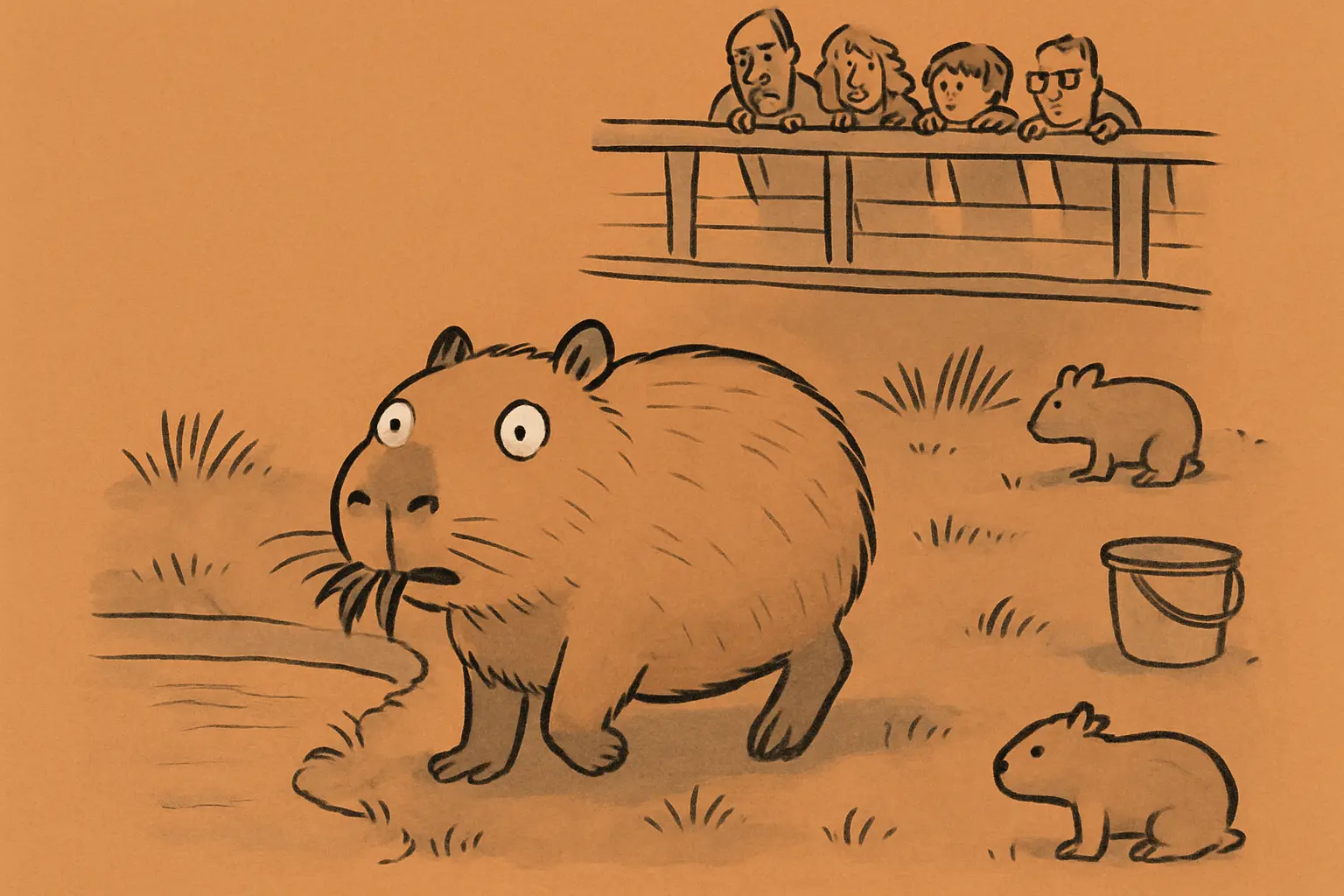
On June 18, a capybara named Marigold gave birth to six pups at Cape May County Park and Zoo in New Jersey — her second litter at the facility. According to NBC10 Philadelphia, this arrival follows Buttercup’s own second litter, which came just months earlier. The zoo now has two sets of pups on the ground at the same time, which is either a triumph of animal husbandry or a staffing headache, depending on who you ask.
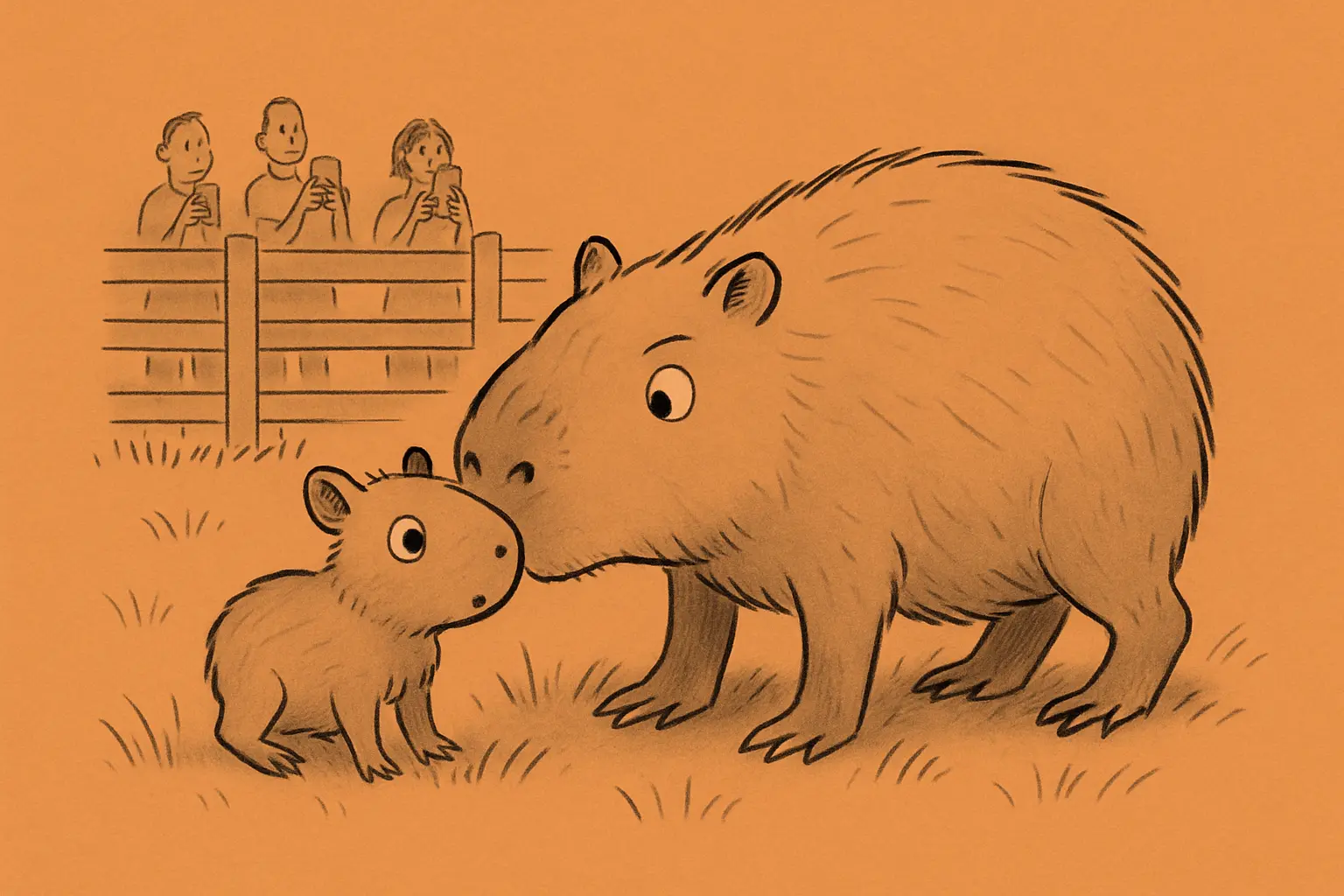
Visitors wanting to see Marigold and her pups can do so from the bridge overlooking the capybara habitat. The zoo notes they will occasionally be moved off-exhibit to give them a break from crowds and weather. That is a reasonable precaution for newborns, though it does mean your trip may not go as planned.
What the zoo is actually telling visitors
The practical advice from zoo officials is specific: arrive before 3:30 p.m. That is when keepers typically bring the capybara mothers and pups inside for the night. Miss that window, and you are looking at an empty habitat.
The Cape May County government’s own announcement confirms the zoo is open daily, with zoo hours running 10 a.m. to 4:30 p.m. and the surrounding parks open from 7 a.m. to dusk. The 3:30 cutoff is not a hard rule — keepers adjust based on conditions — but it is the closest thing to a guarantee you are going to get.
How capybara pups actually develop
Capybara pups are mobile almost immediately. They are up and walking within hours of birth and begin grazing on grass as early as one week old. They continue nursing for roughly 16 weeks, which means Marigold’s six are still very much dependent on her even as they wander.
Here is the part that surprises most people: capybaras are the largest rodents on earth, with adults typically weighing between 75 and 150 pounds. The common misconception, reinforced by zoo signage that emphasises their gentle temperament, is that they are some kind of oversized rabbit or exotic pet. They are not. They are fully wild animals that happen to be social and relatively calm — and at 150 pounds, a full-grown female is closer in weight to a large German Shepherd than to anything you would keep in a cage in your living room.
Two litters at once is genuinely unusual
Cape May County Commissioner Vice-Director Andrew Bulakowski, who serves as liaison to the zoo, called the double-litter situation “very unique” in a statement carried by NBC10 Philadelphia. That framing is accurate. Capybaras in the wild live in groups of 10 to 20 animals, and births within the same social group do occur in proximity — but managing two separate litters simultaneously in a zoo setting, with public viewing schedules and indoor housing logistics, is a different kind of challenge.
Capybara litter sizes in the wild range from one to eight pups, so six is on the larger end of normal. Both Marigold and Buttercup are on their second litters, which suggests the zoo has established a reasonably stable breeding programme over the past few years.
The Grumpy Capy take
The story here is not really about cute pups, though the pups are objectively present and presumably cute. It is about a mid-sized county zoo in New Jersey quietly running a successful capybara breeding programme — twice over, in the same season — without much fanfare beyond a press release and a recommended arrival time.
That 3:30 p.m. detail is doing a lot of work. It is the kind of specific, unglamorous operational information that separates a zoo that actually knows its animals from one that just puts up a sign and hopes for the best.
One transparency note: the source material is largely press-release in origin, and none of the coverage adds significant independent reporting beyond what the zoo provided directly. The facts are consistent across outlets, but they all trace back to the same institutional statement.