How a storage room became the hottest seat in the Idaho Panhandle
The Harris family runs Big Red’s Barn, a petting zoo in Coeur d’Alene that houses sheep, goats, reptiles, a wallaby, a sloth, and a llama, among others. When winter tourism slowed and rent still needed paying, they looked at an unused storage and office space and decided to fill it with capybaras. According to the Inlander, the family had previously babysat capybara pups and watched the community response go well past “enthusiastic.” That was enough to greenlight the project.
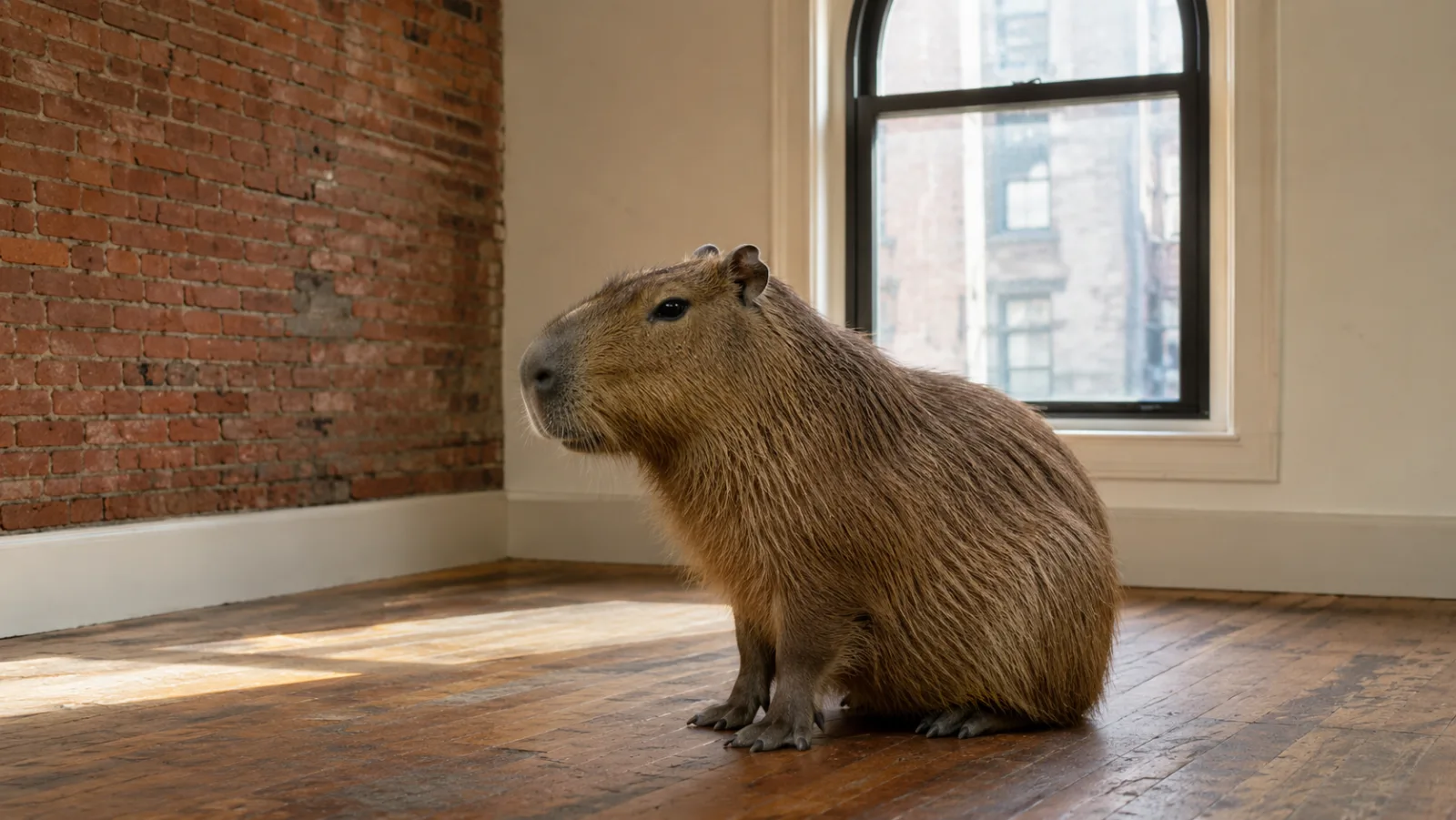
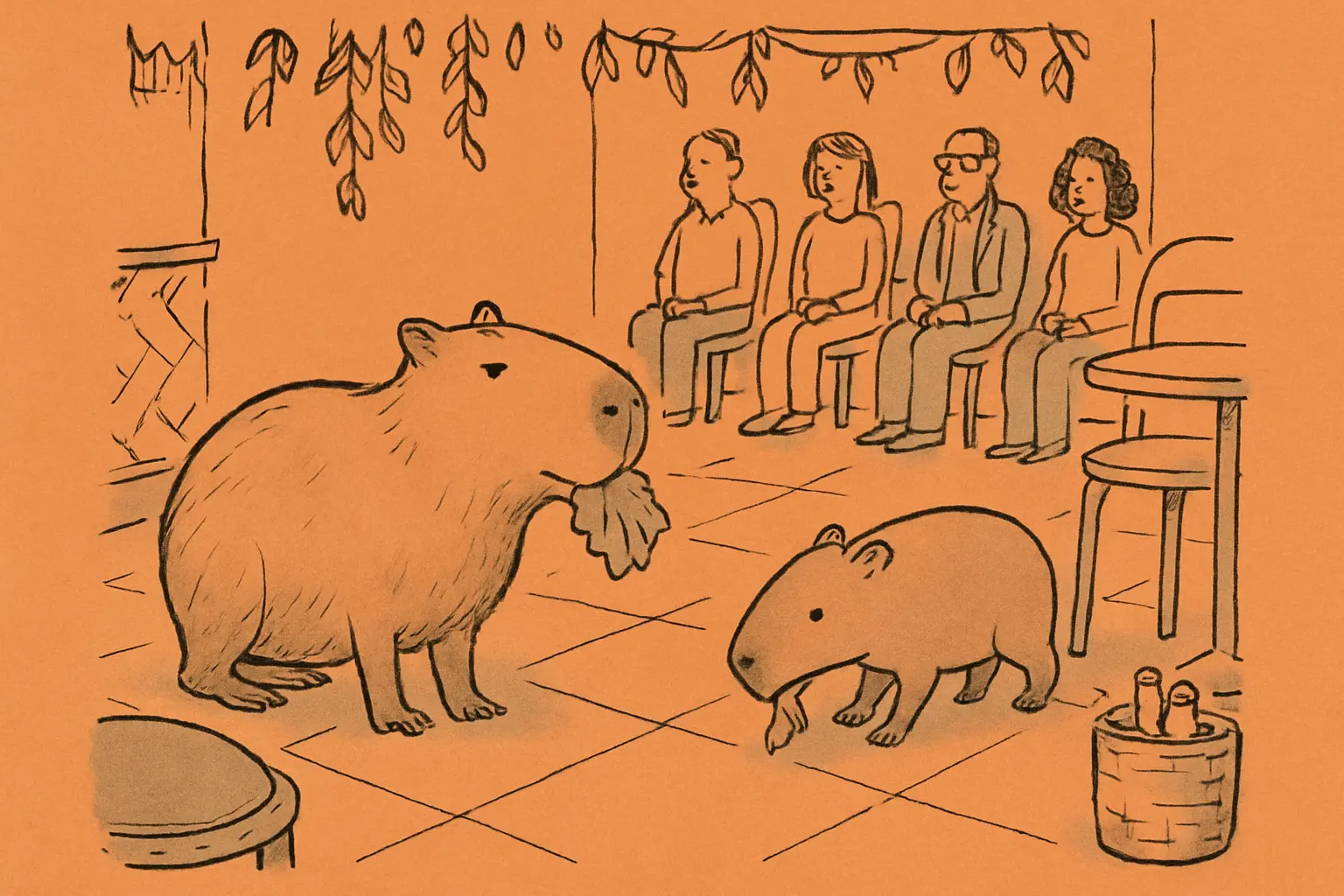
The renovation took eight weeks. Capy Hour Cafe opened in early April with Brazilian-themed décor, soft background music, a mix of real and artificial plants, and two baby capybaras named Mario and Miguel. Community members helped choose the names, which are a nod to the animals’ South American origins.
Mario, Miguel, and the bamboo they already destroyed
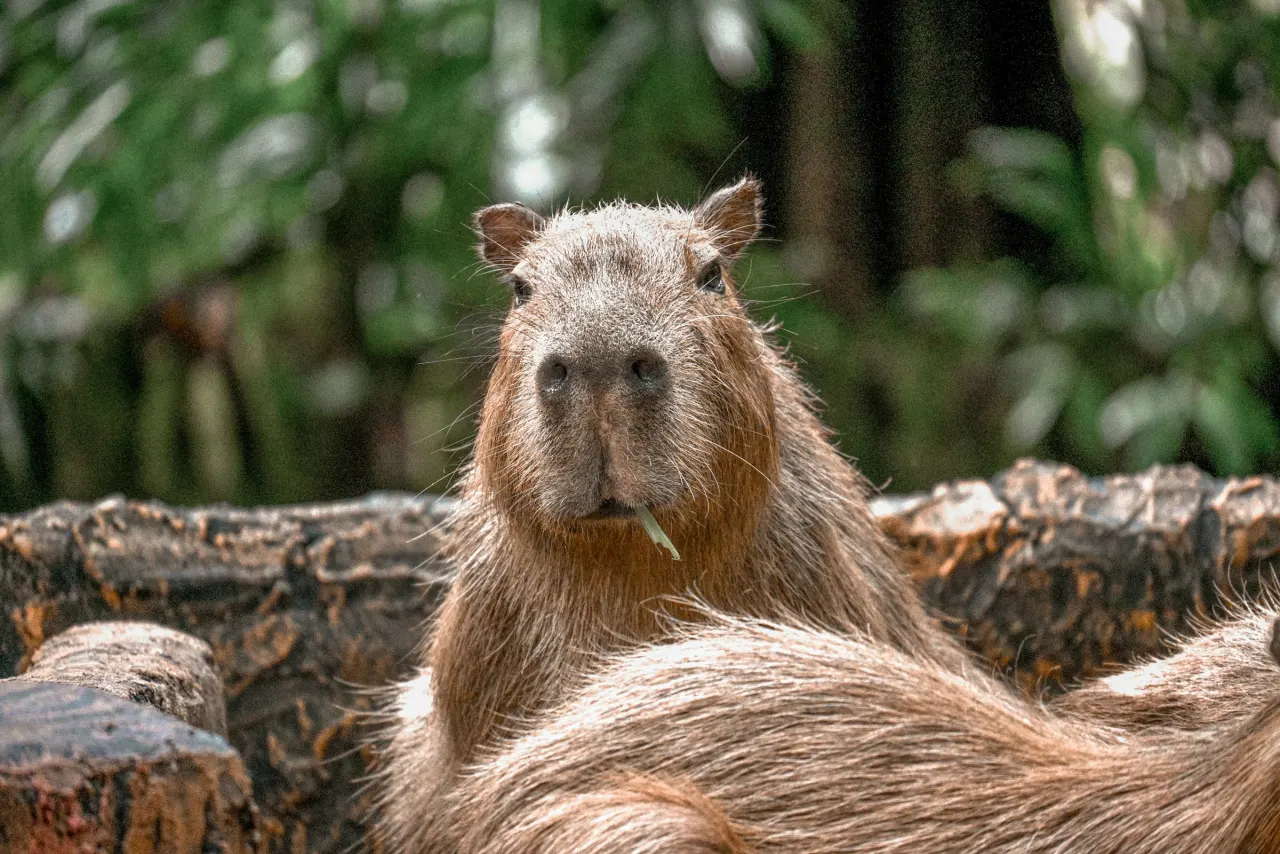
Mario and Miguel were born in California in January and are, at the time of writing, a few months old. They currently eat around a pound of food per day. That figure will change substantially as they age — a full-grown capybara, like the barn’s 2.5-year-old rescue Carlito, eats upwards of 10 pounds of vegetables, hay, and grasses daily.
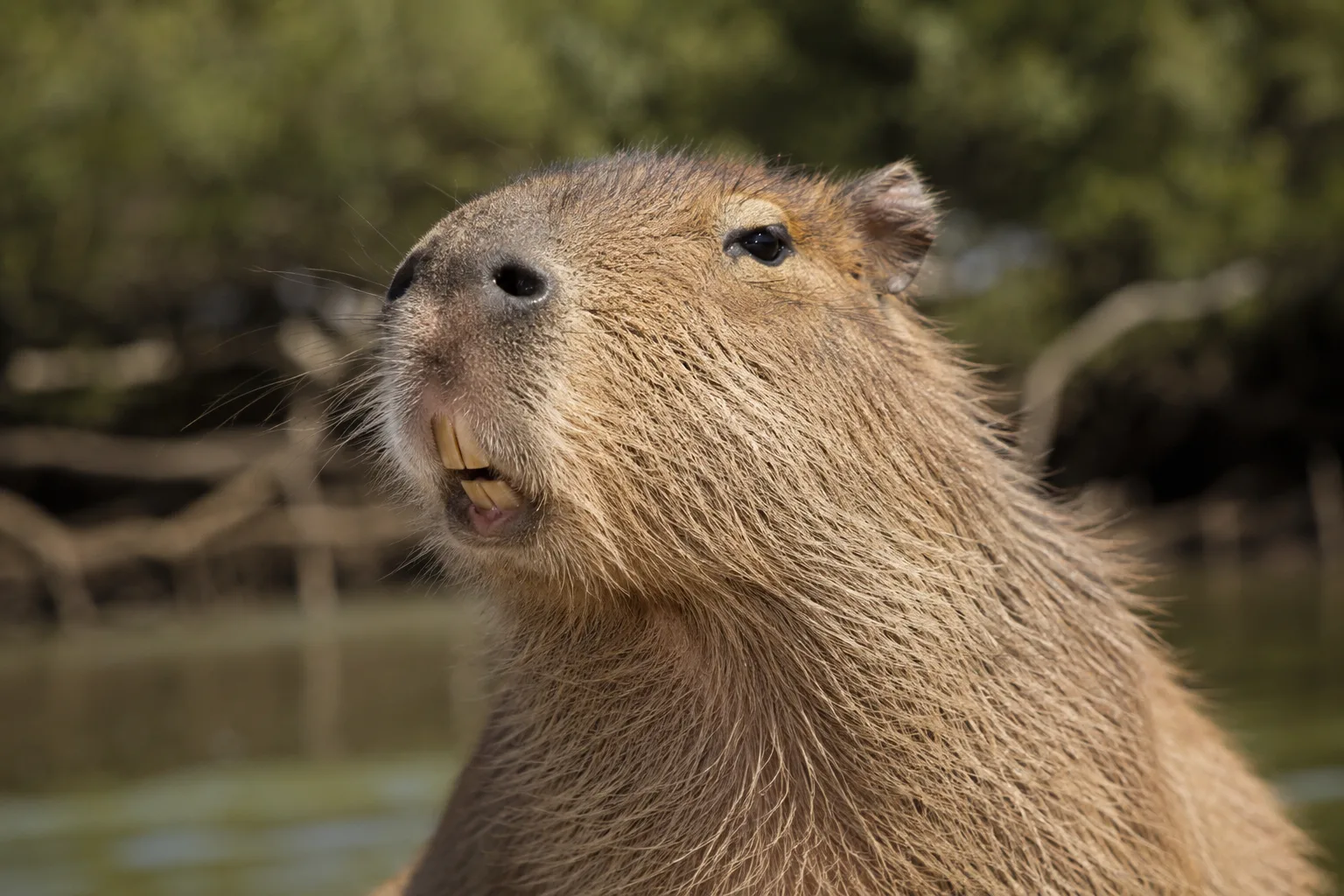
Capybaras are strict herbivores, and as Jace Harris, Ginger’s son and co-operator, explains to the Inlander, fruit is not a reliable part of their natural diet. Their native habitat in South America doesn’t offer much low-lying fruit, so their bodies don’t process sugars efficiently. The cafe’s decor reflects this reality: anything chewable is organic material, anything that can’t be chewed is metal. The potted bamboo plants, Ginger Harris notes, did not survive their first week.
The third capybara nobody gets to meet
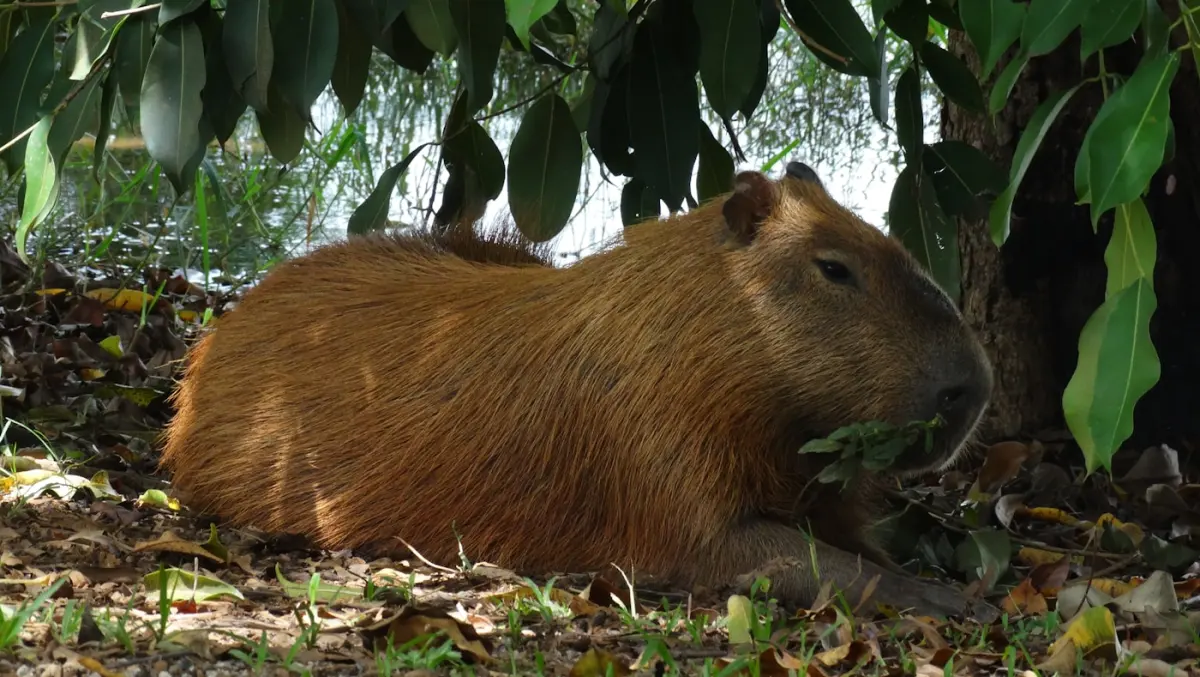
There is a third capybara at the property, and he has a more complicated story. Carlito was rescued from Tacoma roughly 18 months ago after his herd rejected him. He arrived wearing a dog collar and with stitches in his neck. He is kept separate from the other animals and does not participate in cafe sessions, though the Harrises describe him as fond of people and snacks.
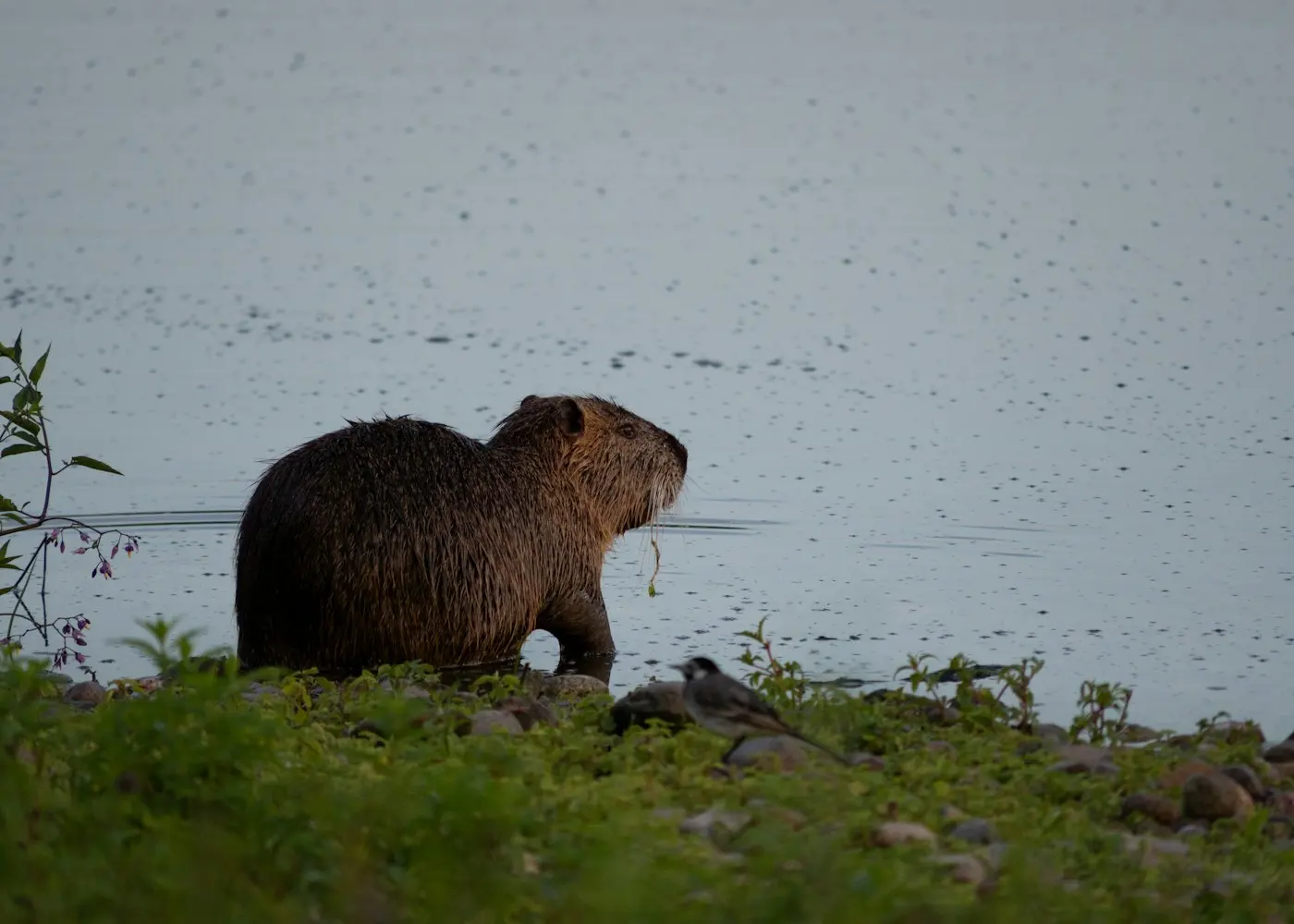
Carlito’s situation quietly illustrates something worth knowing: capybaras are the largest rodents on earth, capable of reaching 150 pounds, and they are intensely social animals that live in groups of 10 to 20 in the wild. Herd rejection is not a minor inconvenience for a capybara — it is a serious welfare problem. The fact that Carlito now has a stable home and regular human contact is a better outcome than most rescued exotic pets receive.
What a session actually looks like
Guests book a 30- or 45-minute slot, costing $49 or $59 per person, up to eight weeks in advance. Sessions are capped at 10 people. On arrival, visitors watch a three-minute rules video, then take their seats. The capybaras are not brought to guests — they roam freely and approach on their own terms, typically when lettuce is involved.
A common misconception about capybara cafes is that they function like petting zoos, where animals are presented for handling. That is not how Capy Hour operates. Jace Harris is explicit: the capybaras choose their own interactions, and nothing is guaranteed. Floor cushions are available for guests who want to be at capybara eye level, but the animals set the agenda. Complimentary drinks from a nearby coffee stand, Gourmet Bean Espresso and Deli, round out the experience. The Harris family also holds the necessary USDA permits and a special Idaho state zoo license, since capybaras are classified as deleterious to Idaho’s lands.
The Grumpy Capy take
The demand story here is genuinely striking. Forty-five voicemails and over 100 emails on a single morning, for a 10-person-cap experience in a mid-sized Idaho city, is not normal café traffic. The Harrises compare snagging a reservation to buying concert tickets, which is either great marketing or a real operational problem — probably both.
The welfare framing is the right one to lead with, and the family seems to mean it. Scheduled animal breaks, guest behavior rules, and a rescue history across most of the barn’s collection suggest this is not a cynical trend-chasing operation. Whether two young capybaras will remain content in a high-volume social cafe as they grow toward their full 100-plus-pound adult size is a question worth revisiting in about a year.
Worth noting: this article draws entirely from a single source. The Inlander’s reporting is detailed and includes direct quotes from both Harrises, but no independent veterinary or animal welfare commentary was available to cross-reference.