Who Marsh was
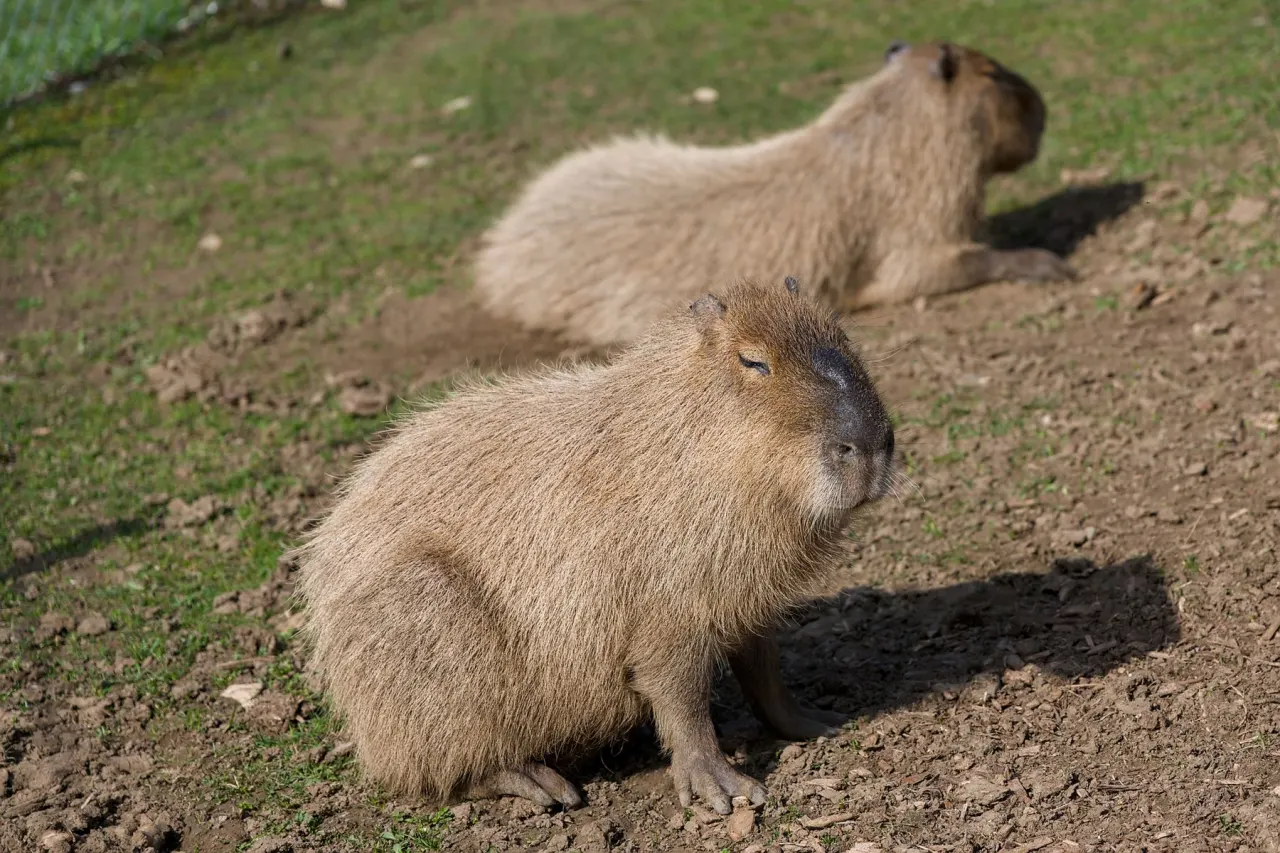
Marsh arrived at the Columbus Zoo and Aquarium in Powell, Ohio, in late 2019, just weeks after his birth at a private facility in October of that year. He came with two brothers, and the trio were installed in Jack Hanna’s Animal Encounters Village — the zoo’s up-close animal experience that lets visitors get nearer than the standard exhibit rail allows. According to NBC4 WCMH-TV, Marsh spent just over six years at the Columbus Zoo before his death.
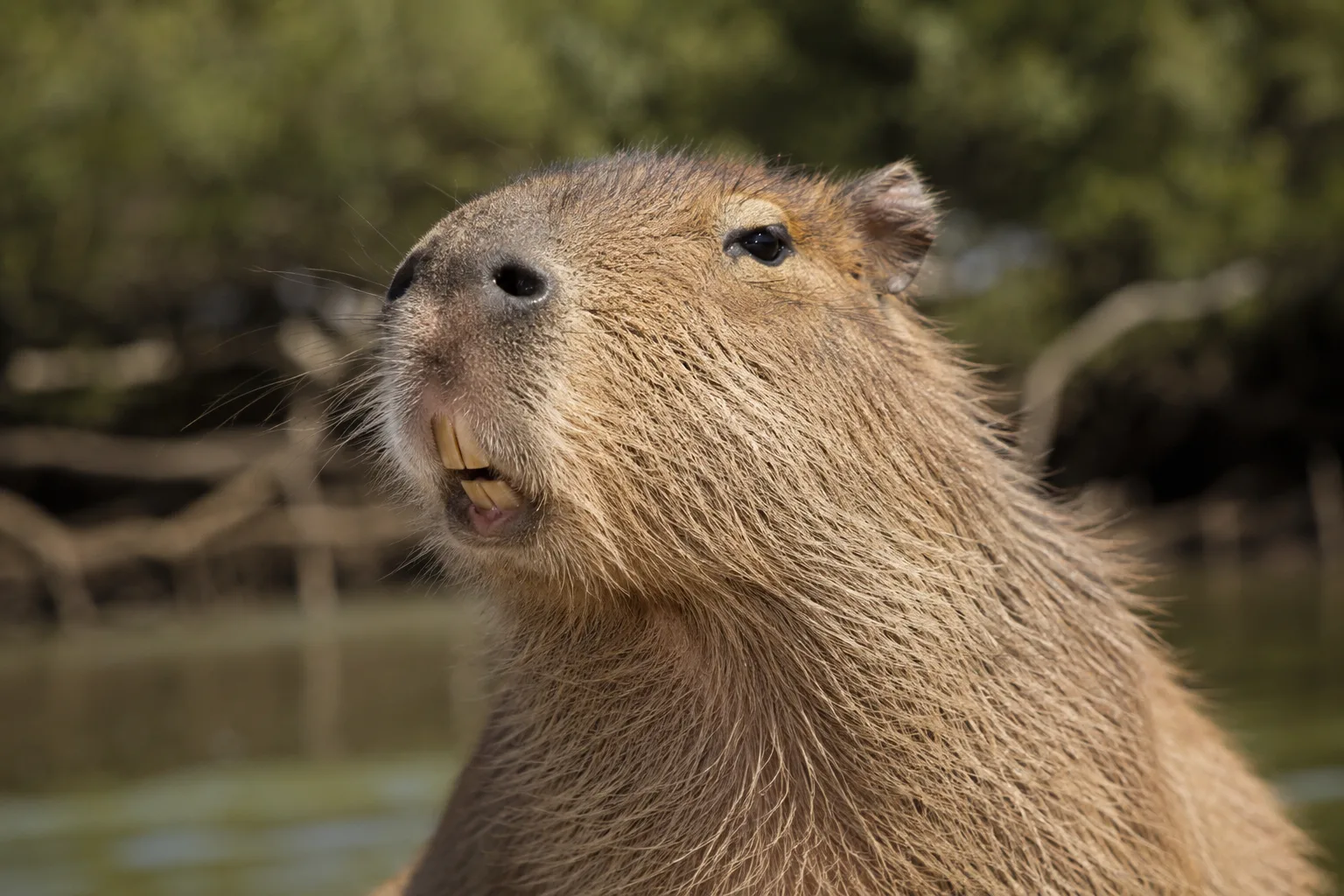
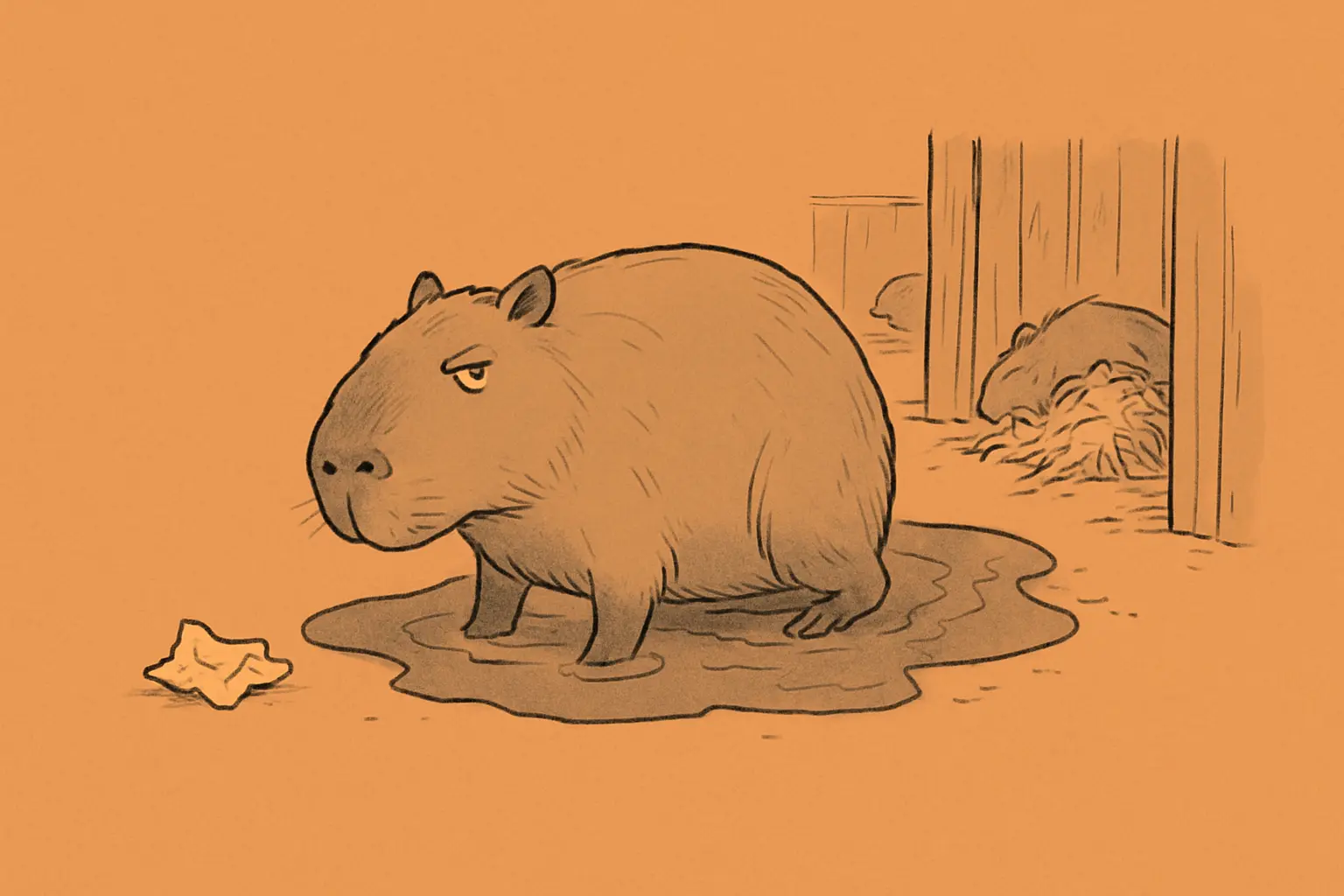
The zoo’s statement described a capybara who had settled comfortably into semi-celebrity status. Sunny days, grass lounging, mud wallowing, and — in a detail that stands out — eating the occasional piece of paper. That last habit is not especially unusual for capybaras, whose continuously growing teeth mean they are almost always chewing something, and “something” is not always what their keepers intended.
The medical picture
Zoo veterinarians discovered a mass in Marsh’s coelom — the body cavity that houses the internal organs. The decision was made to euthanise him on humane grounds. NBC4’s report does not specify what type of mass was found, how it was detected, or how long it had been present before discovery. That is a fairly standard level of disclosure for zoo animal deaths, and it is worth noting that the zoo’s public statement focused on Marsh’s personality rather than the clinical details.
No information was provided about whether treatment options were explored before euthanasia was chosen, or at what stage the mass was found. The zoo did not indicate Marsh had shown visible signs of illness prior to the discovery.
The bond with Delta
The most affecting detail in the zoo’s account is Marsh’s relationship with his brother Delta. As Delta’s eyesight declined, Marsh took on the role of sighted companion — staying close, presumably providing the kind of physical proximity and social cuing that capybaras rely on heavily in the wild.
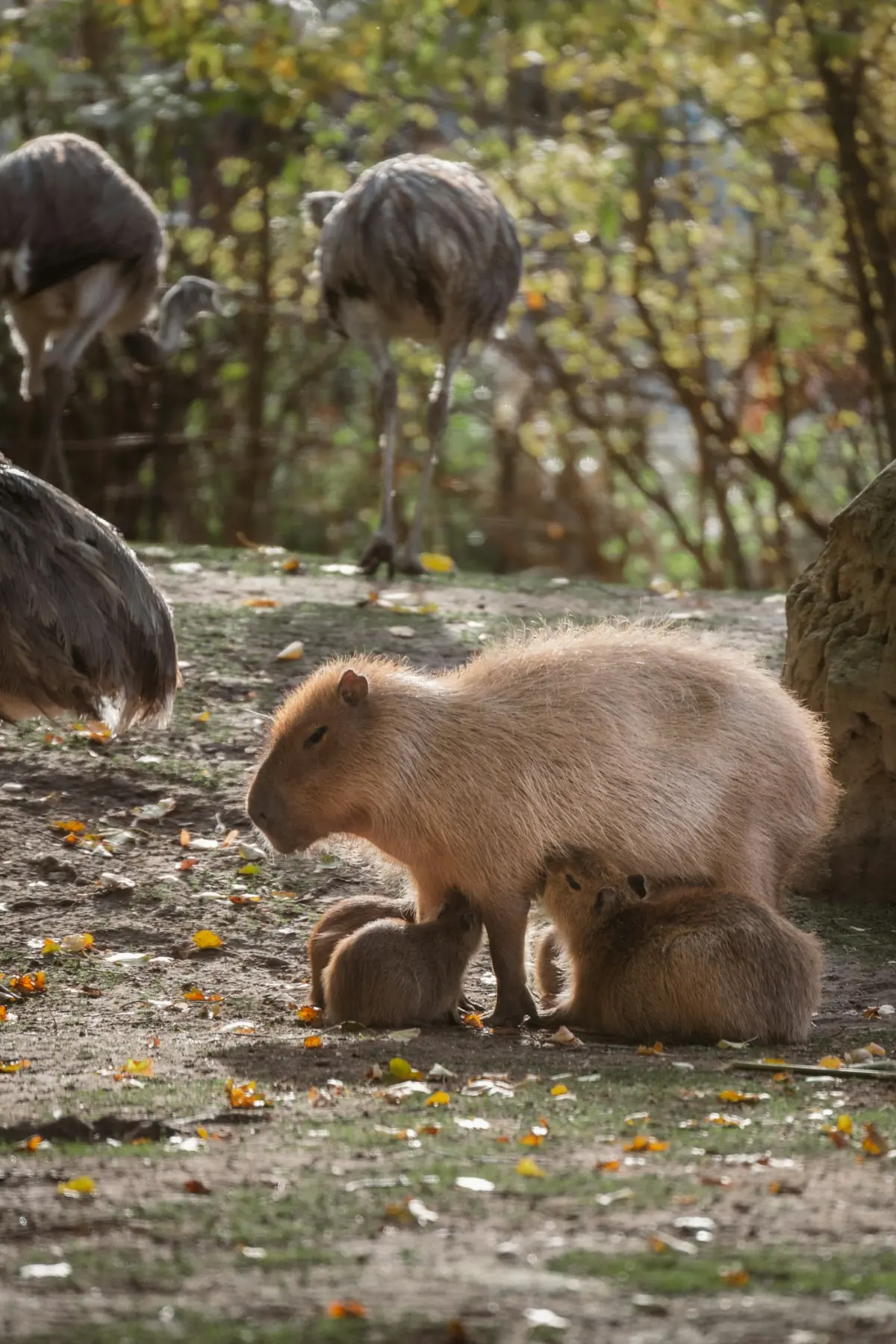
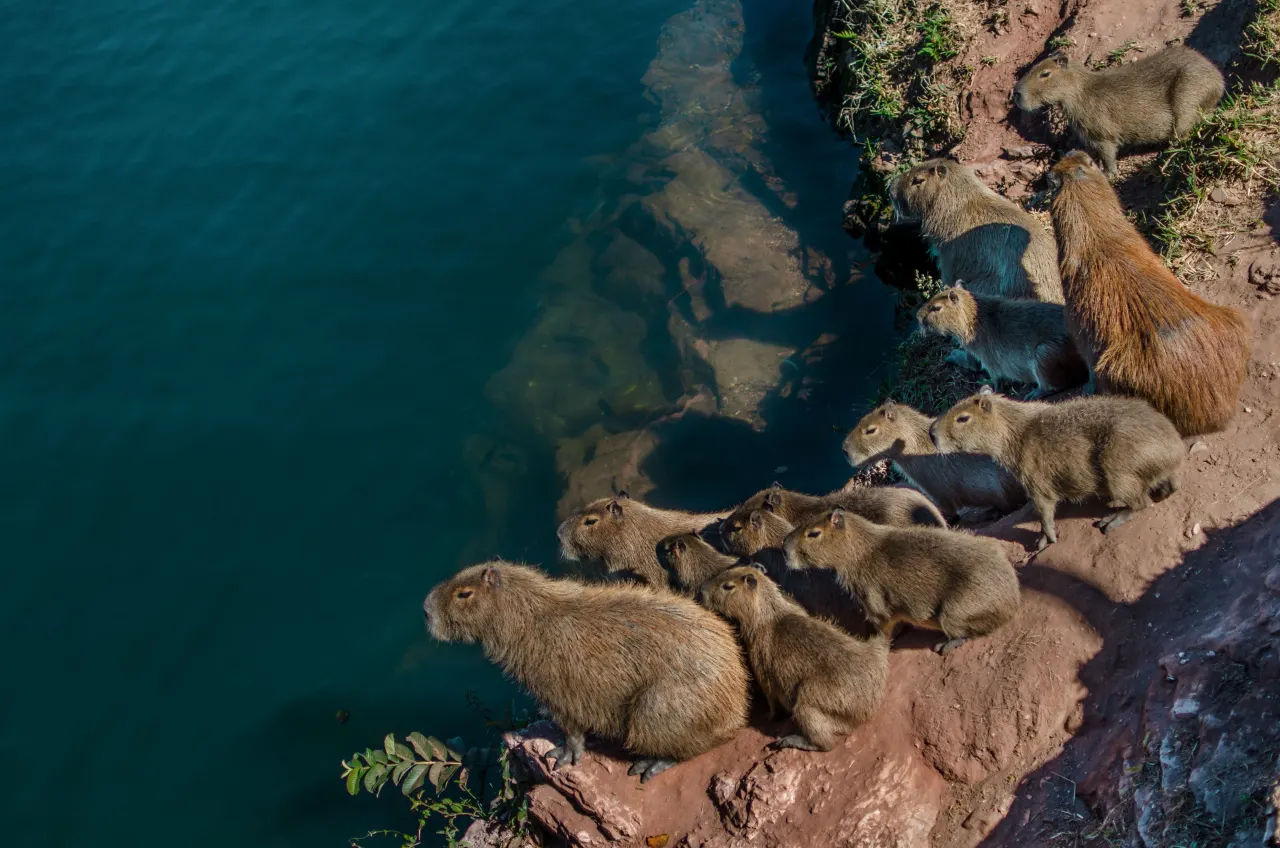
Capybaras are intensely social animals. In their native range across most of South America, they live in groups of ten to twenty individuals, and isolated capybaras show measurable stress responses. The bond between Marsh and Delta is consistent with what you would expect from a species that essentially does not function well alone. Delta also featured in the zoo’s summer “parade” experiences alongside Marsh, entertaining visitors during daily close-encounter sessions.
What remains at Columbus Zoo
The zoo was clear that capybara encounters are not ending. Visitors can still find capybaras in the Adventure Cove section of the Columbus Zoo, and Animal Encounters Village experiences — the ticketed close-up sessions — remain available for booking through 7 September. Whether Delta continues to participate in those sessions now that Marsh is gone was not addressed in the zoo’s statement.
A common misconception about capybaras is that they are exotic or unusual in zoo settings. They are not. Capybaras are among the most commonly kept large South American mammals in accredited zoos, partly because they are highly adaptable, calm around humans when socialised early, and — as Marsh’s six-year run demonstrates — reasonably hardy in climates far removed from the Amazon basin. The Columbus Zoo’s Adventure Cove has housed them for years.
The Grumpy Capy take
Marsh’s death is a straightforward and genuinely sad zoo animal story. The zoo’s tribute is warmer than most institutional press releases manage to be, and the detail about him guiding his visually impaired brother is the kind of specific, observed behaviour that makes these animals worth paying attention to.
That said, the medical disclosure here is thin. “A mass in the coelom” tells you very little, and the absence of any timeline — when it was found, how advanced it was, what the prognosis looked like — means the public is left with a eulogy but not much of an explanation. Zoos are not obligated to publish veterinary case notes, but the gap between “he loved sunny days” and “we euthanised him” is wider than it needs to be.
The paper-eating detail, for the record, is the most honest thing in the entire statement. Every capybara keeper knows that these animals will chew whatever is within reach. It is good that someone put it in the obituary.