The setup, explained without the PR spin
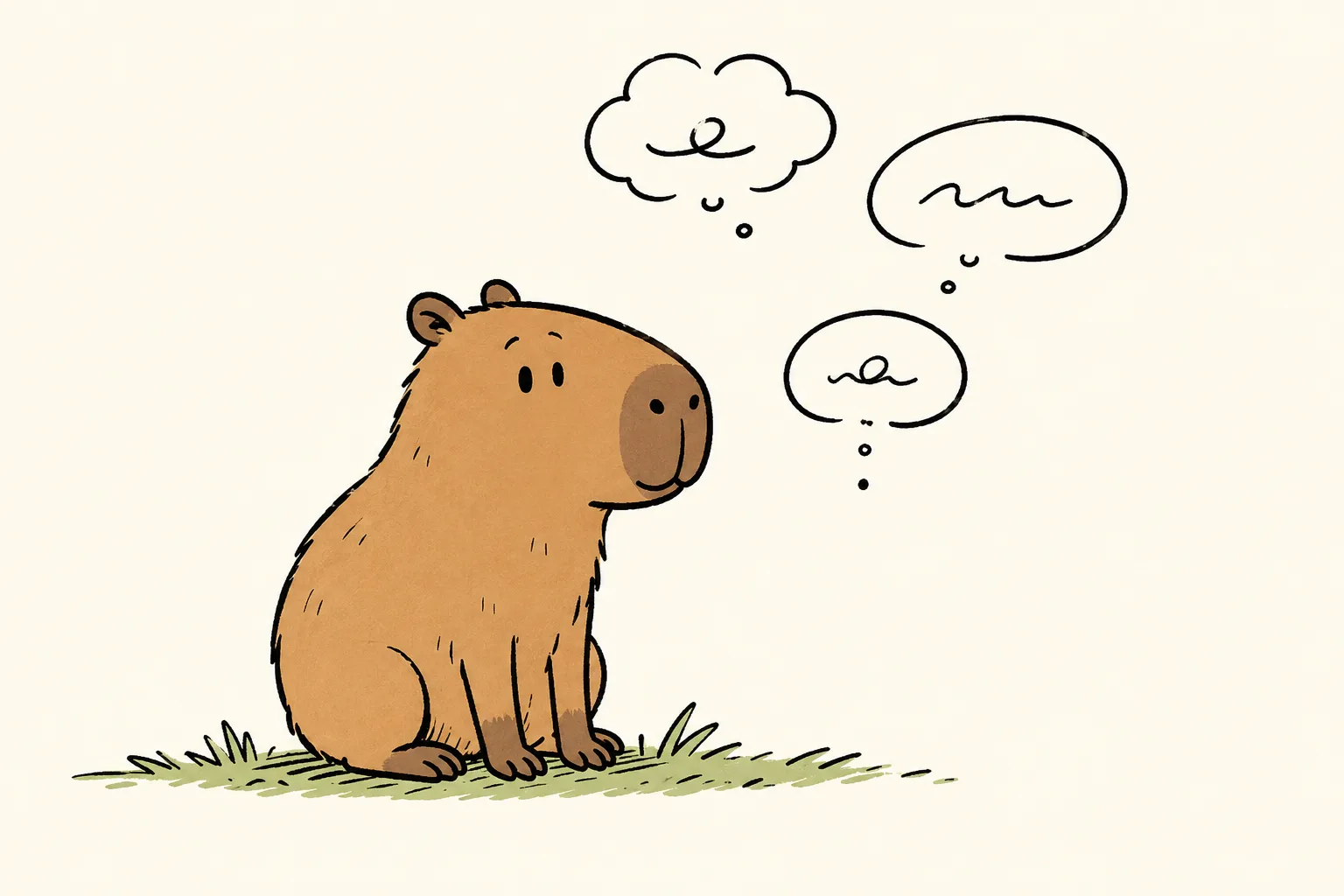
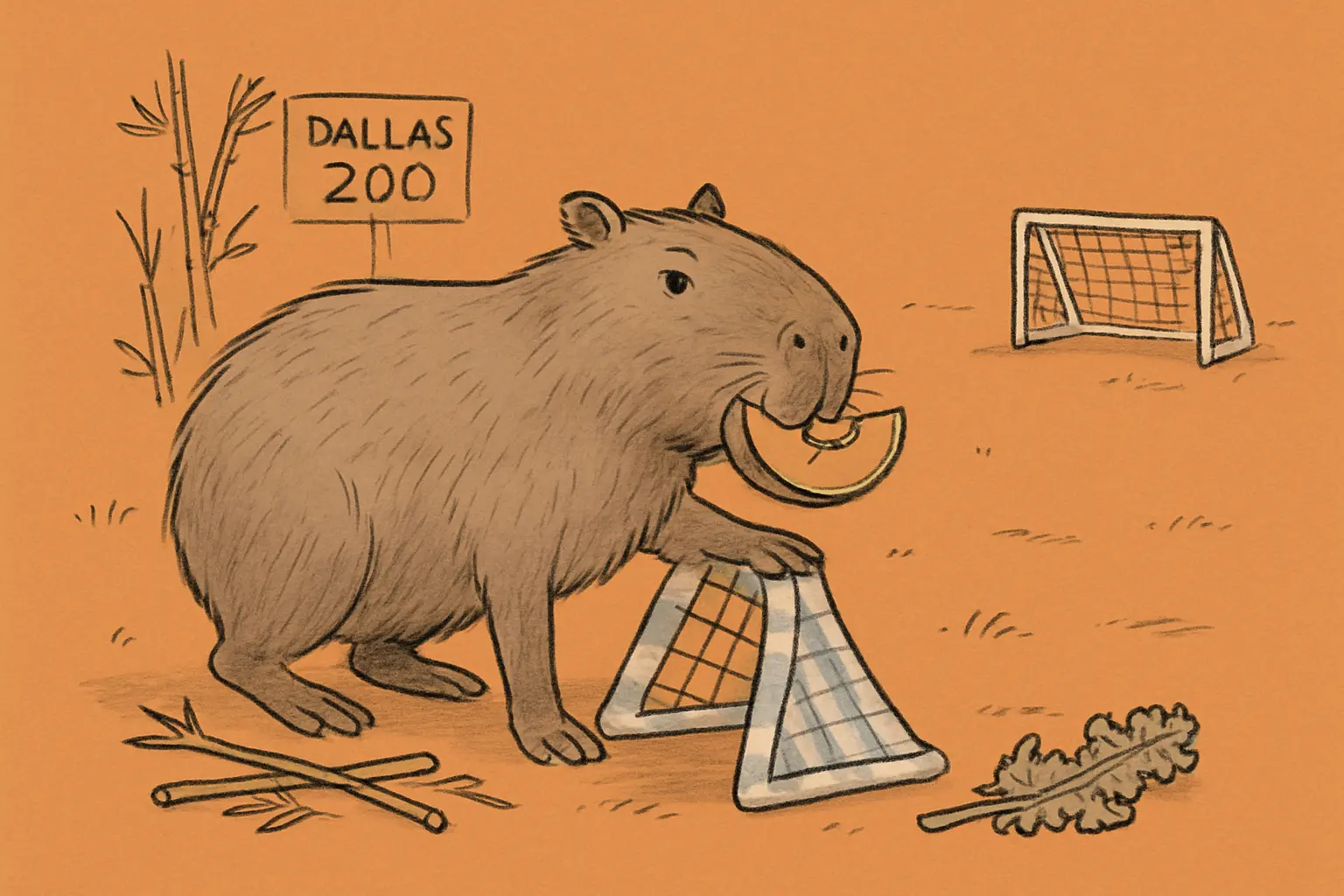
Dallas Zoo presented its three resident capybaras — Velero, Atziri, and Piquiri — with a choice: two small soccer goals, one dressed in Argentina’s colours, one in Austria’s, both loaded with treats. Kale. Bamboo. Cantaloupes carved into soccer-ball shapes. The animal that approached a goal first would, in the zoo’s framing, be casting a vote for that team to win Sunday’s World Cup match.
According to NBC 5 Dallas-Fort Worth, two of the three capybaras walked toward Austria’s goal, which the zoo interpreted as a collective prediction of an upset over Argentina. That is the clean part of the story.
What Piquiri — or whoever — actually did
The third capybara spent some time near Argentina’s goal before knocking the entire structure flat. The zoo described this outcome as “open to interpretation,” which is the kind of diplomatic language institutions use when an animal has technically broken the experiment.
To be clear: the goal was a prop. No capybaras were harmed, no actual World Cup outcome was affected, and the animal in question almost certainly wanted the cantaloupe inside rather than to make a statement about South American football. But the zoo filmed it, posted it, and here we are.
What capybaras are actually doing when they investigate objects
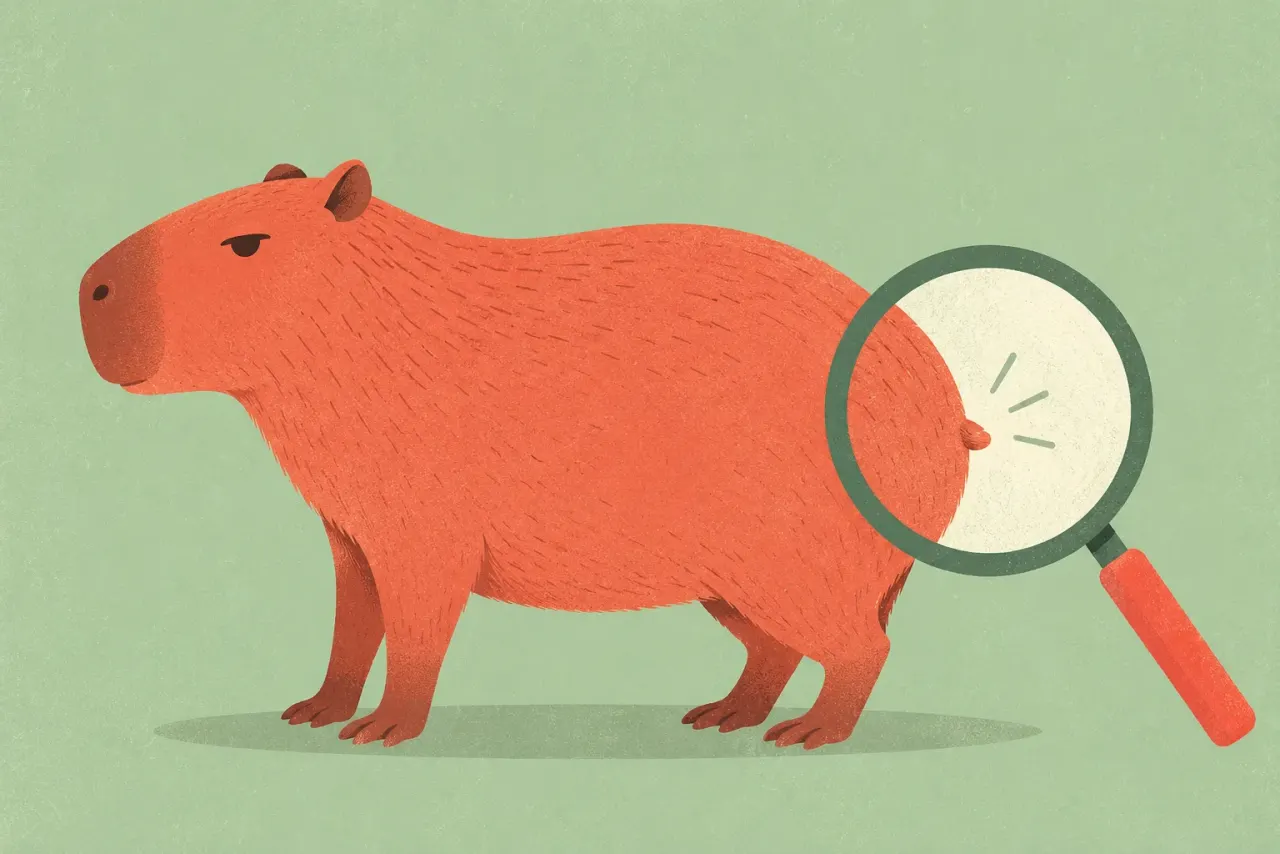
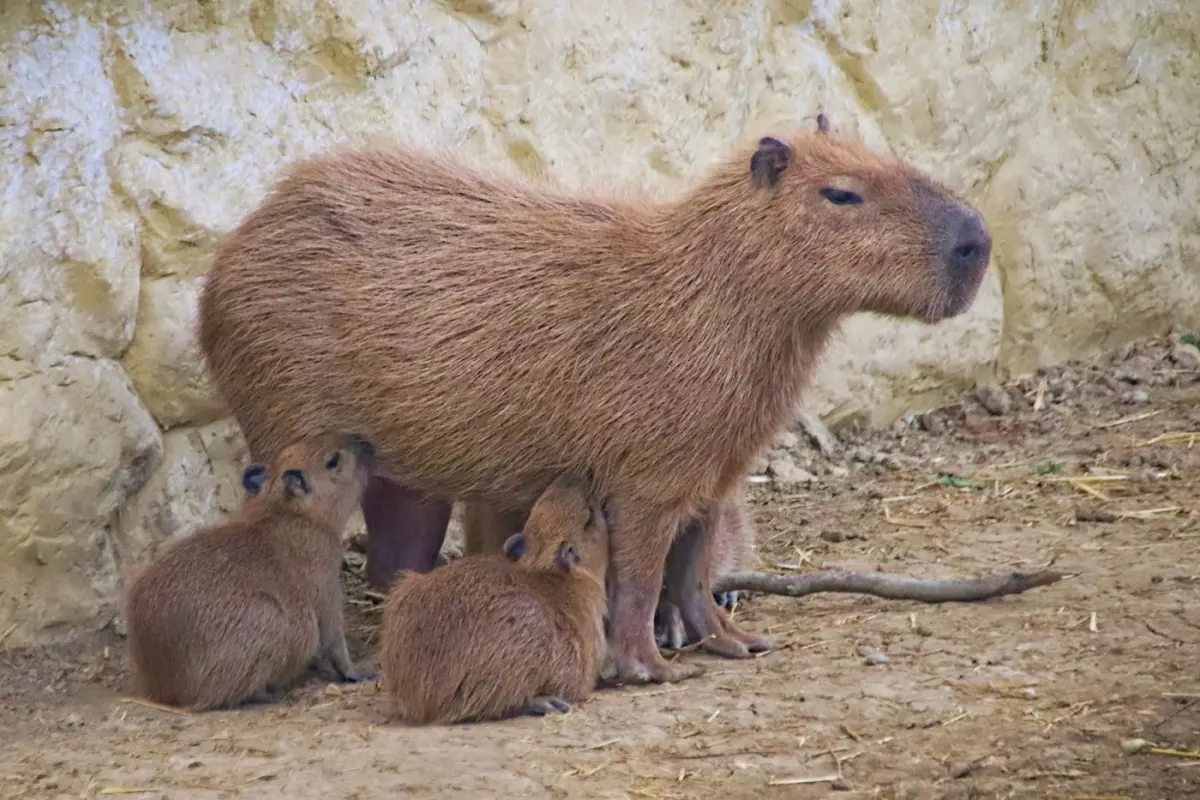
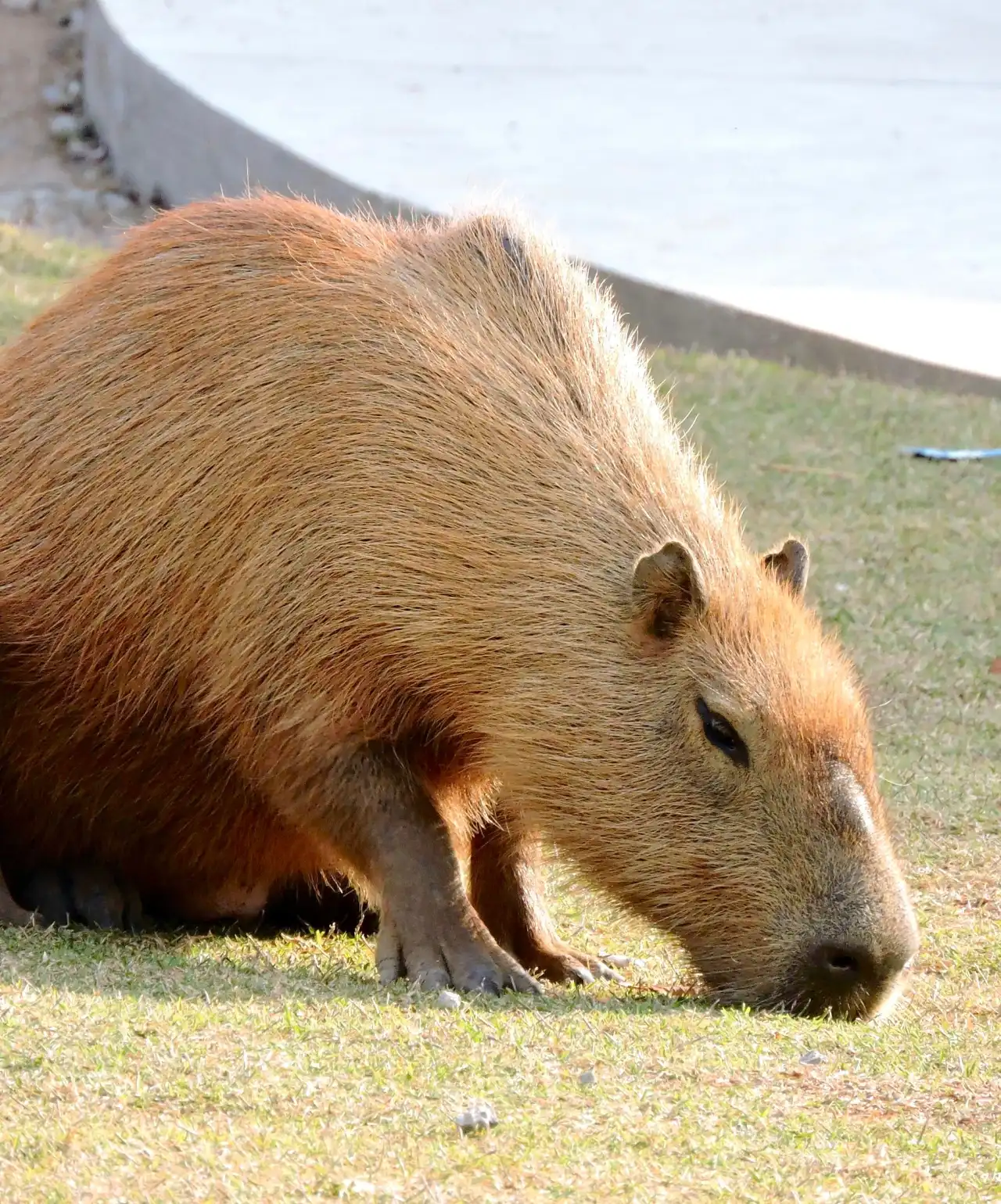
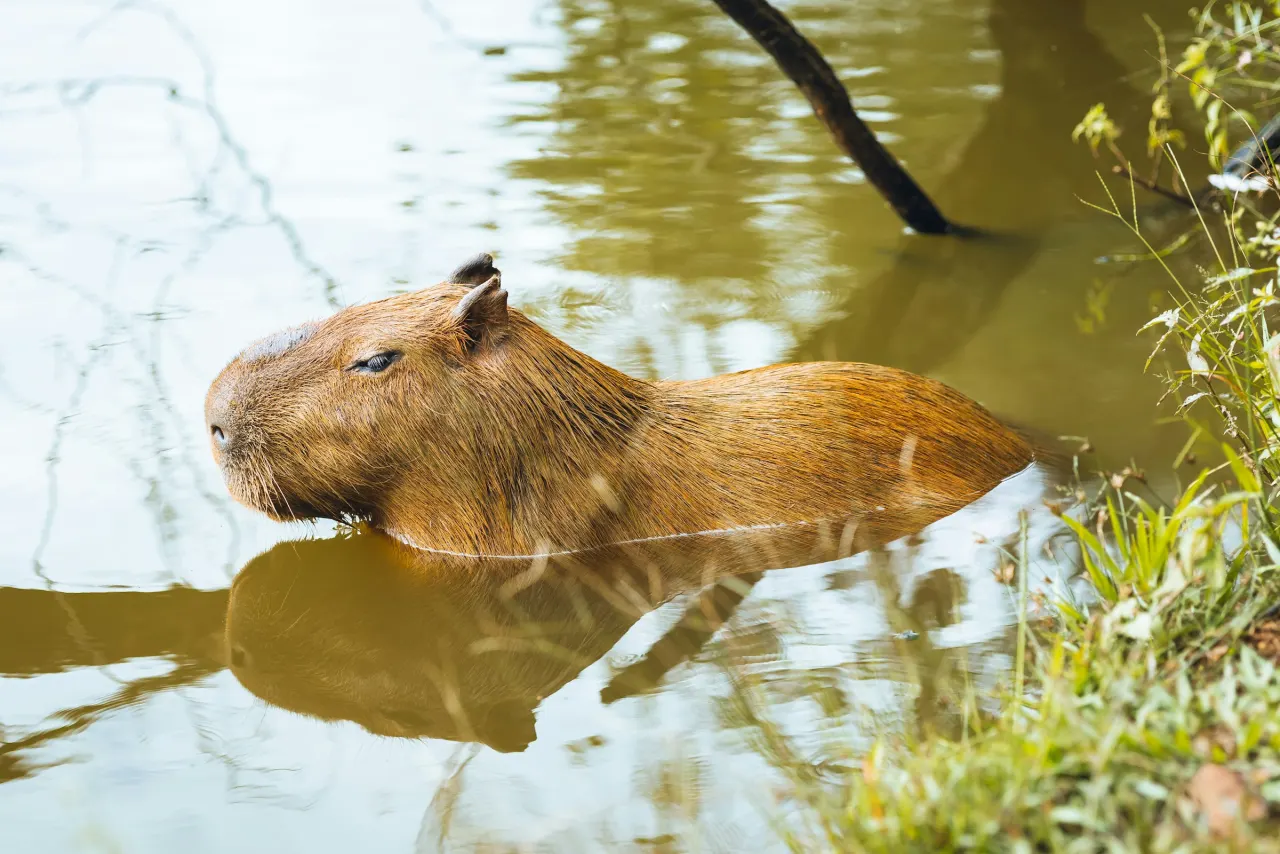
Capybaras are the largest rodents on earth, capable of reaching 65 kilograms, and they are not particularly dainty about the world around them. In the wild, they spend much of their time grazing along riverbanks in South America, and their relationship with physical objects is largely transactional: is this edible, and if not, is it in the way of something edible?
A common misconception, reinforced by the internet’s endless supply of capybara-in-a-hot-tub videos, is that capybaras are unusually docile or emotionally serene animals. They are social and generally non-aggressive, yes. But they are also 65-kilogram rodents with continuously growing teeth, and they will absolutely push over a decorated cardboard goal if it stands between them and a cantaloupe. That is not zen. That is hunger.
The Goal Wild! context nobody is really talking about
The prediction stunt is not a standalone event. As NBC 5’s report notes, it is part of the zoo’s broader Goal Wild! experience, which runs nightly through June as a component of the Illuminature lantern festival. The zoo is also hosting a Sunset Safari Block Party on Sunday evening at Halperin Park and East Dock, in partnership with Visit Dallas. Admission to Illuminature was discounted to $15 on Sunday — the lowest price the zoo says it has offered for the event.
None of that is especially surprising. Zoos run themed programming around major cultural events, and the 2026 World Cup, co-hosted by the United States, Mexico, and Canada, is a large cultural event. Attaching a capybara prediction video to that calendar is a sensible piece of content marketing. It is also, genuinely, funnier than most content marketing.
The Grumpy Capy take
The Austria prediction from Velero and Atziri is, statistically speaking, the more interesting outcome here. Austria reaching the knockout stages of a World Cup at all would be notable; Austria beating Argentina — a team that won the tournament in 2022 — would be a genuine upset. Two capybaras agreeing on that pick is either meaningful or a coincidence produced by which goal had more bamboo in it. The zoo has not clarified the treat distribution.
The goal-demolition moment is being framed as anarchic and hilarious, and it is both of those things. It is also a completely predictable outcome when you hand a large, food-motivated rodent a flimsy prop with snacks inside. The zoo’s “open to interpretation” line is doing a lot of work to make this seem mysterious rather than inevitable.
One transparency note: the NBC 5 source page included embedded promotional content for unrelated commercial products. That material was ignored entirely. The only information used here concerns the capybaras, the prediction format, the named animals, the treats involved, and the associated zoo programming.