Edinburgh Zoo produced a capybara pup on 8 May 2026, the first born in Scotland in roughly 18 years. Within a month he had gone viral for falling over, acquired a name via public ballot, and beaten three Scottish confections to get it. This is the whole run of it, in order, with the parts the press releases left out.
The birth: 8 May 2026
Bru was born to resident pair Luna and Rodney. He weighed somewhere between 1.5 and 2.5 kilograms — a one-kilogram range that is the zoo’s own figure, and either honest uncertainty or a very approximate weigh-in. Edinburgh Zoo chose to express this as roughly a six-pack of Irn-Bru, which tells you everything about the intended audience and, in hindsight, foreshadowed the name.
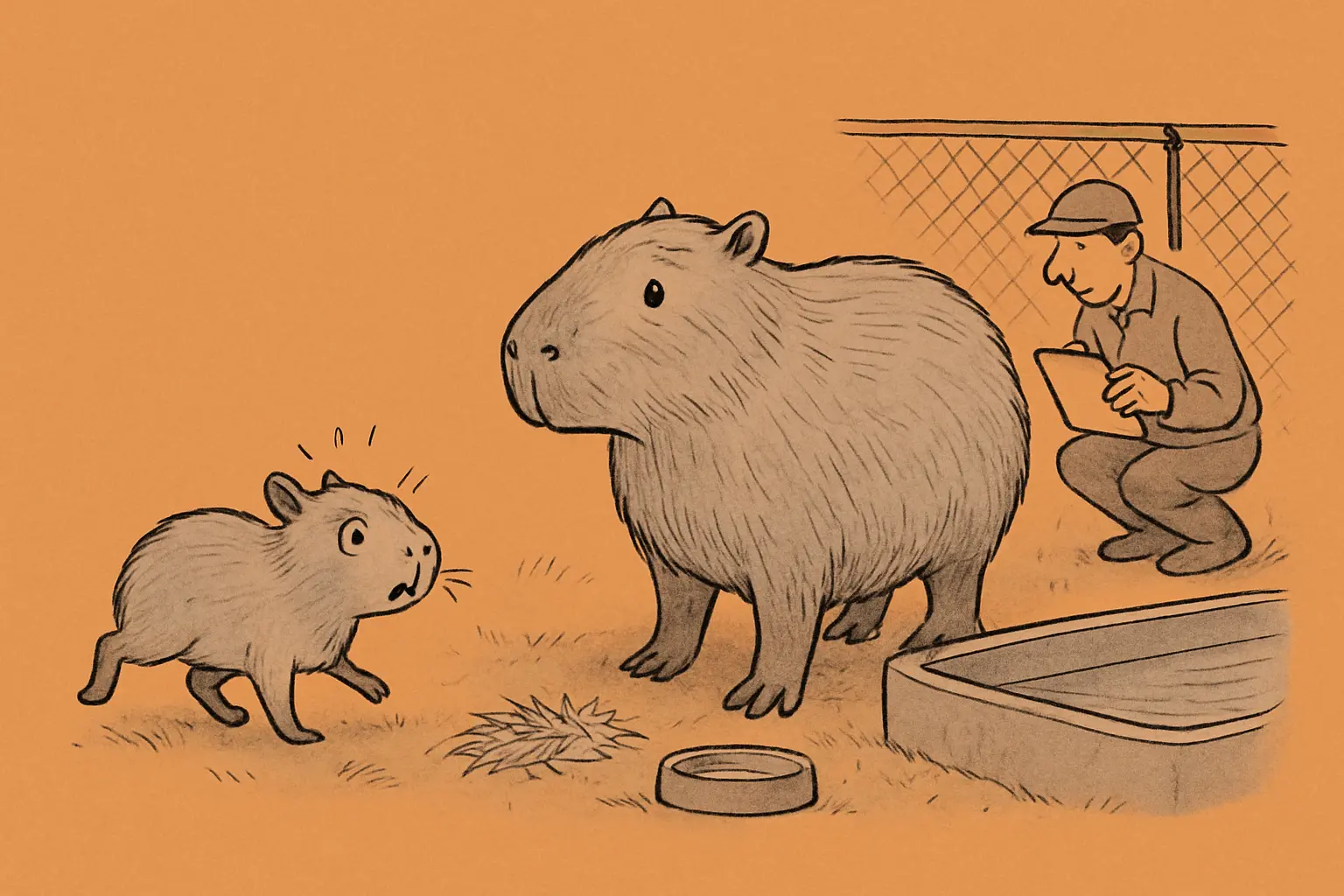
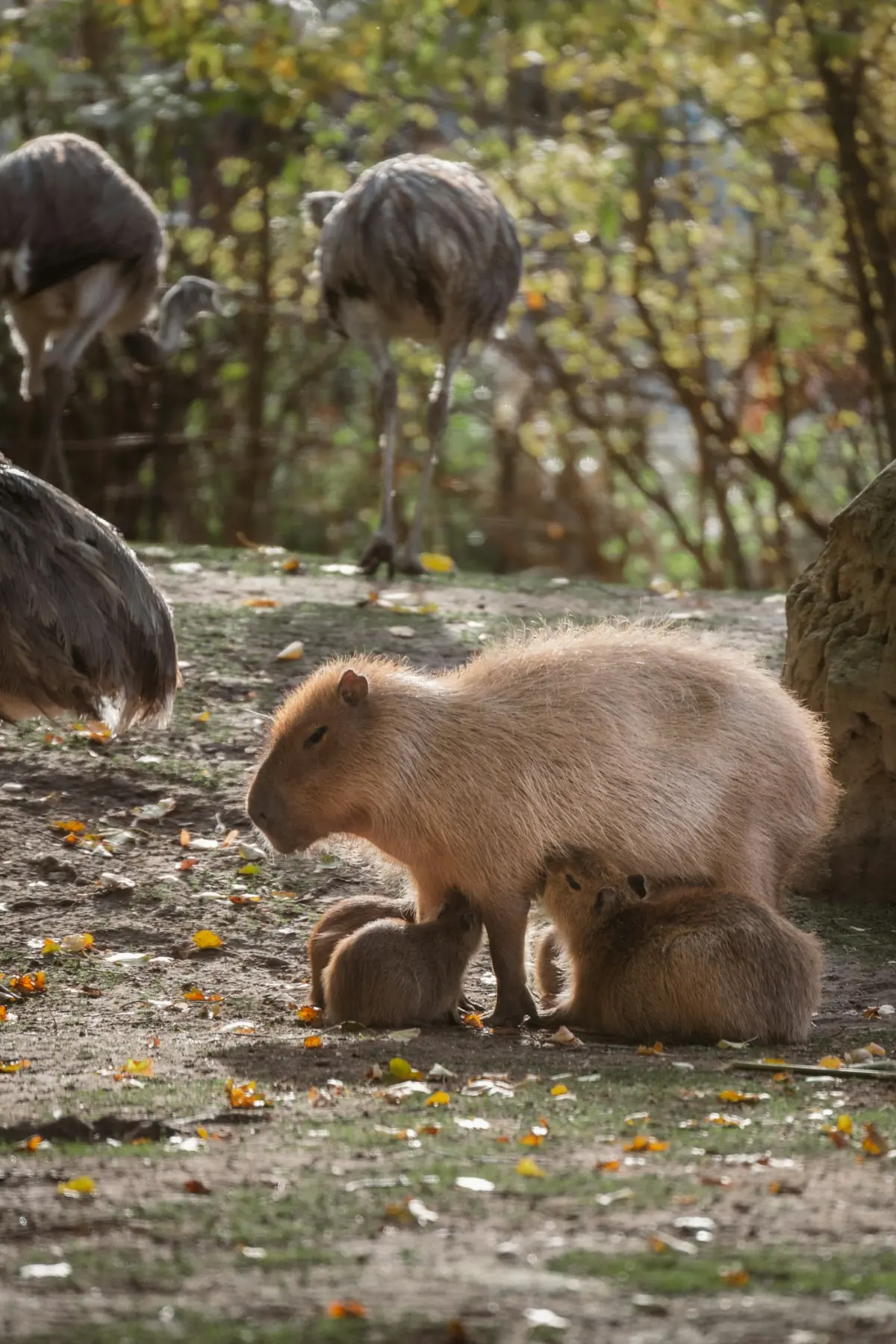
Sex was not established at birth. Keepers waited for the pup’s first veterinary health check to determine it, and confirmed him male at the end of May. Animal keeper Jonny Appleyard described him as staying close to his mother and “slowly starting to get braver” as he began exploring the enclosure — which is exactly what a capybara pup does, and not, despite the framing in some coverage, a sign of fragility.
The naming vote
On 30 May the Royal Zoological Society of Scotland — the conservation charity that runs both Edinburgh Zoo and Highland Wildlife Park — opened a public vote on four names:
- Bru — Irn-Bru, the luminously orange soft drink with a cultural standing in Scotland somewhere between a beverage and a minor deity.
- Tunnock — the bakery behind the caramel wafer and the teacake.
- Toddy — the hot whisky drink.
- Tablet — dense, tooth-achingly sweet Scottish fudge made with condensed milk and butter.
All four are food or drink. None has anything to do with capybaras. That is standard for zoo naming votes, which optimise for local engagement rather than zoological relevance.
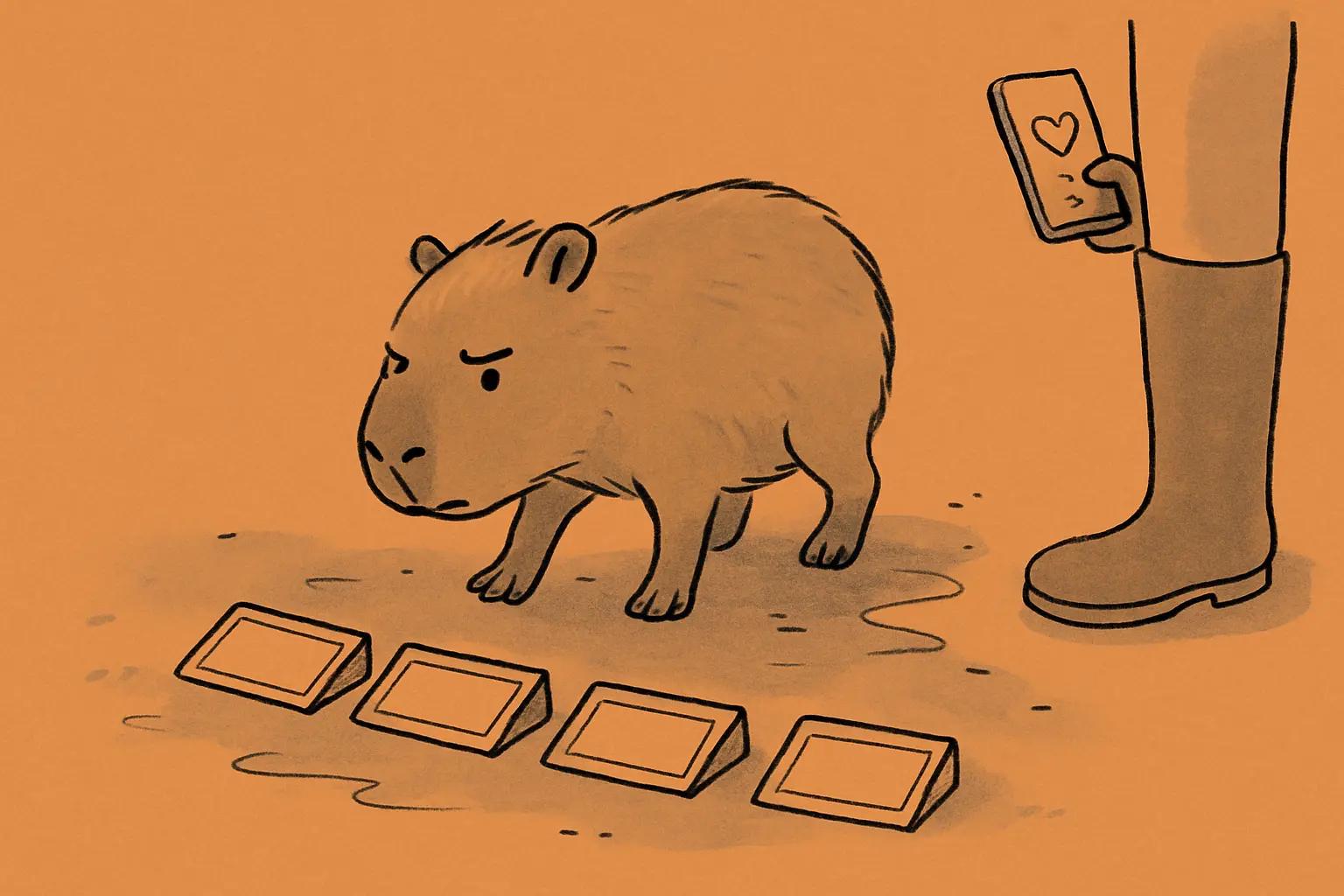
Voting ran on the zoo’s Facebook and Instagram accounts and closed on the evening of 3 June 2026. Bru was announced the winner on 4 June, and picked up by STV News, The Herald and the rest of the Scottish press over the days that followed.
The name that should have won
Before the official shortlist existed, the comment sections had already settled on David Attenbara.
It is a portmanteau tribute to Sir David Attenborough, who shares Bru’s birthday of 8 May and who turned 100 in 2026. It is specific, it is affectionate, it is funny, and it never made the ballot. Zoos are generally not in the business of naming animals after living centenarians, however beloved, so the outcome was never really in doubt — but it was a better name and everyone involved knows it.
Bru’s family group
Bru shares his habitat with Luna, Rodney, and an adult female called Cali, described by the zoo as his aunt.
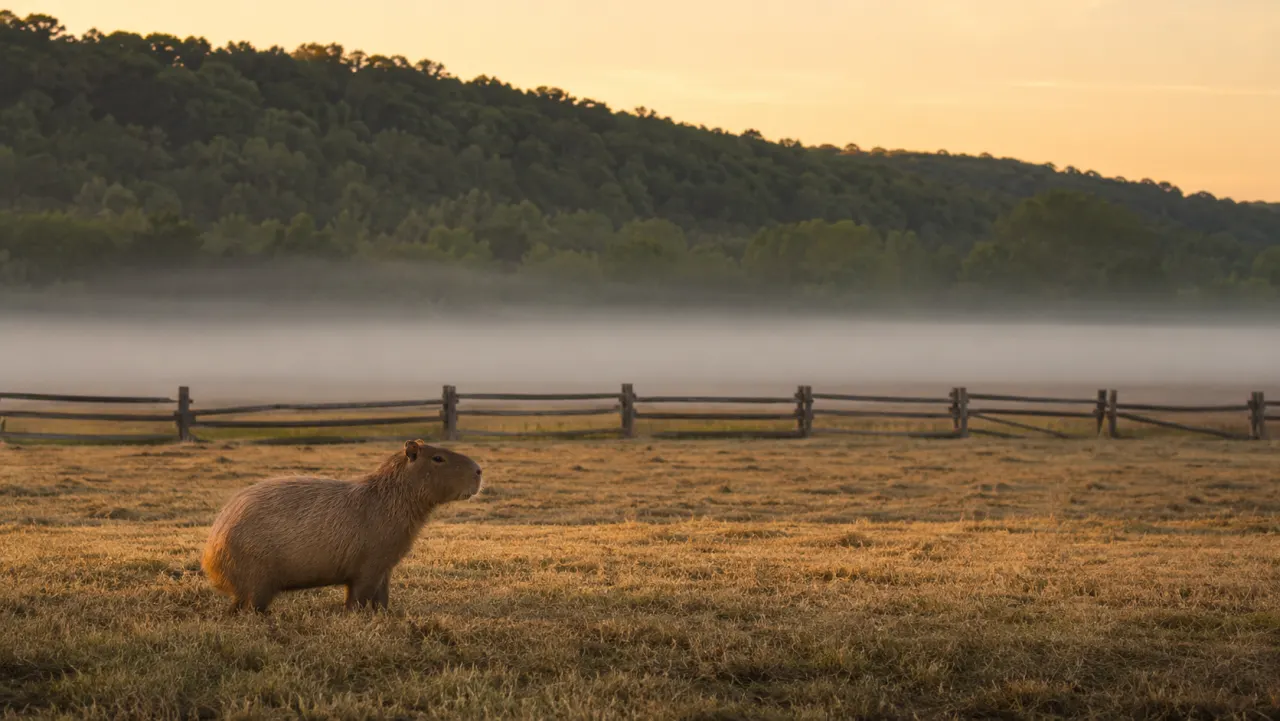
That structure is closer to how capybaras actually live than most zoo groupings manage. Across their native range — Venezuela and Colombia down through Brazil into northern Argentina — capybaras form stable groups of ten to twenty with overlapping family relationships, and non-breeding adults routinely help raise offspring. Wild capybara mothers nurse communally: any lactating female in a group will feed any pup, not only her own. A four-animal Edinburgh group is a compressed version of that, but it is the right shape.
Bru also arrived during a run of births the zoo has framed as a baby boom: Scotland’s first zoo-born sloth, a giant anteater pup, and several penguin chicks. The sloth is genuinely the unusual one — sloth reproduction in captivity is notoriously unreliable. The capybara was the crowd-pleaser.
What an 18-year gap actually means
Every outlet led with “first in 18 years,” and none of them asked the obvious follow-up: why?
The honest answer is probably undramatic. Capybaras are not difficult to breed. They are social, adaptable, listed as Least Concern on the IUCN Red List, and reproduce readily when the group composition suits them. An 18-year gap at a single institution most likely reflects ordinary zoo demographics — animals age out, groups shrink, a breeding pair is not always in place at the same time.
What it is not is evidence that capybaras are rare or exotic or hard to keep. They have been in European zoological collections since at least the mid-twentieth century. The viral reputation is new. The animal is not.
What a capybara pup actually is
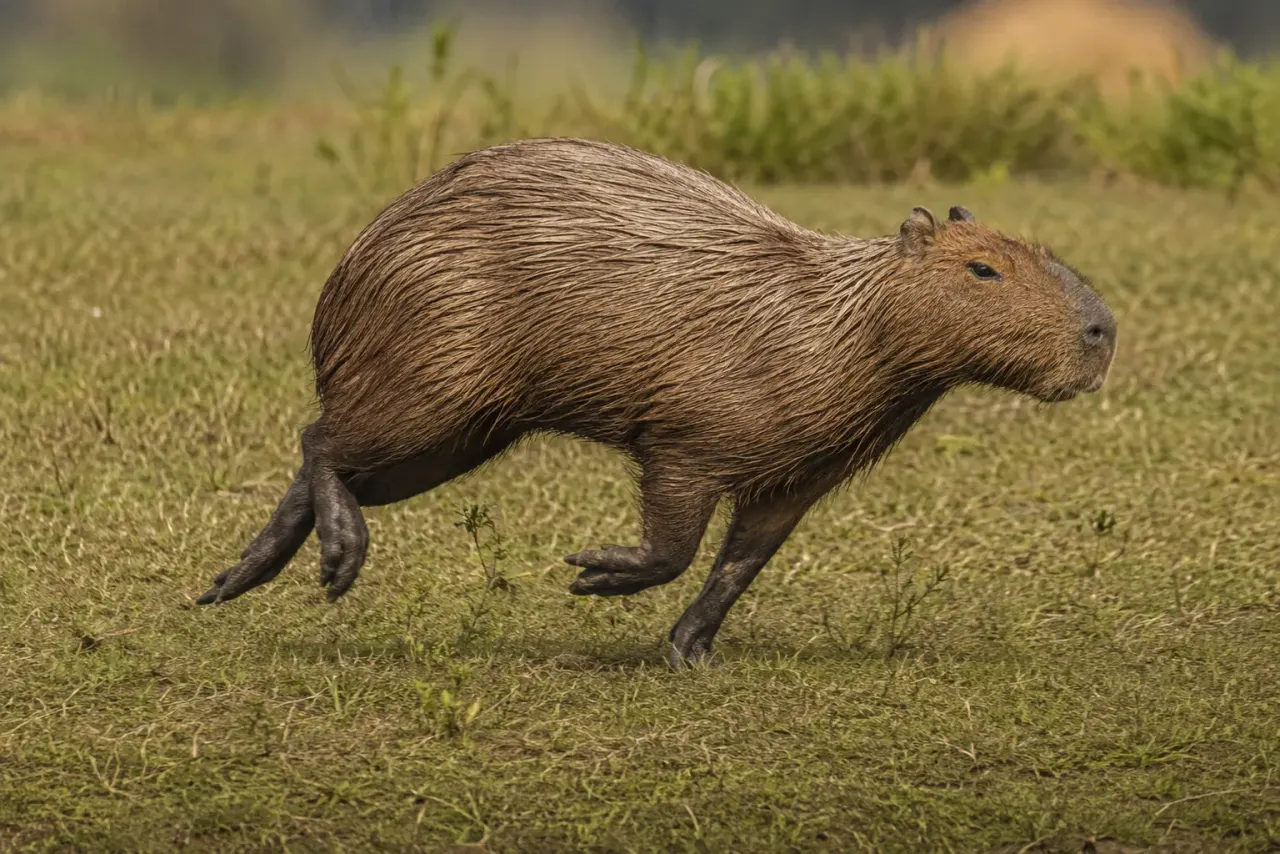
The coverage consistently framed Bru as a helpless newborn wobbling about. He was not.
Capybara pups are precocial: born with their eyes open, mobile almost immediately, and — the part that surprises people — born with their cheek teeth already formed. They can take solid food from within their first days, grazing alongside the adults while still nursing for several months. It is one of the more efficient starts to life in the rodent world.
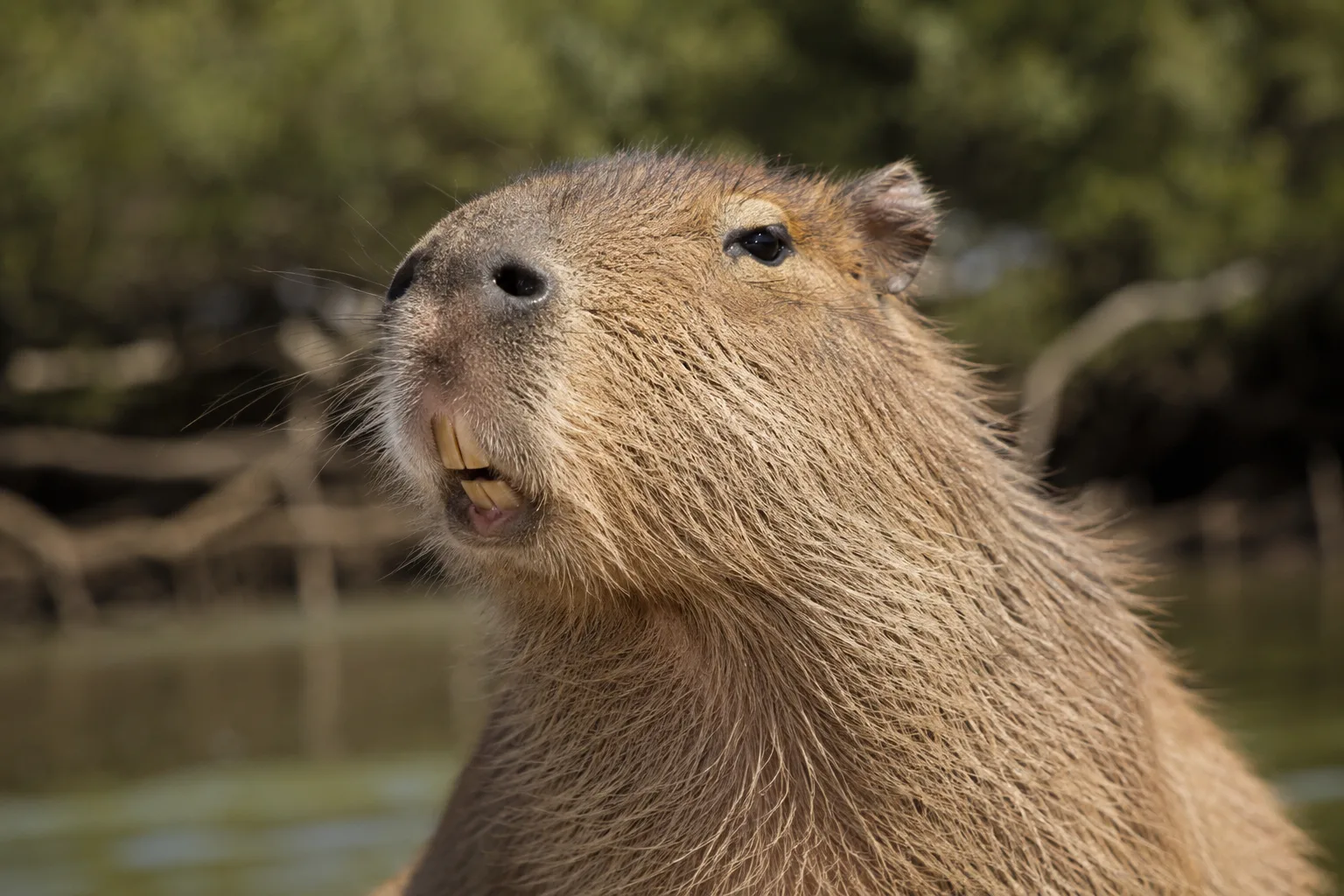
Those teeth also never stop growing. Capybara incisors and cheek teeth grow continuously through life, worn down by the fibrous grasses and aquatic plants that make up nearly all of their diet. It is a system that only works if the animal grazes constantly, which is why a capybara appears to be eating every time you look at one.
Appleyard advised visitors to come soon if they wanted to see the pup “at their cutest stage.” That is sound advice rather than promotion. Capybaras reach sexual maturity at around 18 months and look essentially adult well before that. Bru will end up around 65 kilograms, roughly Labrador-sized but considerably more barrel-shaped.
What the zoo never disclosed
Worth being straight about the gaps, because there are more than the coverage suggests:
- No exact birth weight was published, only the 1.5–2.5 kg range.
- No health status detail beyond “doing well” was released in the early weeks.
- No explanation of the 18-year gap — whether the zoo acquired new animals, adjusted the group, or simply got lucky with an established pair. Nobody asked.
- The announcement date is inconsistent across sources. The zoo’s own schedule put the result on 4 June, which matches the Scottish press. A syndicated PetHelpful piece dates the announcement to around 12 June, roughly five weeks after the birth. This page follows the zoo’s own timing; the later date appears to be syndication lag rather than a second announcement.
- Most of the coverage is one press release. The Scottish outlets, People, Edinburgh Evening News and the Yahoo and AOL mirrors are all working from RZSS material with minimal independent reporting. The only detail that came from outside it was the David Attenbara story.
The Grumpy Capy take
A public naming vote is a social media engagement exercise wearing the costume of community participation. That is not a complaint — the zoo needs an audience, the audience enjoys voting on things, and the pup needed a name regardless. Edinburgh Zoo ran it cleanly and offered a shortlist with actual regional character instead of defaulting to something generic. Bru is short, local, pronounceable, and will look fine on an enclosure sign in 2036.
The story underneath it is quieter and more interesting. A major European zoo went 18 years without a capybara birth, and the institutional response to breaking that run was a poll and a TikTok. Somewhere in the RZSS collection plan there is a real answer about why the group finally worked, and it is a better story than four snacks in a bracket.
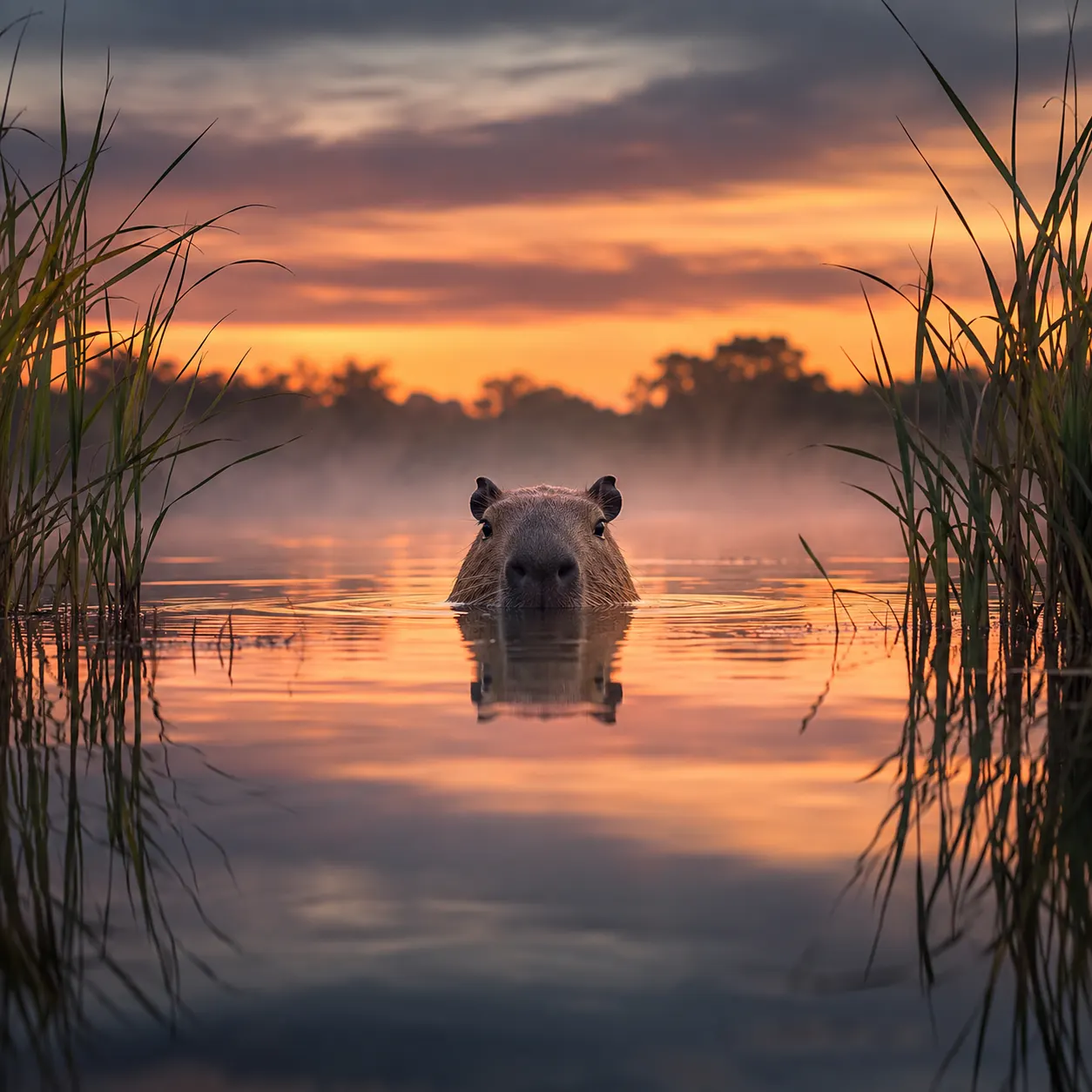
Bru is going to become a 65-kilogram semi-aquatic rodent with teeth that never stop growing and the ability to sit on a pond floor for five minutes at a time. That animal deserves a write-up too.