There is no state-level capybara ban in Iowa, and the reason is drafting rather than policy. Iowa’s dangerous wild animal law, Iowa Code Chapter 717F, runs off a closed list of taxa written into section 717F.1. The list covers wolves, hyenas, big cats, bears, rhinos, elephants, primates, crocodilians, venomous snakes and large constrictors, plus wild boar. Not one rodent appears anywhere in it.
So the chapter people assume settles this question never touches the animal. What settles it instead is the paperwork that gets a capybara across the state line, and the code that governs your specific address.
No statewide ban — Chapter 717F does not reach rodents
Section 717F.1 defines a dangerous wild animal by naming nine taxa plus Sus scrofa. The order Rodentia is absent, so the prohibitions in 717F.3 and the registration scheme in 717F.8 do not apply to a capybara.
That is a clean answer to one question. It is not permission, and it does not touch import paperwork or your city code.
Why Iowa’s Dangerous Wild Animal Law Never Names a Rodent
Chapter 717F was written to be read like an inventory. Section 717F.1 does not define danger, or size, or wildness. It names taxa, one at a time, and everything it does not name falls outside the chapter entirely.
| Taxon named in 717F.1 | What the statute lists under it |
|---|---|
| Family canidae, order carnivora | Wolves, coyotes, jackals, explicitly not domestic dogs |
| Family hyaenidae | Hyenas |
| Family felidae | Lions, tigers, cougars, leopards, cheetahs, ocelots, servals, explicitly not domestic cats |
| Family ursidae | Bears and pandas |
| Family rhinocerotidae | Rhinoceros |
| Order proboscidea | Any species of elephant |
| Order primates, other than humans | Marmosets, tamarins, monkeys, lemurs, galagos, great apes, gibbons, indris, sifakas, tarsiers |
| Order crocodilia | Alligators, caimans, crocodiles, gharials |
| Order squamata | Water and crocodile monitors, gila monsters, beaded lizards, venomous snakes, reticulated pythons, anacondas, African rock pythons |
| Species Sus scrofa | Swine known as Russian or European boar |
Read that last row again, because it is the tell. The only entry in the whole definition that is neither a carnivore, a primate nor a reptile is a pig. Iowa added wild boar because feral hogs wreck row crops, which tells you what the drafters were actually worried about in 2007. A large South American grazing rodent was not on the whiteboard.
The fee schedule in 717F.8 makes the same point in money. Original registration fees are set taxon by taxon: five hundred dollars for an elephant, five hundred for a rhino, three hundred for a bear, three hundred for a lion, tiger or leopard, two hundred for a bobcat or cheetah, one hundred for a serval or ocelot. There is no rodent line. Not a cheap one, not an expensive one. The chapter never contemplated the category.
Because the definition is closed, the consequences are closed with it. Section 717F.3 prohibits owning or possessing a dangerous wild animal, allowing one to breed, and transporting one into the state. All three prohibitions are bounded by the same definition, so none of them reach a capybara. Neither do the civil penalties in 717F.11, which run from two hundred to two thousand dollars per animal per day of violation.
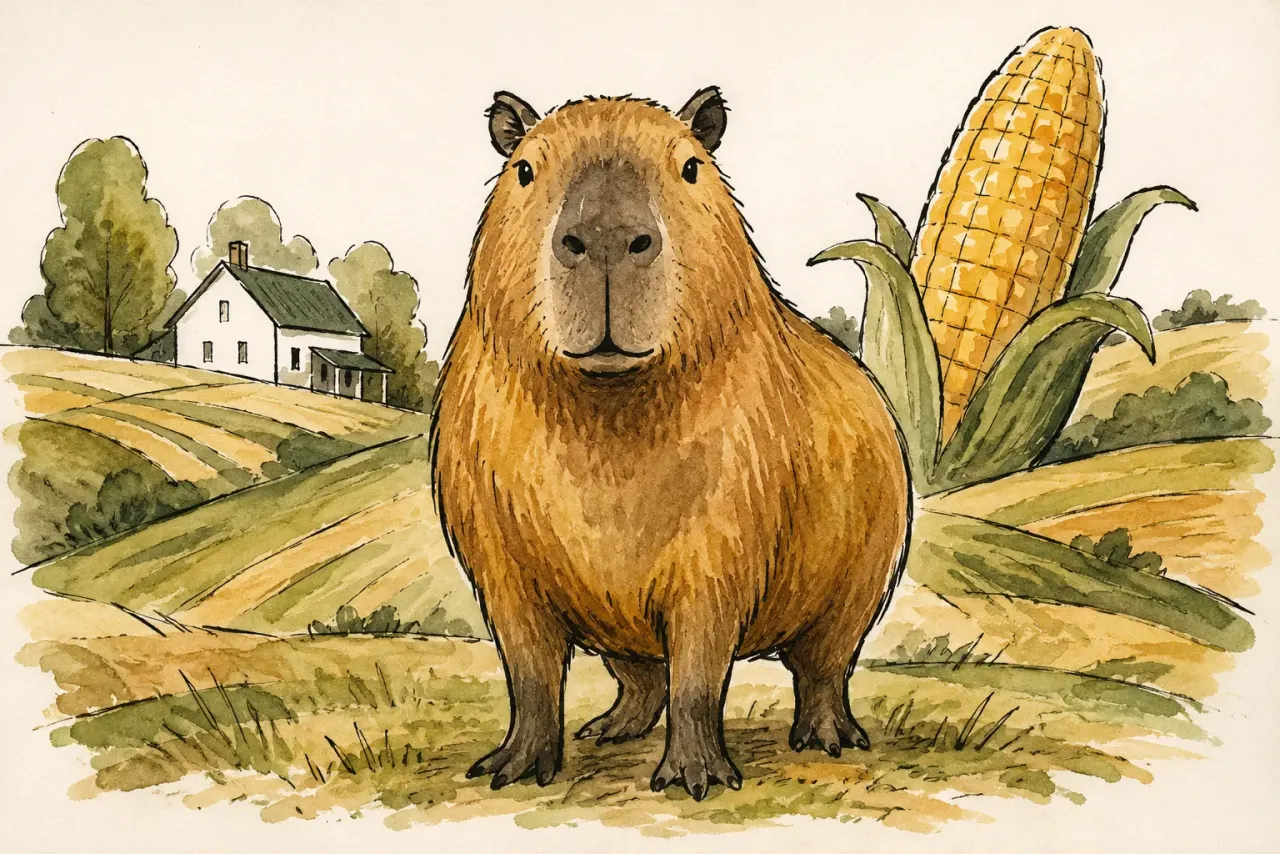
What “Not Banned” Actually Buys You
Clearing 717F is real, and it is narrow. The statute has answered exactly one question and declined to answer any of the others.
Settled by 717F not applying
- No dangerous wild animal registration
- No 717F breeding prohibition
- No 717F prohibition on transport into Iowa
- No 717F civil or criminal exposure
- No annual registration fee
Untouched, and still in front of you
- Animal-admission paperwork for entry into Iowa
- City and county animal ordinances
- Zoning, setbacks, drainage, water features
- HOA covenants and your insurer's view
- USDA licensing for any public or paid use
This distinction is where most Iowa forum threads go wrong. “717F doesn’t list them” gets repeated as “capybaras are legal in Iowa,” and those are not the same sentence. A statute that is silent about your animal has not approved it. It has handed the decision to someone else.
The Office That Runs This Is Not the DNR
Almost everyone calls the Department of Natural Resources first. It is the wrong first call, and section 717F.1 says so quietly: within Chapter 717F, “department” means the department of agriculture and land stewardship.
That agency, IDALS, also publishes Iowa’s animal-admission health requirements — the rules for bringing an animal into the state. Those requirements are organized by animal type, and one of the categories is zoo, fur-bearing and wild animals. If your capybara is coming from a breeder in another state, and it almost certainly is, that category is the layer that governs the trip.
The DNR’s statute is Chapter 481A, Wildlife Conservation. It covers Iowa’s own game, fur-bearing animals, fish and listed species, through seasons, licenses and take restrictions. A capybara is not native, not game and not fur-bearing under that chapter, which is why the DNR tends to be the agency that politely tells you it is not their file.
The animal crosses the line before it ever sits in your yard. Sort the admission paperwork, in writing, before a deposit moves, not after a transporter is booked. A seller saying "we ship to Iowa all the time" is a description of their habits, not a clearance.
Why Acreage Is Not the Cloak Iowa Buyers Think It Is
Iowa has a specific version of the rural fallacy: surely the farm state allows farm-looking things. A capybara grazes, so it must slot in somewhere between a goat and a very committed lawn ornament.
Municipal codes disagree. Iowa cities and counties routinely restrict exotic animals by name, restrict livestock-type animals in residential zones, cap animal numbers, and separately regulate outdoor enclosures, standing water features, setbacks, fencing height and drainage. None of that lives in Chapter 717F, and none of it cares that the state statute is silent.
The call usually goes the same way. You reach a county zoning office, you say capybara, and there is a pause. Then you get asked whether it is livestock, and you say not exactly, and the person on the other end starts working through the code looking for a category that fits. Sometimes the answer is that nothing in the ordinance names the animal, which sounds like a yes and is not one — an unclassified animal is an animal a future complaint gets to classify. Sometimes it lands under exotic animals and stops there. Either way you want the answer by email, with a date, referencing your parcel rather than your city.
My honest read: if the local office cannot answer quickly, that is not permission. It is homework, and it is the homework most likely to end the plan.
The Order the Calls Should Go In
-
IDALS, Animal Industry: admission requirements
Ask what is required to bring Hydrochoerus hydrochaeris into Iowa from your specific origin state, and which admission category it falls under. Get it in writing before transport is arranged.
-
City or county animal control, by address
Ask about exotic animals and large non-domestic mammals by name, at your parcel, not your zip code. This is where the plan usually stops.
-
Zoning or planning
Enclosure, fencing height, pool or pond, drainage and setbacks. A capybara enclosure is a water feature as far as most codes are concerned.
-
The seller: documents before the deposit
Bill of sale, breeder licensing, health certificate from the origin state. A seller who wants payment before you have those is telling you something.
-
An exotic veterinarian
Confirm they treat capybaras, and ask how far the nearest after-hours option is. In much of Iowa the honest answer is measured in hours.
-
USDA APHIS, only if commercial
Public exhibition, paid interaction or breeding pulls federal licensing into scope. Personal ownership does not.
What to ask, and what changes the answer. Keep the written replies in one folder.
| Who to contact | What to ask | Why it matters | What changes the answer |
|---|---|---|---|
| IDALS, Animal Industry Bureau | What admission paperwork applies to a capybara entering Iowa? | Import is the first regulatory event in the sequence | Origin state, health certificate, transporter, disease rules |
| City or county animal control | Are capybaras or large exotic rodents allowed at this address? | Local code is the layer that actually stops most plans | Incorporated vs unincorporated, zoning district, nuisance code |
| Zoning or planning office | Can the enclosure, fencing and pool exist on this parcel? | The habitat is a permit question separate from the animal | Lot size, setbacks, water feature rules, drainage |
| Iowa DNR | Is anything under Chapter 481A engaged by a non-native rodent? | Confirms the wildlife layer is genuinely not in play | Any native or listed species involvement |
| Exotic veterinarian | Do you treat capybaras, and what happens at 2am? | No vet, no plan. A screening question, not a formality | Distance, species experience, after-hours coverage |
| USDA APHIS | Does exhibition, paid interaction or breeding need a license? | Federal layer, entirely separate from Iowa | Any commercial or public-facing use |
Good animal plans survive a week of paperwork. Bad ones start acting allergic to receipts around day three.
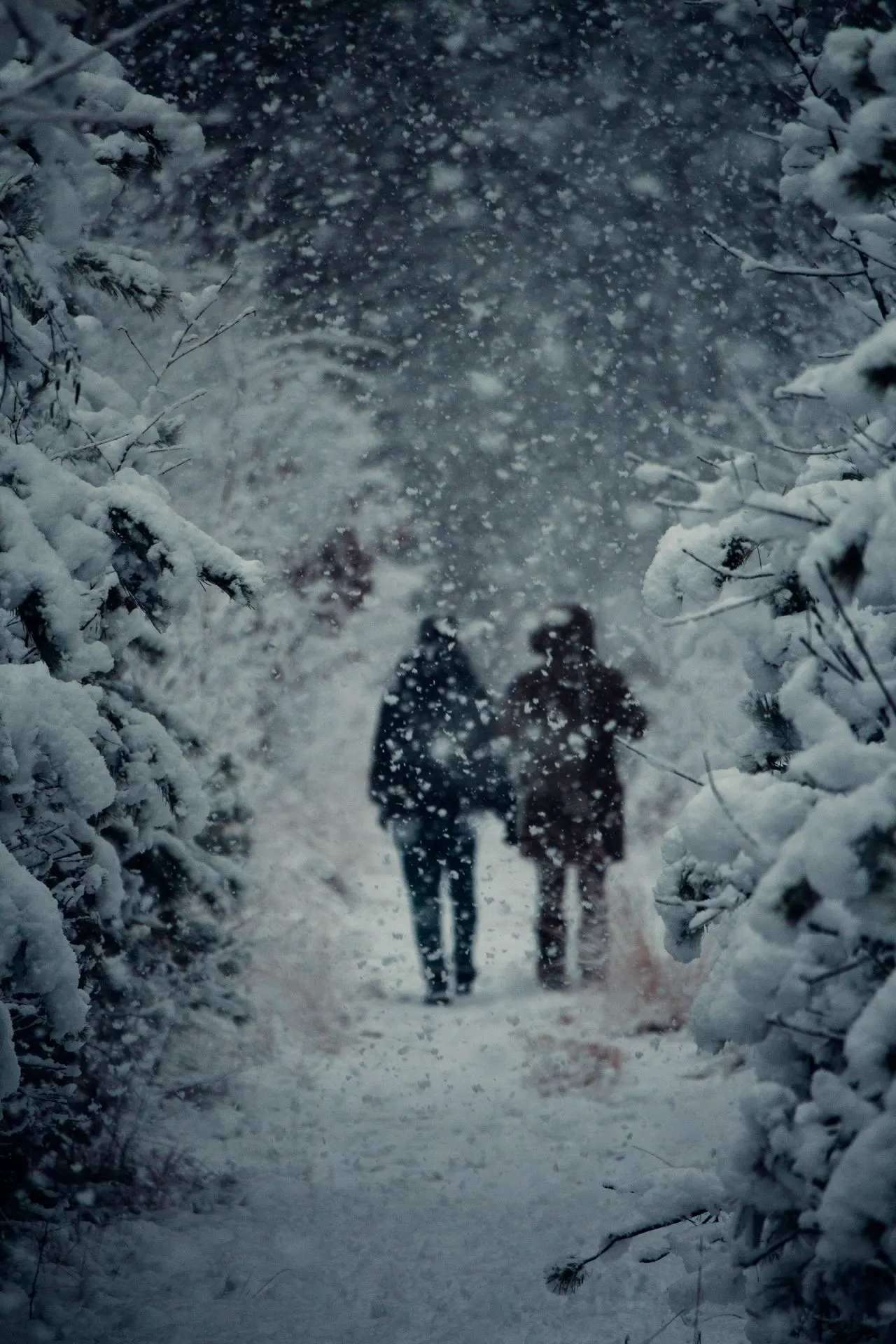
An Iowa Winter Is the Part With No Permit
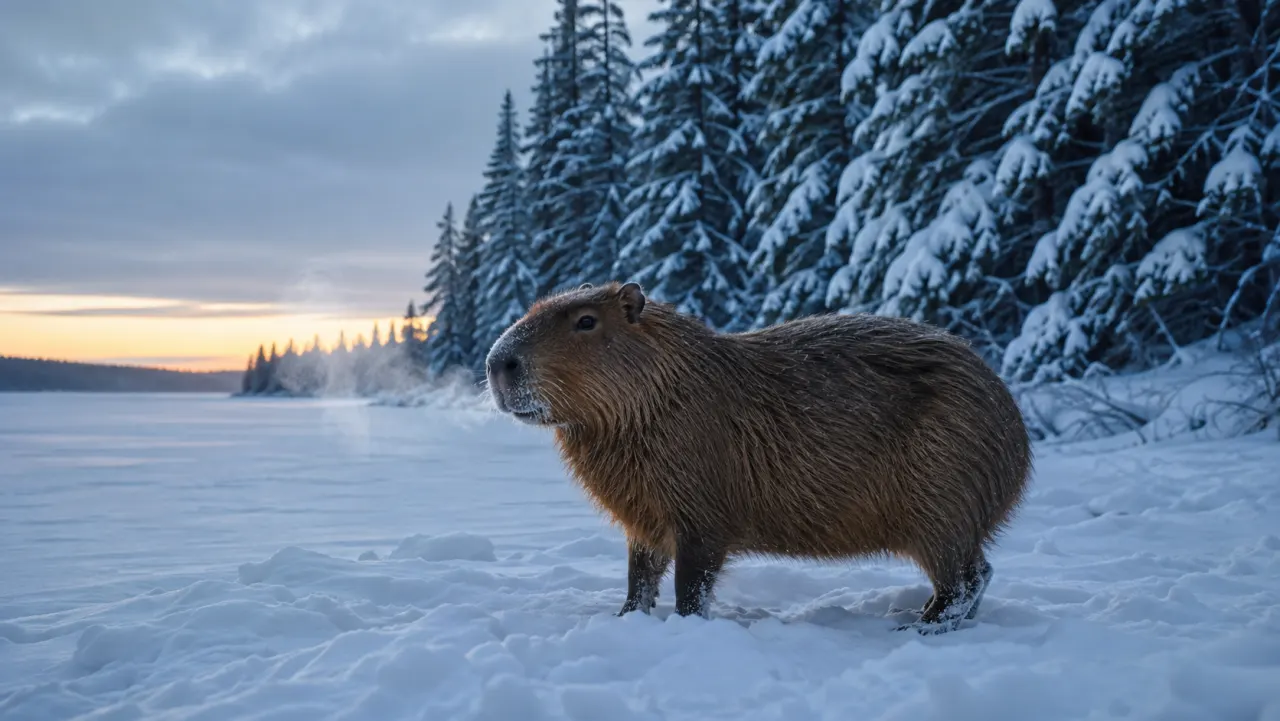
Nothing in Chapter 717F, and nothing in a county ordinance, asks whether you can keep a semi-aquatic tropical grazer alive through February in Des Moines.
Those figures come from Animal Diversity Web, which also notes that a capybara without a group is excluded from most grazing habitat and has no chance of finding a mate. That is not a quality-of-life footnote. It is a description of an animal whose survival strategy is other capybaras.
The AZA Capybara Care Manual treats water access as fundamental rather than enriching, which in Iowa means a heated, filtered water source that keeps working at minus ten. Add heated shelter, safe footing on ice, unfrozen drinking water, and a transport plan for a two-hour drive to an exotic vet in weather that closes interstates. The permit process asks you none of this, which is precisely why it is the part people underestimate.
Nothing to Pay, and Two Layers That Still Decide
Iowa’s dangerous wild animal law does not reach a rodent, so the fee attached to it does not reach you either. That is the easy half.
The absence of a fee here is not a discount, it is an absence of scrutiny. Nobody at the state has looked at your enclosure, your water plan or your winter arrangements, and nobody will, because no instrument exists that would prompt them to.
The animal-admission paperwork through IDALS still applies, and it still costs whatever your origin-state veterinarian charges for the certificate. That is the one bill in this section that is real, and it is invoiced by a vet rather than a state.
Then the part that dwarfs all of it. An Iowa winter turns water access and heated shelter into year-round infrastructure, and the capybara cost guide covers what that actually involves.
Misconceptions Iowa Readers Should Drop
| What Iowa buyers believe | What is actually true |
|---|---|
| ”Iowa has a dangerous wild animal law, so capybaras are banned” | Chapter 717F exists and does not reach rodents. It is the wrong statute for this animal. |
| ”717F doesn’t list them, so I’m cleared” | One layer of five. Import paperwork and local code are entirely untouched by it. |
| ”Call the DNR, they handle wildlife” | Chapter 717F defines “department” as the department of agriculture and land stewardship. IDALS is the first call. |
| ”Acreage solves it” | Unincorporated land is not a legal cloak. County zoning, drainage rules, covenants and insurers all still apply. |
| ”It’s a farm state, a grazing animal is normal” | It grazes, but most municipal codes, vet plans and insurance policies treat it as exotic, not agricultural. |
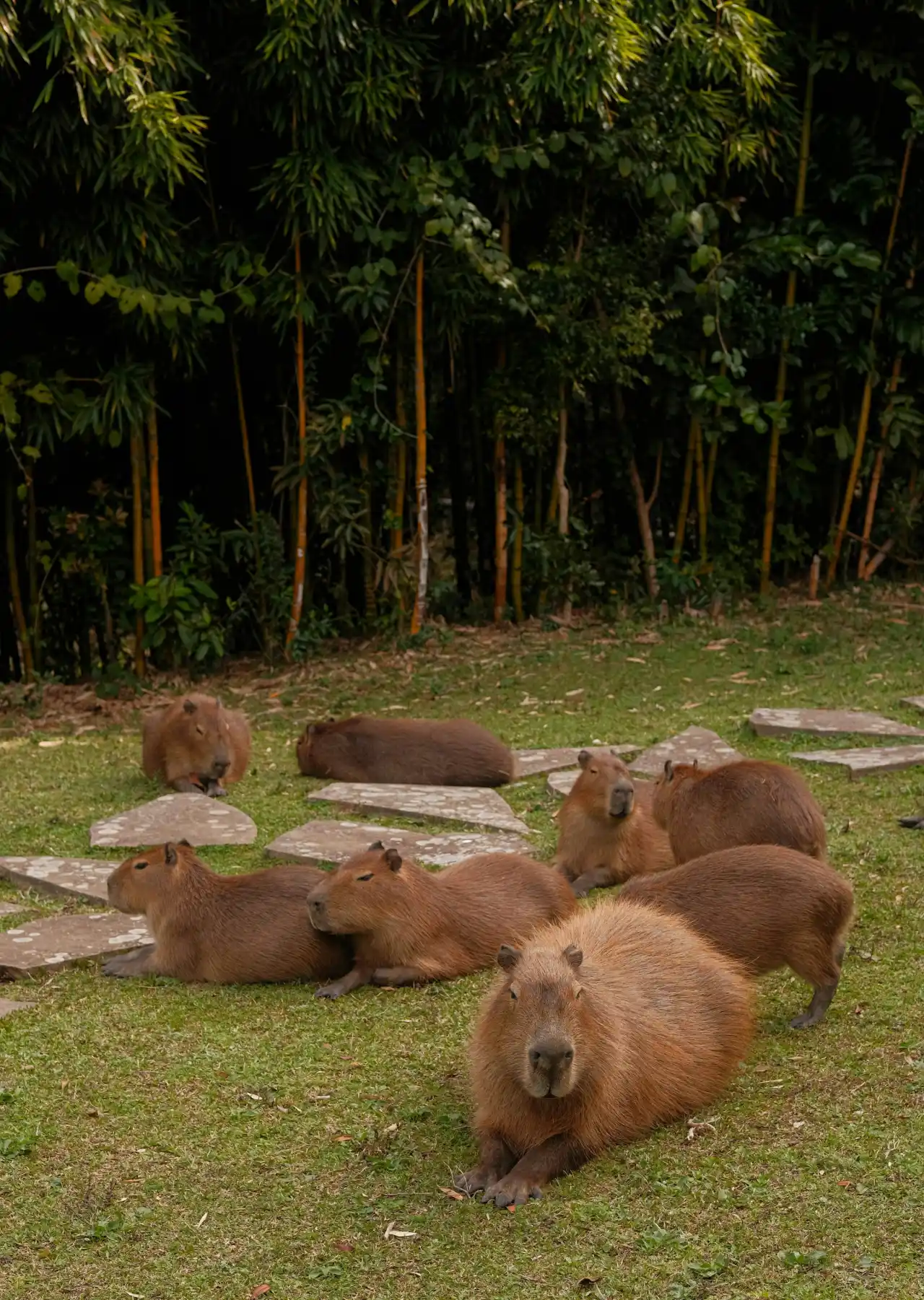
| ”One capybara is easier” | One capybara is a welfare failure. They are herd animals with a group survival strategy. |
What To Do Next if You Are Still Serious
Iowa gives you a genuinely clean state-level answer and then quietly hands you the harder half. Nobody inspects your fencing before the animal arrives. Nobody reviews the winter plan. The state has simply declined to be involved, which feels like a green light and is closer to an absence.
Start with IDALS and the admission paperwork, in writing, by scientific name. Get the address-level ordinance answer next, because that is the one most likely to end it. Then do the pool math, the winter math and the two-animals math before anyone gets paid.
Worth reading alongside this: the capybara cost guide, the care guide, and the honest version of the ownership question in do capybaras make good pets. For how Iowa compares to its neighbours, Kansas tests provenance instead of species, and the state-by-state map puts the rest in order.
This guide is current as of September 5, 2026. Statutes, agency interpretations and local ordinances all change, so treat this as a screening path rather than legal advice, and confirm with IDALS and your local officials before acting.
A capybara does not need your optimism. It needs water that does not freeze, another capybara, a vet who picks up, and a folder that survives a bored official with a clipboard.