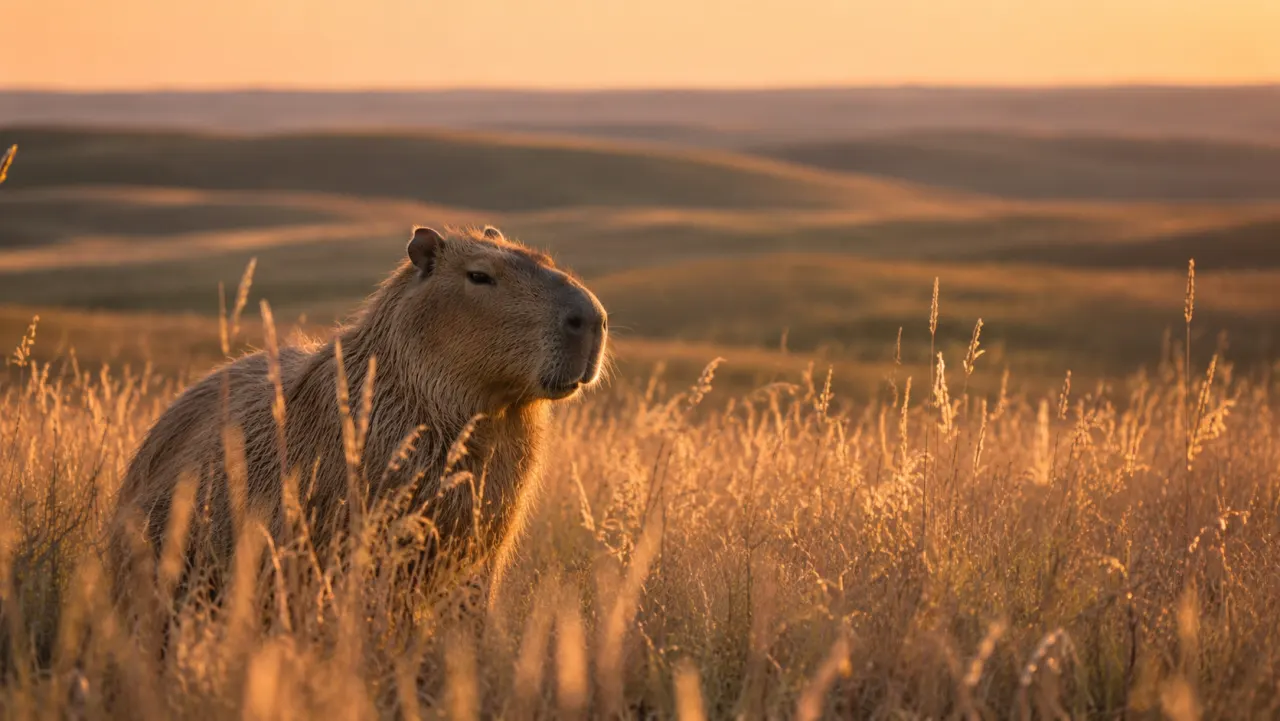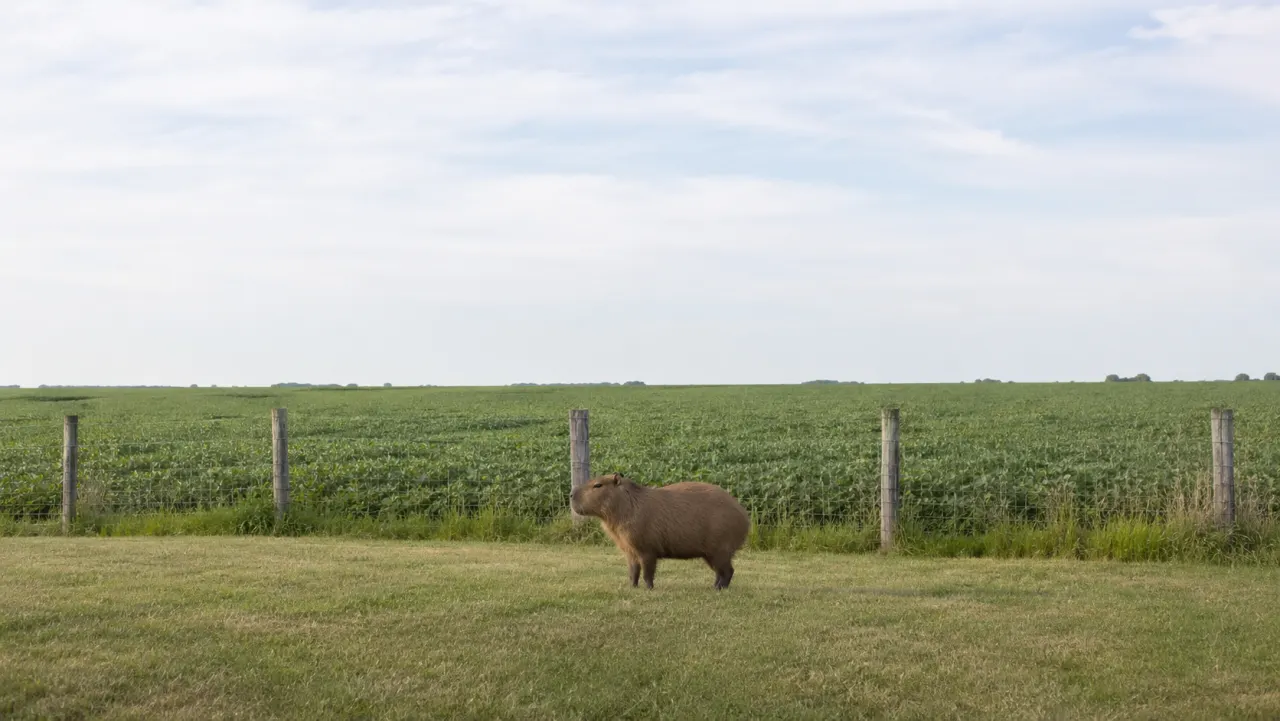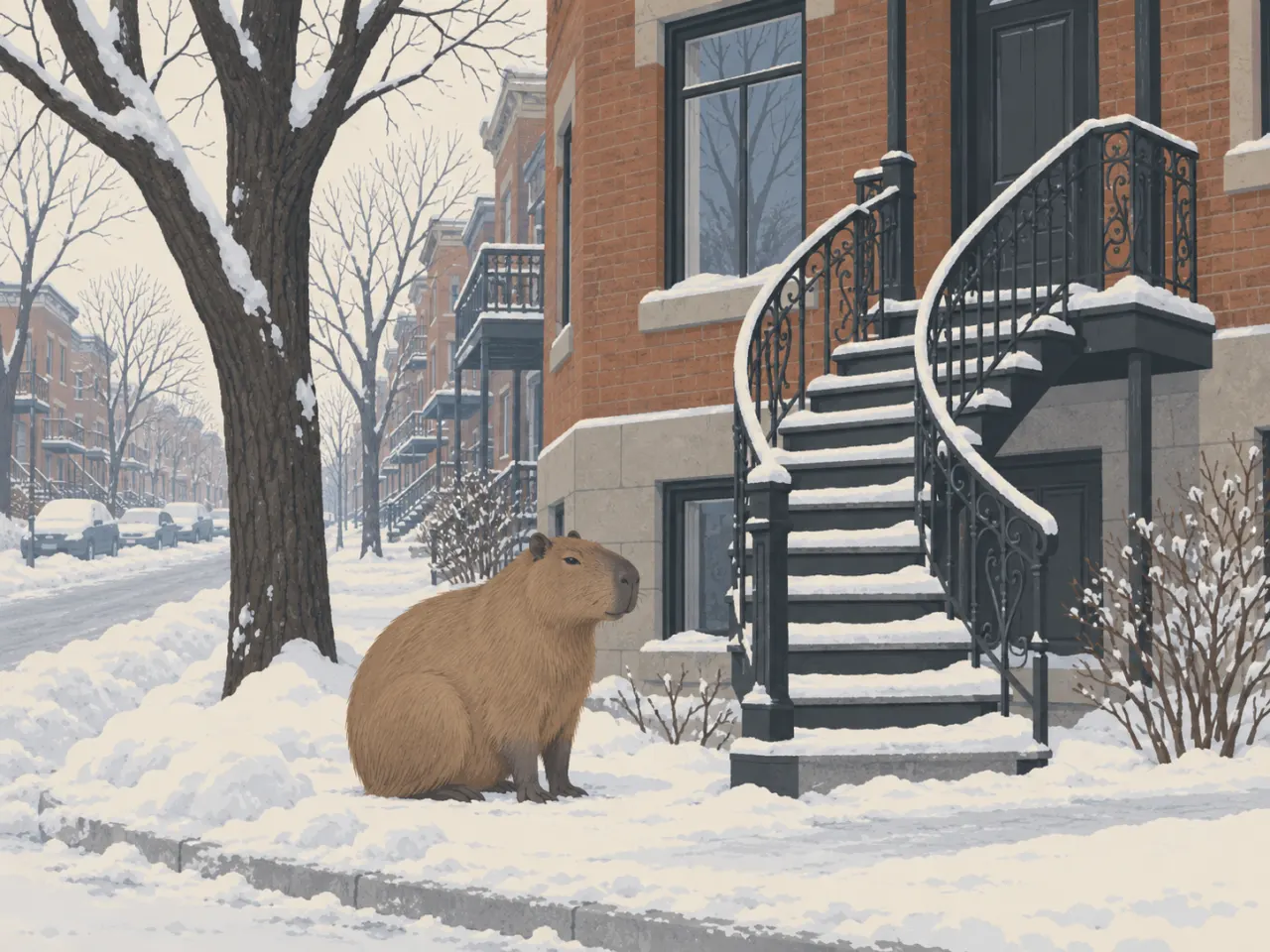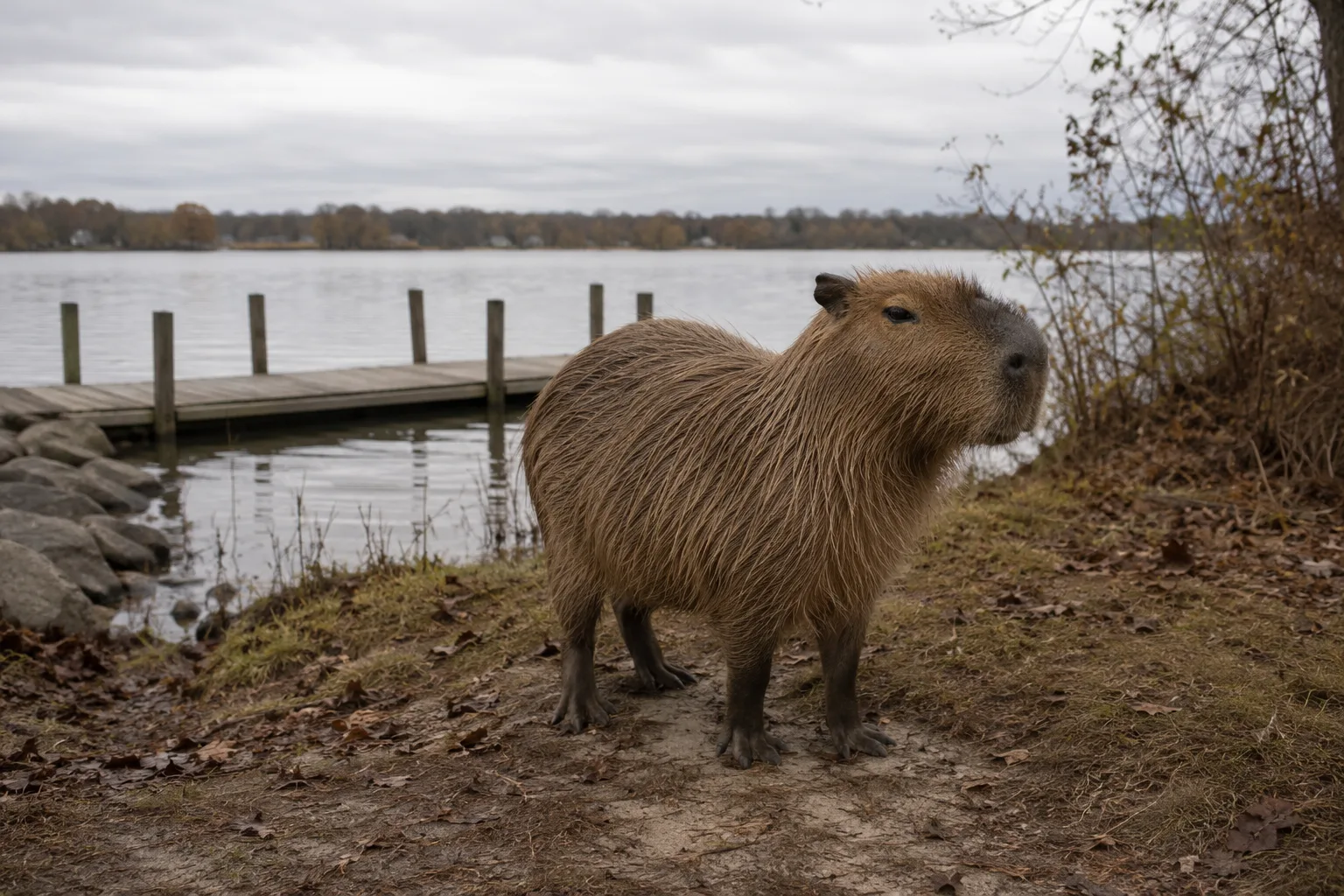
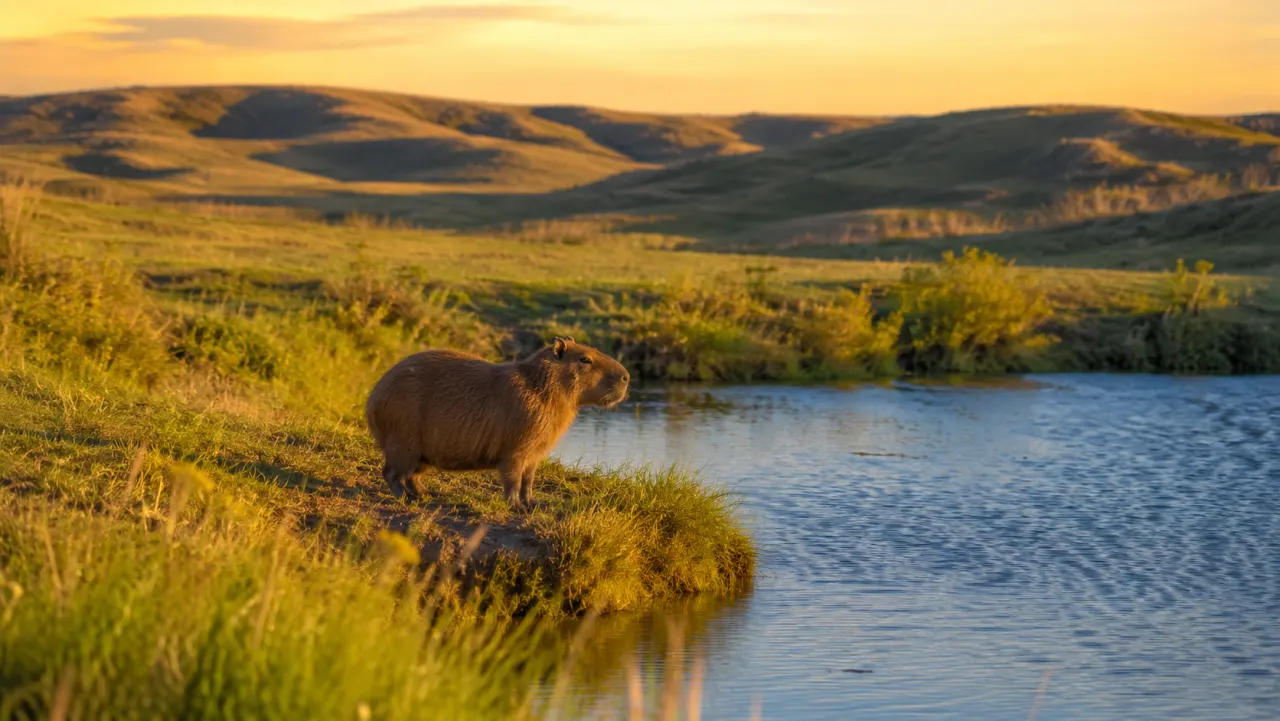
Nebraska is the most straightforward state in this series. There is a permit, it is named, it costs almost nothing, and the list of animals the state refuses outright is four entries long.
Legal with a captive wildlife permit
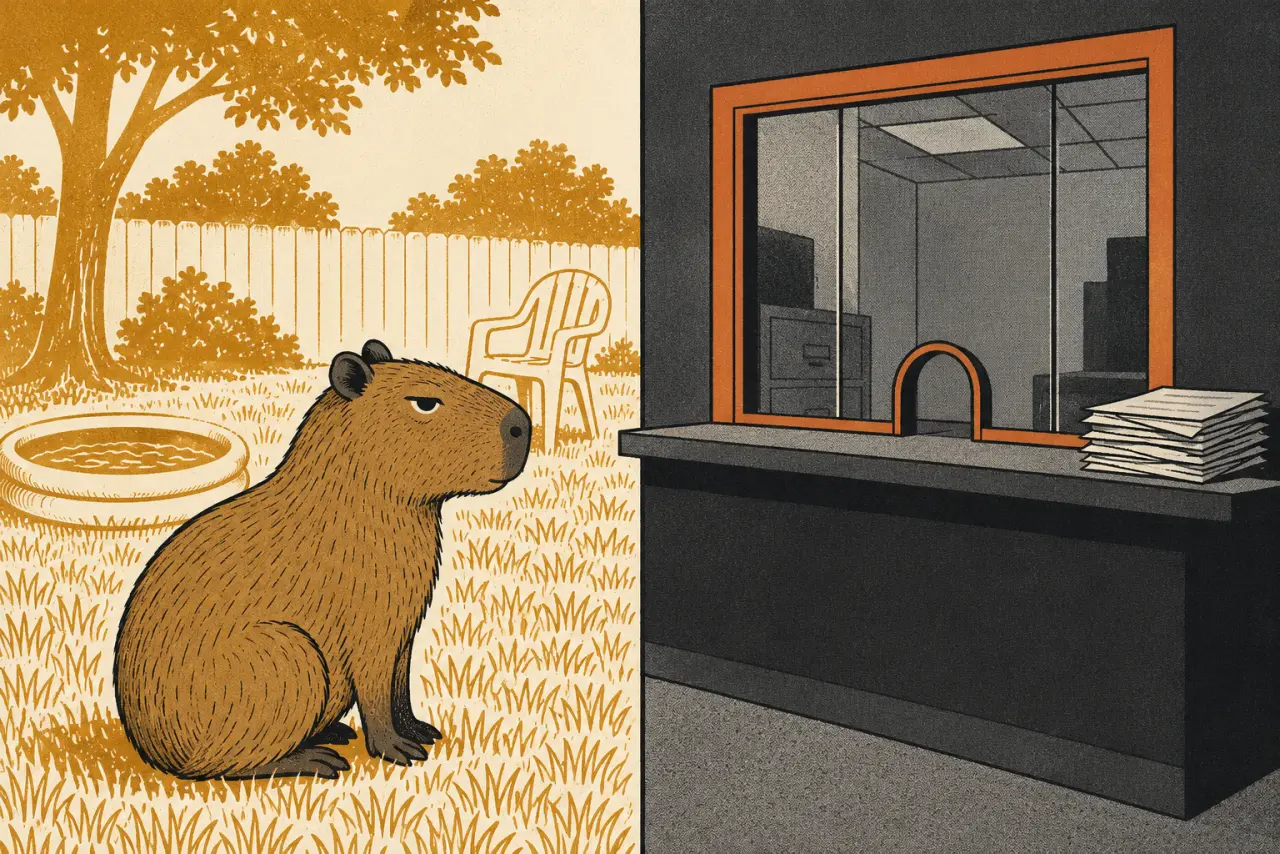
Neb. Rev. Stat. 37-477 requires a commission permit to keep wild mammals in captivity. The captive wildlife permit covers purchasing, possessing, propagating and selling, and the statute caps the annual fee at not more than thirty dollars.
Nebraska's outright bans are wolves, skunks, Felidae and Ursidae. A capybara is none of those.
The Short Answer: Permit Yes, Ban No
Two things need to be true for a state answer to be clean, and Nebraska is one of the few where both are.
First, there is an identifiable permit rather than a vague instruction to contact somebody. Second, the prohibition list is short and specific enough that you can read it and know whether your animal is on it.
That combination is rarer than it should be. Most states either ban by broad category or leave the question to an unpublished internal list.
What the Captive Wildlife Permit Covers
The controlling provision is Neb. Rev. Stat. 37-477: no person shall keep in captivity any wild birds, wild mammals, nongame wildlife in need of conservation, or wildlife determined to be endangered or threatened, without first obtaining a permit under 37-478 or 37-479.
To purchase, possess, propagate or sell captive wild mammals, you apply to the Nebraska Game and Parks Commission for a captive wildlife permit. The operational detail sits in 163 Neb. Admin. Code ch. 4 § 008, “Keeping Wildlife in Captivity.”
Purchase, possess, propagate, sell. The permit is not only about having the animal — it reaches acquisition and disposal too. If you later rehome a capybara, that is still inside the permit's scope, and so is any breeding.
What Nebraska Actually Bans Outright
This is the short list, and it is worth reading precisely because it is short.
Banned outright
- Wolves
- Skunks
- Family Felidae — cats
- Family Ursidae — bears
The exception, and the capybara
- Animals legally held before 1 March 1986 are grandfathered
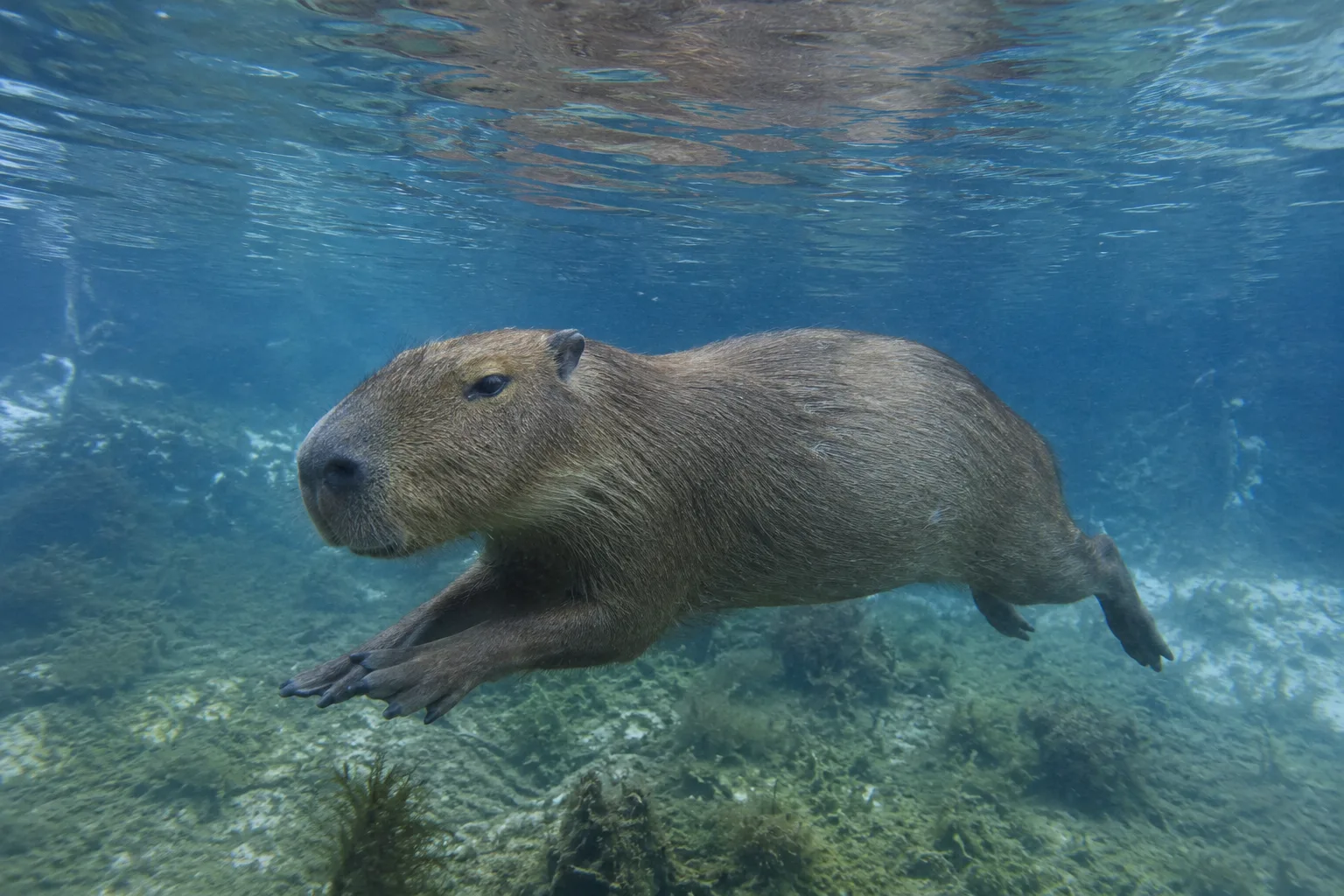
- A capybara is a rodent — not a canid, not a mustelid, not a felid, not a ursid
- So it falls to the permit route rather than the ban
The 1986 grandfather date tells you how old this framework is, and how stable. Nebraska picked its prohibitions decades ago and has not expanded them into a general exotic-animal ban.
What the Permit Costs, and What It Does Not Buy
Thirty dollars is low enough that people stop treating it as a real regulatory step. It is still a permit with conditions attached, it still expires, and breaching it is still a statutory violation. The fee is small; the obligation is not.
The permit also does not answer importation. If the animal is coming from another state, the Nebraska Department of Agriculture has its own animal-health and entry requirements — health certificates, testing, documentation — which sit entirely outside the Game and Parks permit.

Why Omaha and Lincoln Still Decide
A state permit is state permission. Nebraska municipalities restrict exotic animals, livestock in residential zones, outdoor enclosures, standing water features, setbacks and fencing under their own codes.
Omaha and Lincoln between them hold most of the state’s population, and both write their own animal ordinances. A valid captive wildlife permit does not override a city that does not allow the animal at your address.
Rural acreage helps, and Nebraska has plenty of it, but county zoning, drainage rules, private covenants and an insurer all still have a view. Ask about the address.
The Order the Calls Should Go In
-
Nebraska Game and Parks Commission — the permit
Ask about the captive wildlife permit for Hydrochoerus hydrochaeris: what the application requires, what conditions typically attach, and the current fee.
-
Nebraska Department of Agriculture — import
Separate agency, separate clearance. Health certificate and entry requirements for the origin state.
-
City or county animal control
Address-specific, in writing. Ask about exotic animals and large non-domestic mammals by name.
-
Zoning or planning
Enclosure, fencing height, pool and drainage on the parcel. The water feature is usually the sticking point.
-
An exotic veterinarian
Before the deposit. Nebraska distances are real — ask how far, and what happens overnight.
-
USDA APHIS — only if commercial
Exhibition, paid interaction or breeding brings federal licensing into it.
The Care Reality the Thirty Dollars Does Not Cover
The gap between Nebraska’s permit cost and the animal’s actual cost is the widest in this series, and it is worth naming.
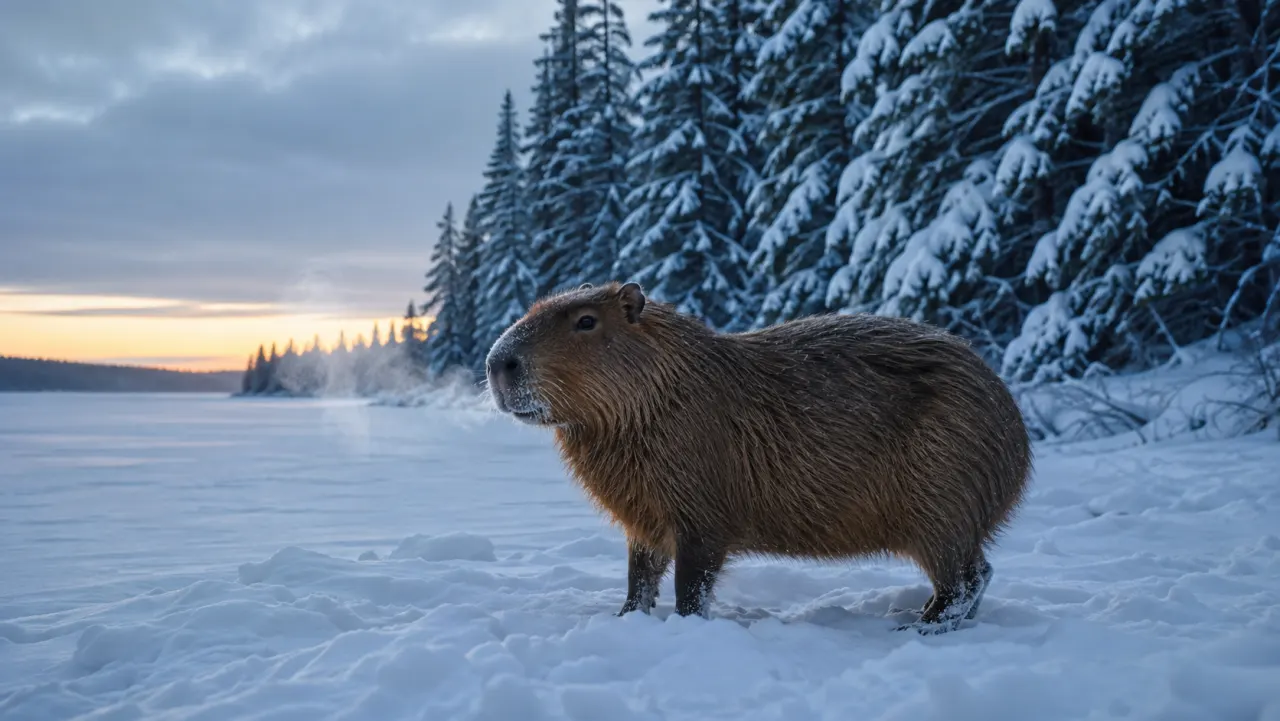
The AZA Capybara Care Manual describes an animal organised around water, continuous grazing, group life and secure space. Nebraska’s winters are the hard part: heated shelter and unfrozen water, every day, for months, for two animals that will each eat around ten pounds of vegetation daily as adults.
Misconceptions Nebraska Readers Should Drop
| What Nebraska buyers believe | What is actually true |
|---|---|
| ”A $30 permit means it’s basically unregulated” | It is a statutory permit with conditions, an annual renewal, and a misdemeanour exposure for breaching it. |
| ”The permit covers importing the animal too” | It does not. The Department of Agriculture handles entry requirements separately. |
| ”Not on the banned list means nothing to do” | The ban list and the permit requirement are different provisions. You clear the ban and still need the permit. |
| ”Farm country, so nobody minds a grazing animal” | Omaha and Lincoln ordinances, county zoning and covenants all apply regardless of how agricultural the state is. |
| ”One capybara is easier” | One capybara is a welfare failure. They are herd animals. |
The Nebraska Verdict
Nebraska asks less of you on paper than almost any state in this series, which makes it the one where the animal — rather than the paperwork — is the real decision.
Two calls settle the legal position: Game and Parks for the permit, Agriculture for the import. A third settles the address. After that there is nothing standing between you and two large semi-aquatic rodents except whether you can actually keep them well through a Nebraska January.
The thirty dollars is not the cost. It never was.
Then read the capybara cost guide, the care guide, and the state-by-state map.
This guide is current as of September 1, 2026. Statutes, fees and local ordinances change, so treat it as a screening path rather than legal advice, and confirm with Nebraska Game and Parks before acting.