The potato-themed naming tradition
Jersey Zoo, known for its playful approach to animal naming, recently allowed the public to vote on the name of their newest baby capybara. The result? A charmingly quirky moniker: Waffle. This name fits neatly within the zoo’s existing theme, joining half-siblings Hashbrown and Dauphinoise. According to AOL, the naming vote was held after the zoo announced the new arrivals in June. Keepers had already named Waffle’s siblings, leaving the public to decide on the final name.
The other contenders in the naming poll were equally intriguing. Names like Tots, Hassleback, Gnocchi, and Chip were all in the running, but ultimately, Waffle emerged as the favorite. This potato-themed trifecta is a nod to the capybara’s reputation as a “big guinea pig,” as they are sometimes affectionately referred to.
A brief capybara refresher
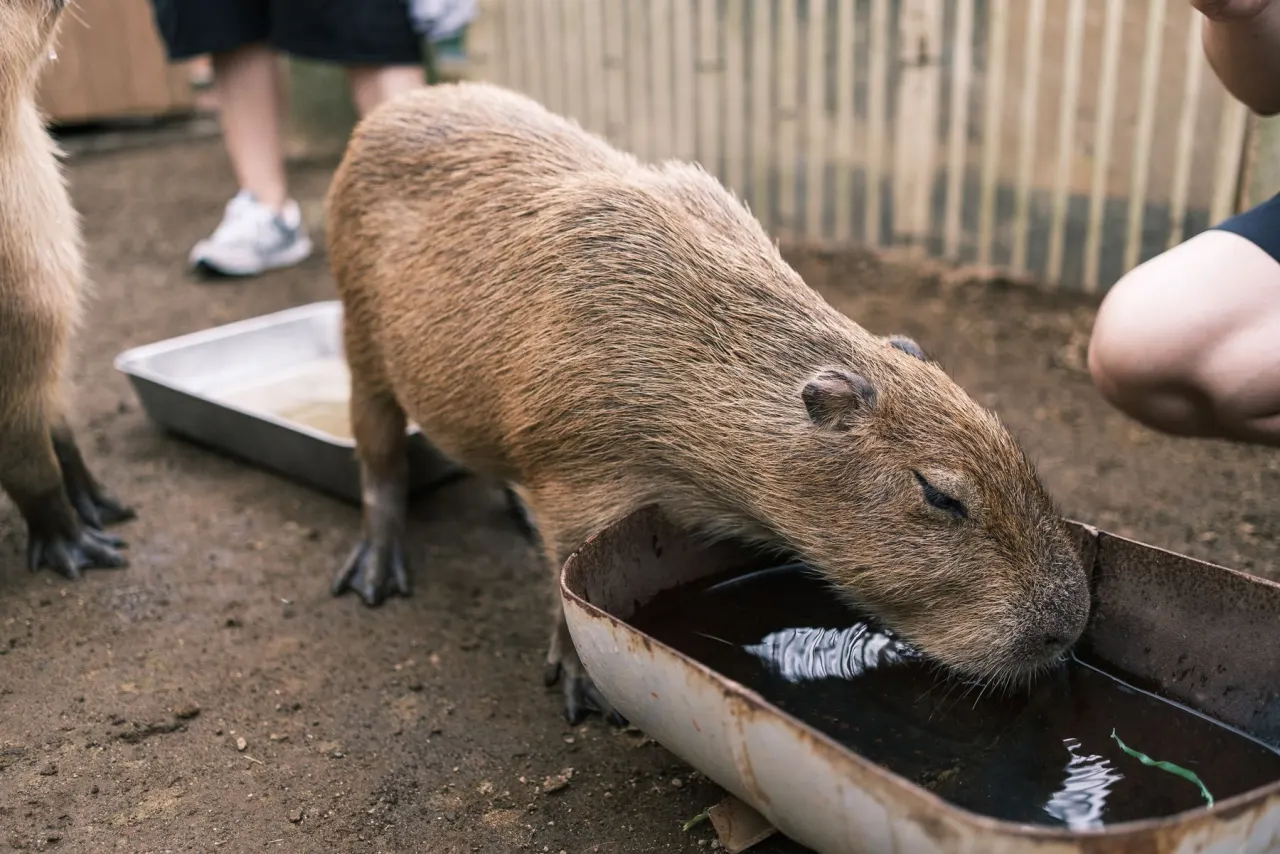
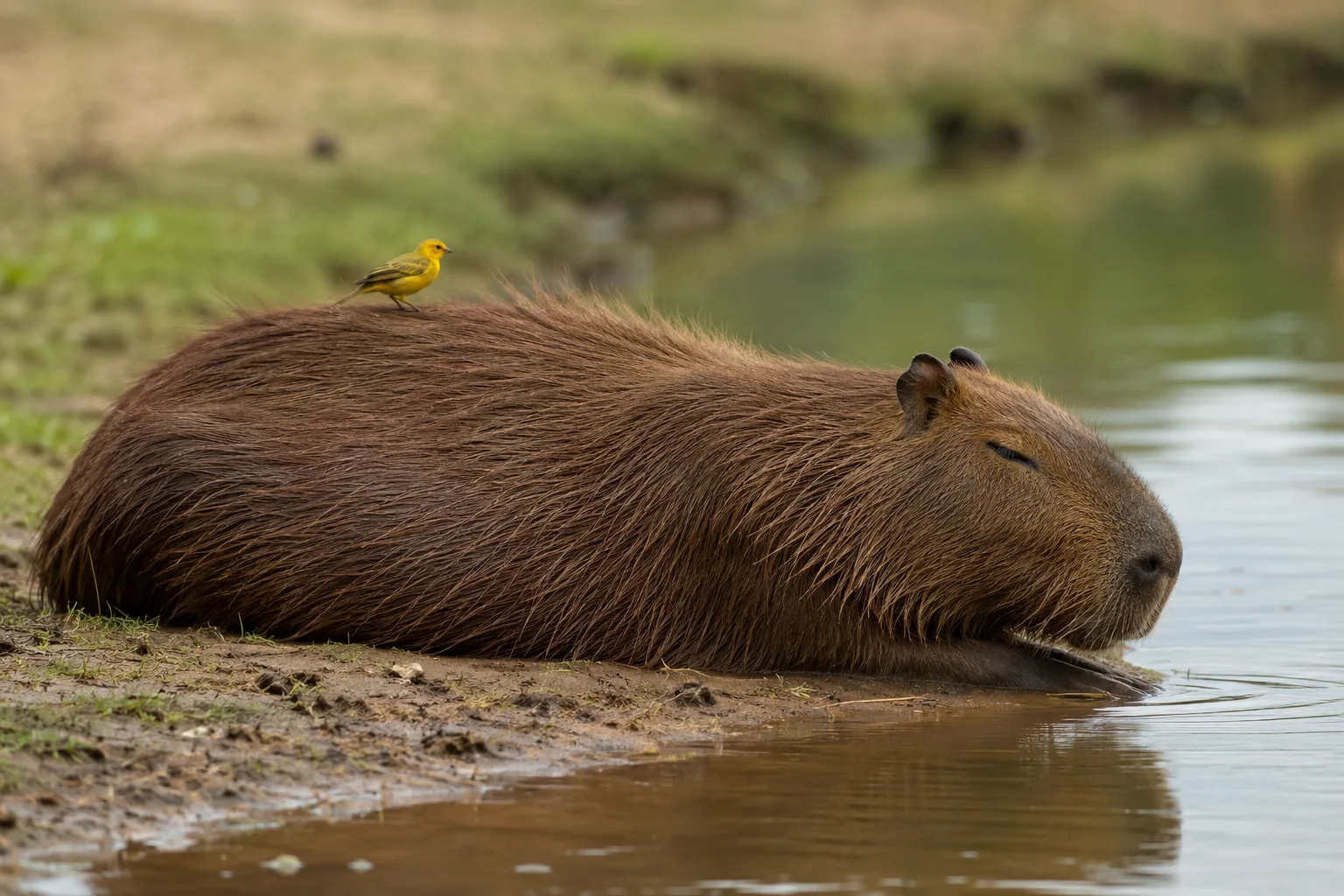
Capybaras are native to South America and are the largest rodents in the world. They lead semi-aquatic lives, often seen lounging by water bodies or taking a dip to cool off. This lifestyle is facilitated by their physical adaptations; for instance, they can hold their breath underwater for up to five minutes. Such capabilities make them uniquely suited to their environments, though they can occasionally stir up trouble in captivity.
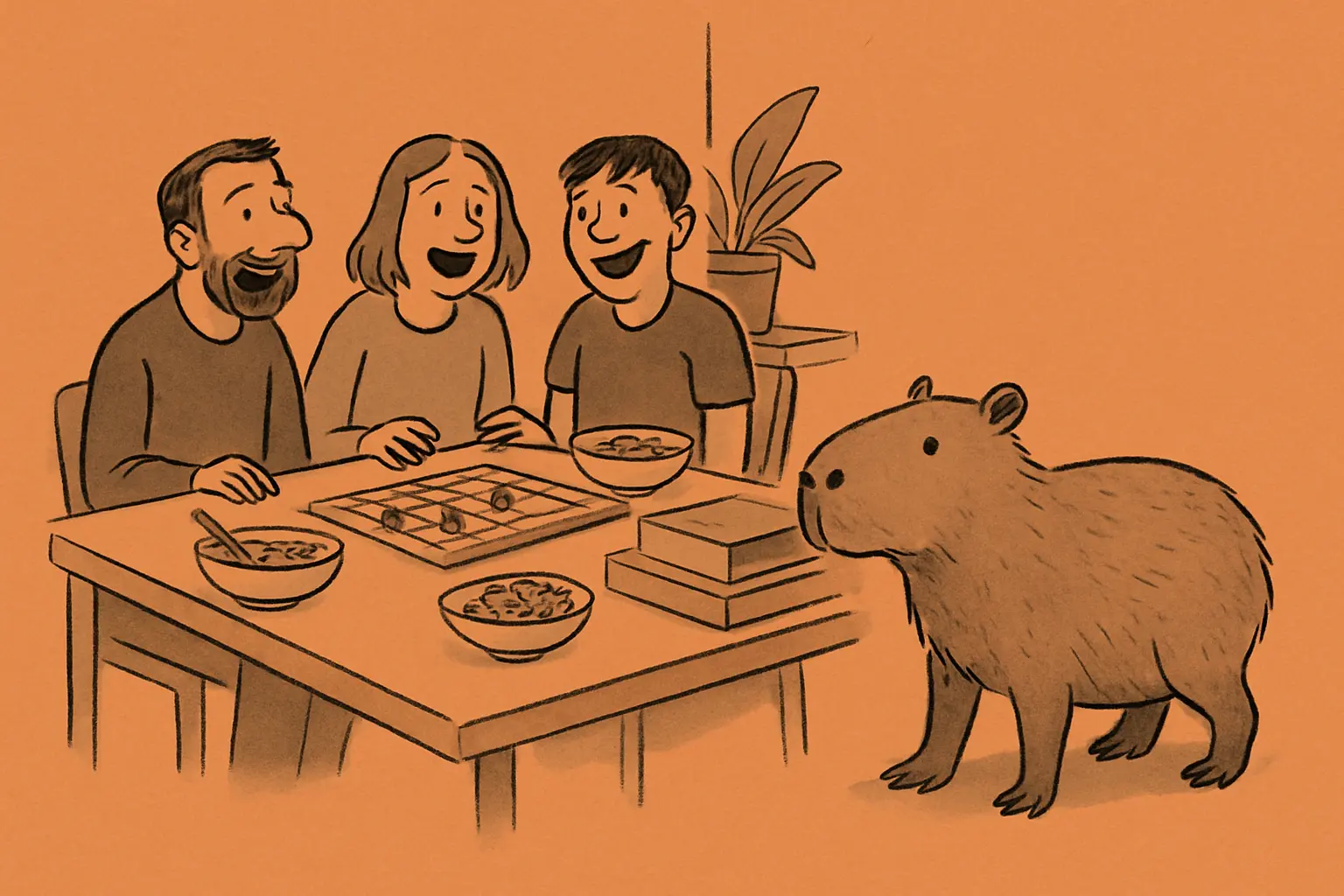
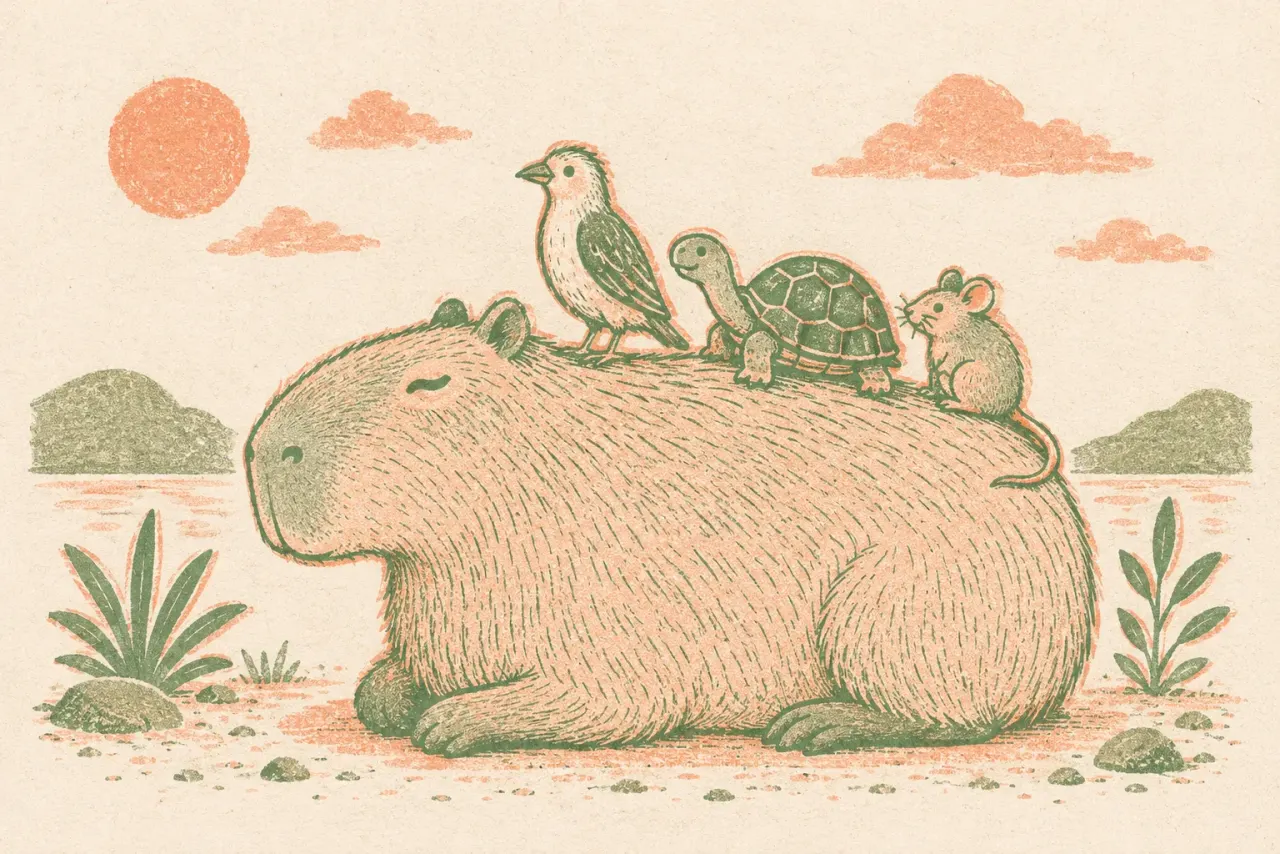
A common misconception is that capybaras are solitary creatures, but this couldn’t be further from the truth. They are highly social animals, often living in groups of 10-20. This social behavior is crucial for their survival, as they rely on each other for protection against predators.
The Tayto and Tango dynamic
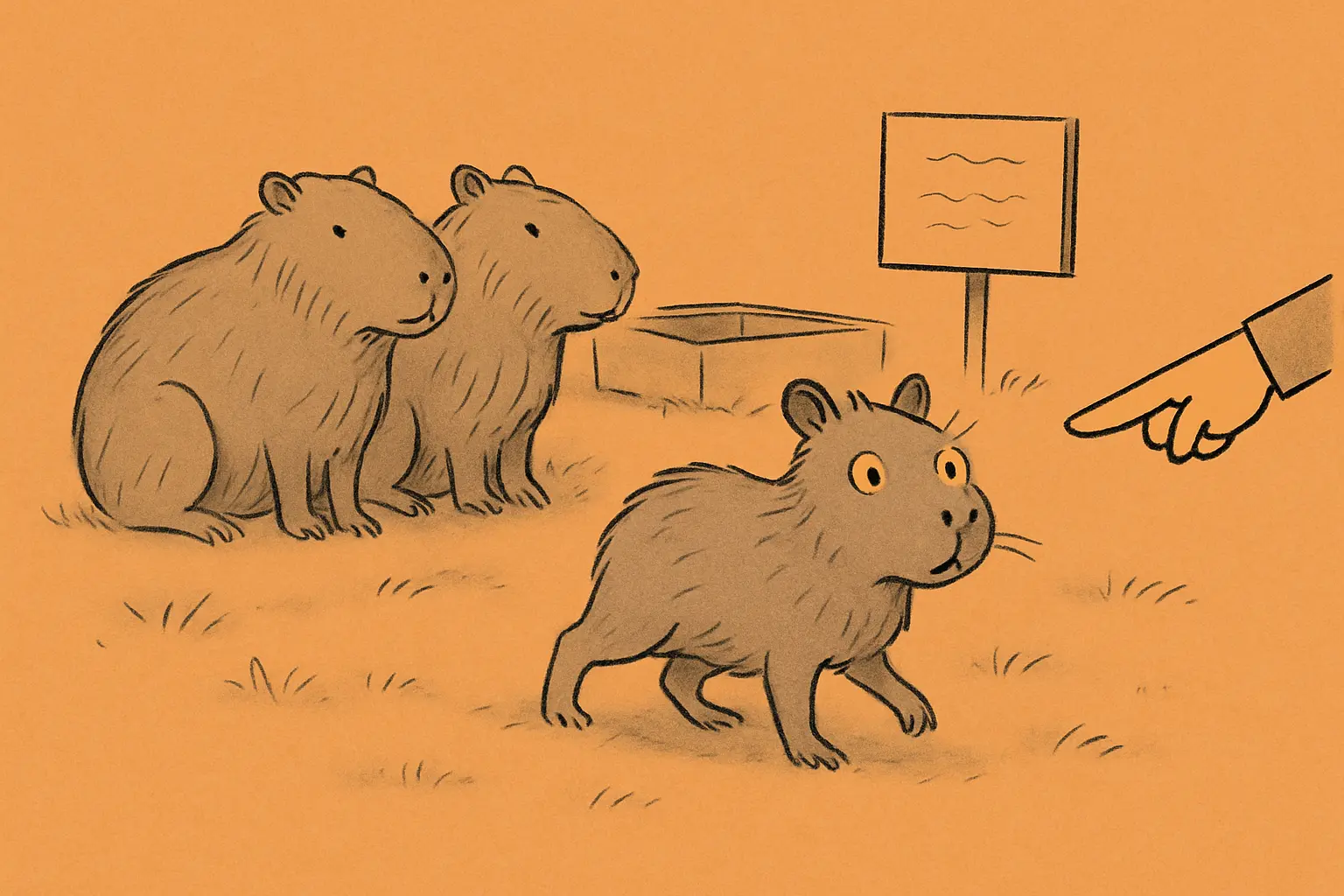
The proud parents of Jersey Zoo’s potato-themed capybara trio are Tayto and Tango. The zoo announced their parenthood back in June, highlighting the birth of the new additions. However, the capybara family wasn’t always so harmonious. Tango, the father, made headlines last year when he escaped his enclosure, prompting a temporary closure of the zoo.
Tango’s escape was a reminder of the challenges that come with keeping these intelligent and curious animals in captivity. While he was eventually found within the zoo grounds, his escapade underscores the need for secure enclosures that cater to both their physical and mental needs.
The public’s role in the zoo
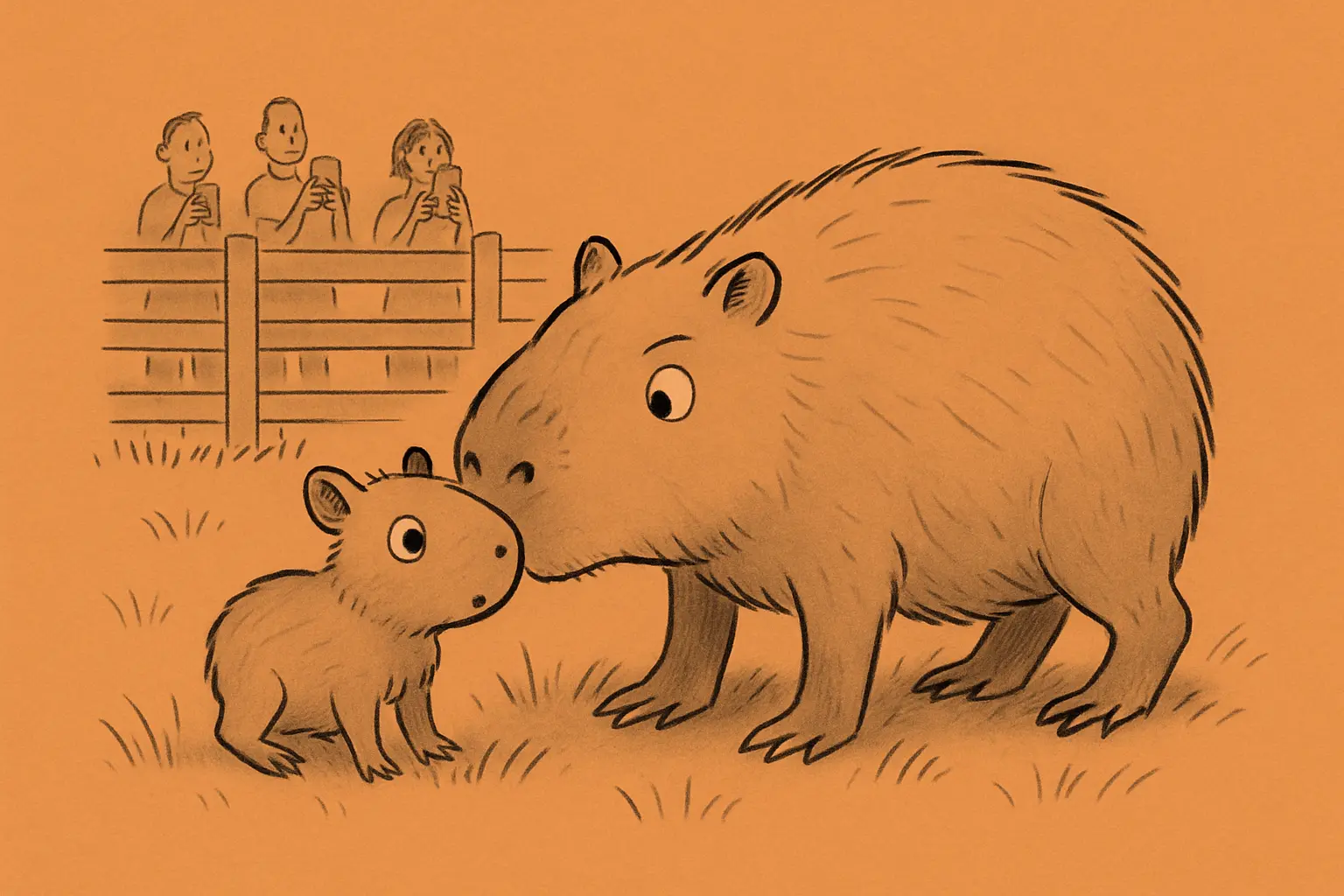
Allowing the public to name one of their capybaras is a clever engagement strategy by Jersey Zoo. It not only fosters a sense of community involvement but also raises awareness about these fascinating animals. The zoo’s use of social media platforms like Facebook to announce the naming is a testament to the changing ways in which zoos interact with the public.
By participating in the naming process, the public becomes more invested in the animals’ lives and welfare. This connection can translate into more support for the zoo’s conservation efforts and educational programs. The capybara naming saga is just one example of how zoos can engage with their audience in a meaningful way.
The grumpy capy take
So, the public has spoken, and Waffle it is. While it’s charming to see a community rally around a rodent’s name, one has to wonder if this reflects more on our love of potatoes than on the animals themselves. It’s all good fun, but let’s not forget that these are complex creatures deserving of more than just a catchy name.
The story highlights the ongoing trend of using social media for engagement, which is both a blessing and a curse. Sure, it gets people talking, but it also risks reducing the animals to mere social media fodder. Here’s hoping that Waffle, Hashbrown, and Dauphinoise are remembered for more than their names.
Worth noting: the AOL source primarily focused on the naming aspect, with little detail on the capybaras’ well-being or the zoo’s conservation efforts, which are critical components of any zoo’s mission.