The births, briefly
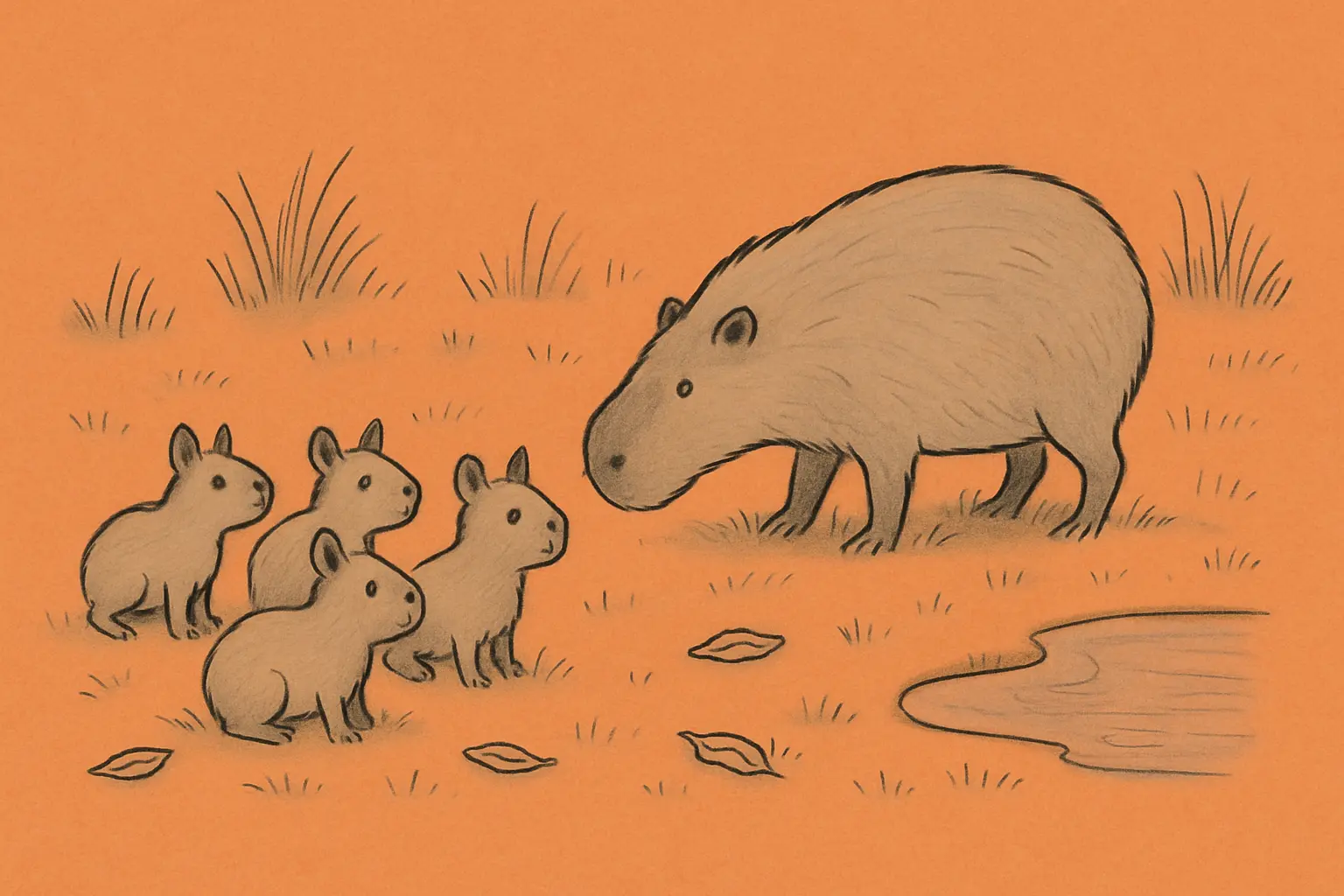
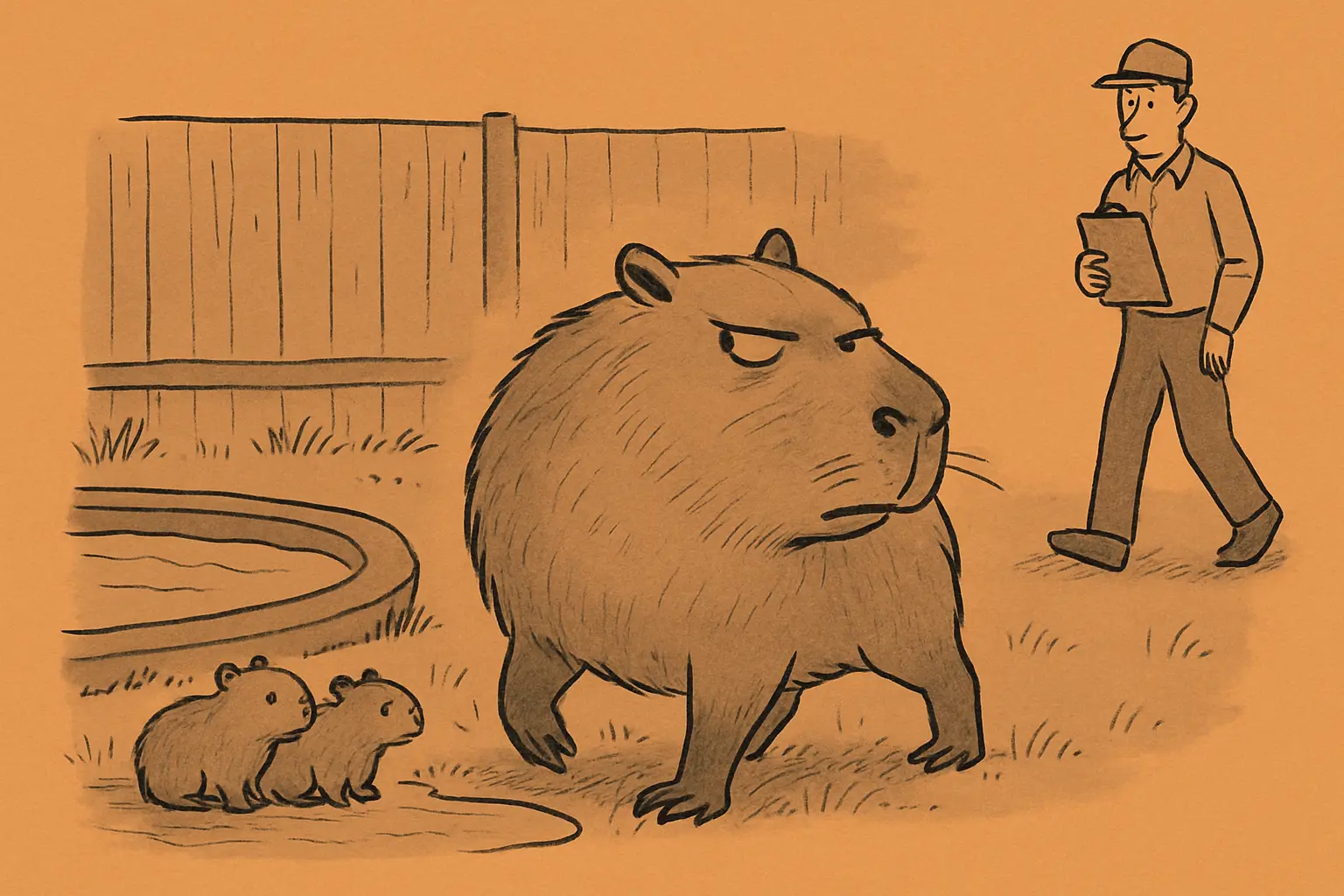
Two capybara pups arrived at Jersey Zoo on Wednesday 10 June 2026. Their mother is Tayto; their father is Tango. Jersey Zoo announced the news on 15 June, describing the family as having “just gotten bigger with not one, but two babybaras.” That is the kind of portmanteau that gets written when a communications team is having a good week.
The zoo did not release the names of the two pups, their sexes, or their weights. What we know is that there are two of them and that they are alive.
Who Tango actually is
Tango is not a generic zoo capybara. He is one of a set of triplets who were transferred to Jersey Zoo from Drusillas Park in East Sussex. Before the move, he achieved a minor footnote in literary history: Dame Jacqueline Wilson visited Drusillas on World Book Day and read stories to the animals, and Tango, by all accounts, demanded physical affection during the proceedings.
He later demonstrated a broader range of personality traits. Last year, Tango escaped from his enclosure at Jersey Zoo, forcing a temporary closure of the site. He was eventually located in woodland within the zoo grounds — which suggests he was not trying very hard to leave, or that the woodland was simply more appealing than his enclosure. Either reading is plausible.
What capybara pups actually look like
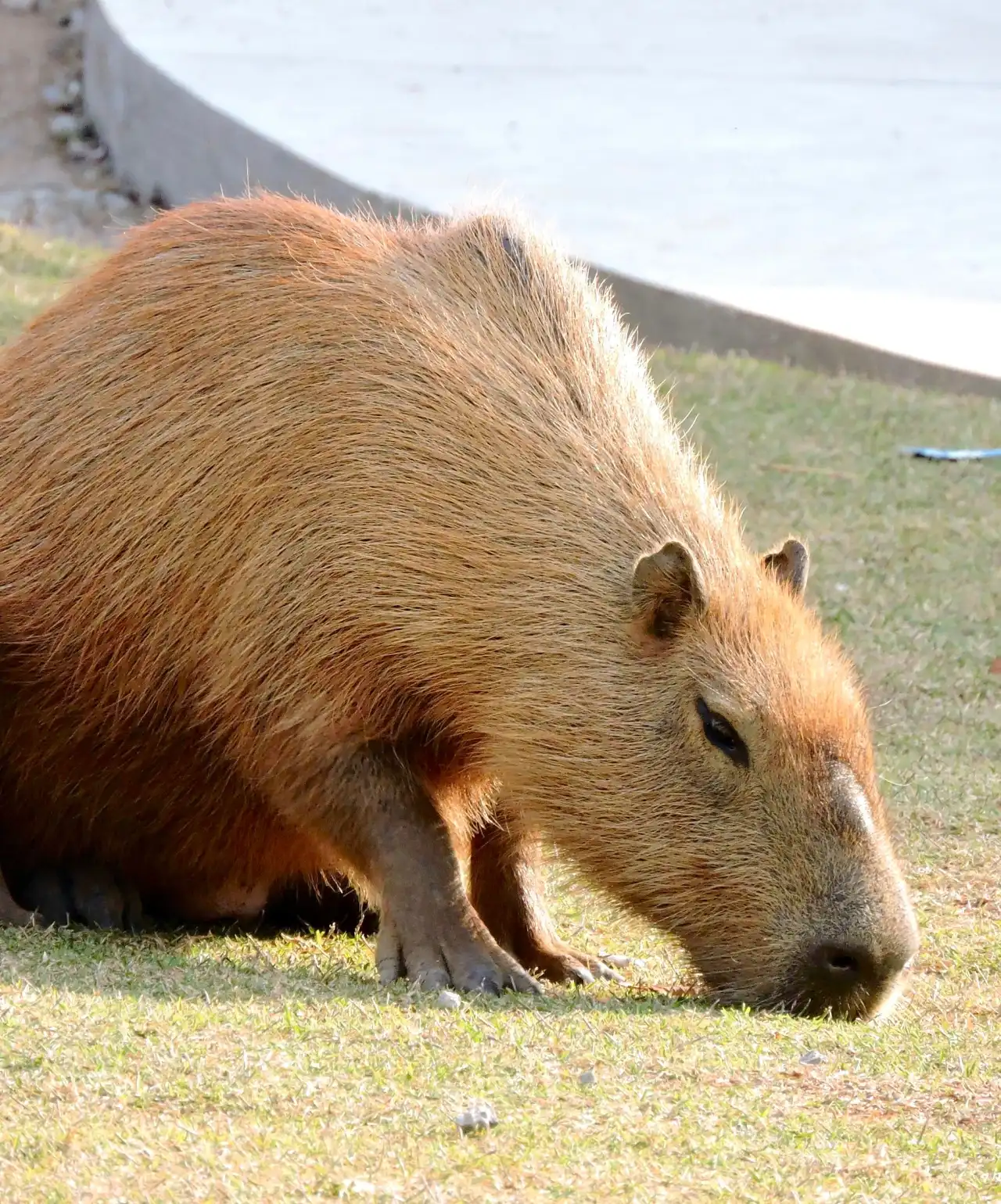
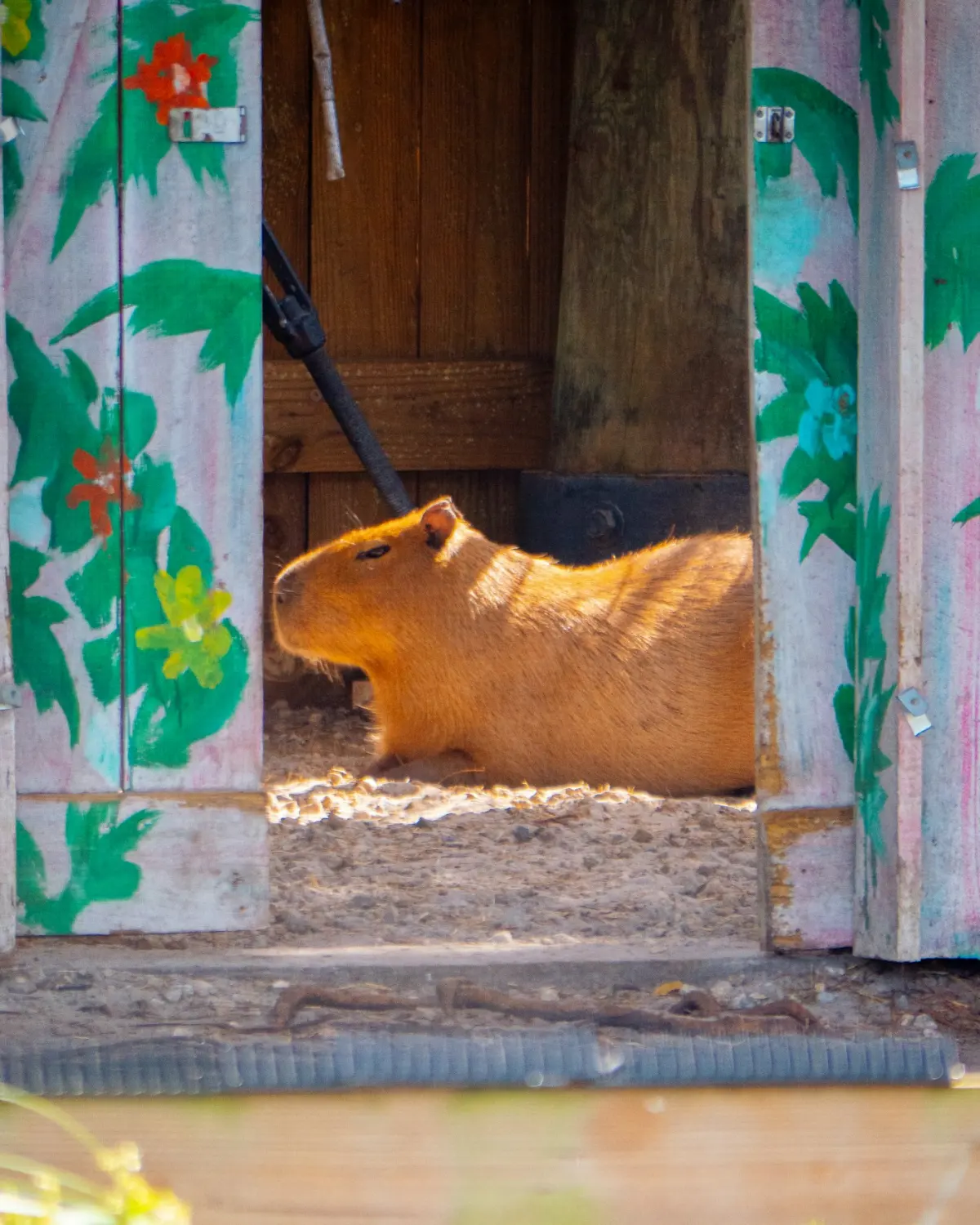
A common misconception about capybaras is that they are some kind of exotic, fragile creature requiring specialist conditions. They are not. Capybaras are the largest rodents on earth — adults can reach 65 kg and stand over half a metre at the shoulder. They are, taxonomically, close relatives of guinea pigs, which is worth sitting with for a moment.
Pups are born fully furred and with their eyes open, and they can walk within hours. They are not helpless in the way that, say, altricial birds are. Within days, young capybaras will begin grazing alongside adults. The transition from dependent infant to functional herd member is rapid by mammal standards, which is one reason capybara groups tend to feel socially cohesive rather than fractured by infant care demands.
The Drusillas-to-Jersey pipeline
Tango’s backstory raises a point that zoo coverage rarely addresses directly: capybaras in UK zoos do not materialise from nowhere. They move between institutions as part of managed breeding and population programmes. The AOL report of the Jersey Zoo announcement notes that Tango arrived as one of triplets from Drusillas Park, which is a small family-oriented zoo in East Sussex that has kept capybaras for several years.
The fact that Tango is now a father at Jersey Zoo is, from a population management perspective, the point. Triplets from one site producing offspring at another is exactly how small zoo populations maintain genetic diversity without importing animals from the wild. It is not glamorous, but it is functional.
What semi-aquatic actually means for a zoo setting
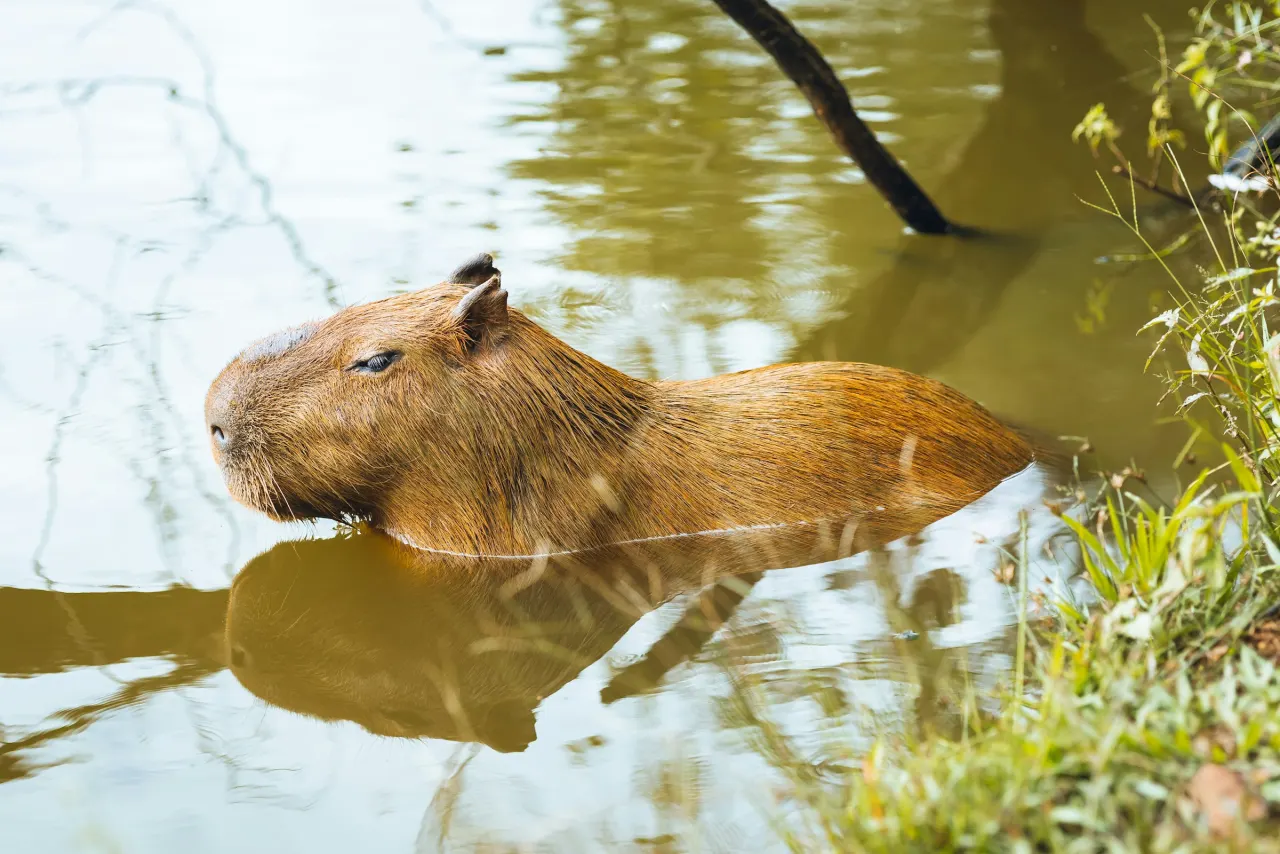
The source material describes capybaras as semi-aquatic, which is accurate and worth unpacking. In the wild, capybaras spend significant time in rivers and lakes across South America — they can hold their breath underwater for up to five minutes, a capability they use to evade predators including jaguars and anacondas. They also thermoregulate by wallowing, which means access to water is not a nice-to-have for a zoo enclosure; it is a welfare requirement.
Jersey Zoo’s capybara enclosure presumably meets that standard, given the animals are breeding successfully. Successful reproduction is generally a reasonable proxy for baseline welfare, even if it tells you nothing about the finer details of enrichment or space.
The Grumpy Capy take
Two healthy pups and a confirmed live birth is good news, and there is no reason to be churlish about it. Jersey Zoo has a capybara with an actual documented history — an escape, a literary encounter, a transfer across zoos — and that context makes this more interesting than a standard “baby animal born” announcement.
What the story does not tell us is almost everything: the pups’ names, their sexes, whether Tango has shown any paternal interest, or what the zoo’s longer-term plan is for the growing group. The “proud parents” framing in the announcement is PR shorthand that tells you the communications team is pleased, not that Tango has undergone any discernible personality change since his woodland adventure.
Worth noting: the source material here is thin. The AOL article is a brief repackaging of a zoo social media post, and the underlying post was not directly accessible. Details are limited accordingly, and this article has filled context gaps with verified capybara biology and Tango’s documented prior history rather than speculation.