A new home for Tango and Ripple
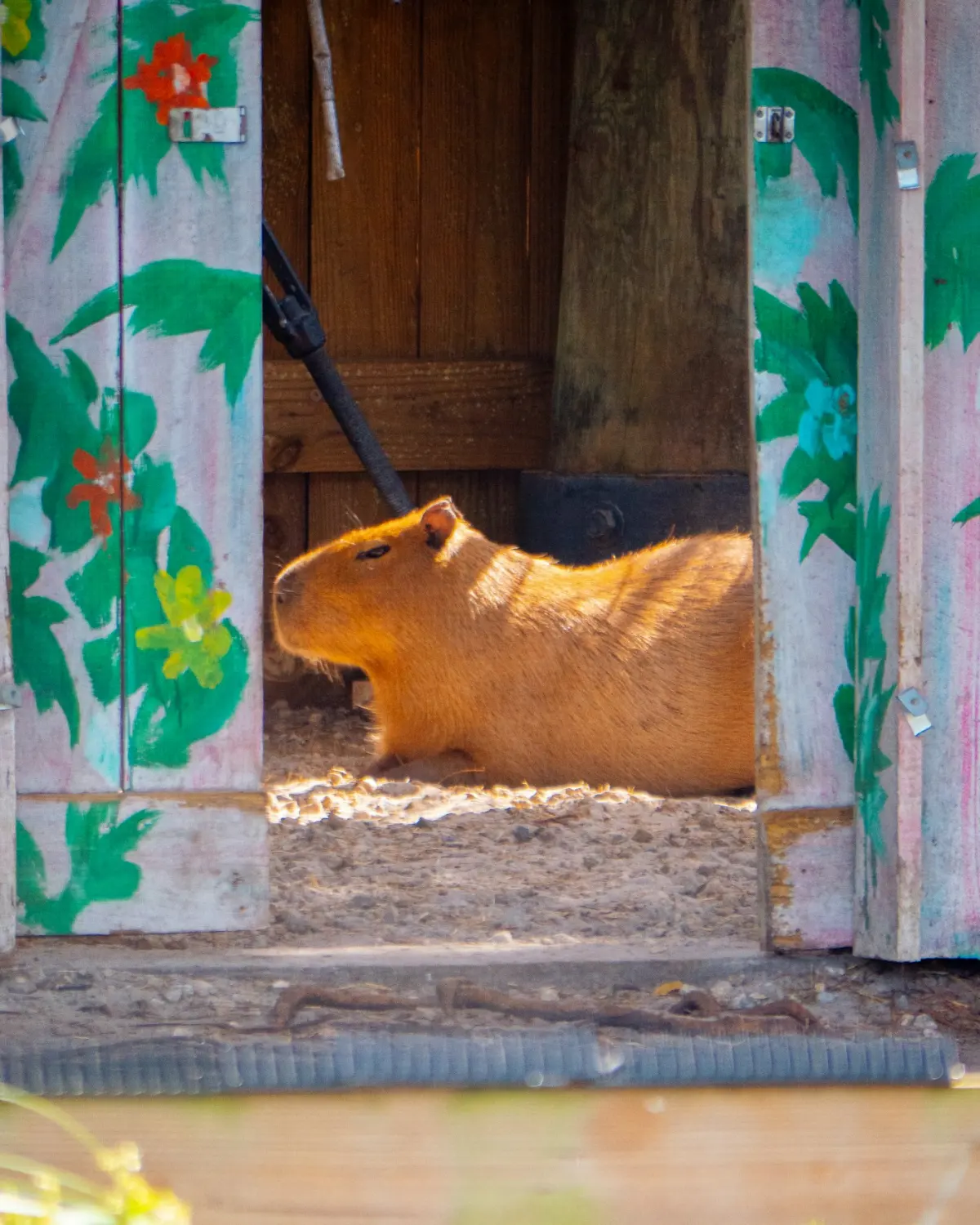
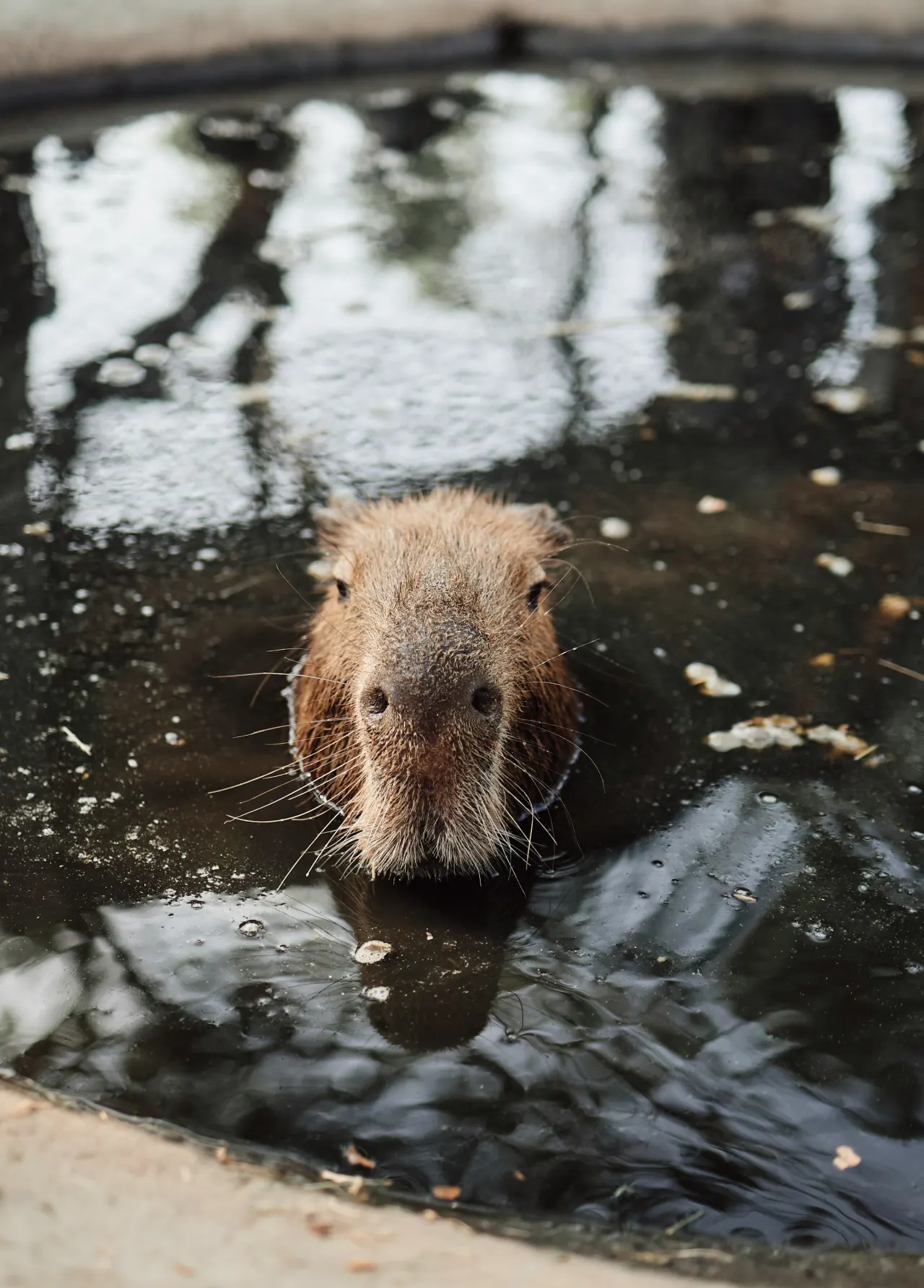
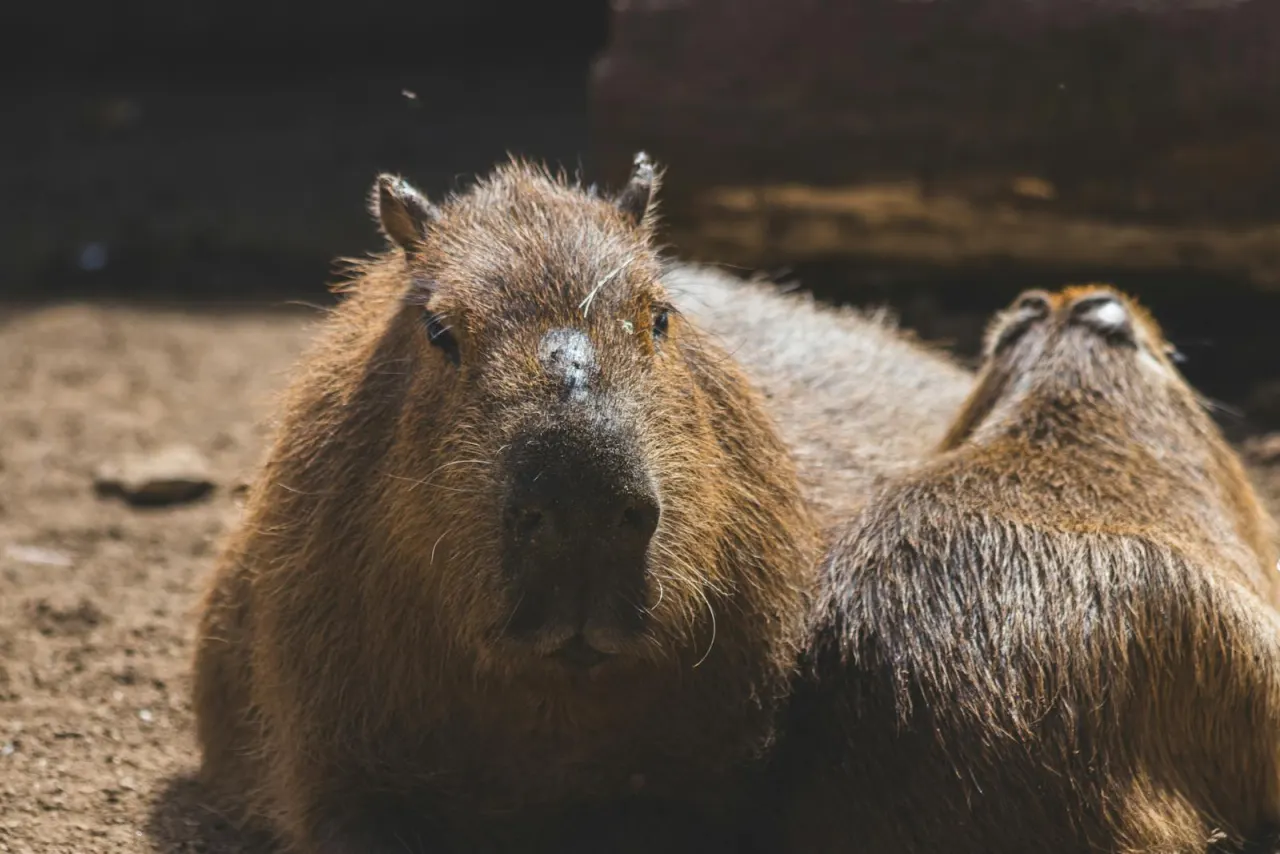
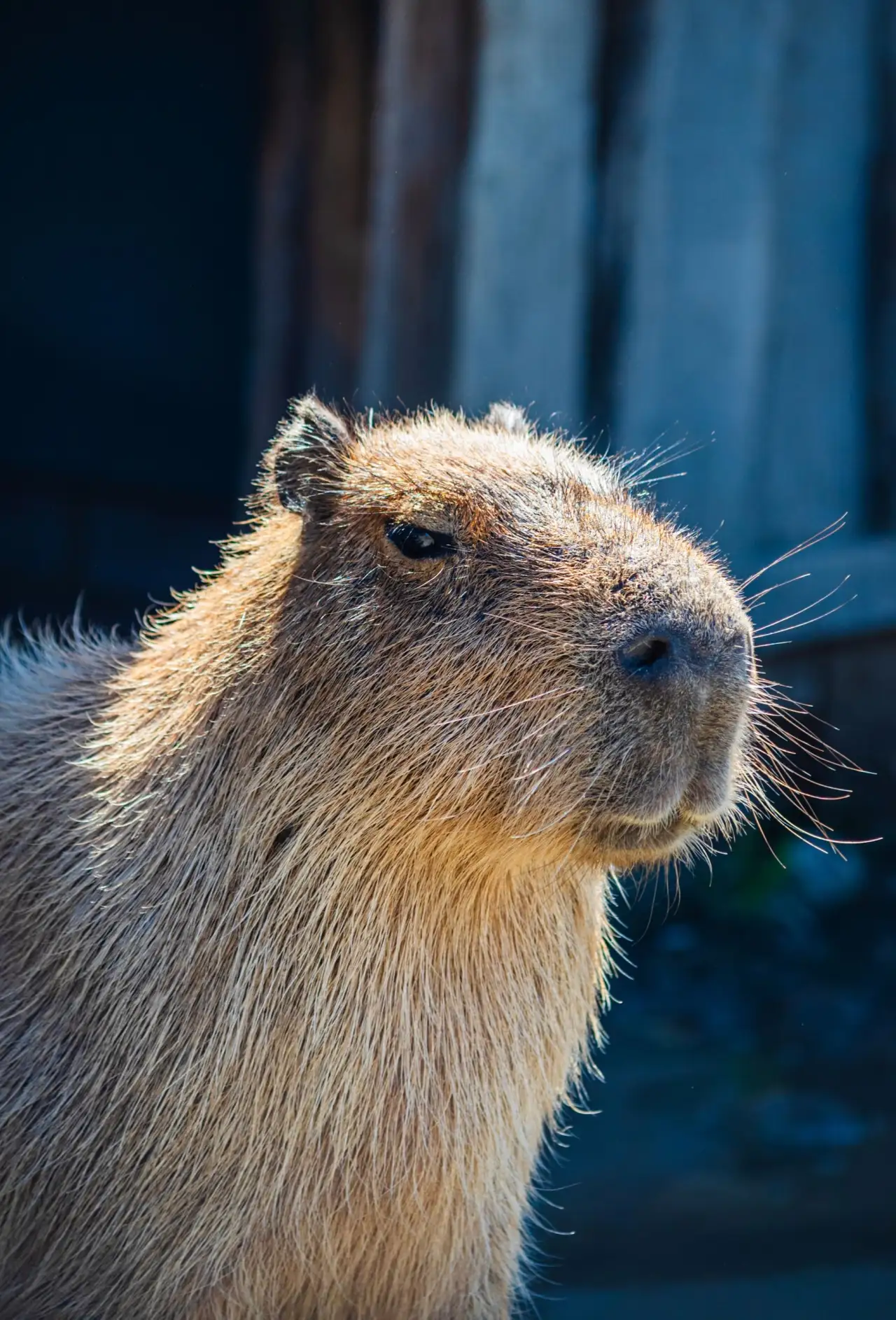
Marwell Zoo has recently given its capybara residents a fresh start by moving them to a new enclosure. On a recent Friday, Tango and Ripple, the zoo’s current capybara inhabitants, explored their updated living quarters for the first time. This new space comes shared with a sitatunga antelope—an unusual roommate but one that might provide some cross-species companionship.
According to BBC, the zoo announced their move on social media, perhaps hoping to distract from the ongoing saga of Samba, the runaway capybara. It’s a bittersweet moment, with the zoo trying to balance the excitement of a new enclosure with the persistent absence of one of its members.
The ongoing search for Samba
Samba’s escape story began on 17 March, less than a day after her arrival at Marwell Zoo. She broke free from a temporary enclosure alongside her sister Tango. While Tango was quickly rounded up and returned, Samba has proven more elusive. Described by the zoo as the more adventurous sister, Samba has managed to evade capture for over four months now, despite the zoo’s extensive search efforts.
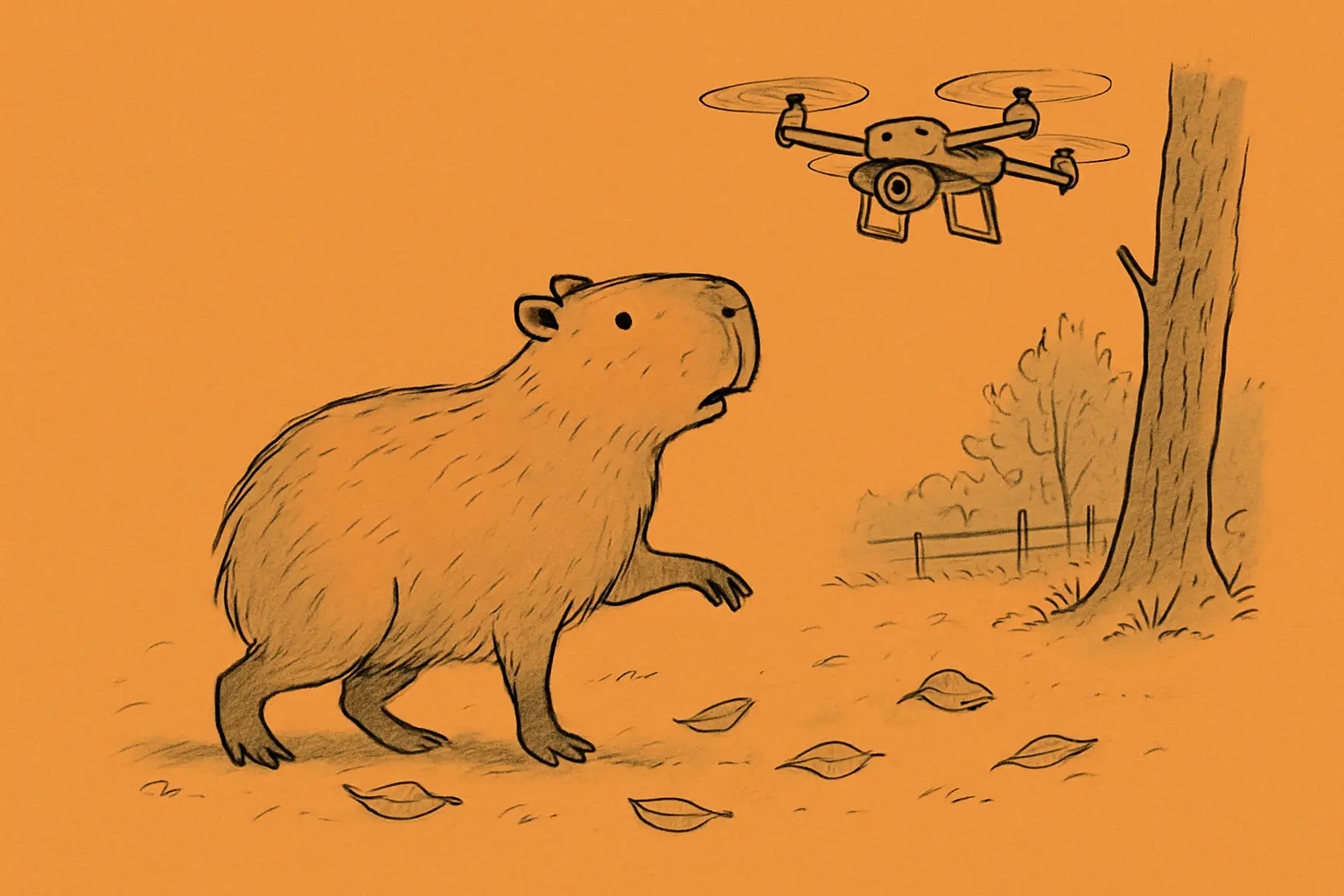
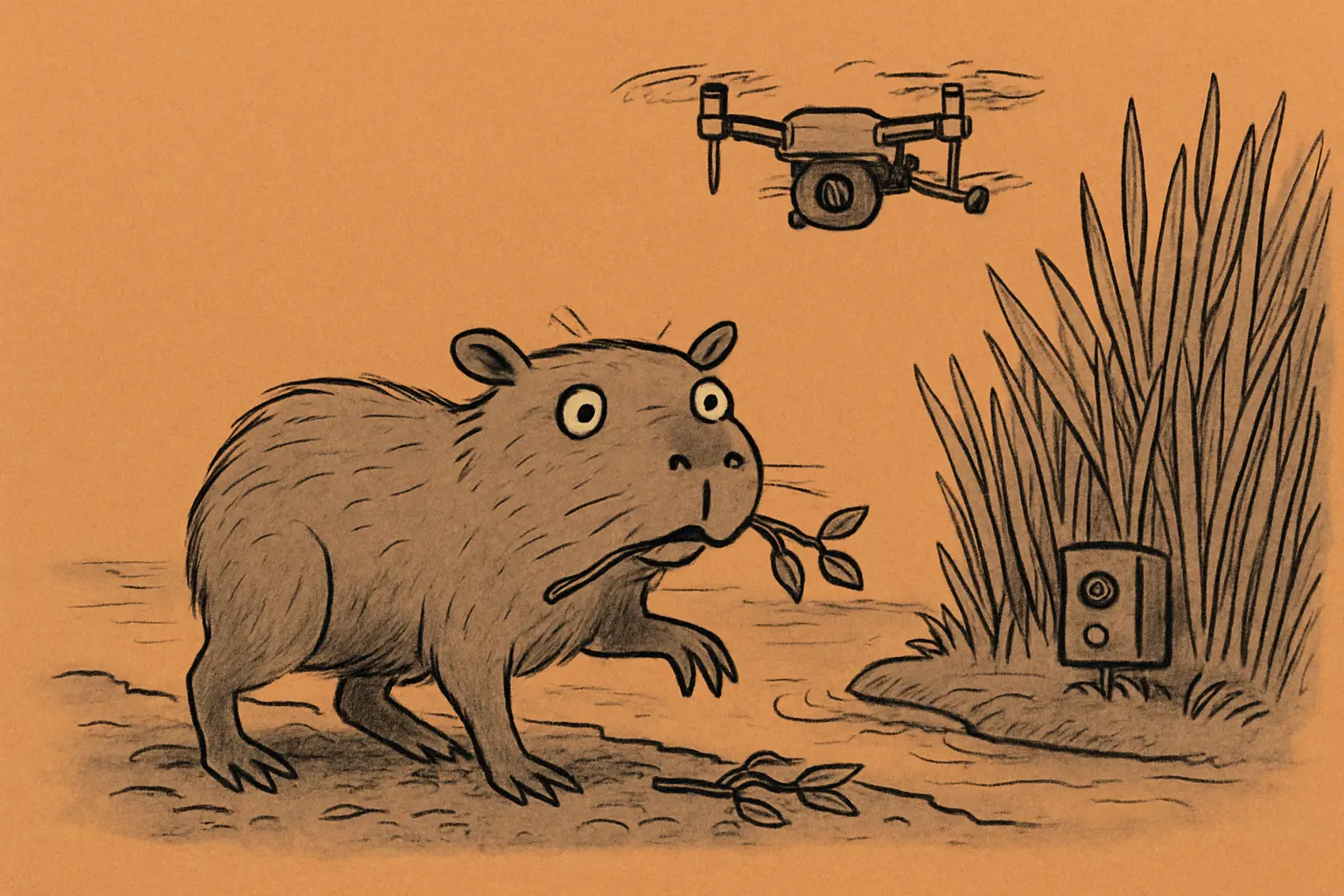
Samba has been spotted in various locations, from lazing about on riverbanks to potentially frequenting a pub. The zoo has urged anyone who thinks they’ve seen her to capture a photo and send it alongside location details. Thermal drones and a specialist sniffer dog have so far failed to pinpoint her whereabouts. It’s a capybara-sized mystery that continues to puzzle the zoo staff.
Capybara misconceptions and facts
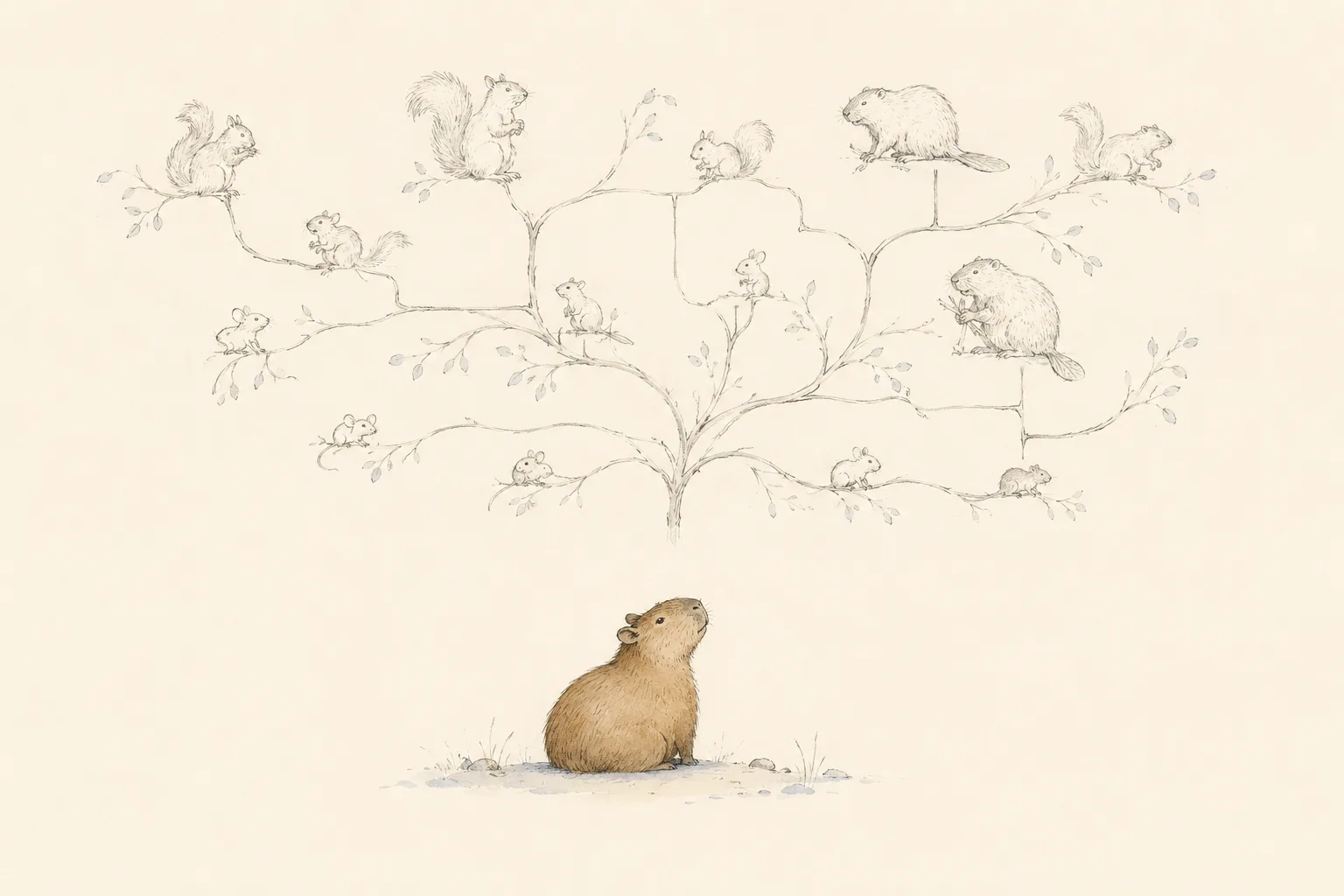
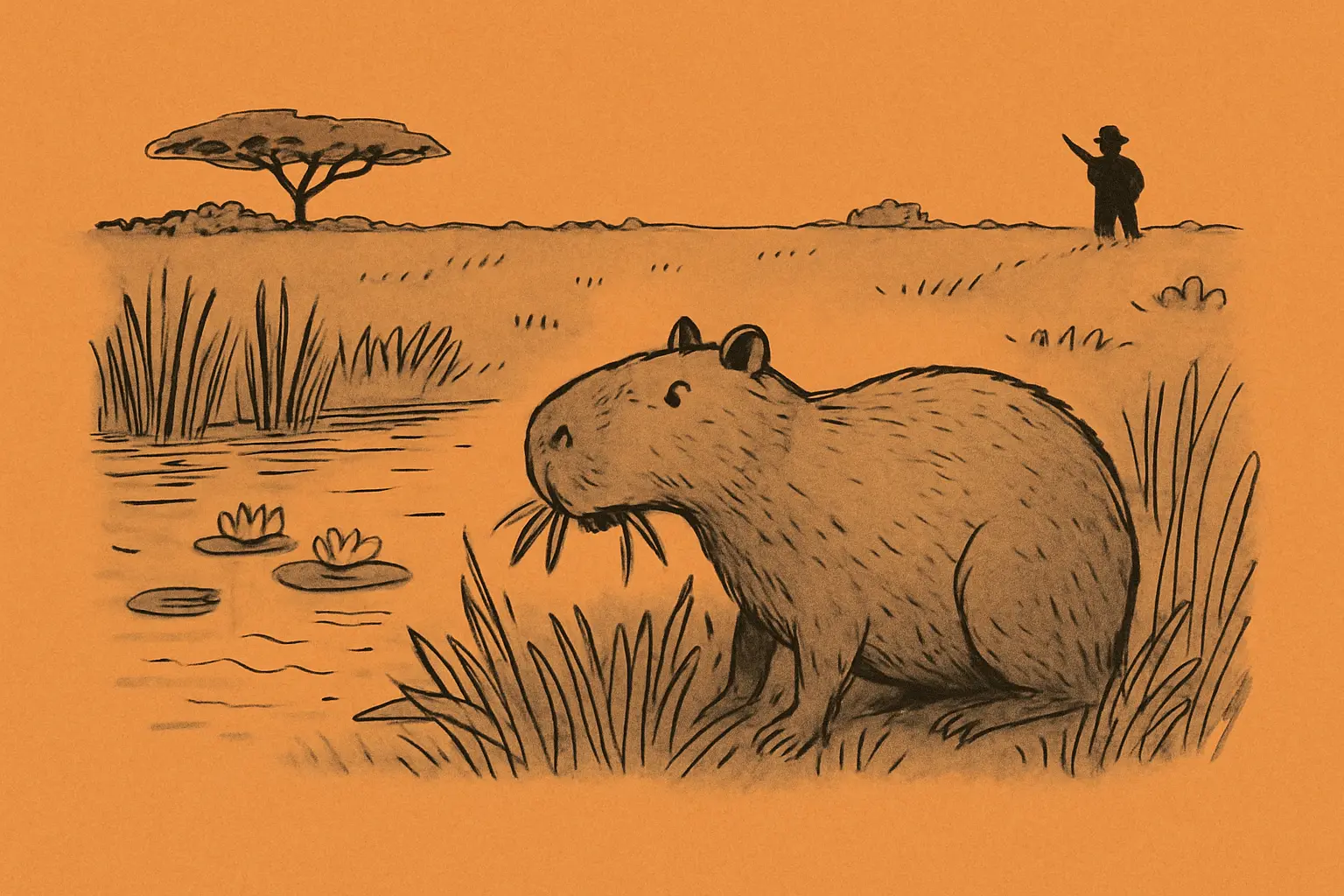
Capybaras are not exactly the kind of animals that can go unnoticed, considering they are the largest rodents on Earth. However, their semi-aquatic lifestyle means they can be surprisingly good at hiding—especially in areas with dense vegetation and water bodies. A common misconception is that because they are large, they must be easy to spot. Yet, their adept swimming skills make them elusive targets.
The zoo’s public appeals hint at another issue: capybaras are often mistaken for other wildlife. For instance, a large capybara might be confused with a deer or a large dog at a distance. These misunderstandings complicate the search efforts but also highlight how little the public might know about these fascinating rodents.
The bite mark and Samba’s elusive nature
One potential lead came when a fisherman reported seeing Samba in the Brambridge area in late June. This sighting prompted a search on 6 July, but once again, the capybara was nowhere to be found. The use of thermal-imaging drones and sniffer dogs might sound impressive, but without tangible evidence like photos or distinctive bite marks on vegetation, Samba’s location remains speculative.
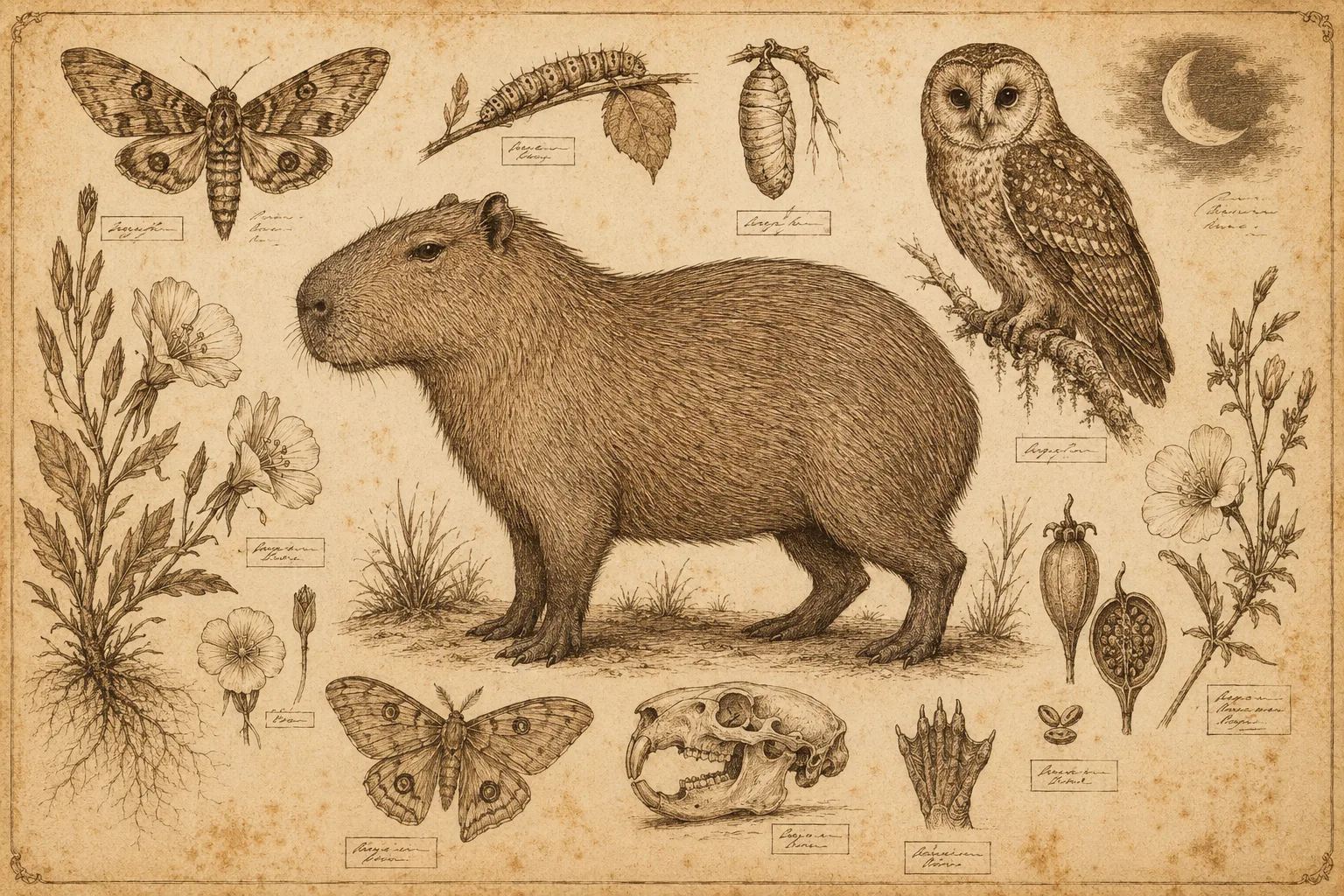
Capybaras have continuously growing teeth, which can leave unique marks on trees and plants. Such evidence could be a more reliable indicator of Samba’s presence than another unverified sighting. Unfortunately, this angle seems to have been underexplored amidst the zoo’s flashy technological efforts.
The Grumpy Capy take
Marwell Zoo’s persistent Samba saga feels like a perpetual game of hide and seek that the capybara is winning. The zoo’s efforts appear earnest, yet one can’t help but sense a certain over-reliance on technology when some old-school tracking might provide better leads. Photos and bite marks offer tangible evidence that thermal drones simply cannot.
It’s worth questioning whether the public’s ability to identify a capybara—let alone photograph one—is as robust as the zoo hopes. The call for public involvement is admirable but perhaps overly optimistic. And while the zoo celebrates the new enclosure for Tango and Ripple, one wonders how long the Samba episode will persist in the background, quietly unresolved.
For transparency, this article draws primarily on the BBC’s report regarding Marwell Zoo’s ongoing search and recent events.