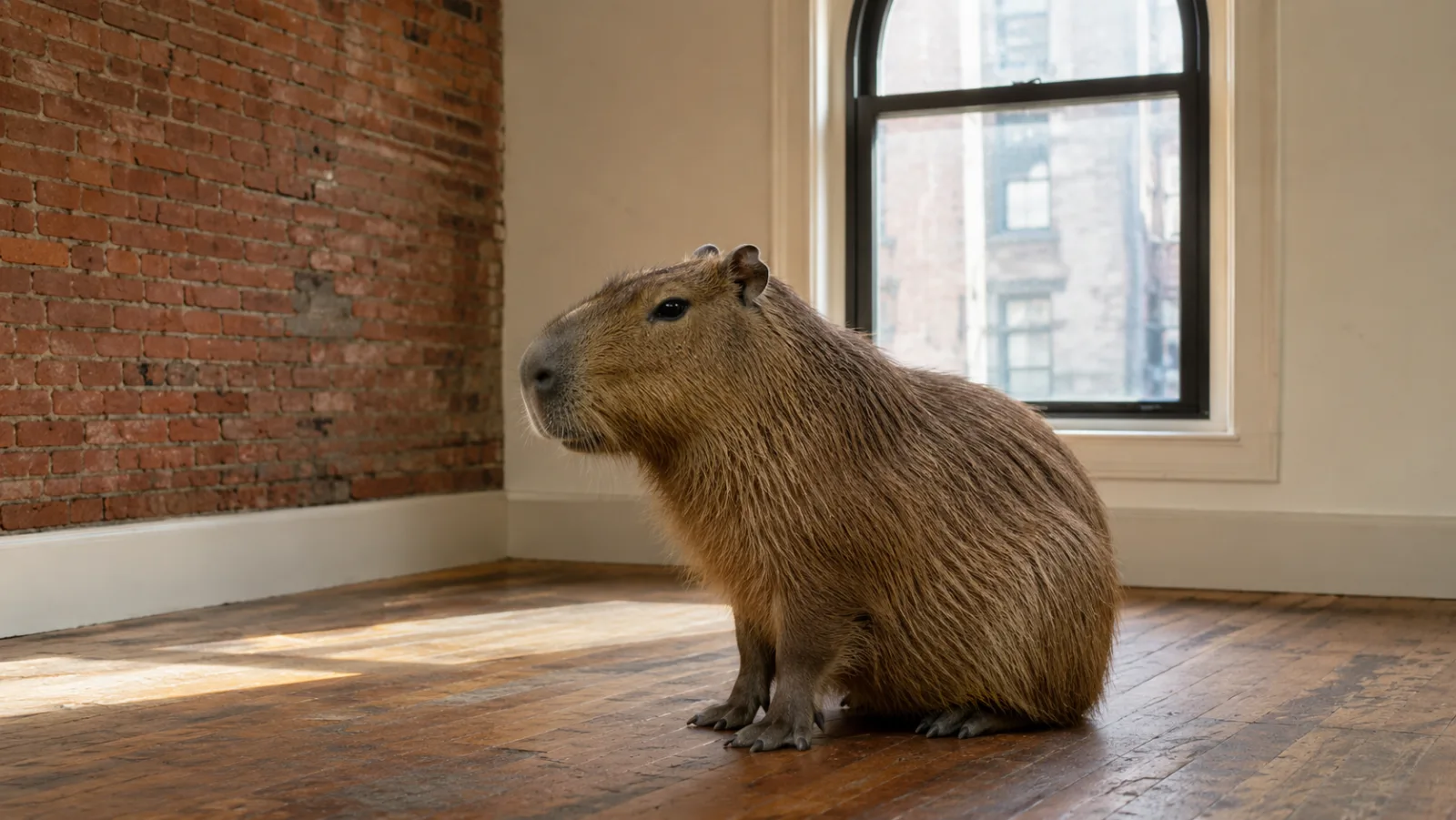

A surprise litter at Hertfordshire Zoo
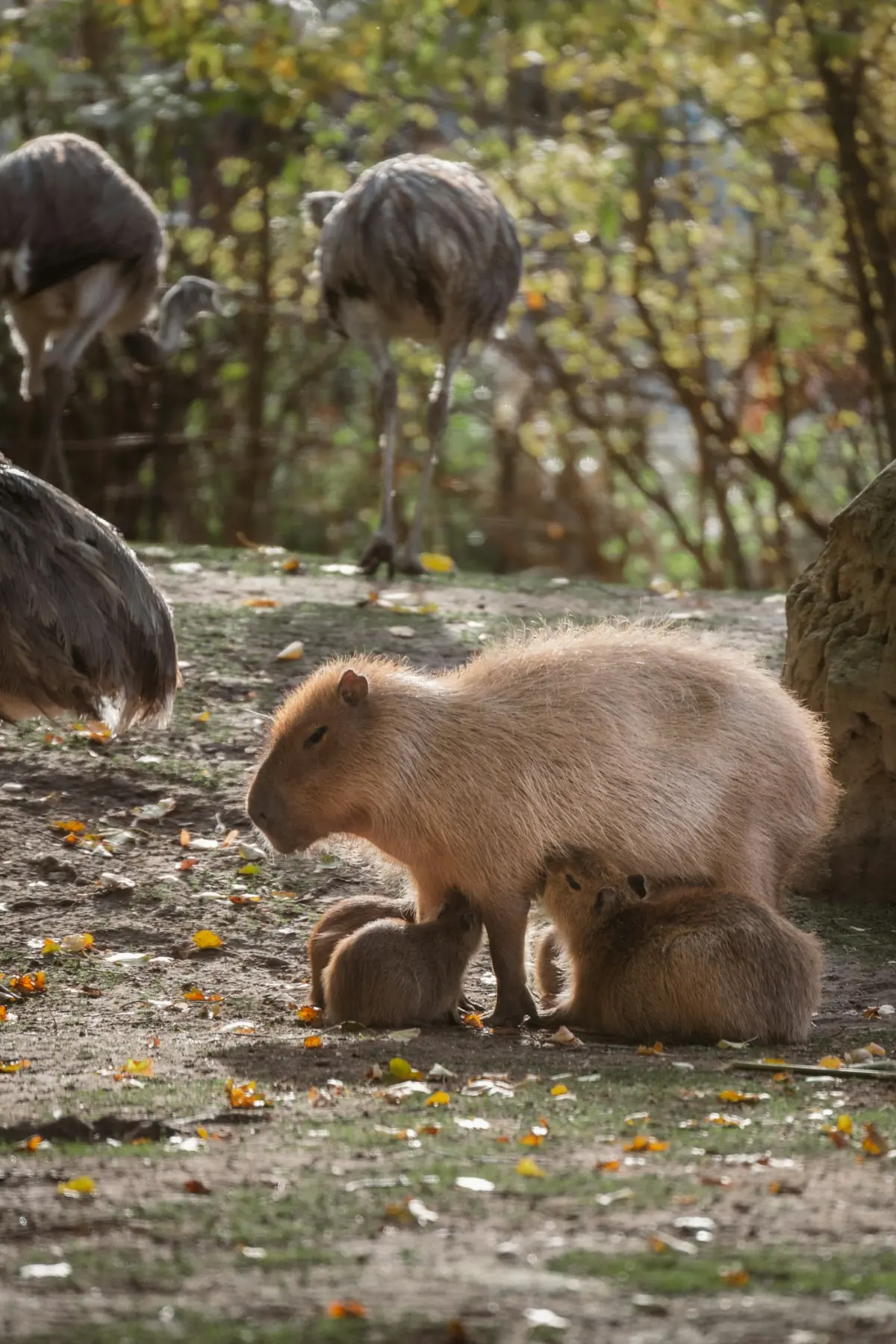
In a delightful turn of events, Hertfordshire Zoo has announced the birth of five capybara pups. The new arrivals, born to first-time parents Maple and Mani, made their debut on July 13. Initially, the keepers expected only three pups, so imagine their surprise when two more made their appearance. This unexpected addition has turned an already joyful event into quite the talk of the zoo.
The zoo’s managing director, Tyler Whitnall, expressed the team’s excitement at witnessing the births. He noted the instinctive confidence Maple displayed, managing motherhood without any intervention. The zoo has been busy, with the recent birth of a baby tapir as well, turning this area into a veritable maternity ward.
Early explorations for the young capybaras
The newborn capybaras, weighing in at 2kg each, wasted no time getting acquainted with their surroundings. Capybara pups, like their adult counterparts, are quick to adapt, standing on their feet and exploring within minutes of birth. This rapid adjustment is crucial for their survival in the wild, where they must be ready to follow their herd.
The pups have already started nibbling on solid food, although they continue to rely on their mother’s milk. Their swift development underscores the capybara’s natural resilience and adaptability, traits that serve them well in their native South American habitats.
Capybaras: giants of the rodent world
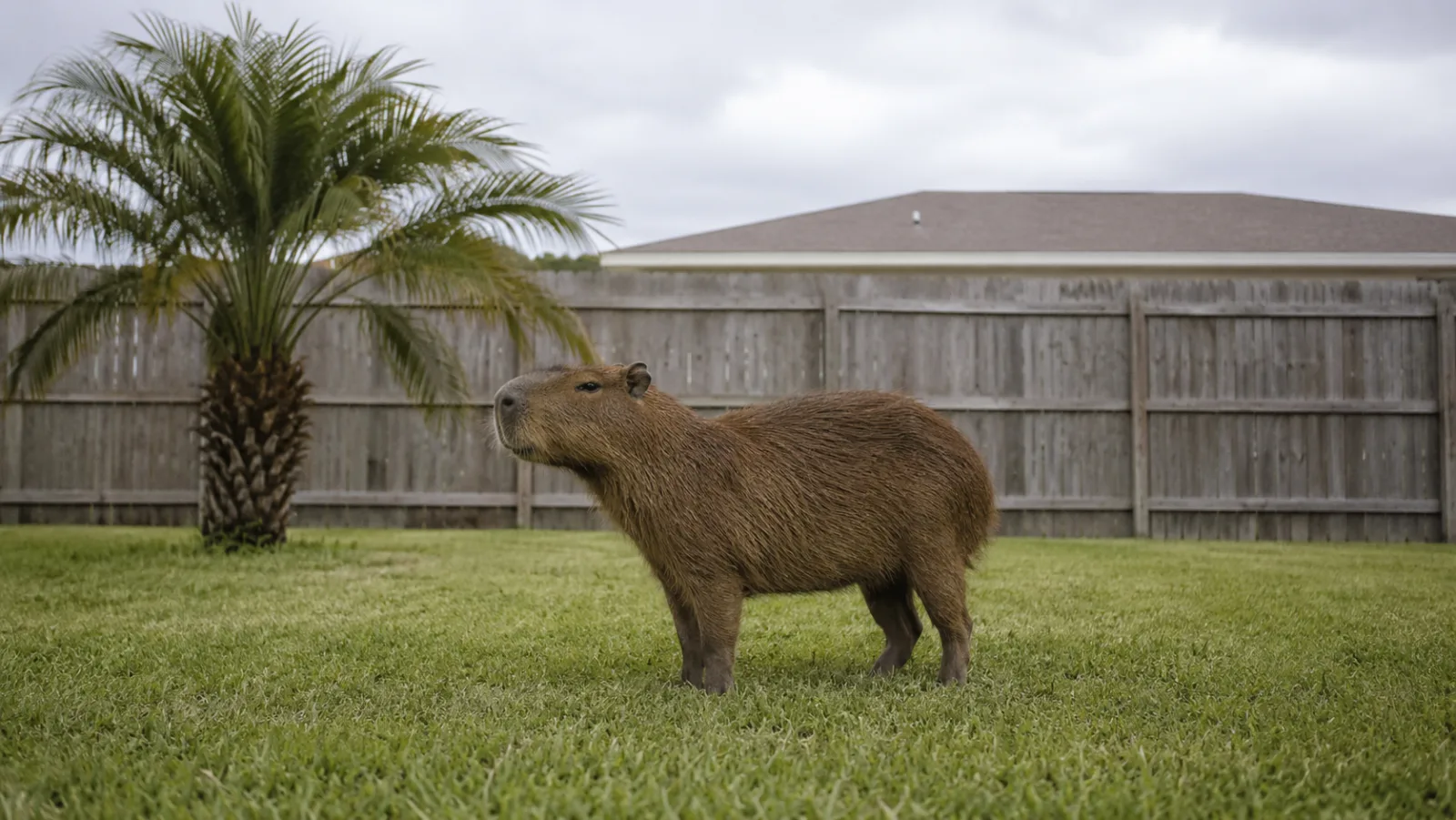
Capybaras hold the title of the world’s largest rodents, a fact that often surprises those more familiar with smaller rodent species. These semi-aquatic mammals are native to South America, where they thrive near rivers and wetlands. Despite their size, capybaras are known for their gentle nature and social behavior.
One fascinating aspect of capybara biology is their ability to stay submerged underwater for up to five minutes. This skill allows them to evade predators and cool off during the heat of the day. Their webbed feet make them excellent swimmers, a necessary trait for their semi-aquatic lifestyle.
Misconceptions about these gentle giants
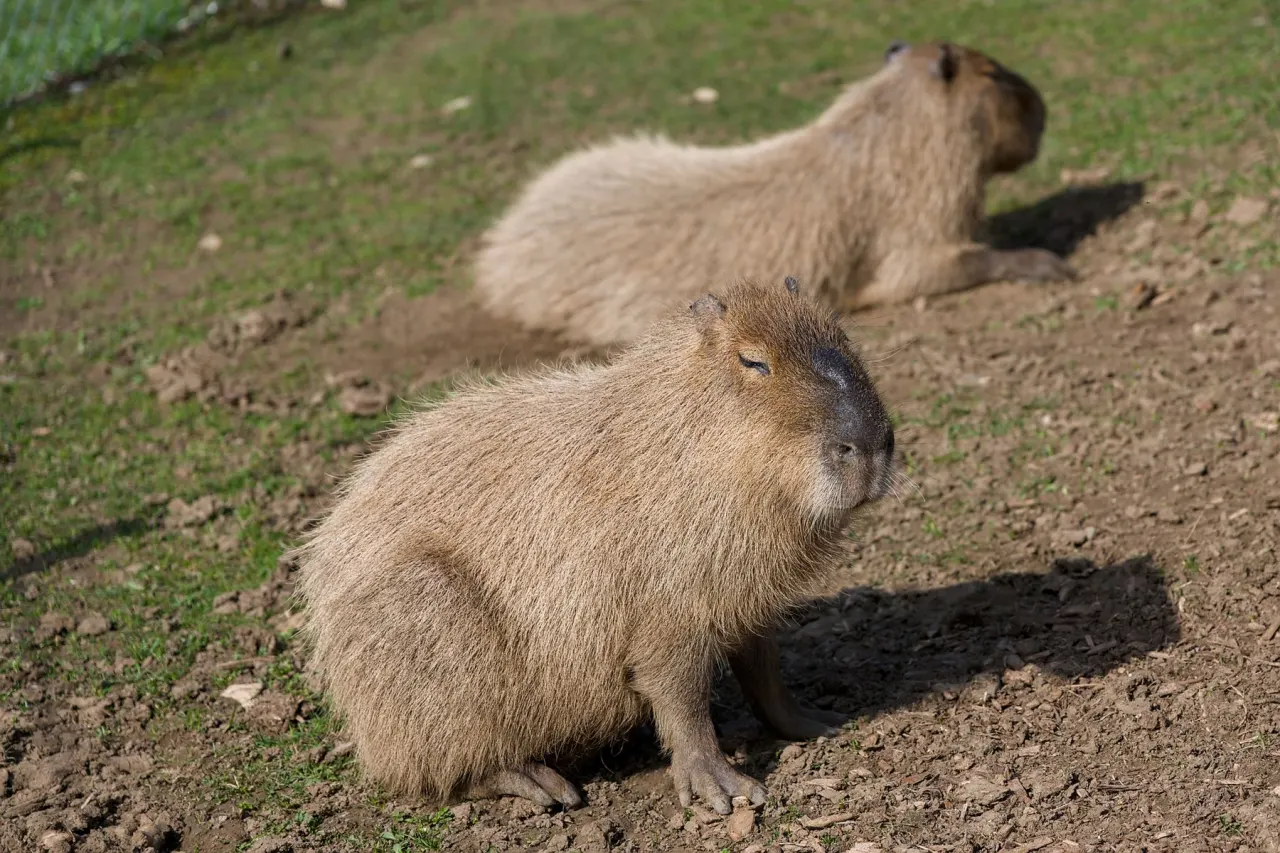
A common misconception is that capybaras are solitary creatures. In reality, they are highly social animals that live in groups. This social structure is crucial for their survival, providing protection and aiding in communication. Capybaras use a series of barks, whistles, and purrs to convey different messages within their group.
Another point of confusion is their diet. While often assumed to be strictly herbivorous, capybaras are specifically grazers with a preference for grasses and aquatic plants. Their teeth, which never stop growing, are perfectly adapted for this diet, constantly being worn down by the fibrous vegetation they consume.
The Grumpy Capy take
Let’s be honest: while the birth of five capybara pups is undeniably cute, it’s hardly a groundbreaking event in the broader capybara narrative. Capybaras are prolific breeders, and their births are routine in zoos worldwide. The real story here might be how zoo marketing leans heavily on the ‘cute factor’ to draw attention.
For those less familiar with capybaras, perhaps the more intriguing angle is their social behavior and adaptability. Watching them explore their world from day one is a testament to their evolutionary success. But let’s not kid ourselves—this is not the dawn of a new era for capybara-kind. It’s just another day in the life of the world’s largest rodents.
Sourcing note: this comes from a single SWNS wire item. Wire copy is usually accurate on the basics and thin on everything else, and no zoo statement was available to check it against.