Marwell Zoo’s high-tech hunt
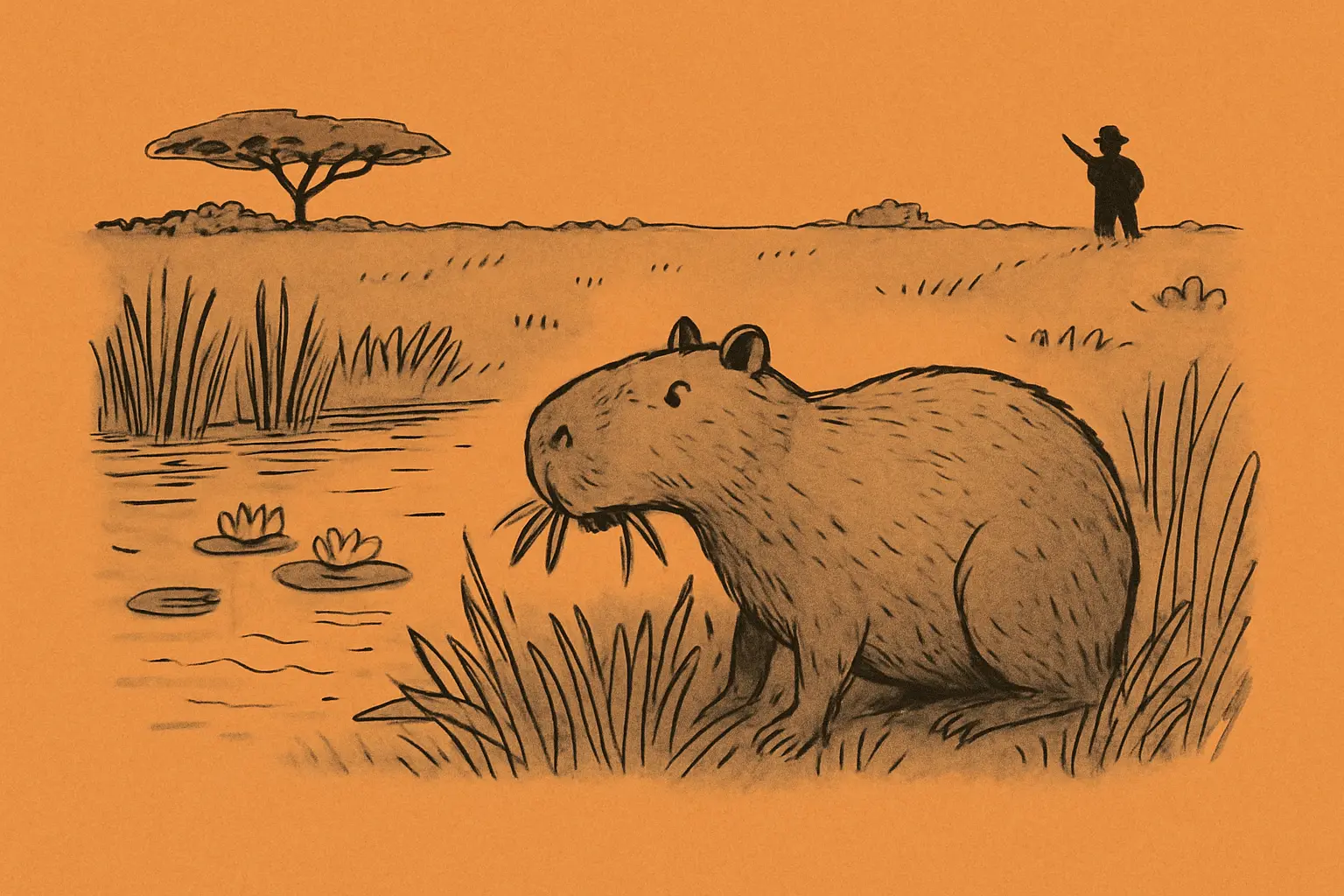
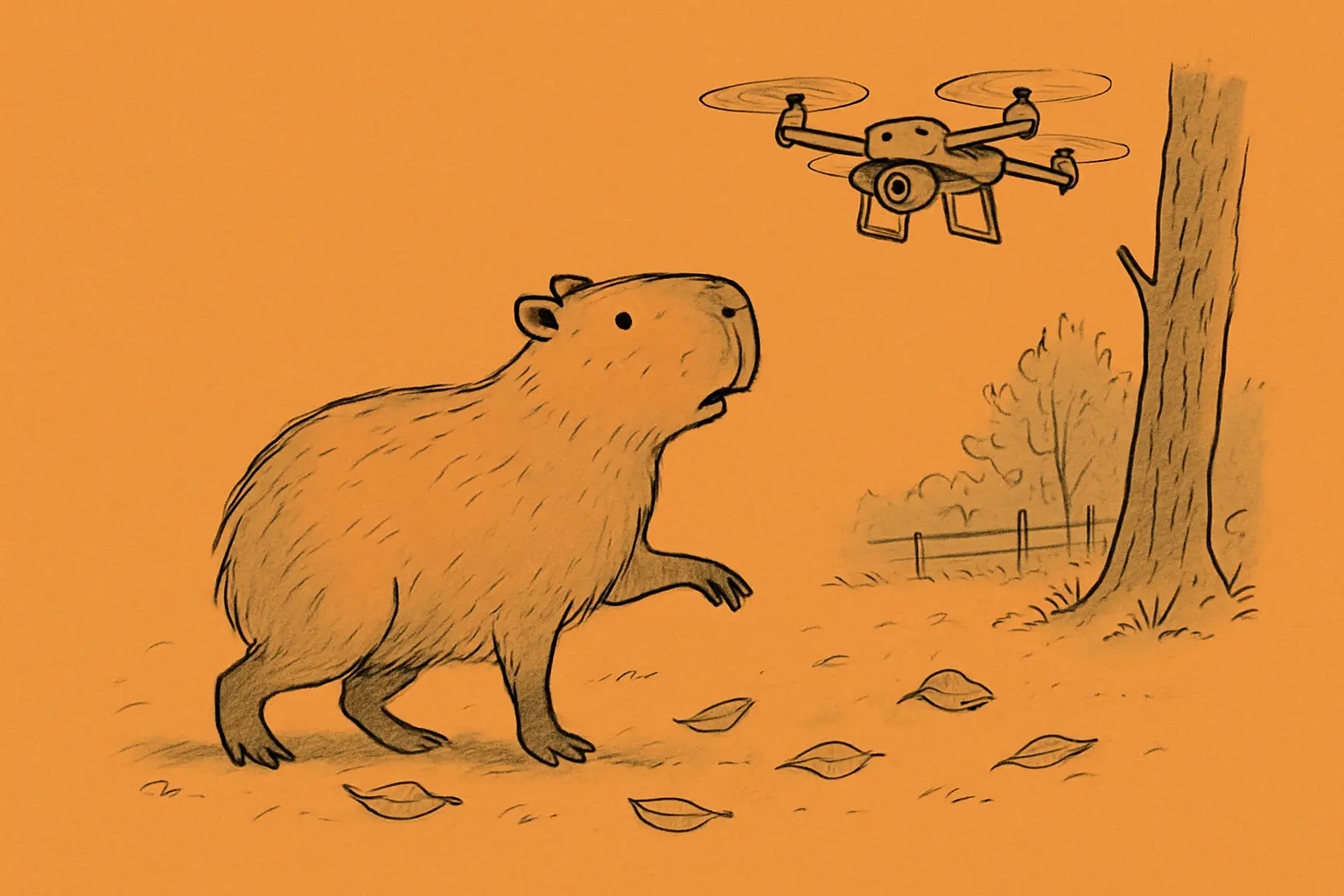
Marwell Zoo has turned to modern technology in its ongoing effort to locate a capybara that escaped from its confines more than seven weeks ago. According to the Basingstoke Gazette, the zoo is now employing drones to scour the Hampshire countryside for their missing rodent. These drones are intended to cover large expanses of land in less time than it would take a ground search team. Yet, the question remains: will these flying machines actually be able to spot a capybara camouflaging in the English landscape?
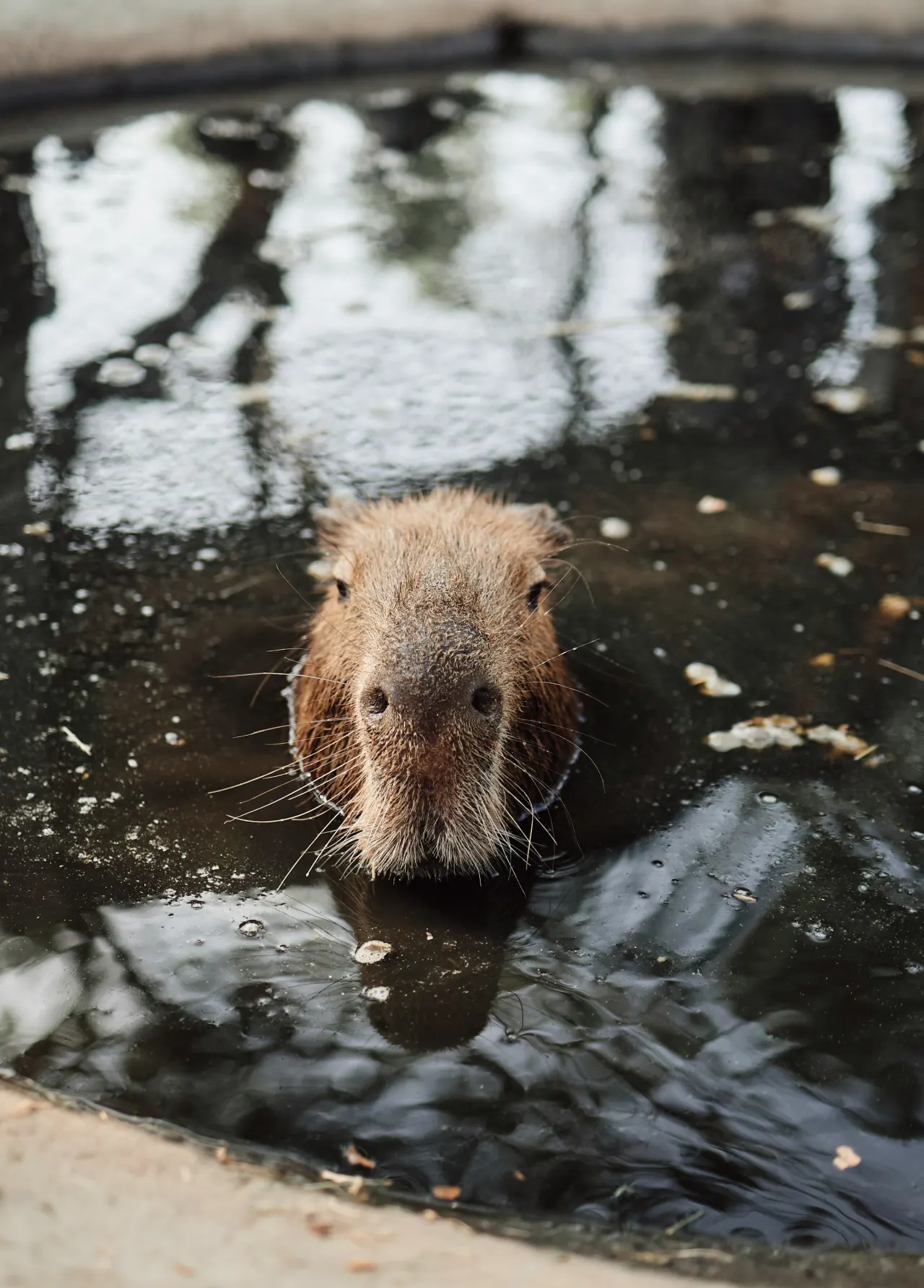
Capybaras, as the largest rodents on earth, are typically hard to miss. However, when it comes to the dense woodlands and fields of Hampshire, even a hefty capybara can blend in more than you might expect. The drones are equipped with thermal imaging technology, which should, in theory, make it easier to spot a warm-bodied capybara hiding among cooler foliage.
The elusive escapee
This particular escapee has proven to be quite the enigma. The capybara in question slipped out of its enclosure at Marwell Zoo and has managed to elude capture for 49 days and counting. As Daily Echo notes, the zoo has received numerous reports from the public regarding sightings, but these have yet to yield any fruitful leads.
One persistent issue is the mistaken identity problem. In the low light or at a distance, capybaras can be confused with other wildlife like the local muntjac deer. This complicates the task of distinguishing genuine sightings of the escaped capybara from false alarms.
Misconceptions about capybaras
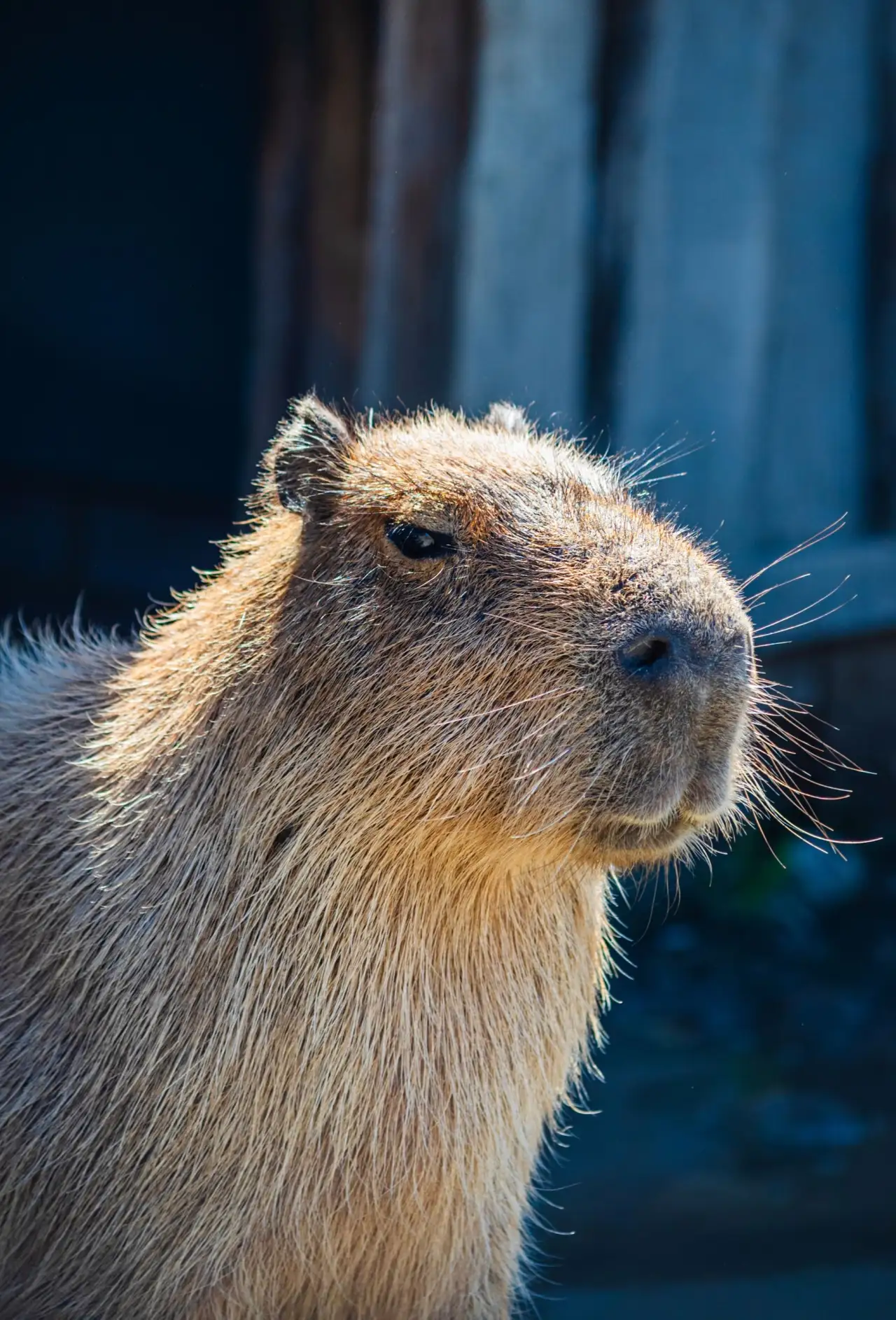
Despite their size and distinctive webbed feet, capybaras often find themselves misunderstood. A common misconception is that they are merely large guinea pigs. While it is true that they are closely related, capybaras are their own unique species with distinct traits. They are semi-aquatic and can hold their breath underwater for up to five minutes, a skill that may well be aiding this particular fugitive’s evasion of capture.
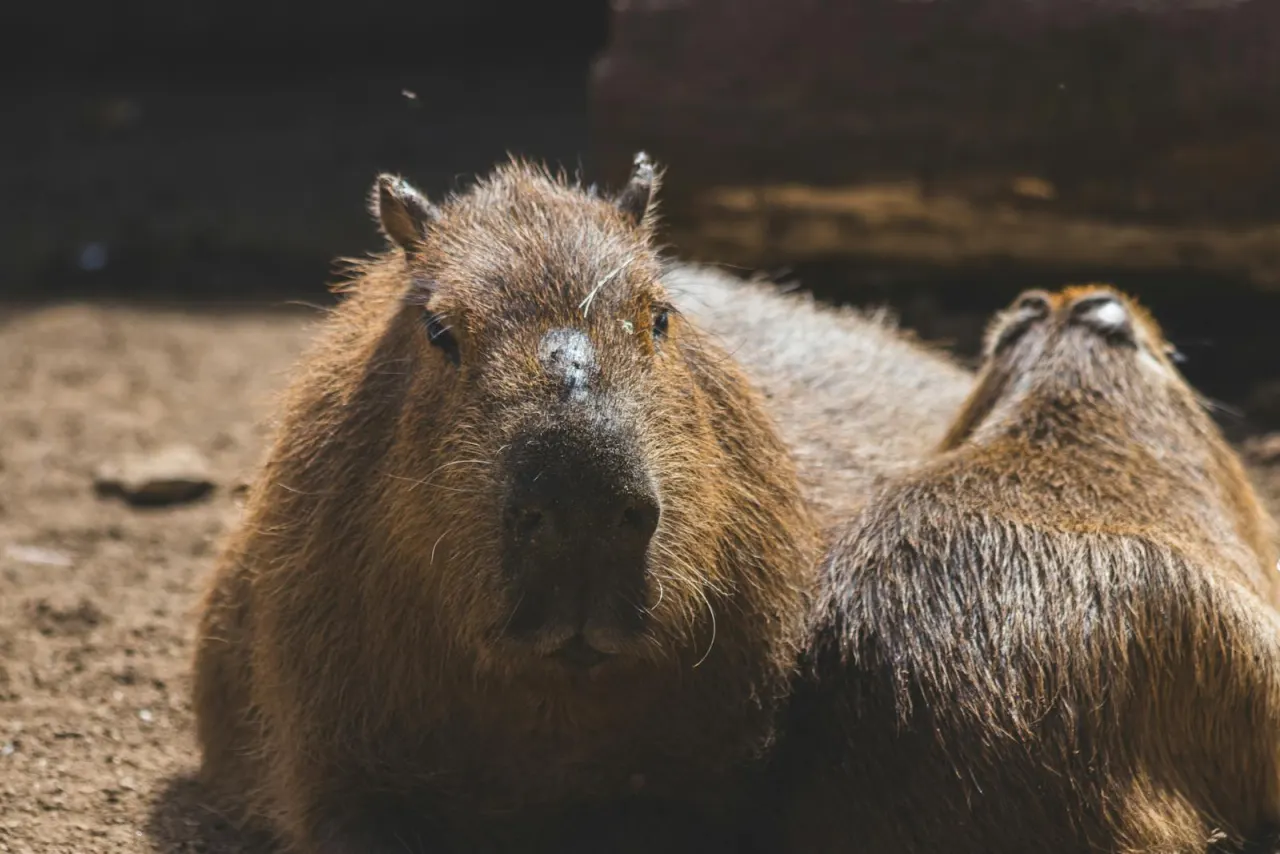
Another point of confusion often surrounds their behavior. Capybaras are social animals, often seen in groups in the wild. This solitary capybara, however, is in a rather unusual situation, potentially making its behavior less predictable.
The drone dilemma
The introduction of drones into this search adds a layer of complexity. While drones can cover large areas quickly, their effectiveness in densely wooded areas is debatable. Thermal imaging is only as good as the line of sight, and dense canopies can obscure even the best-equipped drone’s view.
Furthermore, the presence of drones in the sky could potentially disturb other wildlife, leading to more confusion and false sightings. The zoo must weigh the benefits of this technology against the possible disruption it may cause to the local ecosystem.
The Grumpy Capy take
The deployment of drones by Marwell Zoo feels like a shot in the dark, albeit a well-intentioned one. While it’s heartening to see innovative methods being employed, the practicalities of drone searches in such an environment remain suspect.
It seems the zoo might be relying on technology to solve a problem that requires a more nuanced, perhaps more traditional approach. Only time will tell if this technological venture will yield results, or if the capybara will continue to roam free, blending into the Hampshire landscape like an oversized, water-loving ghost.