The Ministry’s clarification
In a recent announcement, Colombia’s Ministry of Environment and Sustainable Development has clarified its position on the commercial hunting of the capybara, or chigüiro, as it’s locally known. According to ColombiaOne, Minister Lena Estrada emphasized that the government “will not authorize commercial capybara hunting.” This statement comes after a wave of public concern following a misleading official statement that suggested there might be legal backing for such hunting activities. However, Estrada insists no such resolution is under consideration.
This clarification follows a misunderstanding that arose in mid-June, when a Ministry statement was interpreted as an endorsement of commercial capybara hunting. The situation spiraled into controversy, with environmentalists and animal rights activists rallying against what they saw as a potential threat to this iconic species.
Senator Padilla’s campaign
Animal rights Senator Andrea Padilla was quick to react to the initial confusion. She spearheaded a campaign that gained significant traction, drawing attention to the issue through a Change.org petition that amassed over 14,000 signatures. Her efforts, amplified by social media under the hashtag #NoALaCazaDeChiguiros, were part of a broader public pushback against any move towards legalizing the commercial killing of capybaras.
Padilla’s campaign echoed a deep-seated concern among Colombians about the implications of legal hunting for the capybara populations, especially in the Orinoquia region. Her efforts highlight the significant role that public advocacy and social media can play in shaping environmental policy.
The ecological role of capybaras
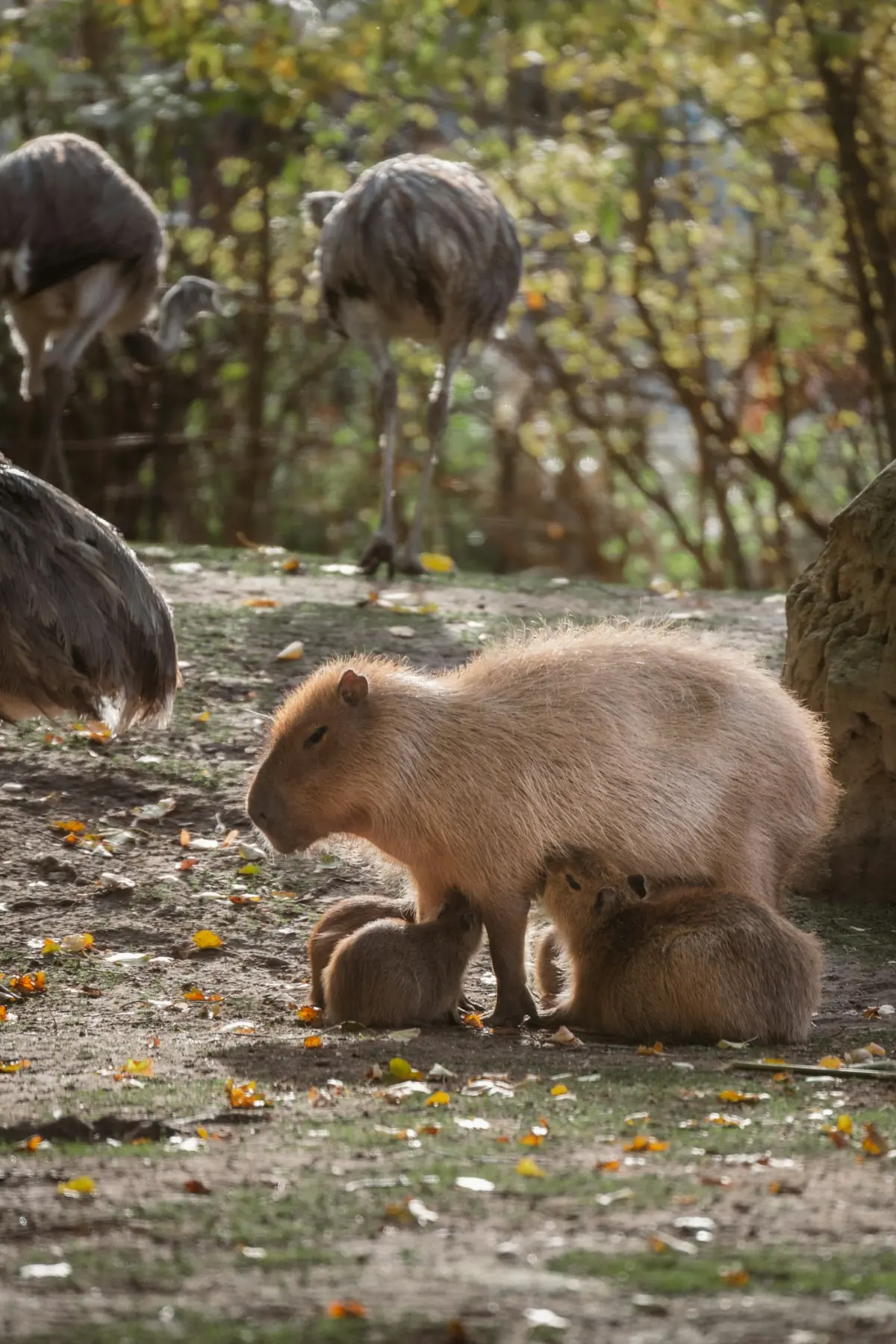
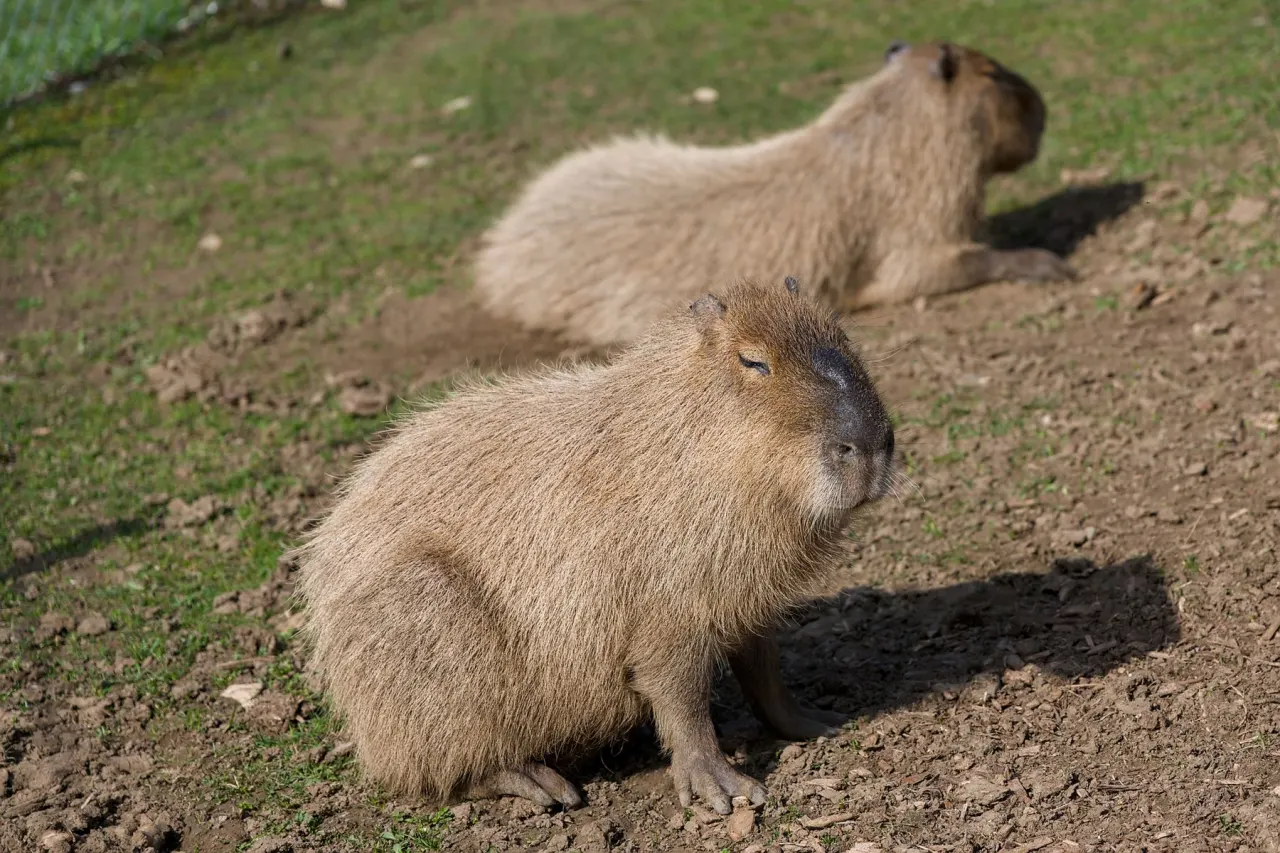
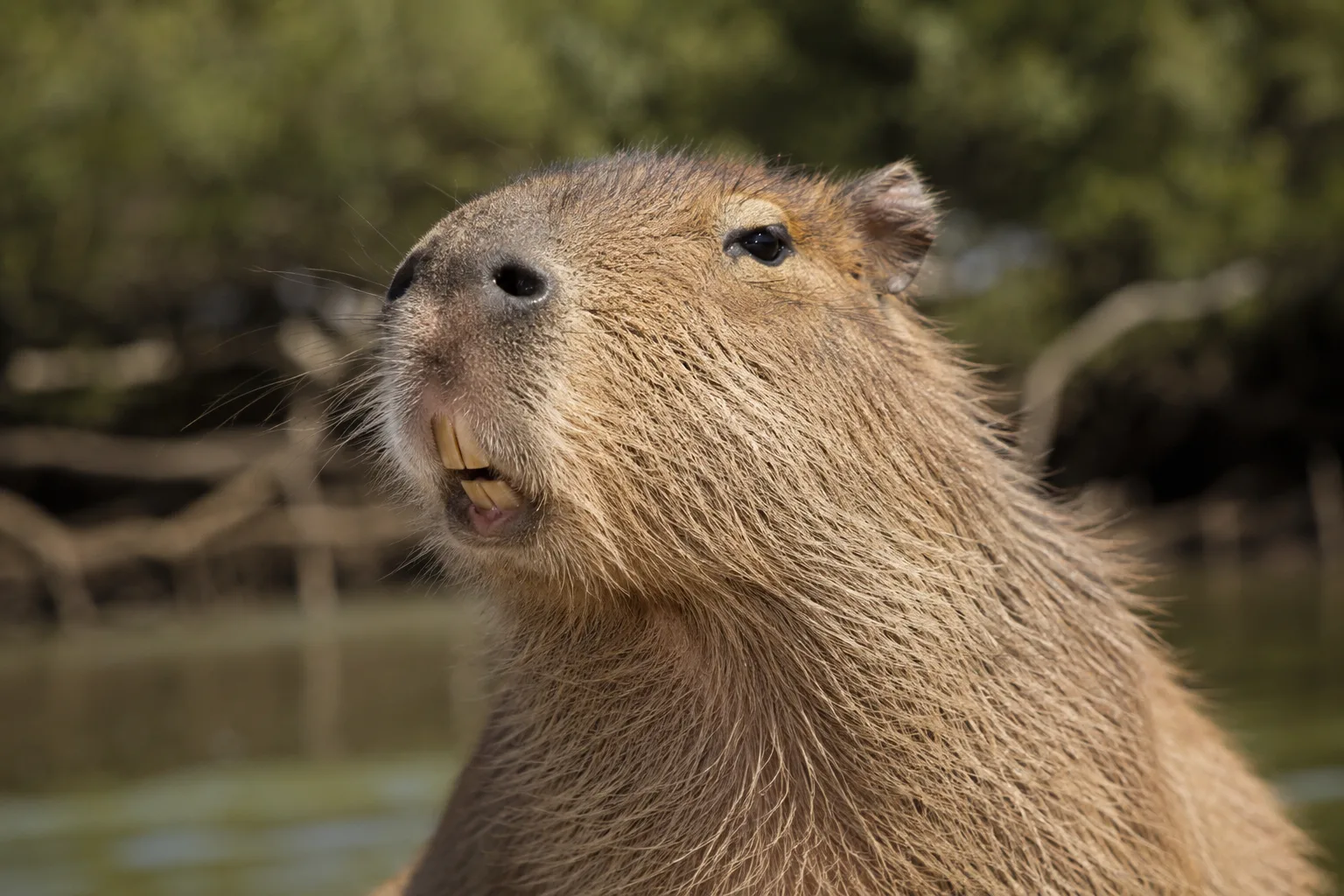
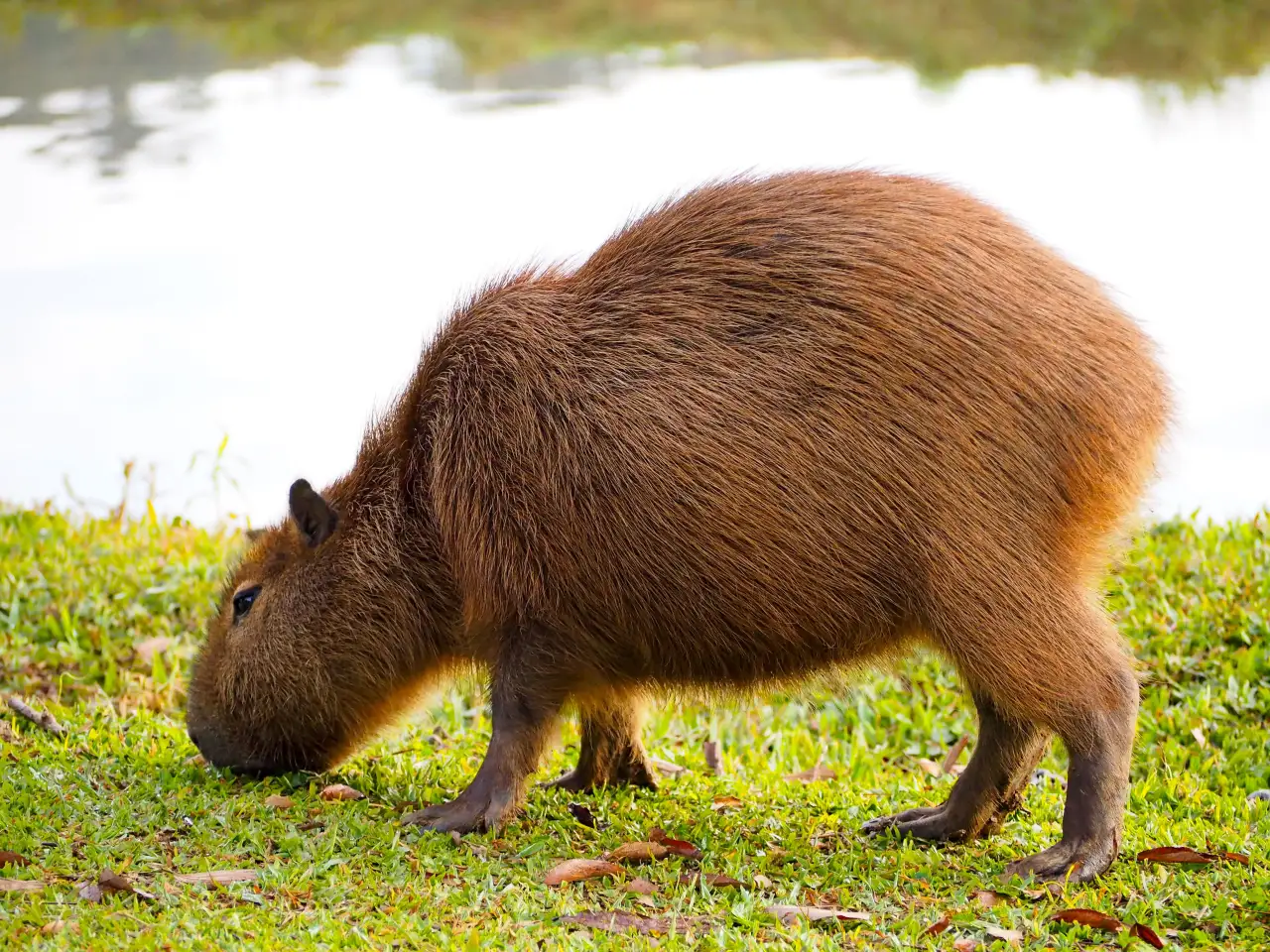
Capybaras, the world’s largest rodents, are more than just a curiosity. They play a crucial role in the ecosystems of Colombia’s Eastern Plains. By feeding on grasses and aquatic vegetation, they help regulate plant growth and keep waterways open, benefiting a host of other species including birds, fish, and amphibians. Their burrows serve as shelters and corridors for other wildlife, reinforcing their role as essential landscape engineers.
A common misconception is that capybaras are solitary. In reality, they are highly social animals, living in groups that can number up to 100 individuals. This social structure is integral to their survival, particularly against threats like poaching and habitat loss.
Threats and conservation efforts
Despite their ecological importance, capybaras face significant threats. Poaching for their meat and hides has been a persistent issue, often occurring without regulatory oversight. In addition, the rapid expansion of agriculture contributes to habitat loss, further endangering local populations. While capybaras are not globally endangered, their situation in Colombia is precarious.
The Ministry’s recent statement also highlighted the need for better regulation and control of the illegal trade in capybara meat. This trade fuels wildlife trafficking and contributes to environmental crime in Colombia. Minister Estrada has called for fortified controls, particularly in Bogotá and the Eastern Plains, to curb these illegal activities.
The Grumpy Capy take
So here we are, with Colombia’s Ministry of Environment reiterating what should have been clear from the start: capybaras are off the menu. The uproar over the potential legalization of hunting reveals the precarious balance between conservation efforts and economic interests—a balance that too often tips in the wrong direction.
Senator Padilla’s campaign is a testament to the power of public advocacy. It’s a reminder that when government statements are as murky as the waters capybaras swim in, it falls to vigilant citizens to demand clarity and accountability.
As with all things capybara, it seems the lesson is clear: don’t mess with their habitat, and certainly don’t mess with them. They’ve got enough to deal with, what with poachers and the occasional nosy journalist.
Sourcing note: Colombia One is the only English-language outlet to have reported this. The underlying government decision has not been independently verified here, and readers wanting the primary text should go to the Colombian authority directly.