Capybara baby boom at Rīga Zoo
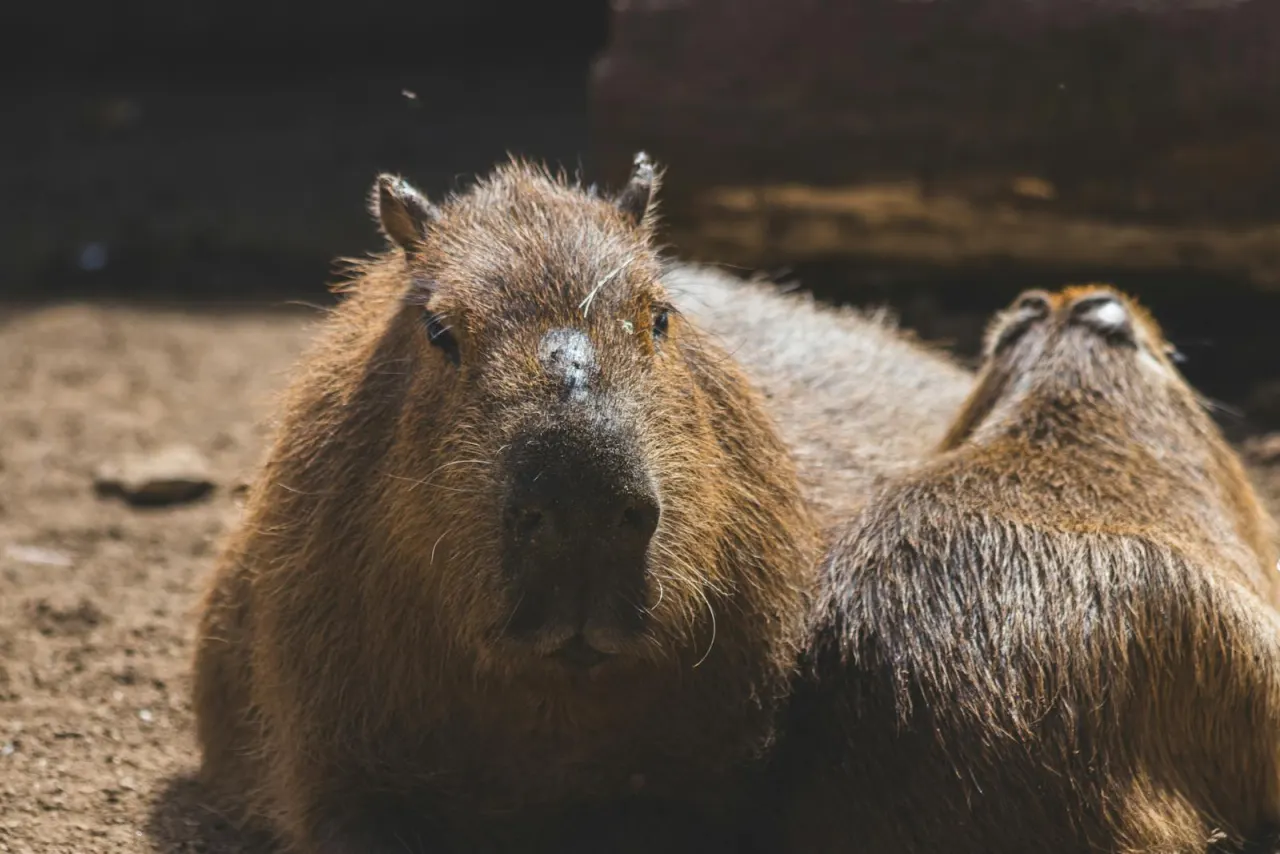
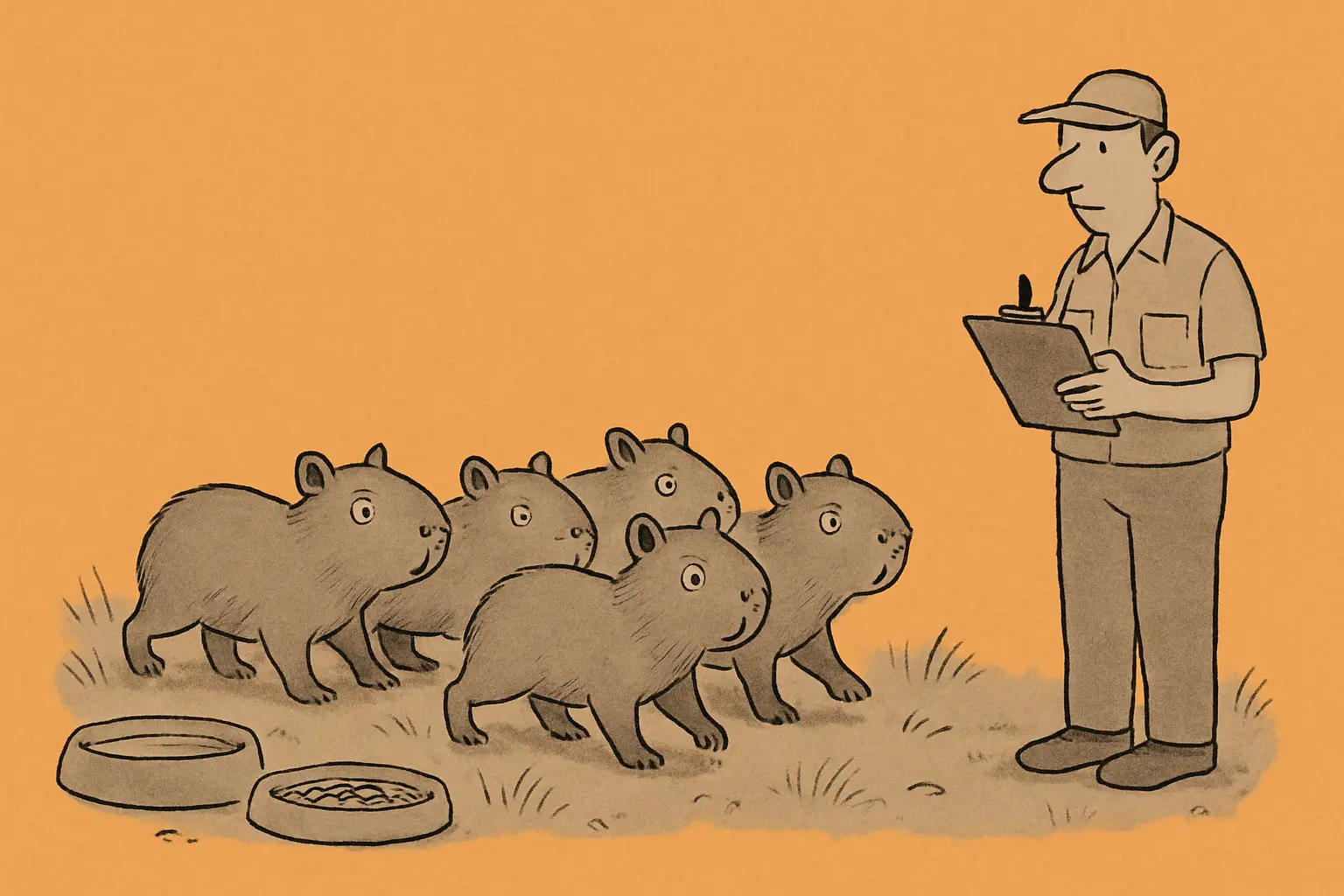
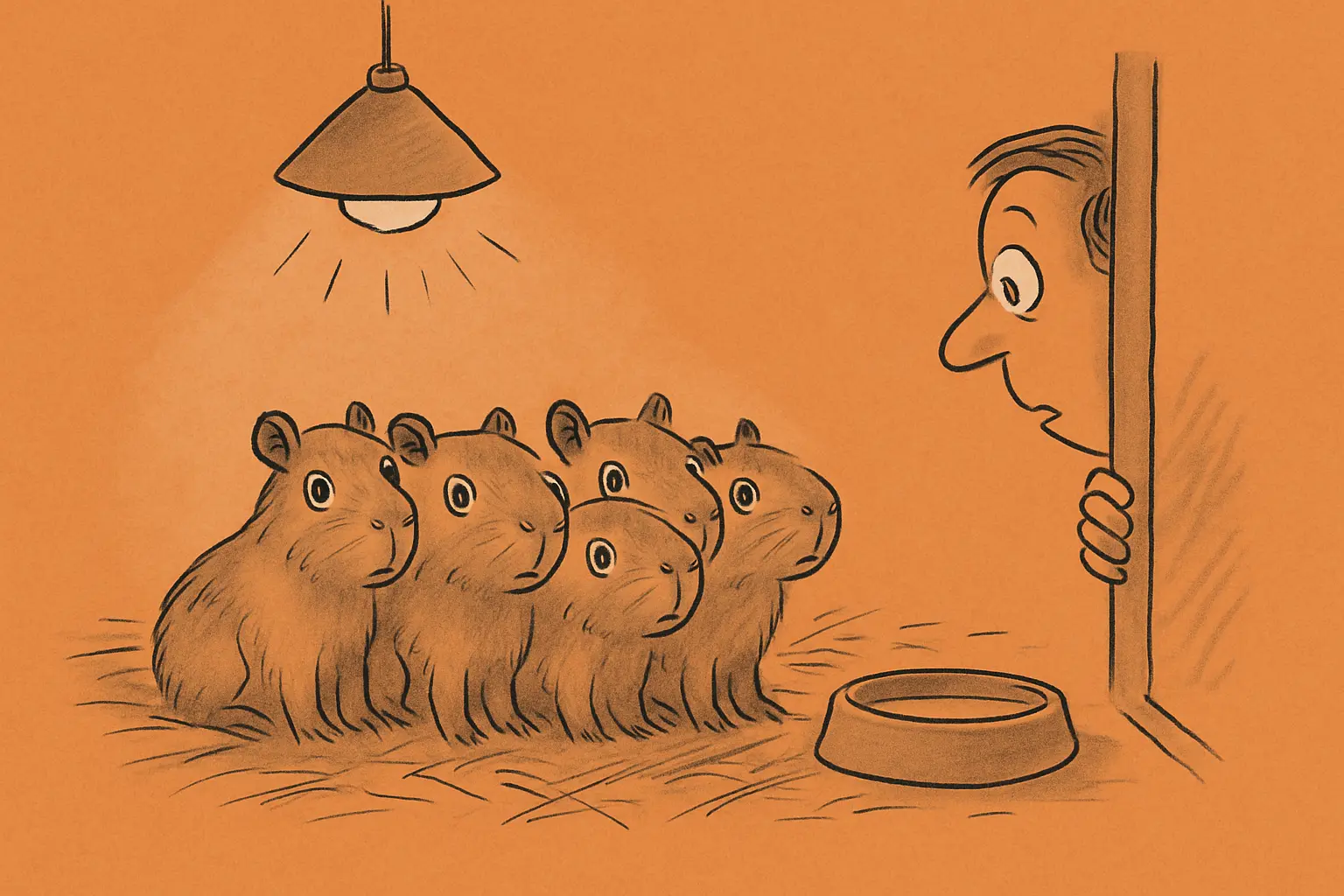
Back in September 2025, Rīga Zoo welcomed a new addition to its capybara family. Not to be outdone, the capybara parents followed this up with four more offspring in quick succession. The zoo, which started with three adult capybaras, now boasts a bustling group of eight. As you might imagine, the zoo’s caretakers have decided it’s high time these new arrivals were given names.
The zoo has three adult capybaras: Oskars, Tindra, and Truse. These names might guide the public in choosing fitting monikers for the five babies—three boys and two girls. However, the zoo encourages creativity, inviting the public to let their imaginations run wild when submitting suggestions via Facebook or Instagram. The naming window is open until January 31st, at which point Rīga Zoo will pick the names that best suit the babies’ personalities.
Public participation encouraged
In a move that screams “please interact with us,” Rīga Zoo is leaning heavily on public participation to name their latest capybara offspring. It’s not the first time a zoo has turned to the masses for naming suggestions, but it’s always a curious exercise in communal creativity. Will they end up with something classic, like “Capy McCapyface,” or will people adhere to a theme based on their parents’ names?
For those interested in participating, it’s as simple as hopping onto the zoo’s social media pages and typing away. The zoo is keen to see what names resonate with their audience, perhaps capturing the essence of these furry additions. It’s a low-stakes opportunity for the public to feel involved in the zoo’s operations, even if just for a moment.
Capybaras’ indoor lifestyle highlighted
As the Rīga winter rolls on, the capybaras at the zoo have retreated indoors, avoiding the harsh weather. This is typical capybara behavior given their preference for warmer, more temperate environments. These semi-aquatic rodents are native to South America, where temperatures rarely dip to the freezing levels seen in Latvia.
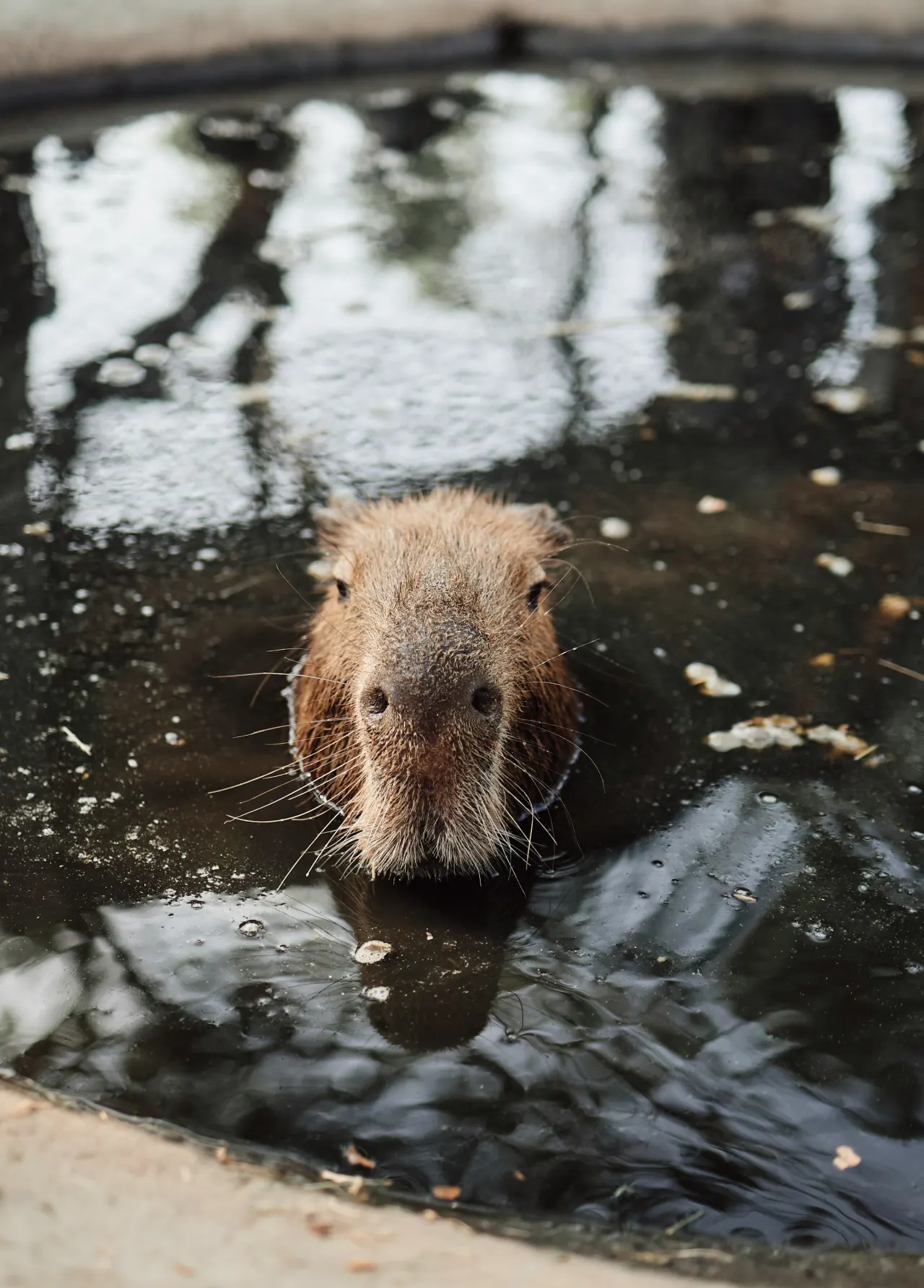
To ensure fans don’t miss out on the capybaras’ antics, Rīga Zoo has extended the live streaming hours of the capybara enclosure. Thanks to “Bite Latvija,” viewers can watch these oversized guinea pig relatives go about their daily routines—except during their two-hour morning cleaning window. And here’s a fun capybara tidbit: they can hold their breath underwater for up to five minutes, which is quite the feat for a creature more at home in a warm river than a chilly Latvian zoo.
Common capybara misconceptions
In case you were wondering, capybaras are not giant hamsters, although the confusion is understandable. They are, in fact, the largest rodents on the planet, closely related to guinea pigs. Despite their size, they are known for their gentle nature and social behavior, which makes them popular zoo attractions. The Rīga Zoo’s decision to keep them indoors during winter aligns with their natural preferences for warmth and water.
It’s worth mentioning that while capybaras are often depicted as friendly creatures, their social structures can be quite complex. They live in groups and communicate through a variety of sounds, a far cry from the solitary, simplistic life of a hamster. So, no, they won’t be joining your hamster’s exercise wheel anytime soon.
The Grumpy Capy take
While the effort to engage the public in naming the capybara babies is charming, it’s a little predictable. Every so often, a zoo trots out this idea, hoping for a viral moment or community engagement. It works, but it’s hardly groundbreaking news.
The real draw here might be the extended live stream hours. Sure, the names will eventually be forgotten, but watching capybaras loaf around in real-time? Now that’s a lasting experience. Just remember, the thrill of naming might be fleeting, but the capybaras’ underwater antics could provide endless entertainment.
Worth noting, for transparency: the LSM source primarily focused on the naming contest and provided limited details on the capybaras’ daily life.