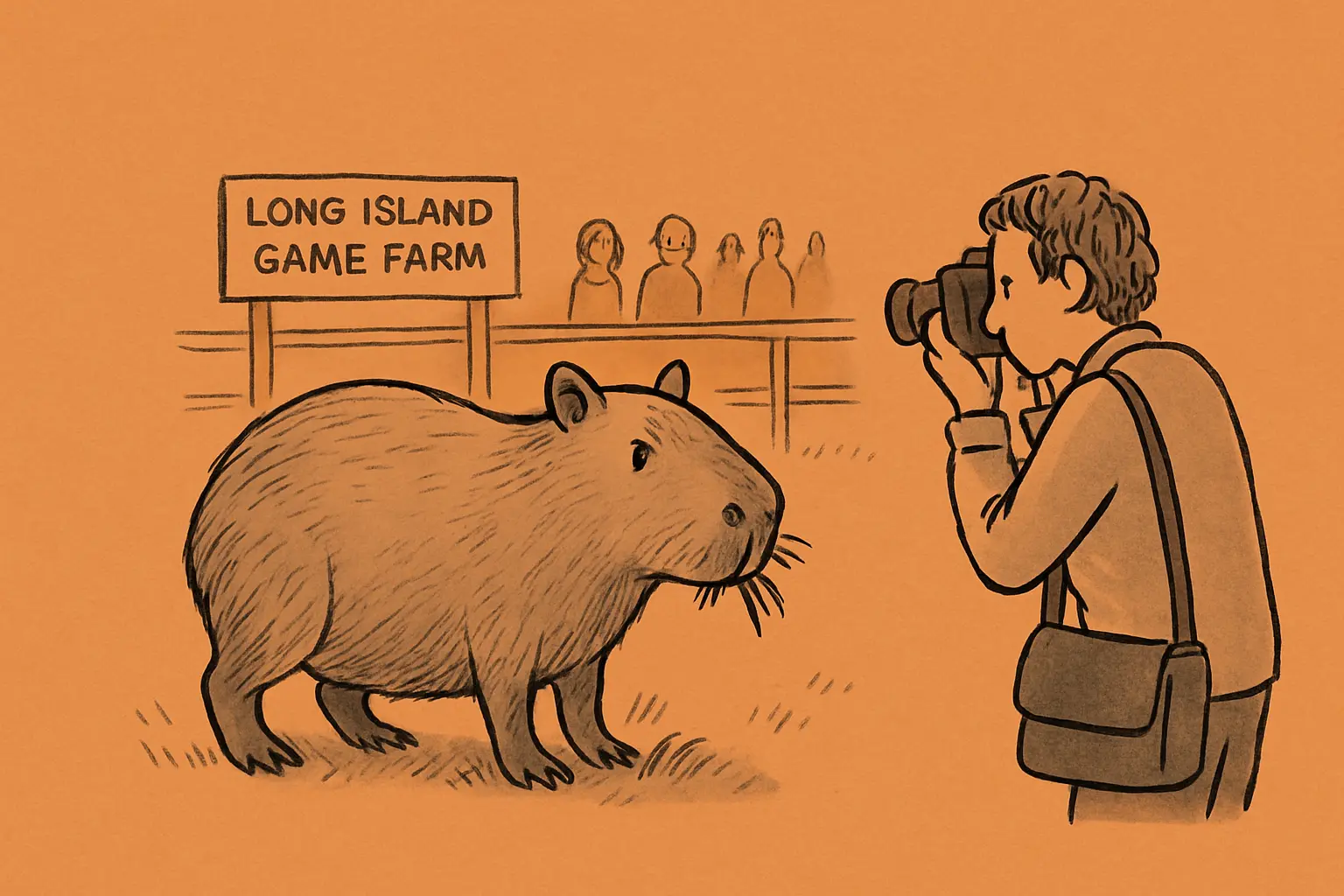
Four pups, one very on-brand naming decision
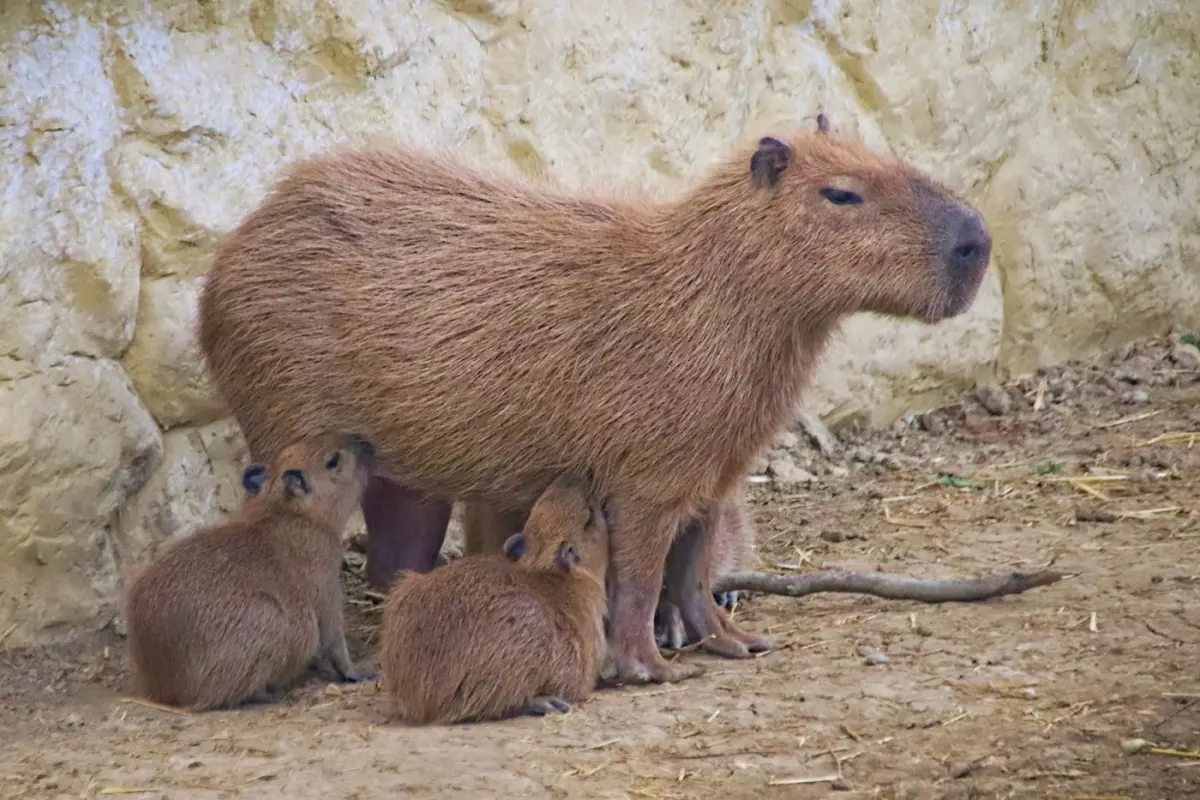
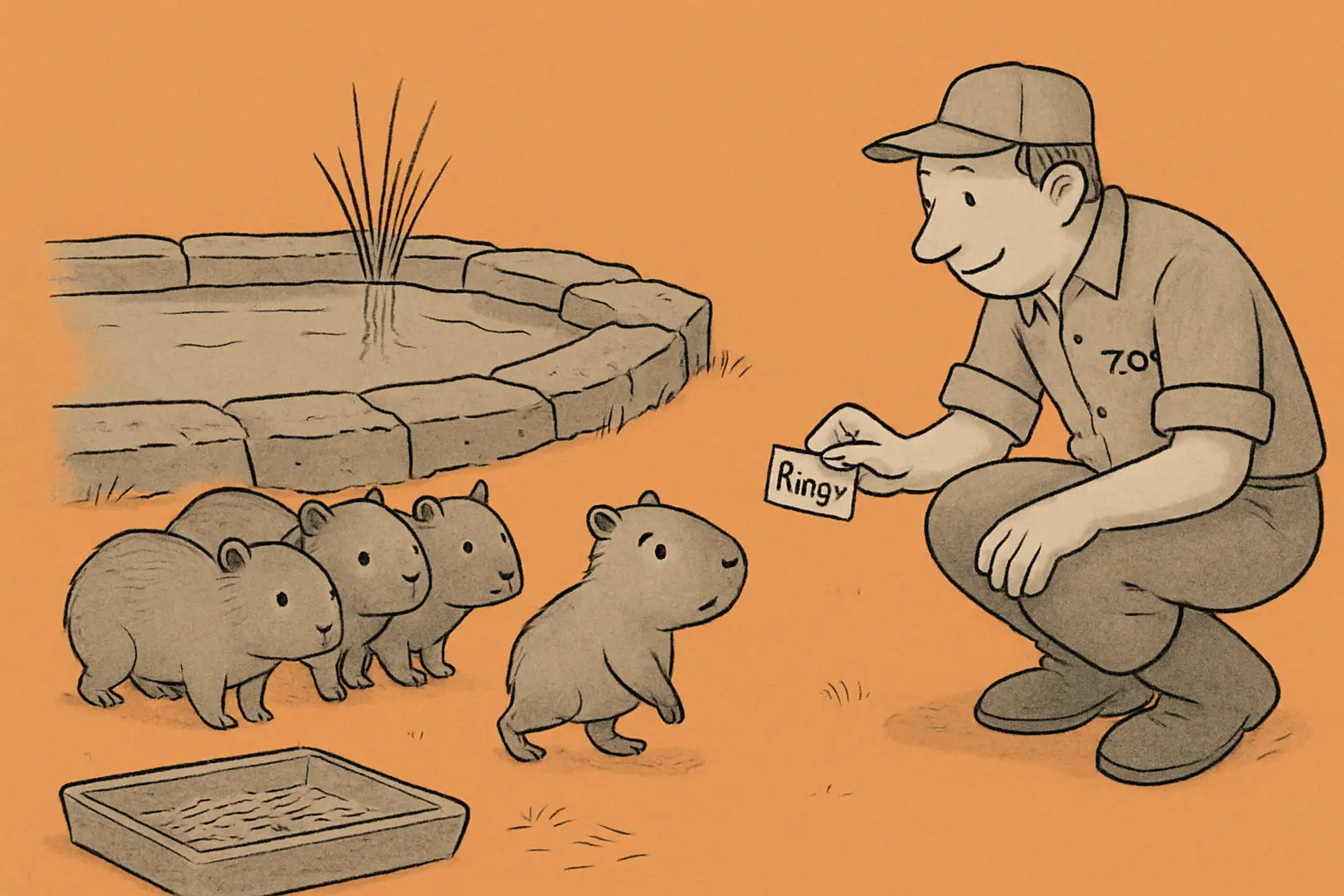
Jerusalem’s Biblical Zoo has announced the birth of four capybara pups, and the naming committee — if such a thing exists — went straight for the obvious. According to AP News, the four animals have been named John, Paul, George, and Ringo. The Beatles. All four. A complete set.
It is, admittedly, a tidy coincidence that the litter arrived in exactly the right number. Capybara litters typically range from two to eight pups, so a group of four is on the smaller end of normal. The zoo got lucky with the symmetry, and they clearly knew it.
What the zoo actually has on its hands
Capybaras are not small animals. Adults of the species — Hydrochoerus hydrochaeris — routinely reach 65 kilograms, making them the largest rodents on earth. They are more closely related to guinea pigs and rock cavies than to anything that looks remotely similar in size, which tends to surprise people who encounter them for the first time.
The Biblical Zoo’s new pups will spend their first weeks close to their mother, relying on the herd for warmth and protection. Capybaras are highly social animals that live in groups of ten to twenty individuals in the wild, with larger aggregations forming near water sources during dry seasons. A zoo environment that provides a stable group structure and adequate water access is reasonably well-suited to the species.
Why a zoo in Jerusalem has capybaras at all
The Tisch Family Zoological Gardens, known internationally as the Biblical Zoo, has operated since 1940 and holds a collection of animals well beyond those mentioned in scripture. AP News does not explain when capybaras were added to the collection, which is a gap worth noting.
Capybaras are native to South America — found across Venezuela, Brazil, Colombia, and Argentina — and have no particular biblical relevance. Their presence at the zoo reflects a broader modern trend of zoological collections maintaining charismatic megafauna regardless of geographic or thematic fit. Nobody is complaining. Capybaras draw crowds. They are also genuinely calming to watch, a fact that has made them internet-famous in a way most zoo animals never achieve.
A misconception worth clearing up
There is a persistent assumption that capybara pups are fragile and require intensive human intervention to survive in zoo settings. In practice, capybaras are precocial — born fully furred, with eyes open, and capable of walking within hours of birth. They begin grazing on solid vegetation within their first week of life, while still nursing. The pups at the Biblical Zoo are not delicate newborns requiring round-the-clock incubation. They are, by capybara standards, already fairly competent.
One genuinely strange fact that tends to get left out of zoo announcements: capybaras can hold their breath underwater for up to five minutes. They use this ability to evade predators in the wild, submerging and waiting out threats with a patience that most animals cannot manage. The Biblical Zoo’s enclosure may not offer much in the way of predators, but the capability remains. John, Paul, George, and Ringo are, at a biological level, built for a more dramatic life than zoo visitors will ever see.
The Grumpy Capy take
The Beatles naming theme is harmless fun, and the zoo knows exactly what it is doing. A litter of four with a ready-made cultural hook generates coverage that a litter of four named after, say, local botanists would not. That is not cynicism — it is competent communications work, and the pups are presumably unbothered either way.
What the AP source page does not provide is much in the way of detail: no birth date, no information about the parents, no word on the existing group size or the zoo’s broader capybara history. The story is built almost entirely on the naming conceit. That is fine for a brief, but it means anyone looking for actual zoological context will leave empty-handed.
Worth noting, for transparency: the AP source page was heavily cluttered with unrelated video content — celebrity interviews, film premieres, and music features — making it difficult to extract specific details about the births themselves. Any biological context in this article draws on established capybara natural history rather than zoo-provided data.