The birth, briefly
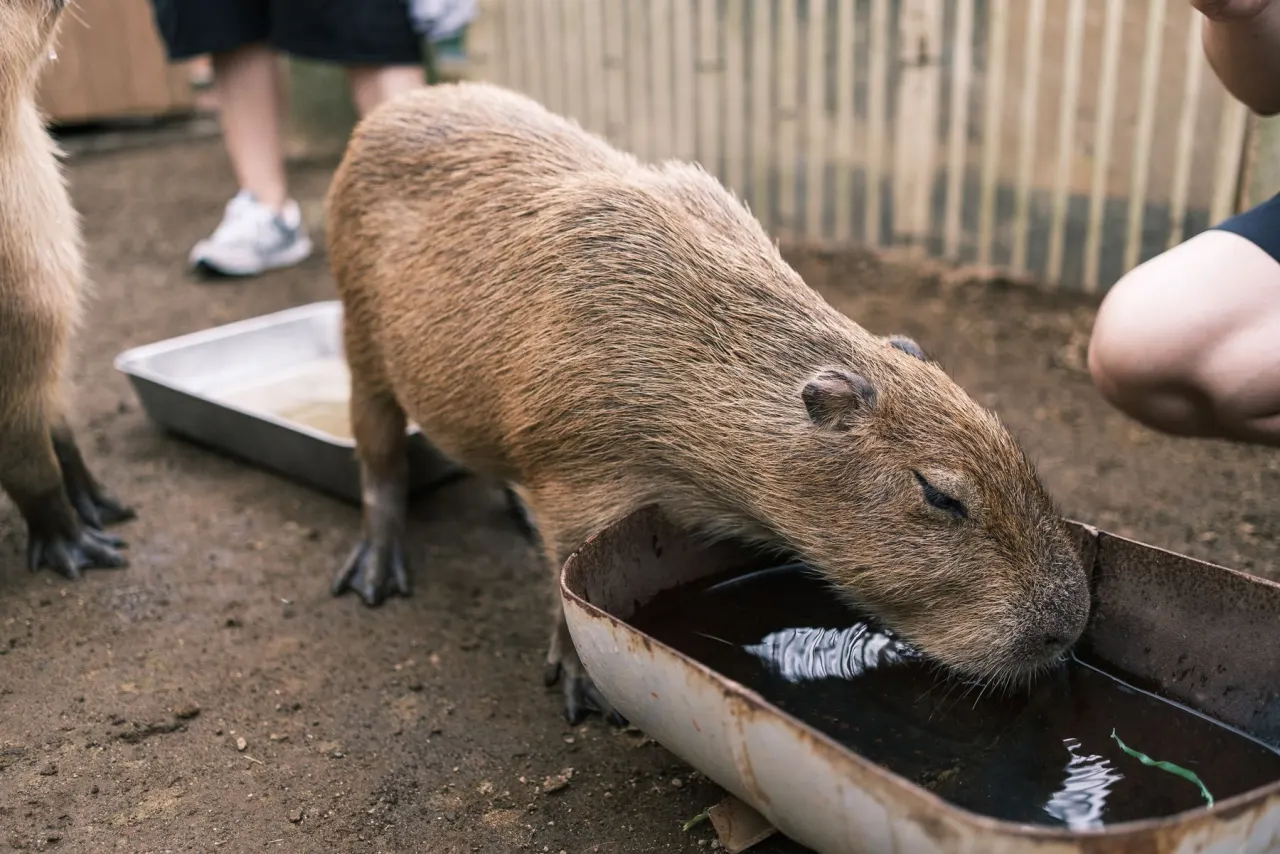
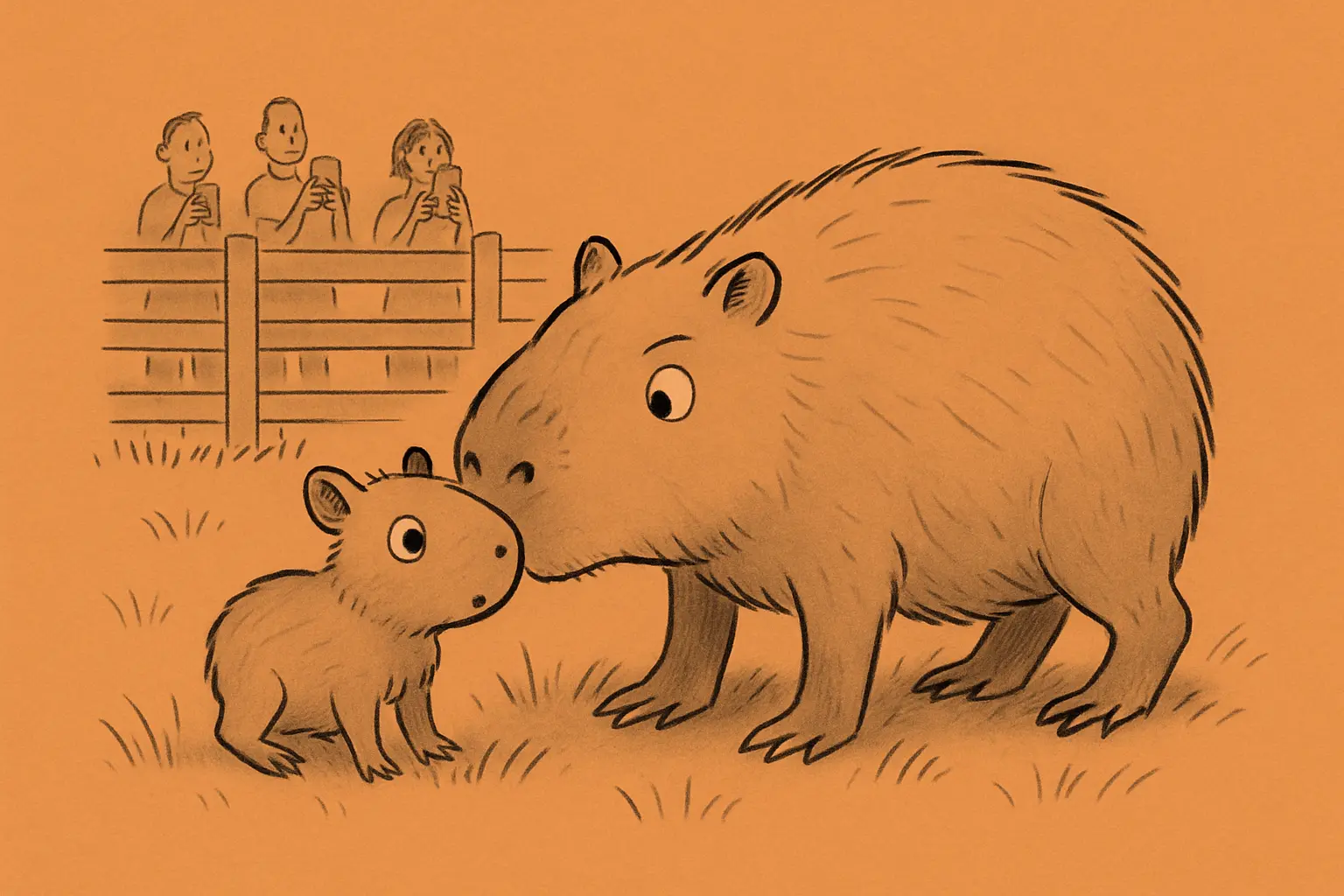
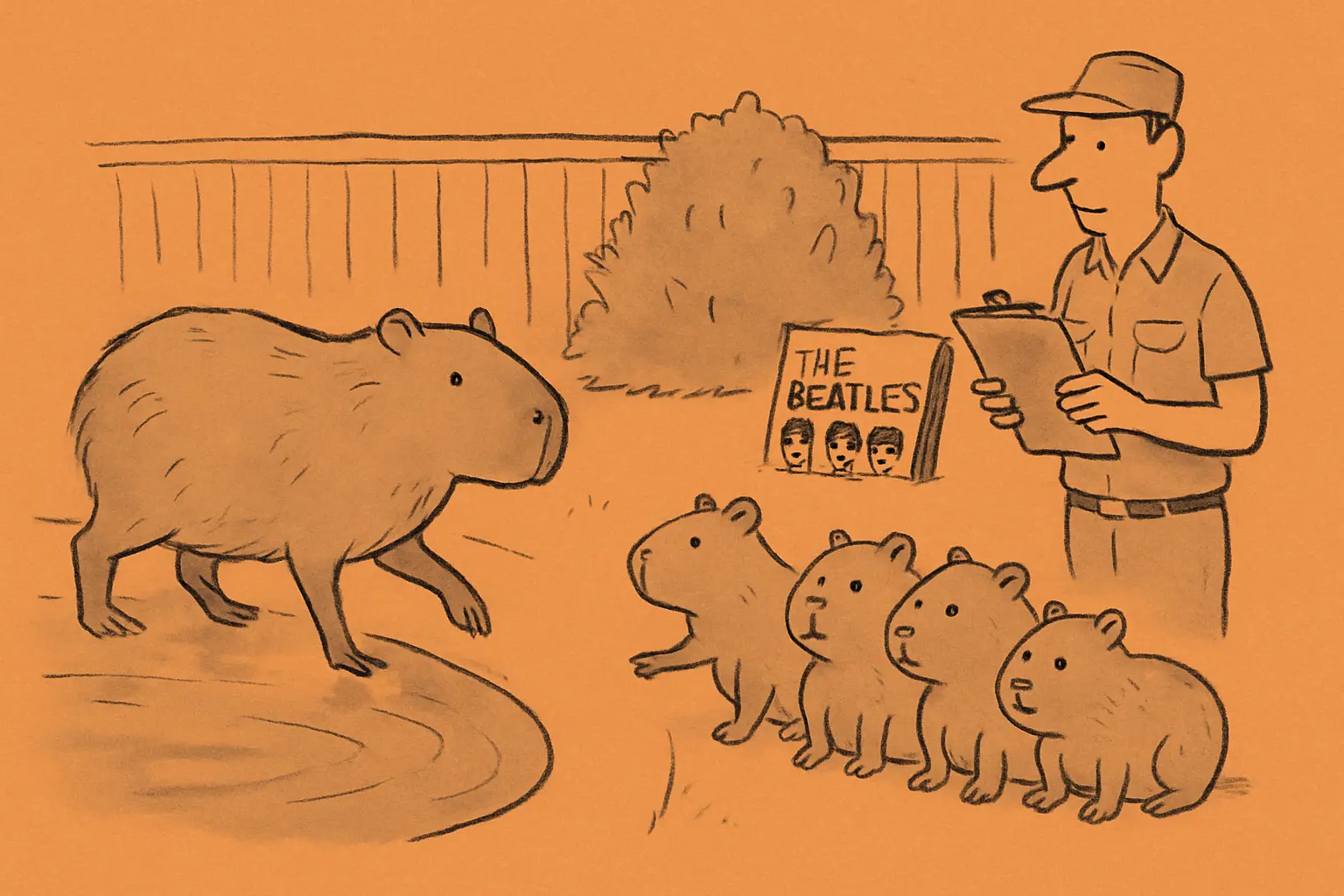
Jerusalem’s Biblical Zoo has four new capybaras, and whoever handles the naming there is clearly a classic-rock fan. The pups — John, Paul, George, and Ringo — were born roughly three weeks ago, according to WION. That puts their arrival around early June 2026.
The zoo has not, at least in this report, offered much in the way of keeper commentary, birth weights, or health updates. What we have is a name list and a headline. For now, that will have to do.
A ten-year gap worth noting
The last capybara births at the Biblical Zoo were nearly a decade ago. That is a meaningful gap. Capybaras are highly social animals that live in groups of ten to twenty individuals in the wild, and breeding success in captivity is closely tied to stable social conditions, appropriate space, and access to water for thermoregulation.
A ten-year absence of births does not necessarily signal a welfare problem — it could reflect an aging population, a deliberate pause in breeding, or straightforward demographic bad luck. But it is the kind of detail that deserves a follow-up question, and WION’s report does not ask it.
What capybara pups actually need
Capybara young are precocial, meaning they are born with their eyes open, fully furred, and able to walk within hours. They still depend on their mother and the broader social group for protection and warmth, but they are not the helpless newborns that, say, a bear cub is.
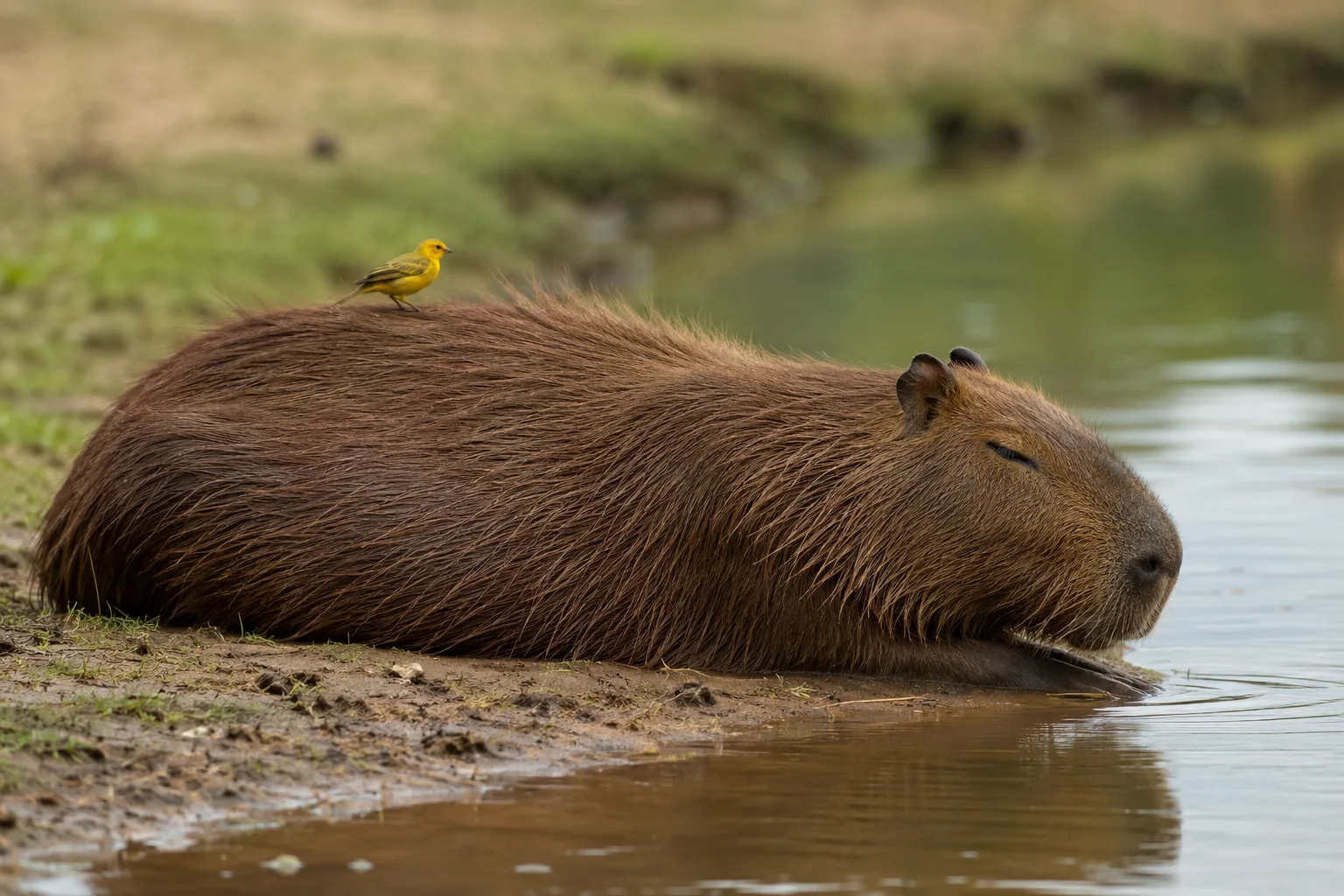
Here is a thing most people get wrong: capybaras are not semi-aquatic in the way that otters or beavers are, as creatures that primarily hunt or feed in water. They use water mainly for cooling and for escaping predators. Their webbed feet are built for quick entry and exit, not sustained underwater hunting. They can, however, hold their breath for up to five minutes — a fact that tends to surprise people who think of them as oversized guinea pigs that got a bit wet. (They are, for what it is worth, closely related to guinea pigs. The family resemblance is real.)
The Beatles angle
Naming four animals after The Beatles is not a new idea. It has been done with penguins, otters, meerkats, and at least one litter of red pandas at various institutions over the years. It works because there are exactly four Beatles and group animals often come in litters of similar size.
It is also, bluntly, a reliable media hook. Four capybara pups with unremarkable names would not have made international news. Four capybara pups named after the Fab Four get picked up by outlets from Jerusalem to wherever you are reading this. The zoo’s communications team knows what they are doing.
The Grumpy Capy take
The story is thin. One short video report, no keeper quotes, no birth weights, no detail on the parents or the group’s current composition. What we know is that four capybaras were born, they have good names, and a zoo is pleased about it. That is not nothing, but it is also not much.
The ten-year gap between births is the only genuinely interesting thread here, and it goes unpulled. A zoo that has not produced capybara young in a decade suddenly producing four at once suggests something changed — in the social group, in the enclosure, in the breeding programme. That is the story. Nobody asked.
Worth noting, for transparency: the WION source is a video news brief with minimal text. The surrounding page content consisted almost entirely of unrelated international headlines. Only the capybara-specific content was used in writing this article.