A unique pet choice in Michigan
Steve Spisz, a resident of Howell, Michigan, made a rather unconventional choice when it came to choosing a pet. Instead of the usual dogs or cats, Spisz decided to welcome Daisy, a capybara, into his home. According to WXYZ, this decision wasn’t made lightly. Spisz, who already had a couple of dogs, wanted something different and eventually settled on Daisy and her brother George after thorough research into exotic animals.
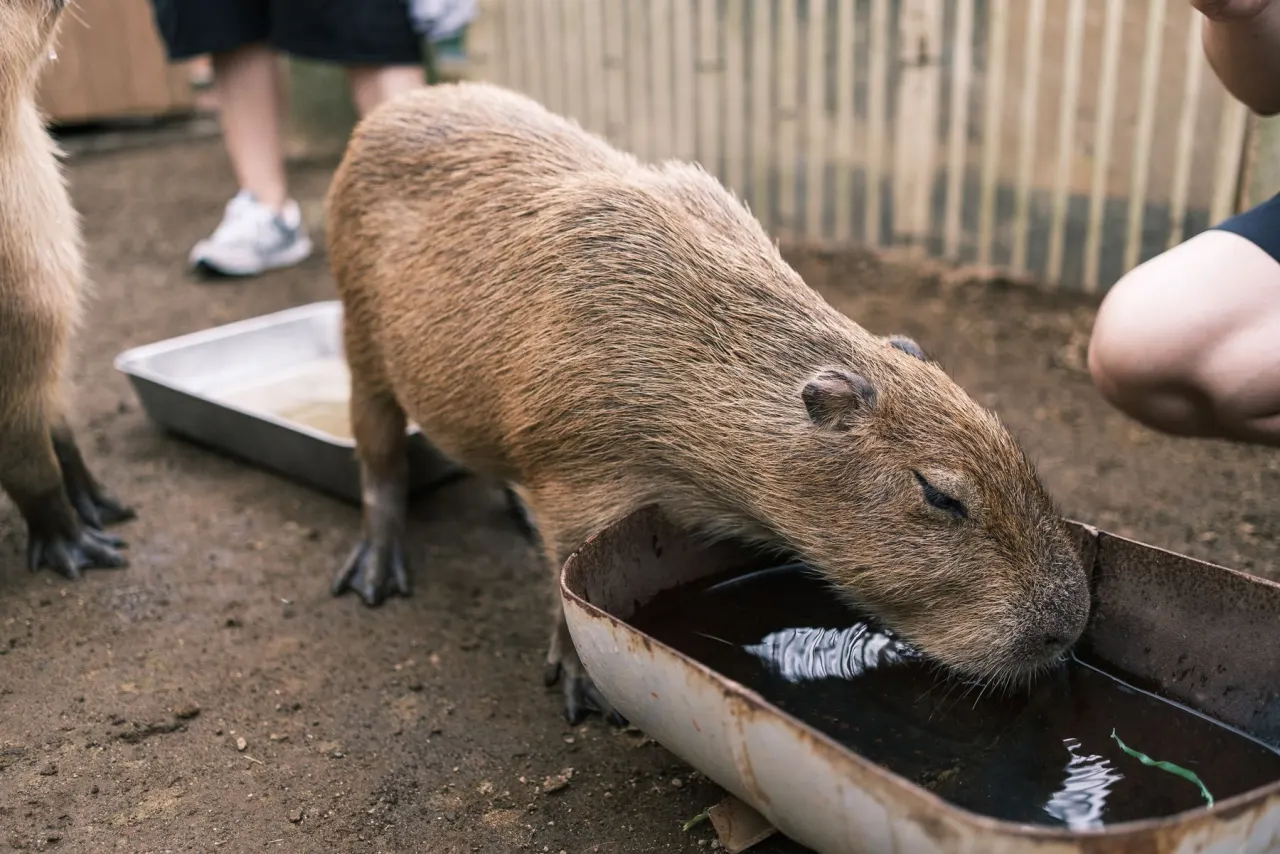
Capybaras, for those unfamiliar, are the largest rodents in the world and are closely related to guinea pigs. They are semi-aquatic creatures, requiring more than just a backyard to thrive. The commitment to care for such an animal is significant, and Spisz’s choice to remodel part of his house to accommodate Daisy is a testament to that. He installed a dedicated room and a personal swimming pool, making Daisy’s living situation unique among pets.
A life of luxury and social media fame
Daisy’s lifestyle is one that many pets could only dream of. With her own room and pool, she enjoys a level of luxury uncommon even among exotic pets. Her presence isn’t just limited to her home, though. Daisy and the late George became familiar sights around town, often seen in pink and blue leashes, garnering attention and building a social media following in the hundreds of thousands.
This fame has a dual edge. While Daisy enjoys a celebrity status of sorts, her story is also a reminder of the level of care and attention exotic pets require. As WXYZ noted, capybaras are not simply oversized guinea pigs. They require specialized living spaces, access to water, and daily attention to their needs.
The emotional toll of exotic pet ownership
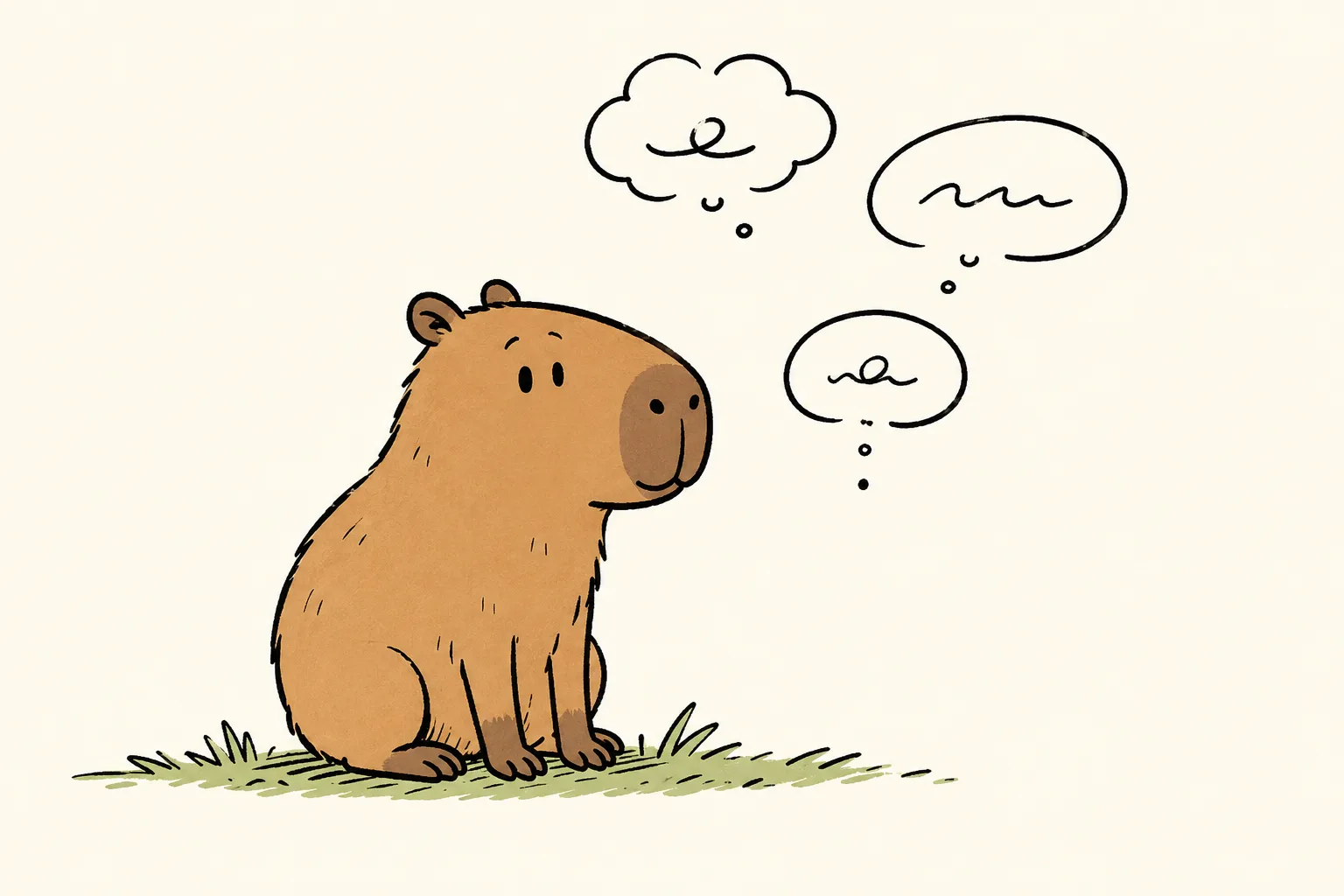
The bond between Daisy and George was strong, and their companionship was a significant aspect of their lives. Sadly, as reported, George recently passed away, which has had a noticeable impact on Daisy. For the first few weeks following George’s death, Daisy’s behavior changed dramatically. She would often sit on the deck, seemingly lost in thought, a reminder of the emotional complexity that comes with exotic pet ownership.
Spisz has been working to help Daisy adjust to life without her brother by increasing her social interactions and introducing her to new people. While he acknowledges the possibility of getting another capybara, he has not yet made that decision.
The complexities of capybara care
Owning a capybara requires more than just affection—it requires understanding and adapting to their natural behaviors. Spisz’s setup for Daisy reflects this, providing the necessary space, water access, and stability that capybaras need. Capybaras are known for their stubbornness, a trait Spisz is all too familiar with, likening Daisy’s behavior to that of a teenager. If Daisy gets upset, she’ll retreat to a corner, a behavior that anyone who’s spent time around teenagers might recognize.
It’s a commitment that goes beyond the usual pet care routine, involving significant emotional and financial investment.
The Grumpy Capy take
While it’s commendable that Daisy has found such a committed owner in Steve Spisz, her story highlights the broader issue of exotic pet ownership. Capybaras are not your run-of-the-mill pets, and their care goes far beyond what most people are prepared for. It’s not just about building fancy rooms and pools—it’s about understanding the animal’s needs and ensuring they’re met.
Daisy’s viral fame might paint a rosy picture, but let’s not forget the reality. Exotic pets require dedication, time, and resources that many may not be able to provide. Spisz’s efforts, while impressive, should serve as a cautionary tale for those considering such pets. The Yahoo source gives a glimpse into this world, but lacks the detail on the real challenges faced by capybara owners.