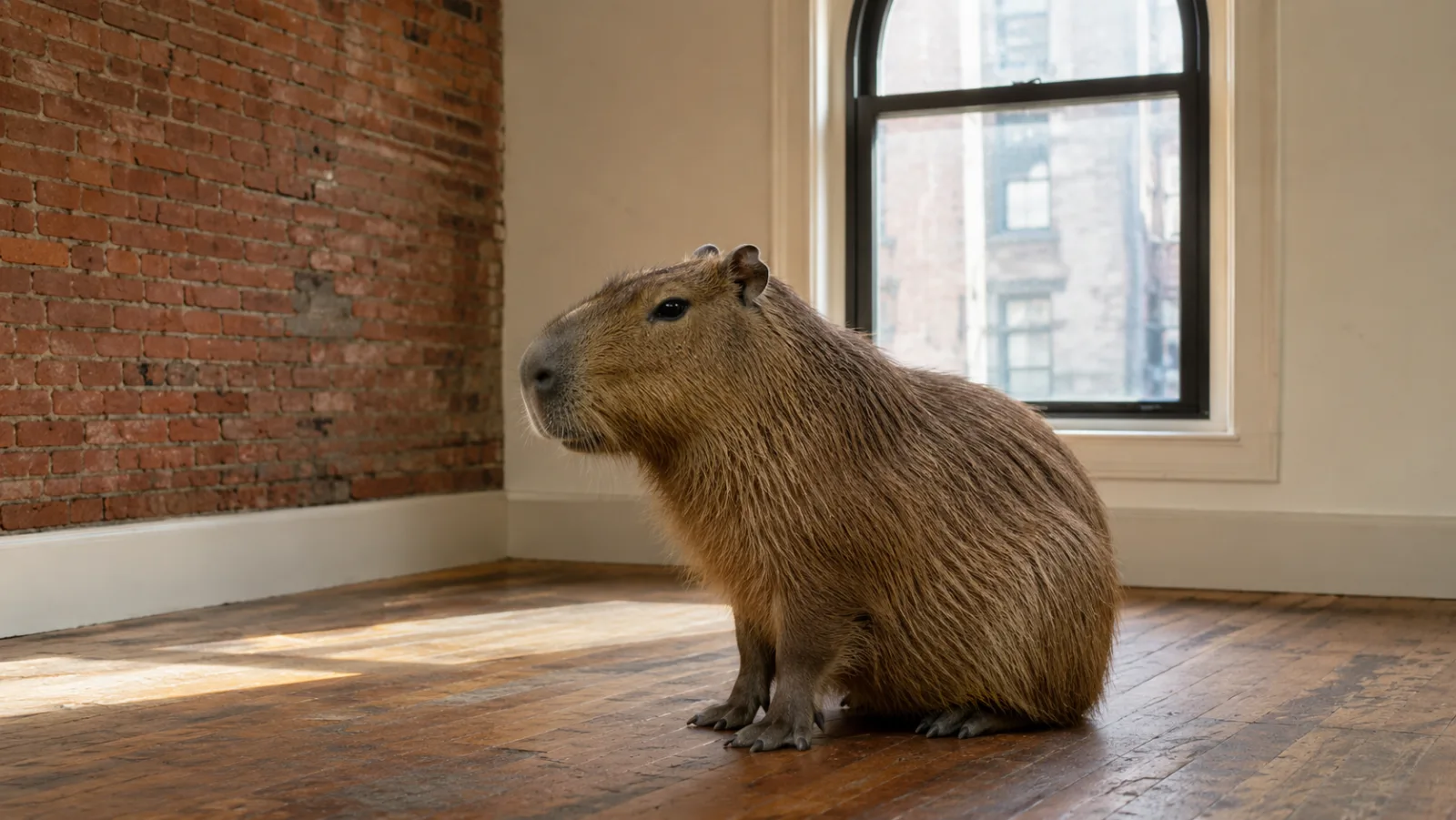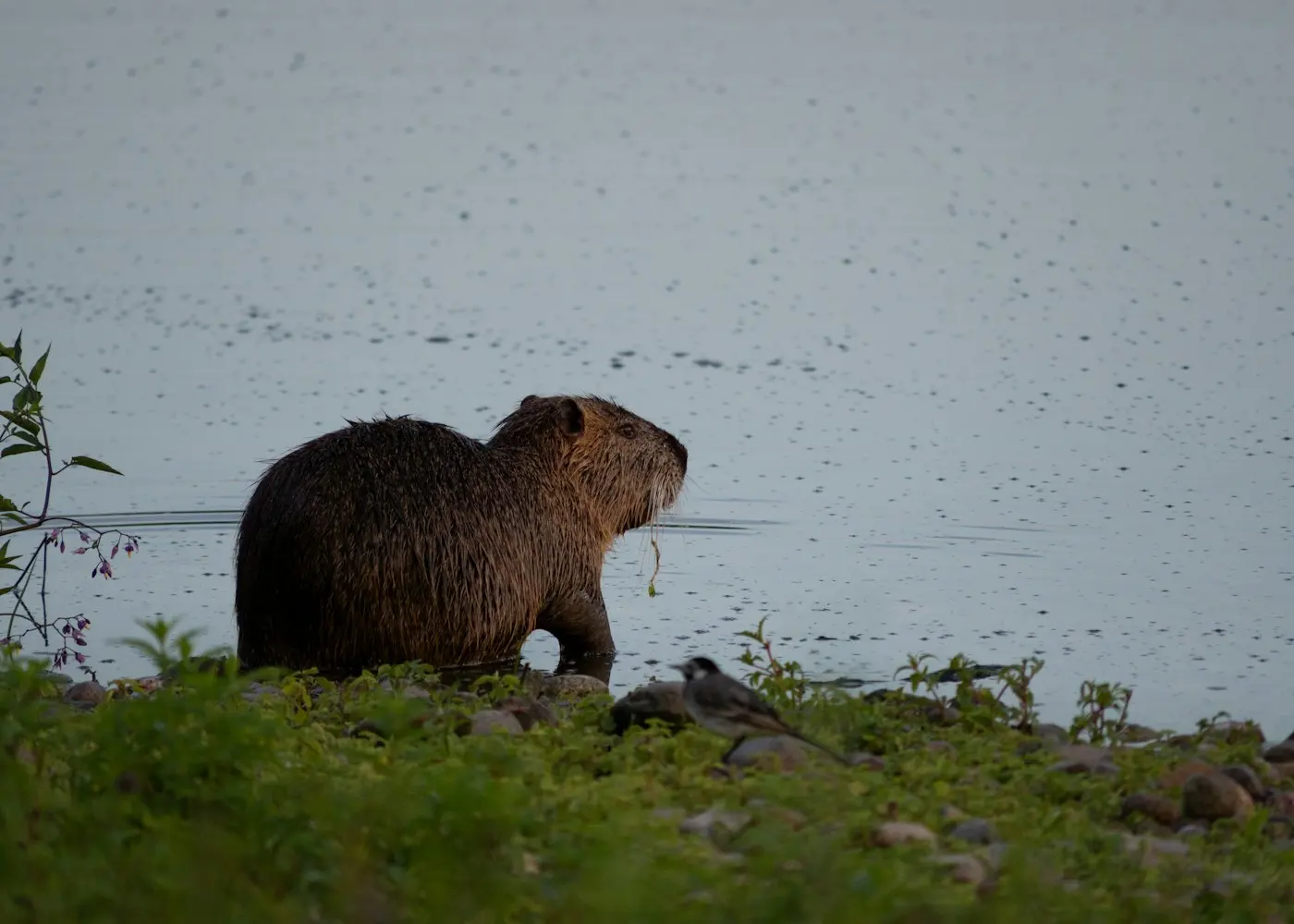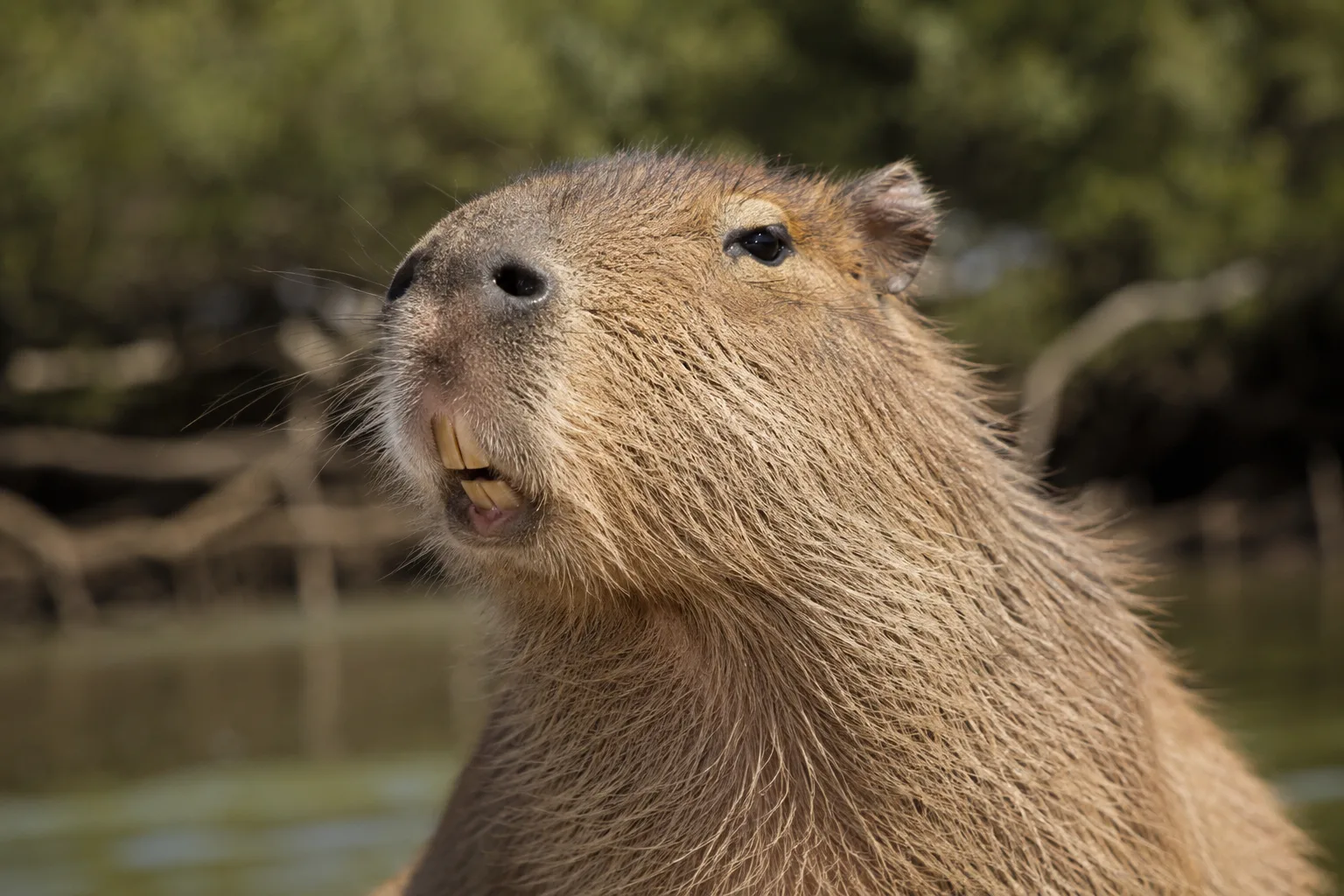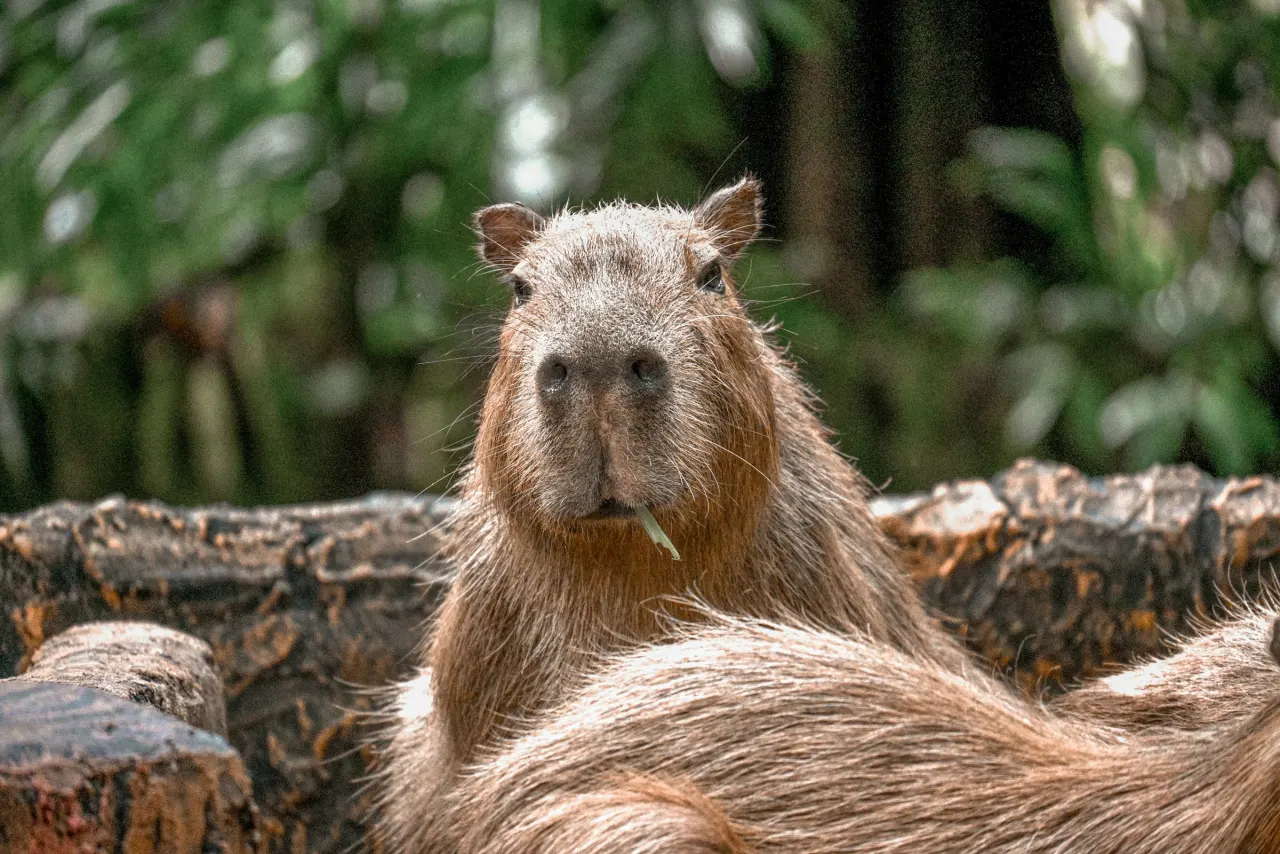
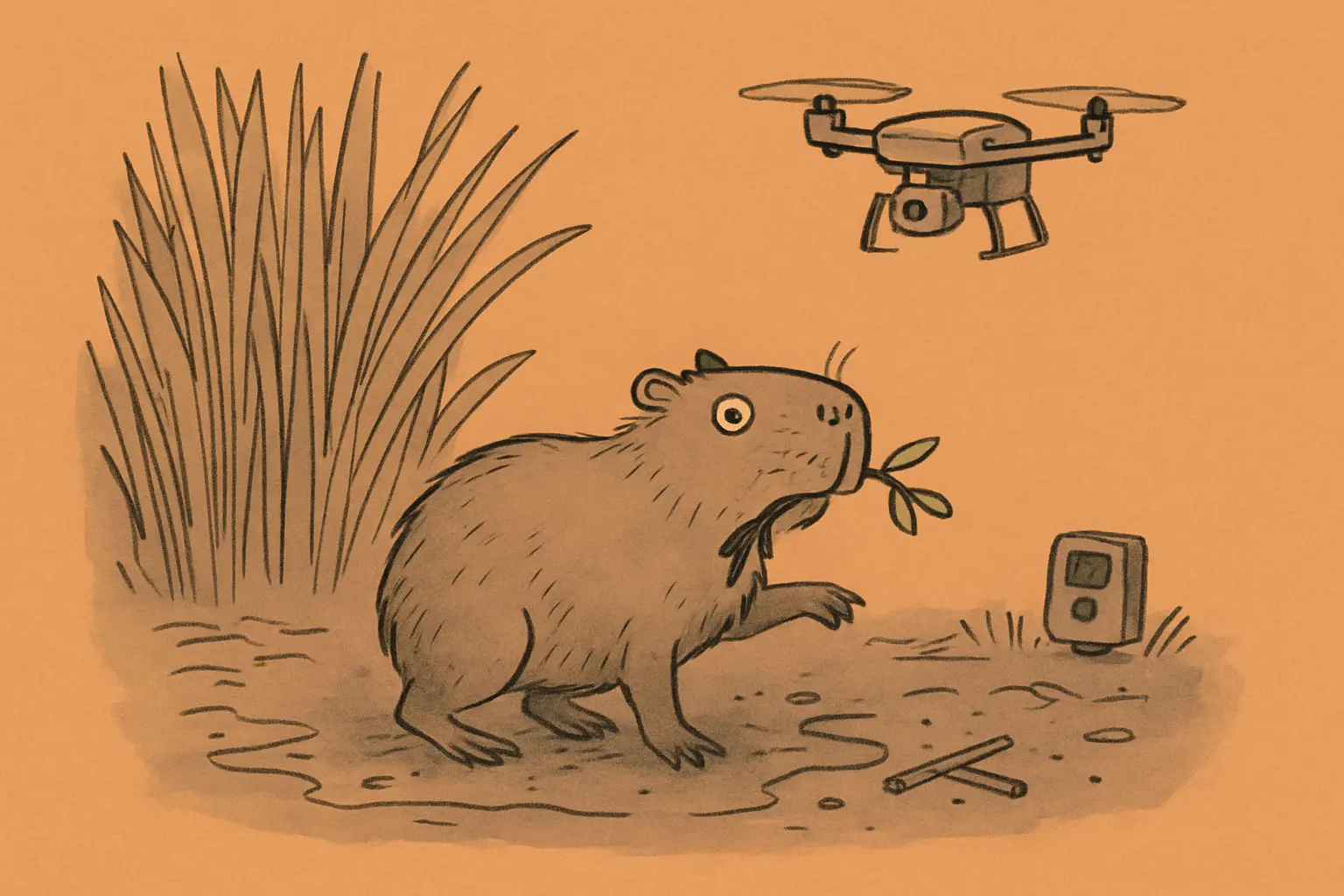
Samba, a nine-month-old capybara, has now been loose in the Hampshire countryside for more than seven weeks. She escaped from Marwell Zoo on 17 March 2026, shortly after arriving from Jimmy’s Farm and Wildlife Park in Suffolk alongside her sister, Tango. Tango was recaptured promptly. Samba was not, and she has apparently been making the most of it ever since.
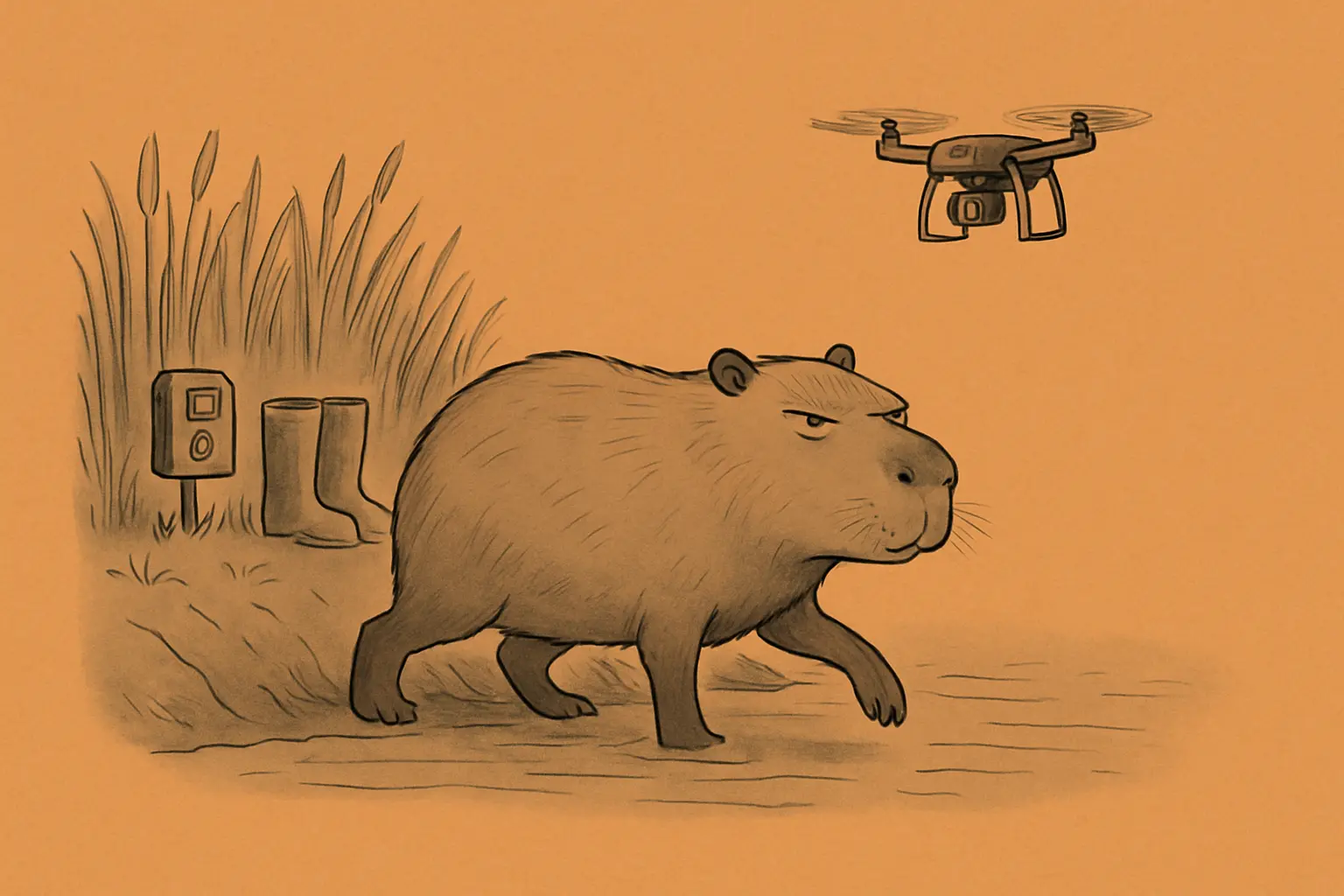
What the zoo actually knows
The last confirmed sighting of Samba — meaning one backed by photographic evidence — was on 22 March in the Colden Common area, five days after her escape. Everything since then has been unverified. Will Walker, Head of Animals and Plants at Marwell Wildlife, confirmed to ITVX that despite receiving “many possible sightings,” the absence of photos or video has made it impossible to distinguish Samba from other local wildlife.
That is a more significant problem than it might sound. Capybaras are large, semi-aquatic rodents native to South America, and you might assume they would be hard to confuse with anything native to southern England. You would be wrong. Walker noted that muntjac deer — a small, stocky introduced species common across England — can look “very similar” to a capybara in poor light or at distance. Several reported sightings have been attributed to muntjac after investigation.
The bite mark lead
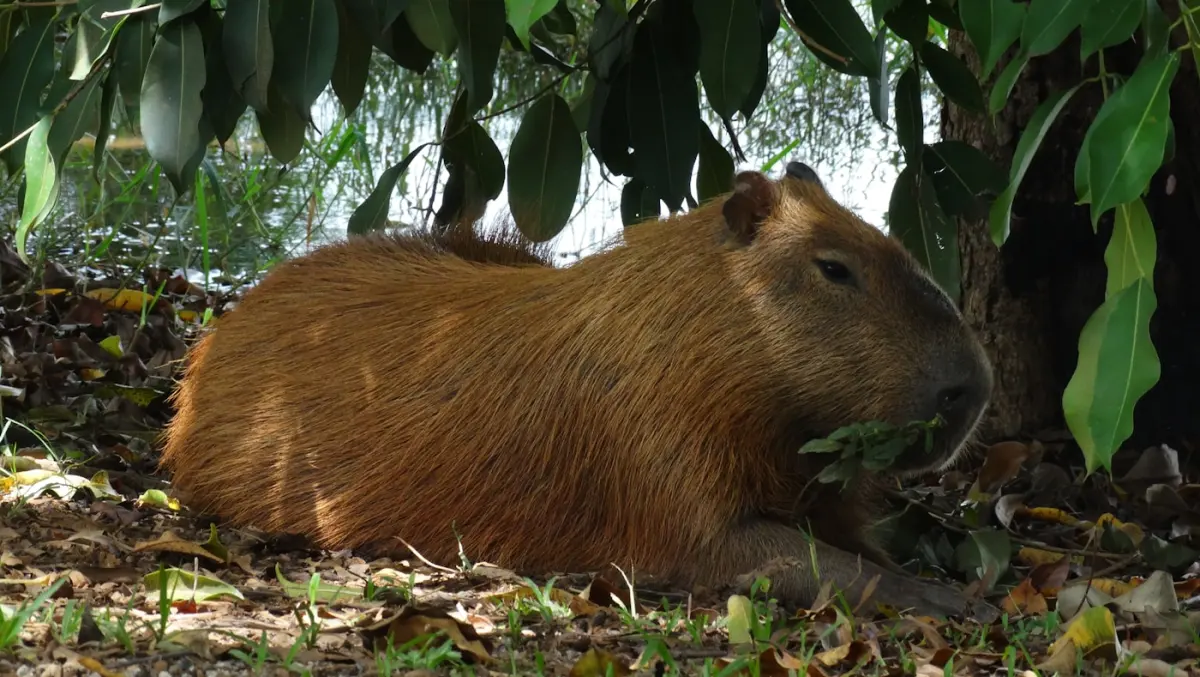
The most substantive clue since late March came on 23 April, when a river bailiff reported finding vegetation grazed along a riverbank in a pattern consistent with capybara feeding. The animal itself was not visible through the dense foliage, but the height of the grazed plants and the nature of the bite marks were, according to Walker, “consistent with capybara feeding.” The bailiff also noted the behaviour was unlike anything they had observed from other species in the area — a detail that carries some weight given that river bailiffs spend a lot of time watching what eats what along waterways.
Capybaras are highly capable swimmers and instinctively gravitate toward water. This is not incidental to their survival: in the wild, they spend much of the day in or near rivers and lakes, using water both for thermoregulation and as an escape route from predators. A capybara following Hampshire’s river systems is behaving entirely naturally, which makes the bailiff’s report plausible. It also makes Samba harder to pin down.
The drone searches and camera traps
Marwell’s search operation has involved thermal drones and camera traps deployed across the areas flagged by public reports. A camera trap was installed along Highbridge Road after a possible sighting on the evening of 6 May, though a team dispatched to the area that same night found no trace of her.
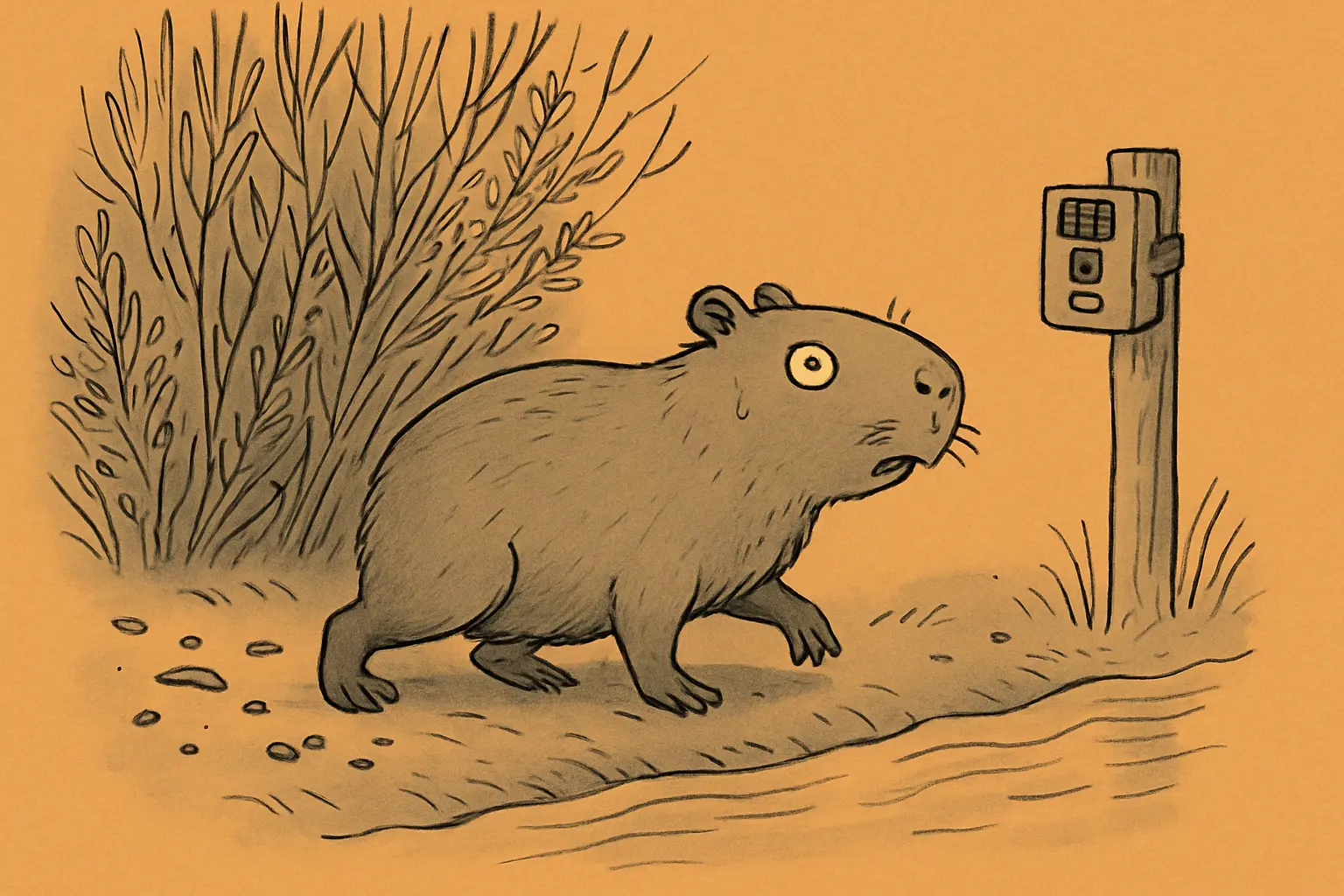
Thermal imaging is the sensible tool here — capybaras are warm-bodied and large enough to register clearly against cool ground — but dense vegetation and the animal’s affinity for water (which masks heat signatures) limit its effectiveness. The BBC reported the search is ongoing, and UPI noted that the public tip line remains the primary source of new leads.
Here is a fact that rarely makes it into these stories: capybaras are the world’s largest rodents, capable of reaching 65 kg, and they can hold their breath underwater for up to five minutes. Samba is only nine months old and considerably smaller than a full adult, but she is already well-equipped for evasion.
What happens now
Tango, Samba’s sister, remains in a private habitat at Marwell while construction is completed on the pair’s permanent enclosure at the front of the park. The zoo has not indicated any change in search strategy, and the public tip line — 07436 116740 — is still active. Anyone who spots an animal they believe is Samba is asked to photograph it and submit a What3Words or Google Maps location alongside the image.
One opinion, plainly stated: the bite-mark evidence from the river bailiff is the most credible lead in this entire seven-week search, and it deserves more attention than it has received. A professional who studies riparian wildlife noting unusual grazing behaviour is not the same as a dog walker doing a double-take. It is worth taking seriously.
Worth noting, for transparency: the ITVX source page included content from an unrelated ITV podcast series about historical journalism. That material was ignored entirely in writing this article, as it had nothing to do with Samba or capybaras generally.