The basics, without the fanfare
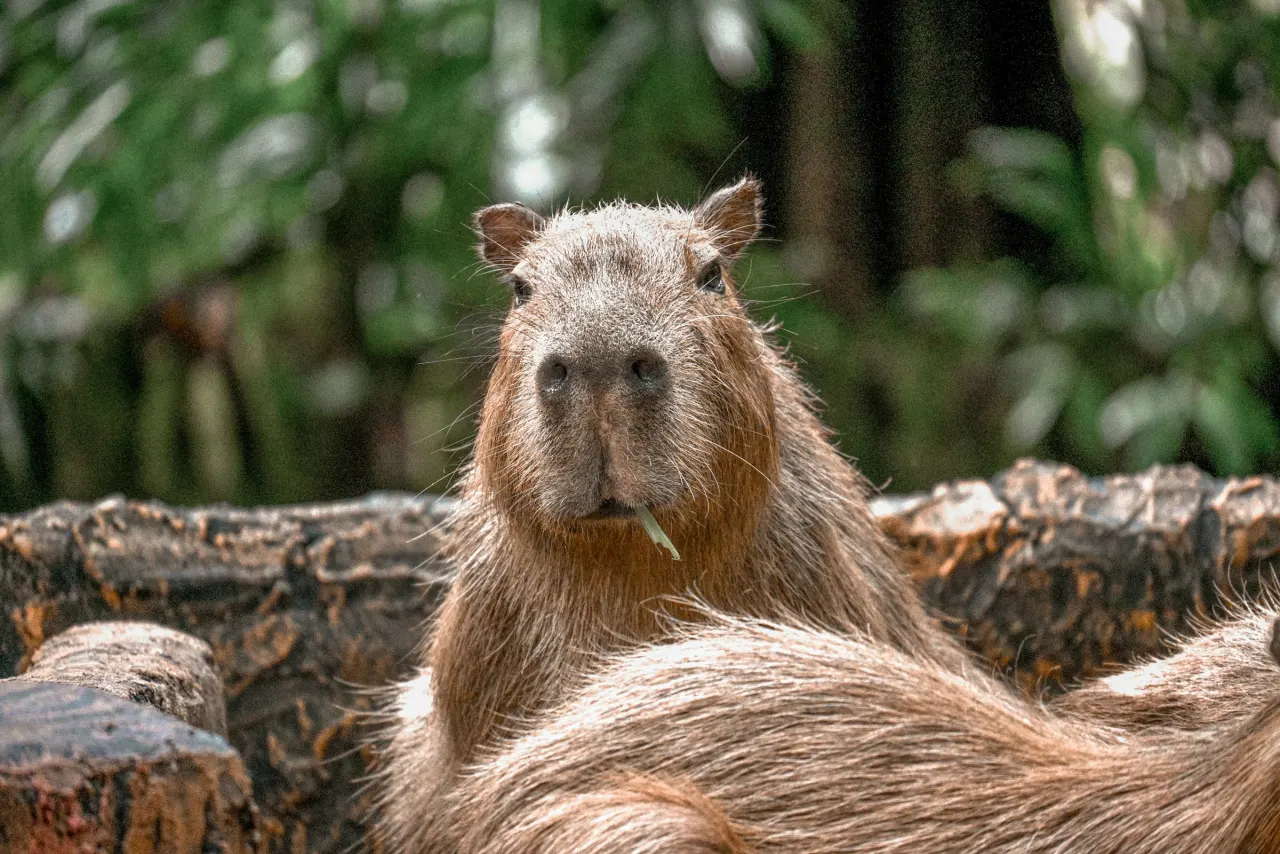
Three capybara pups were born at Palm Beach Zoo and Conservation Society in West Palm Beach, Florida, sometime before 2 May 2026. That is the date the announcement landed via the Association of Zoos and Aquariums.
The parents are Iyari and Zeus. All five animals are reported to be in good health.
The zoo did not specify an exact birth date in its announcement. “Born before we told you about it” is fine. “Born on a specific date we chose not to share” is a small flag.
It does not change anything material. But it is the kind of detail that distinguishes a press release from a welfare update.
How the pair got here
Zeus and Iyari were introduced gradually over a period of several months. The zoo describes the process as careful and cautious. That framing is not just PR padding.
Capybara social dynamics genuinely reward patience. In the wild, they live in groups of ten to twenty animals, with a dominant male, several females, subordinate males, and juveniles all negotiating a shared hierarchy.
Dropping two unfamiliar animals into a shared enclosure and hoping for the best is not how that works.
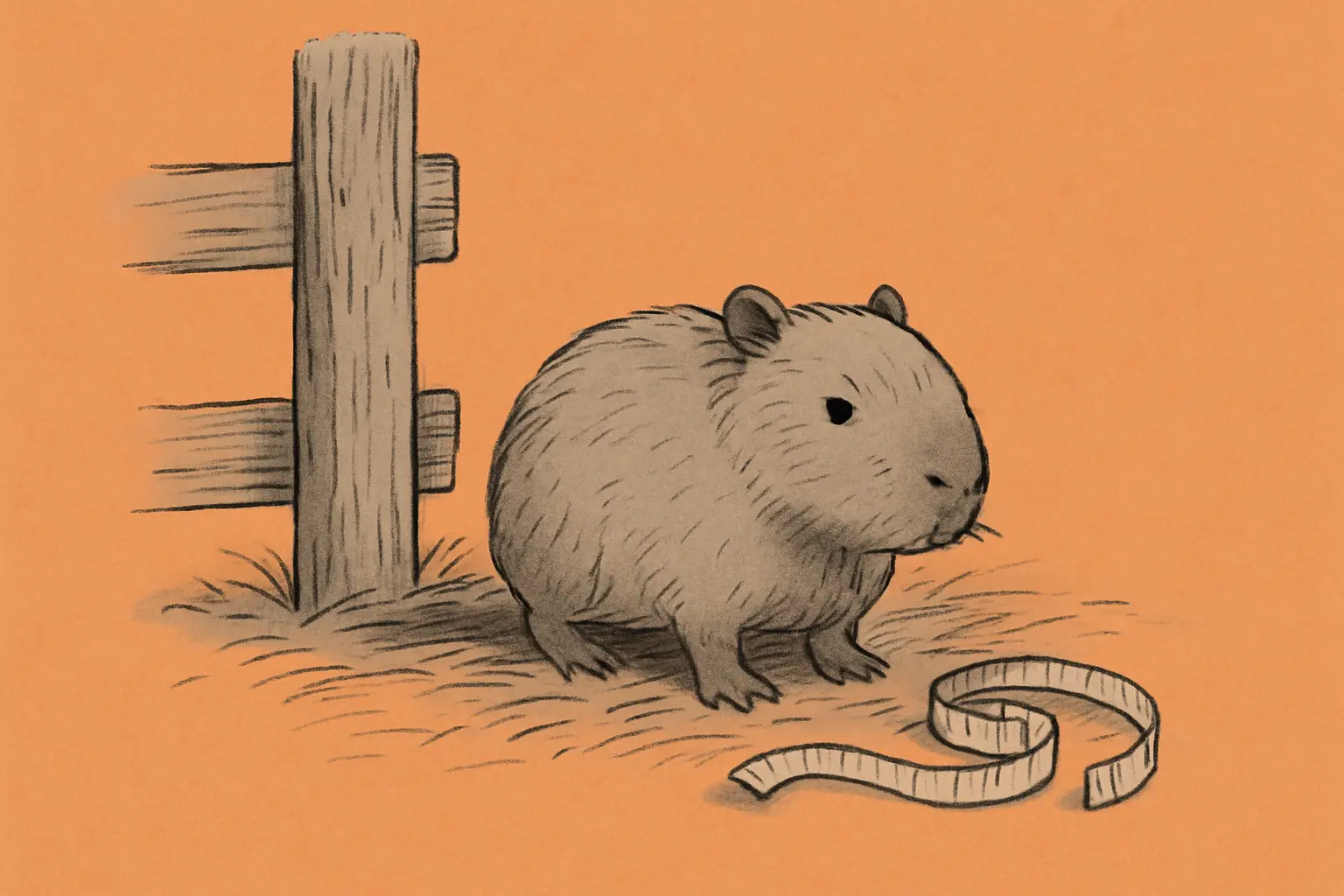
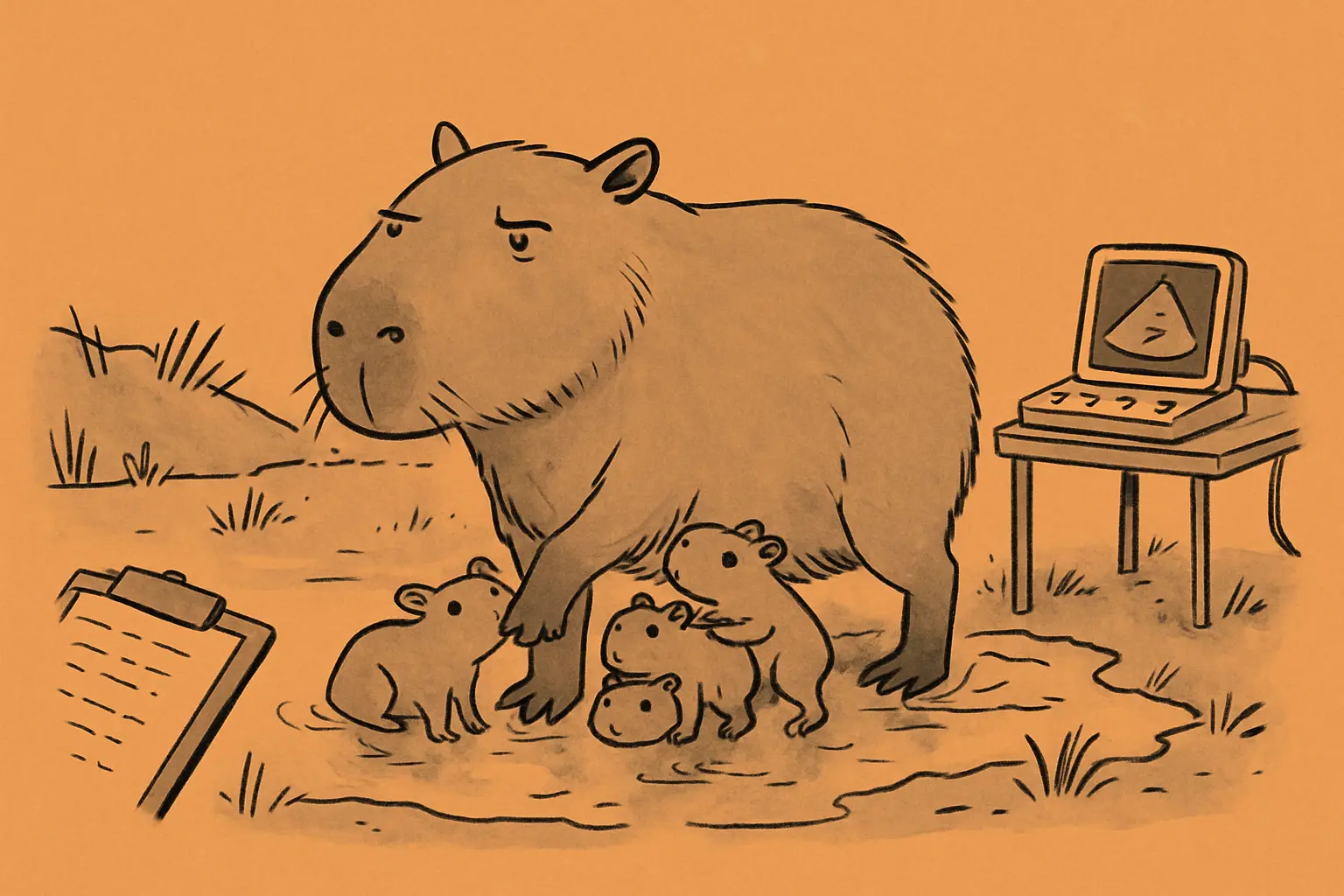
Throughout the introduction period, according to the AZA’s announcement, Iyari underwent voluntary ultrasounds and physical measurements to track her condition. The word “voluntary” is doing real work there.
It means Iyari was trained to participate in the procedure without sedation or physical restraint. That is cooperative care: a form of husbandry that requires consistent, trust-based conditioning over time.
It is skilled, labour-intensive work. Not a standard feature of every zoo birth announcement.
Voluntary medical training is common with great apes and big cats, where restraint carries real risk for the animal and the keepers. It is less common with rodents, even large ones. Extending the same protocol to a pregnant capybara, and getting her trained well enough to participate, is the most defensible part of this announcement.
A common misconception, addressed
There is a persistent assumption that capybara births are straightforward because the animals are famously placid. They are not especially placid, as it happens. They are simply large.
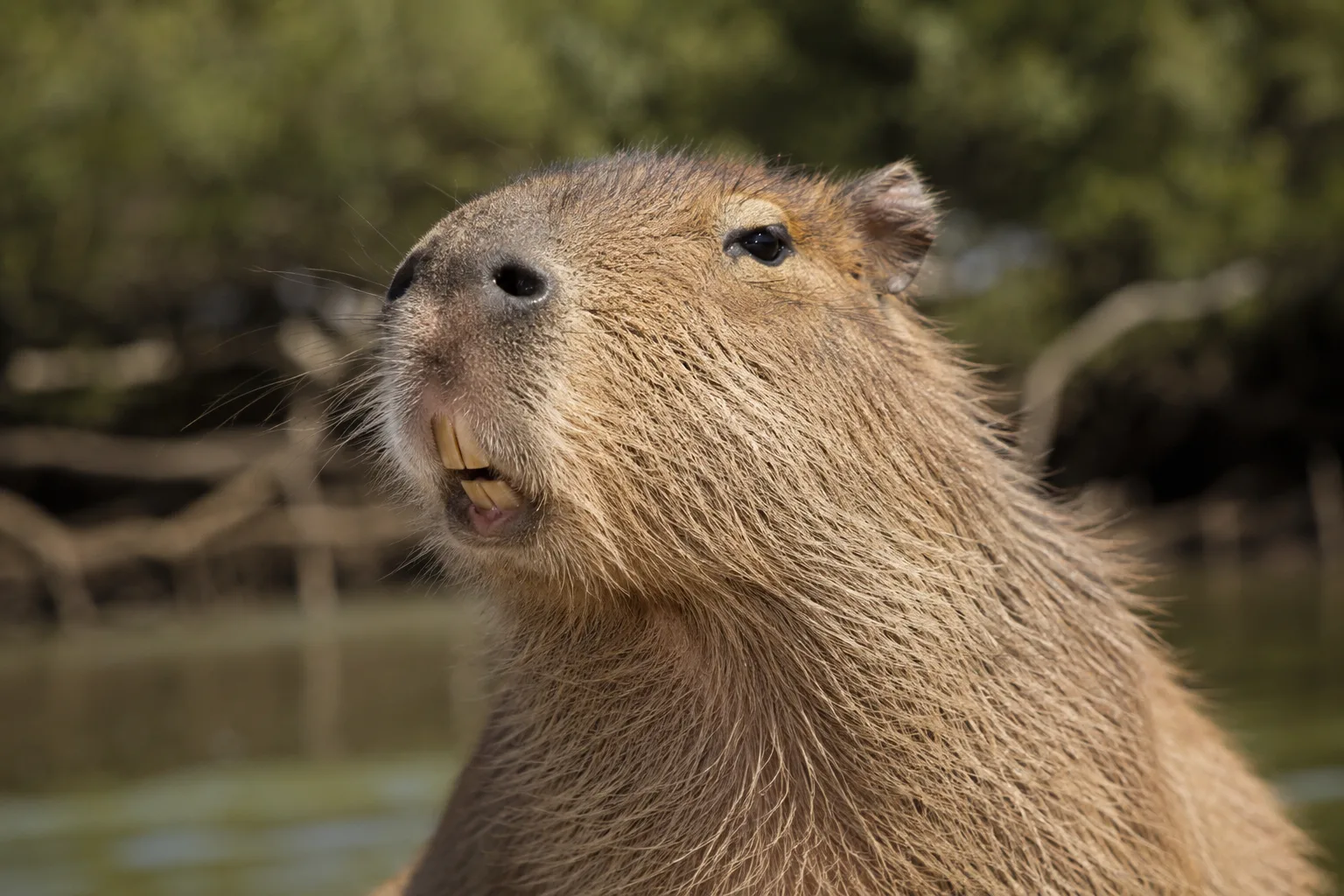
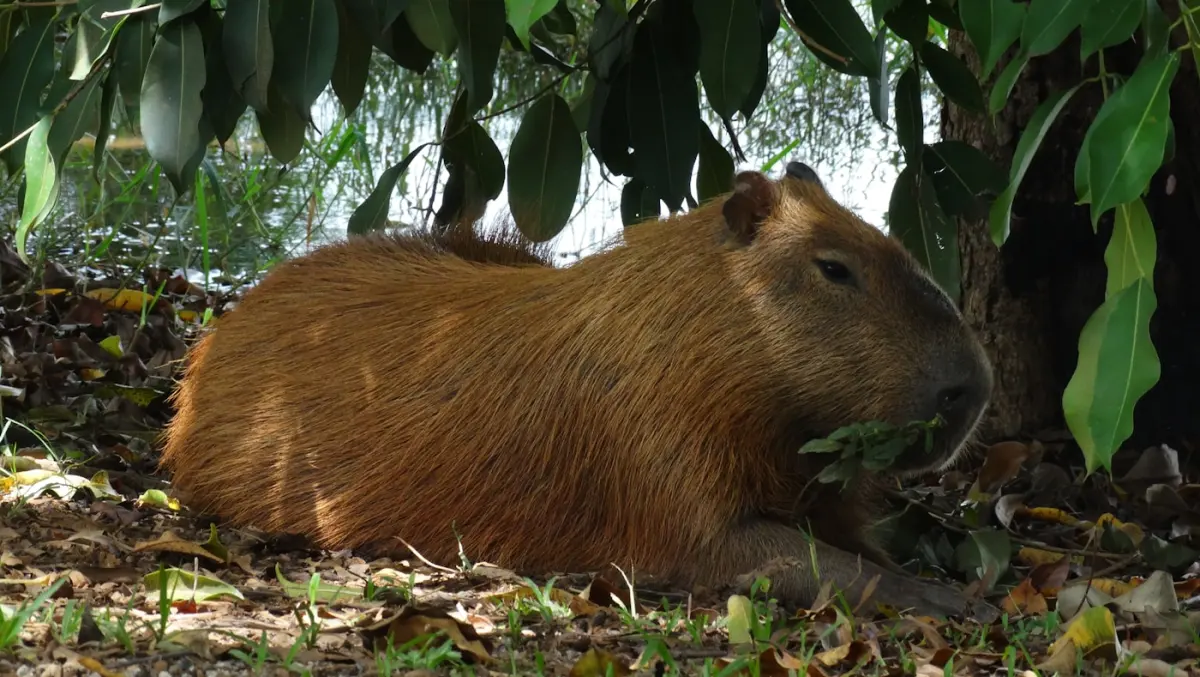
A fully grown capybara weighs between 35 and 66 kilograms, making them the largest rodents on earth. Their apparent calm around other species is largely a function of size and social confidence, not some unusual temperamental sweetness.
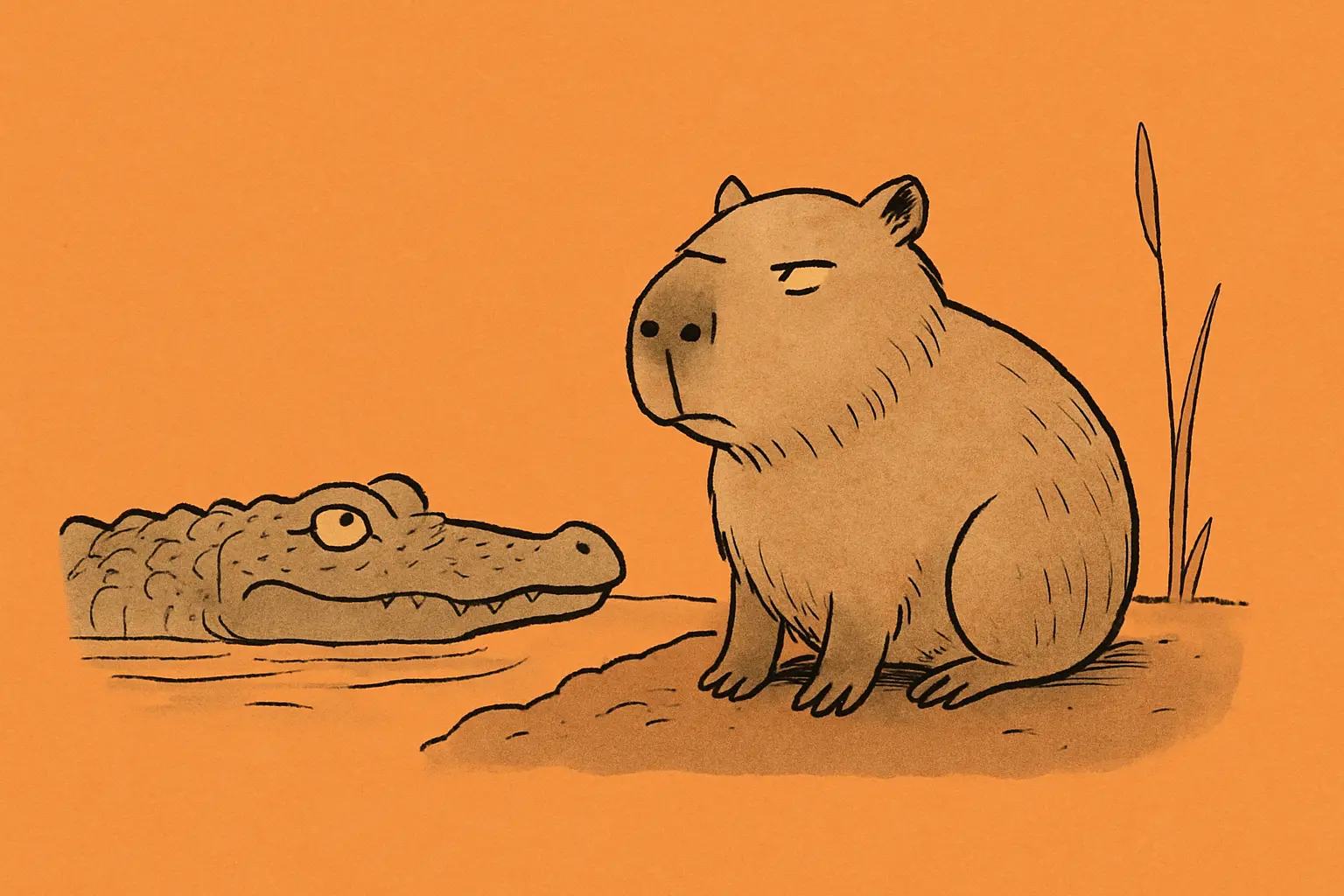
There is also a useful biological detail that rarely makes it into zoo announcements. Capybaras can hold their breath underwater for up to five minutes, which is how they evade jaguars and caimans in their native South American wetlands.
The same animal can now be trained to hold still for an ultrasound. That is a reasonable measure of how far modern zoo husbandry has moved.
Where the family is now
The pups are currently being kept off public display while the family settles in. Renee Bumpus, chief animal conservation officer at Palm Beach Zoo, described the process as “a deliberate process filled with exciting stories and developments.”
That sentence is doing a lot of work to make “we are not showing you the animals yet” sound like a gift. It is not a criticism: keeping a new mother and three neonates away from crowds is the correct call. The framing is just worth reading clearly.
Zeus, for his part, is described as contributing by giving his family space. That is accurate to capybara behaviour. Dominant males in wild groups are not especially involved in direct pup care. Their role is structural, maintaining group stability rather than active nurturing.
The family will begin making brief, unscheduled appearances in the main habitat as the pups gain confidence. These will not be timetabled events. If you visit hoping to see them and do not, that is the arrangement.
The Grumpy Capy take
The voluntary ultrasound protocol is the most interesting part of this story, and it deserves more than a single sentence in the source material.
Training a prey-species animal to hold still for a medical procedure, without chemical restraint, is a meaningful welfare achievement. Glossing over it in favour of quotes about “exciting stories” is a missed opportunity.
For transparency: the source article was published by the AZA’s communications team and edited by a named AZA communications coordinator. It is, in structure and tone, an institutional press release. There is no independent veterinary comment, no timeline for public access, and no information about the pups’ sexes or names. That is what the zoo chose to share, and it defines the ceiling of what this story can currently tell you.