The count that came up short
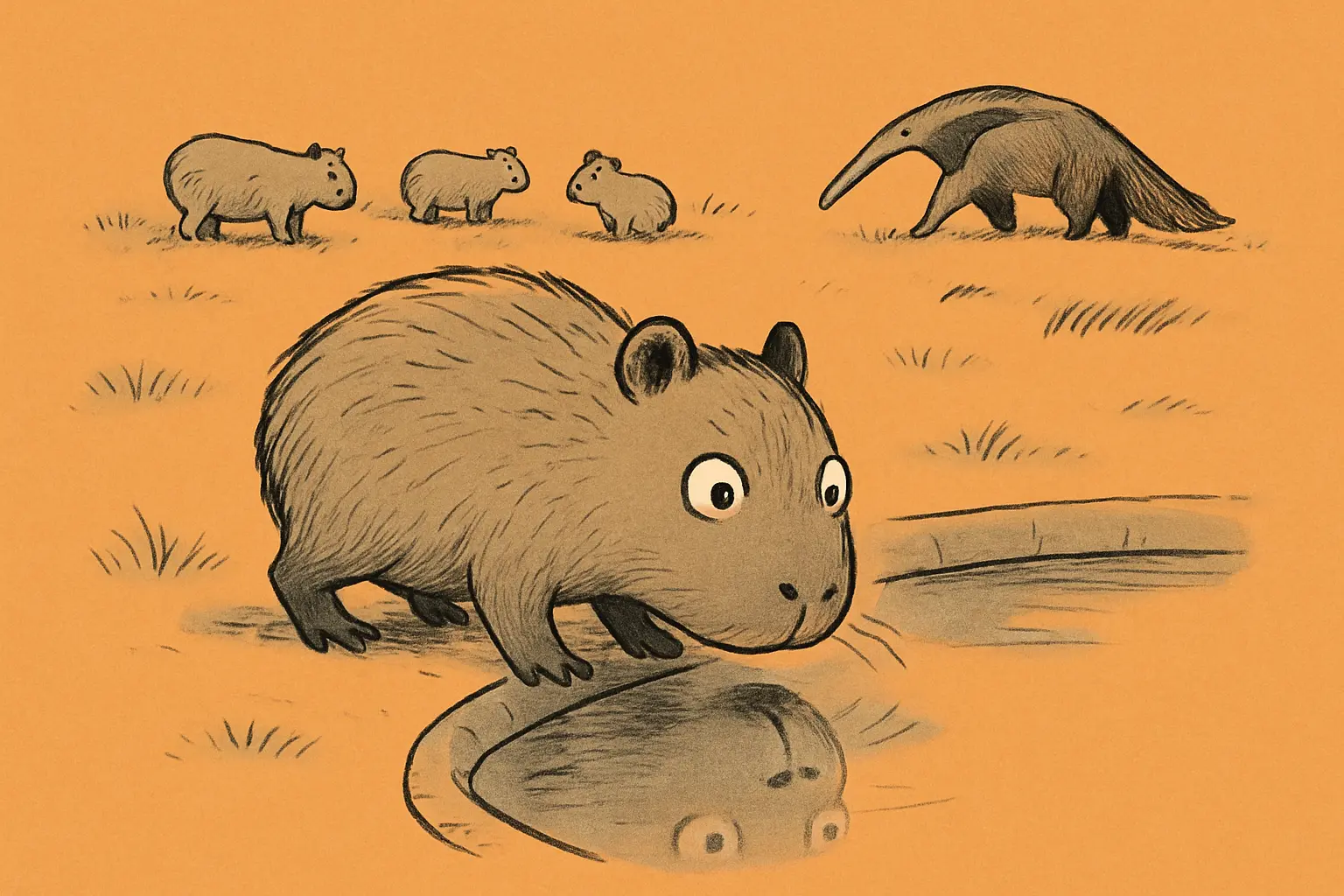
According to Zoo Praha, keepers initially tallied six pups after the birth. Then a seventh appeared. The zoo describes this as “magical,” which is one word for it. “Miscounted” is another, though in fairness, newborn capybaras are small, fast, and apparently difficult to inventory.
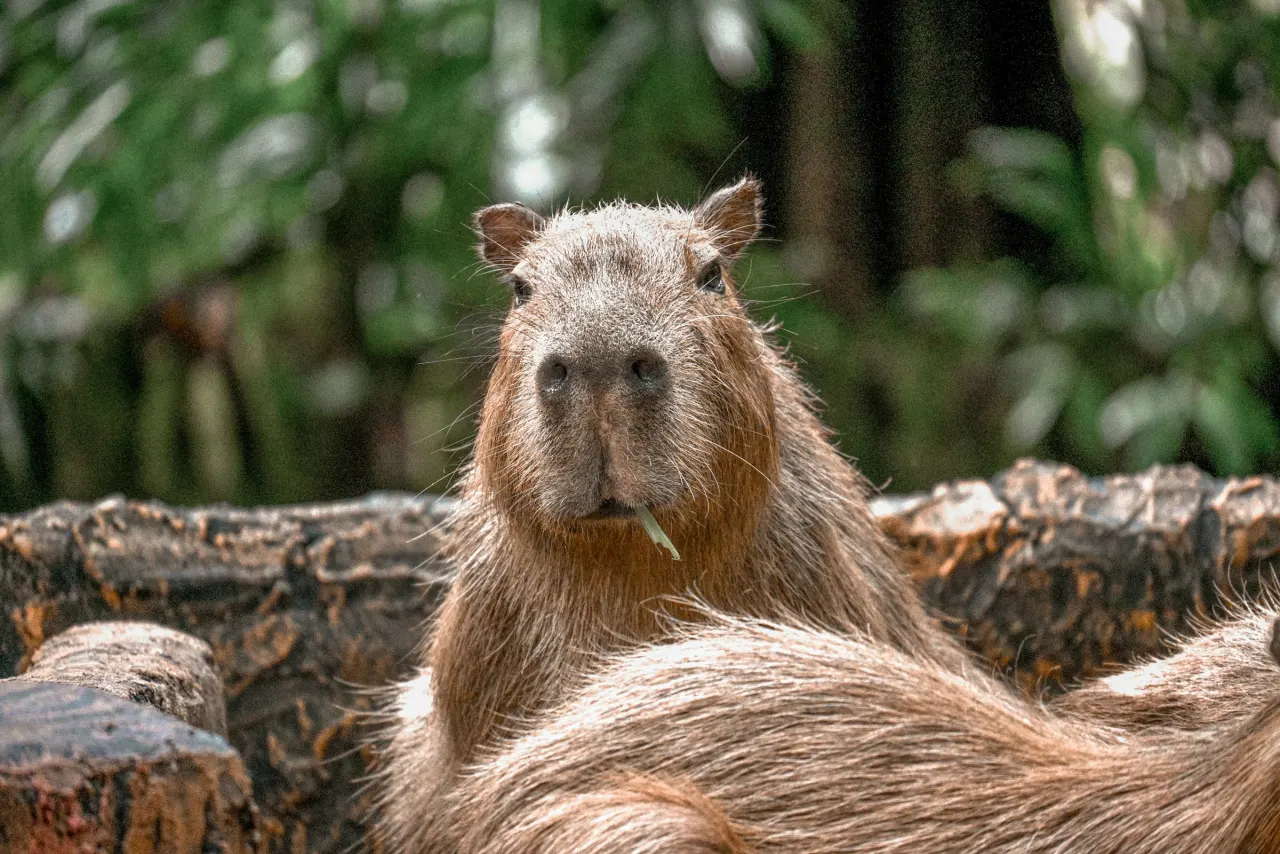
The litter is the largest in Prague Zoo’s history. The breeding pair arrived at the zoo in 2023, produced three offspring last year, and have now more than doubled that output in a single go. The enclosure in the lower part of the zoo currently holds twelve capybaras in total.
What the keeper actually said
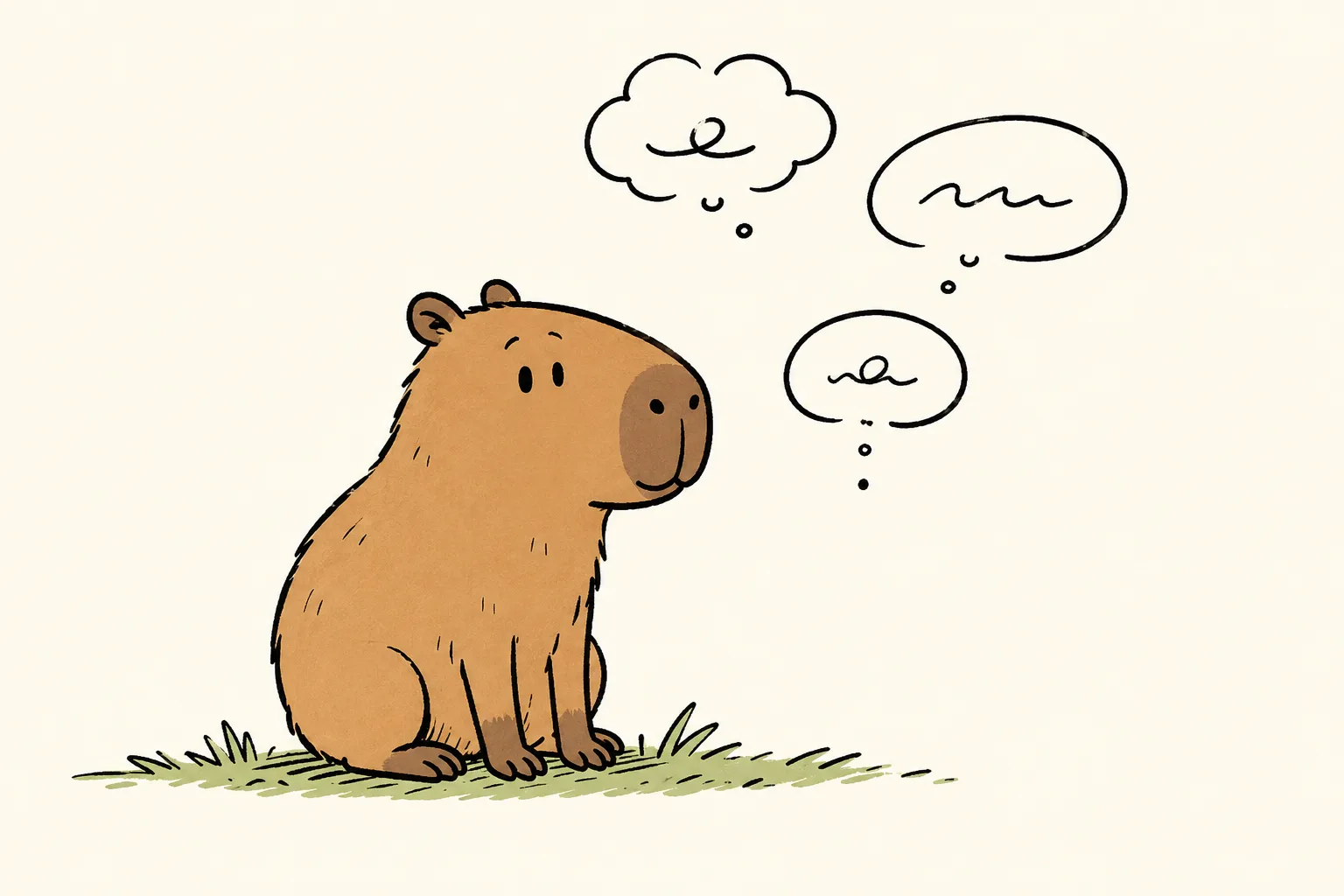
Keeper Nikola Kučerová explained to Prague Zoo’s news team that capybaras belong to the cavy family — the same group that includes guinea pigs — and that this lineage explains something genuinely surprising about their newborns. The pups arrive fully sighted and capable of walking from their very first day. There is no helpless, eyes-shut phase of the kind you get with, say, kittens or rabbits.
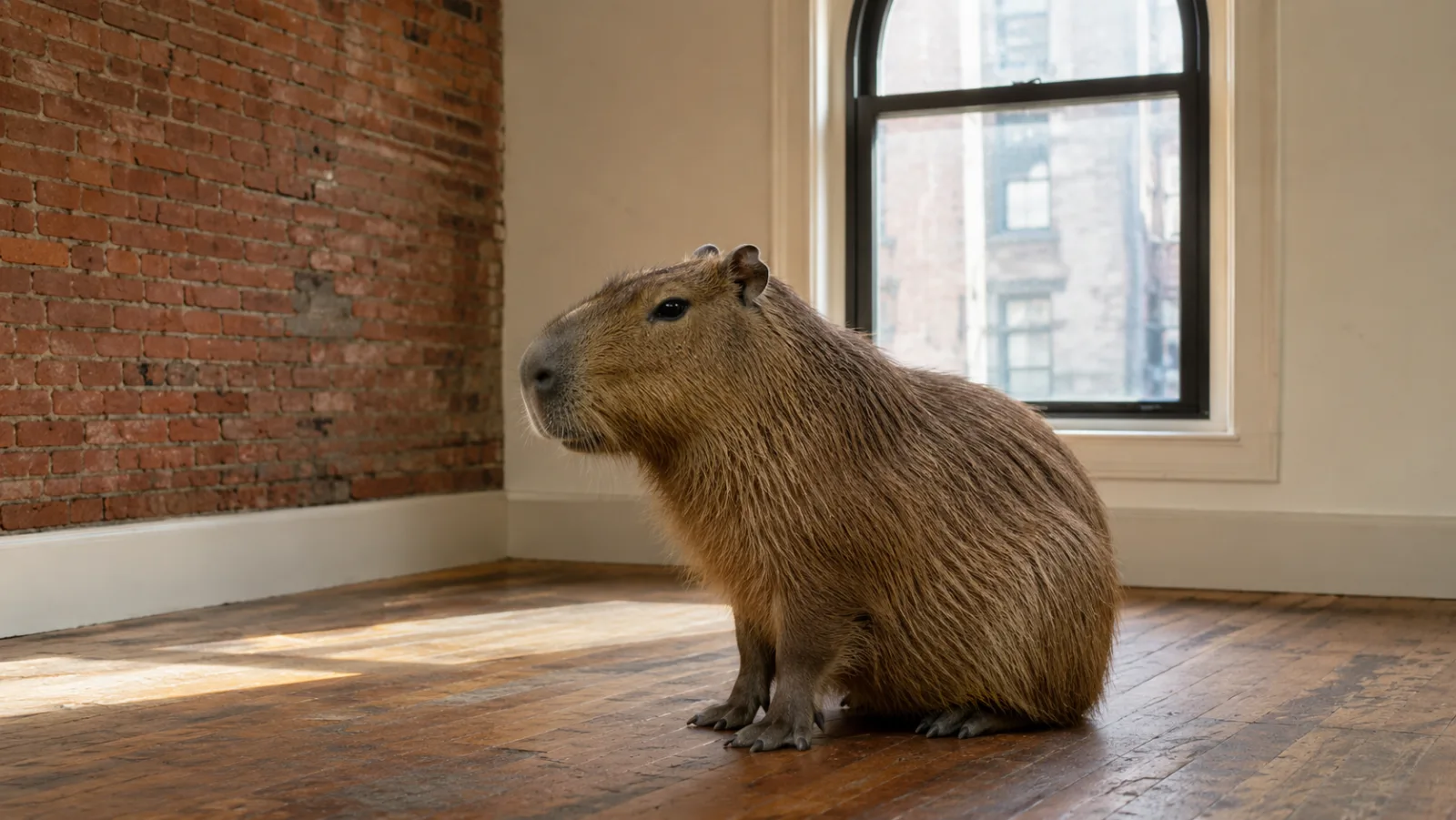
They still depend entirely on their mother’s milk at birth. Within a few weeks, though, they start grazing, and the zoo has been introducing vegetables into the mix. The pups are already described as miniature copies of their parents, which tracks: capybaras are the largest rodents on earth, and even the small version of a very large rodent is not especially small.
The enclosure situation
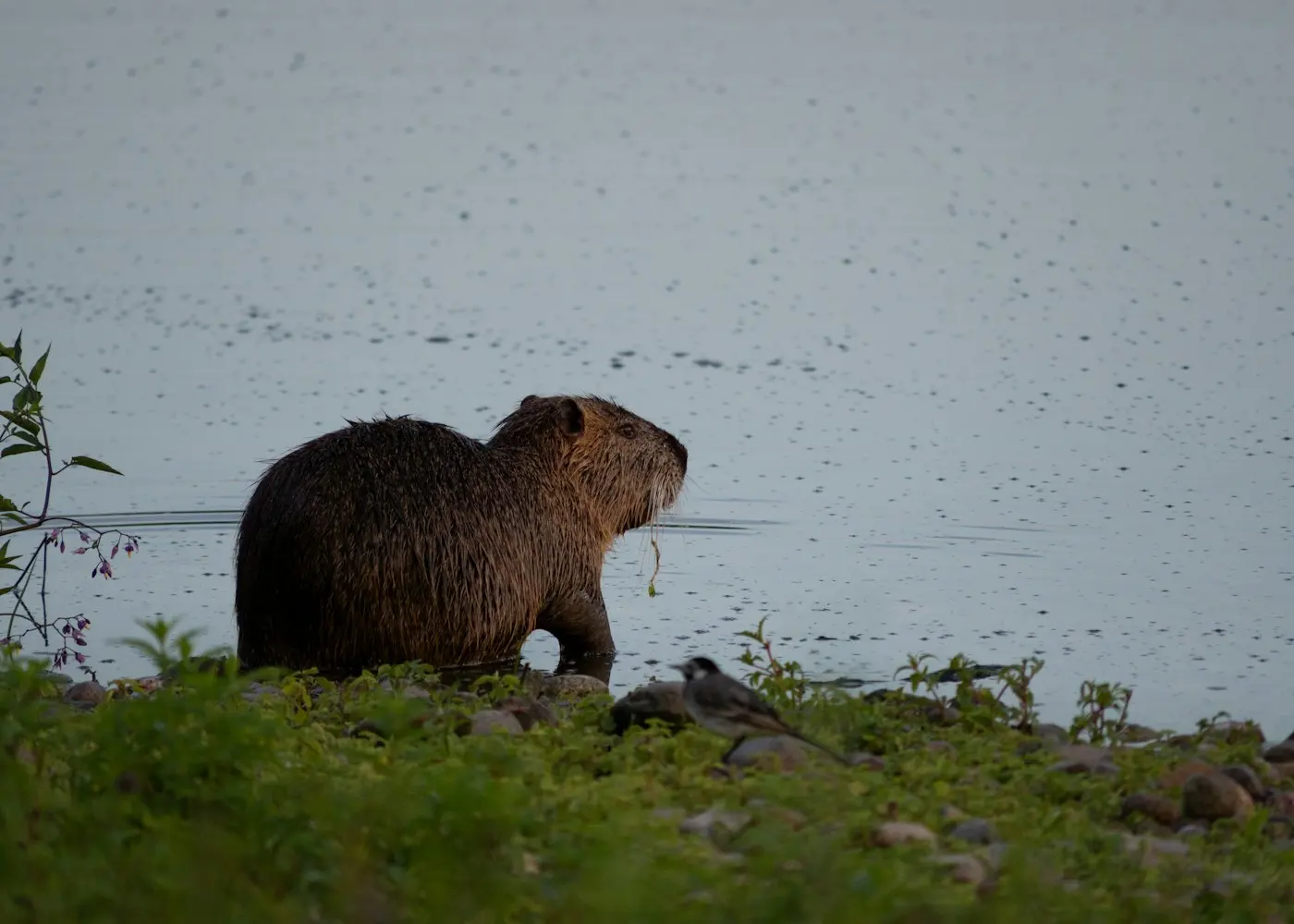
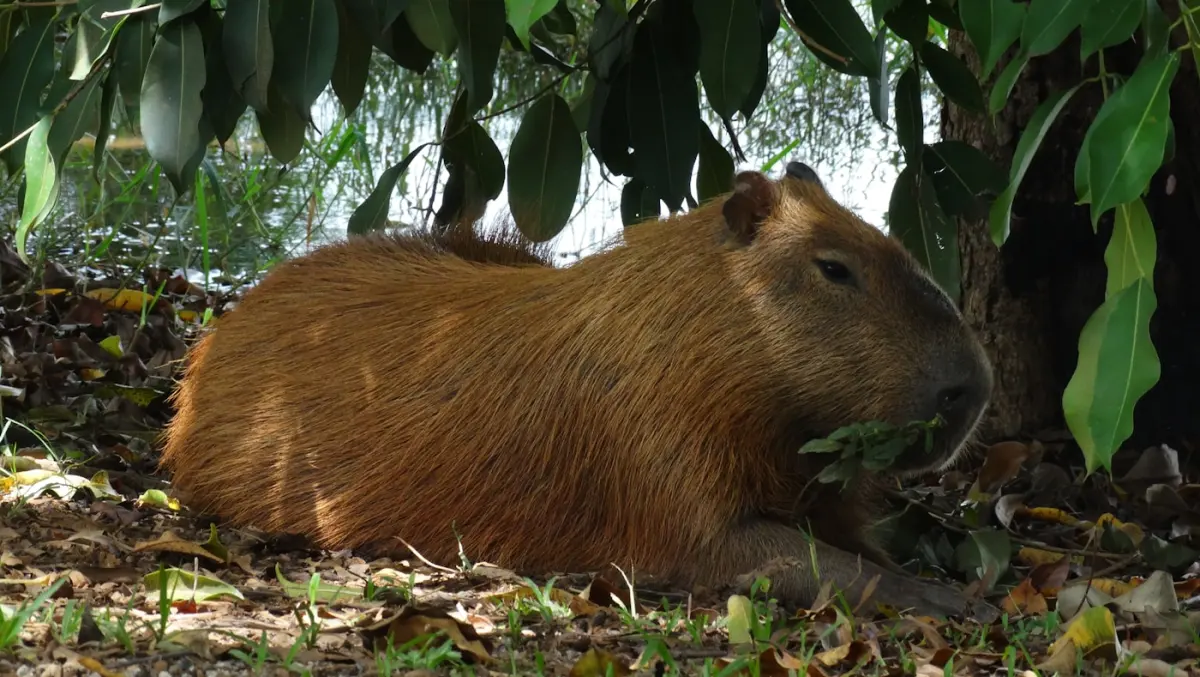
Twelve capybaras sharing a space with two giant anteaters is the current arrangement, and the zoo reports that visitors can observe all of them. The pups have so far been avoiding the water — which is notable given that adults are exceptional swimmers, capable of staying submerged for up to five minutes to evade predators. Apparently that instinct takes a while to kick in.
The three males born in 2025 are on their way out. They will relocate to Spišská Nová Ves Zoo in Slovakia, which is the standard outcome for surplus males in a managed capybara group. Capybaras are social animals that live in groups of ten to twenty in the wild, but those groups have a clear hierarchy, and extra adult males tend to cause friction. Moving them on before tensions develop is sensible management rather than sentimentality.
Why Prague’s capybaras are so popular
The zoo is candid that capybaras are “relatively common both in the wild and in human care.” This is worth saying out loud, because a lot of the coverage around capybara births at zoos leans heavily on rarity framing. These animals are not endangered. Their wild population across South America’s wetlands, grasslands, and riverbanks is stable. The species is listed as Least Concern.
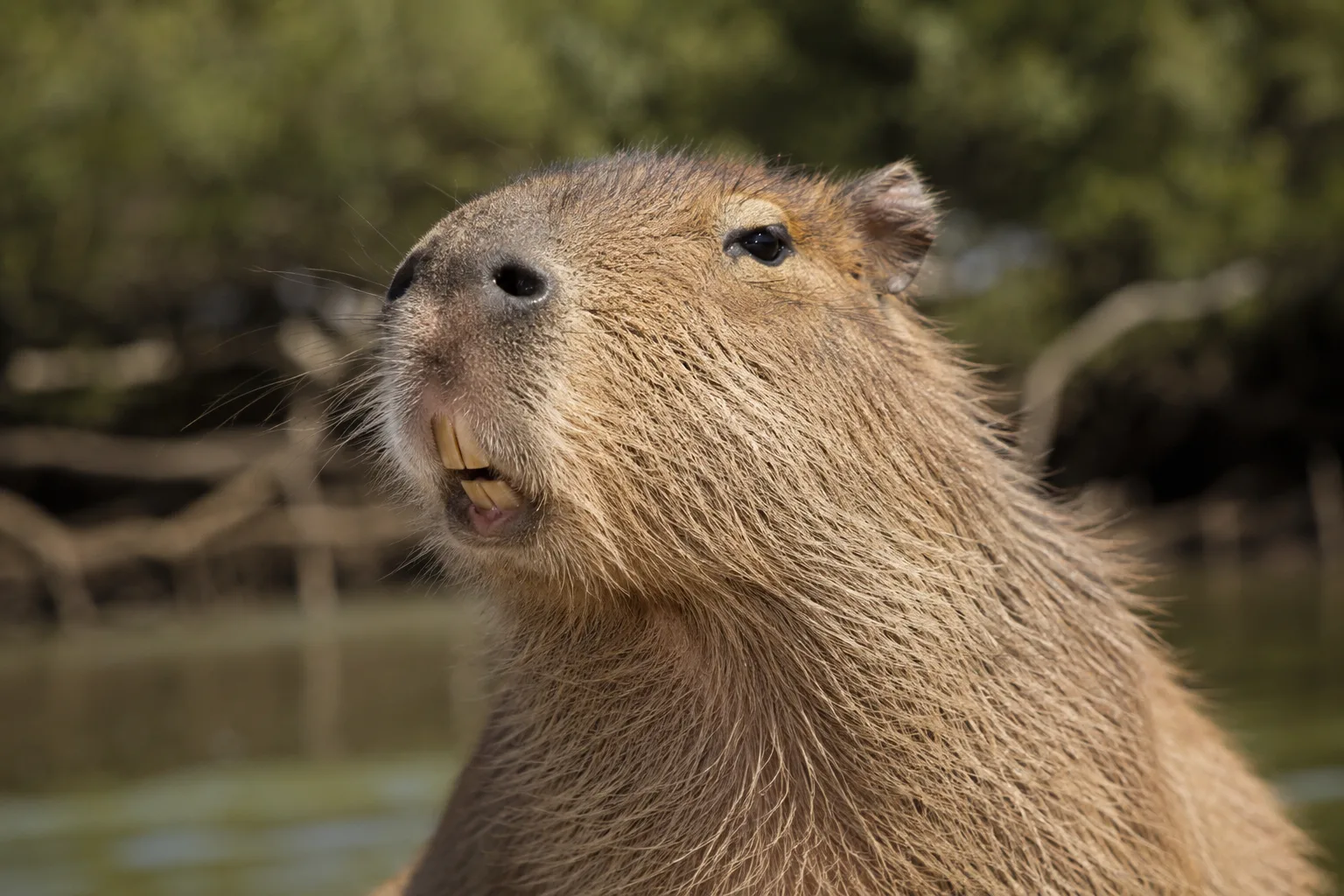
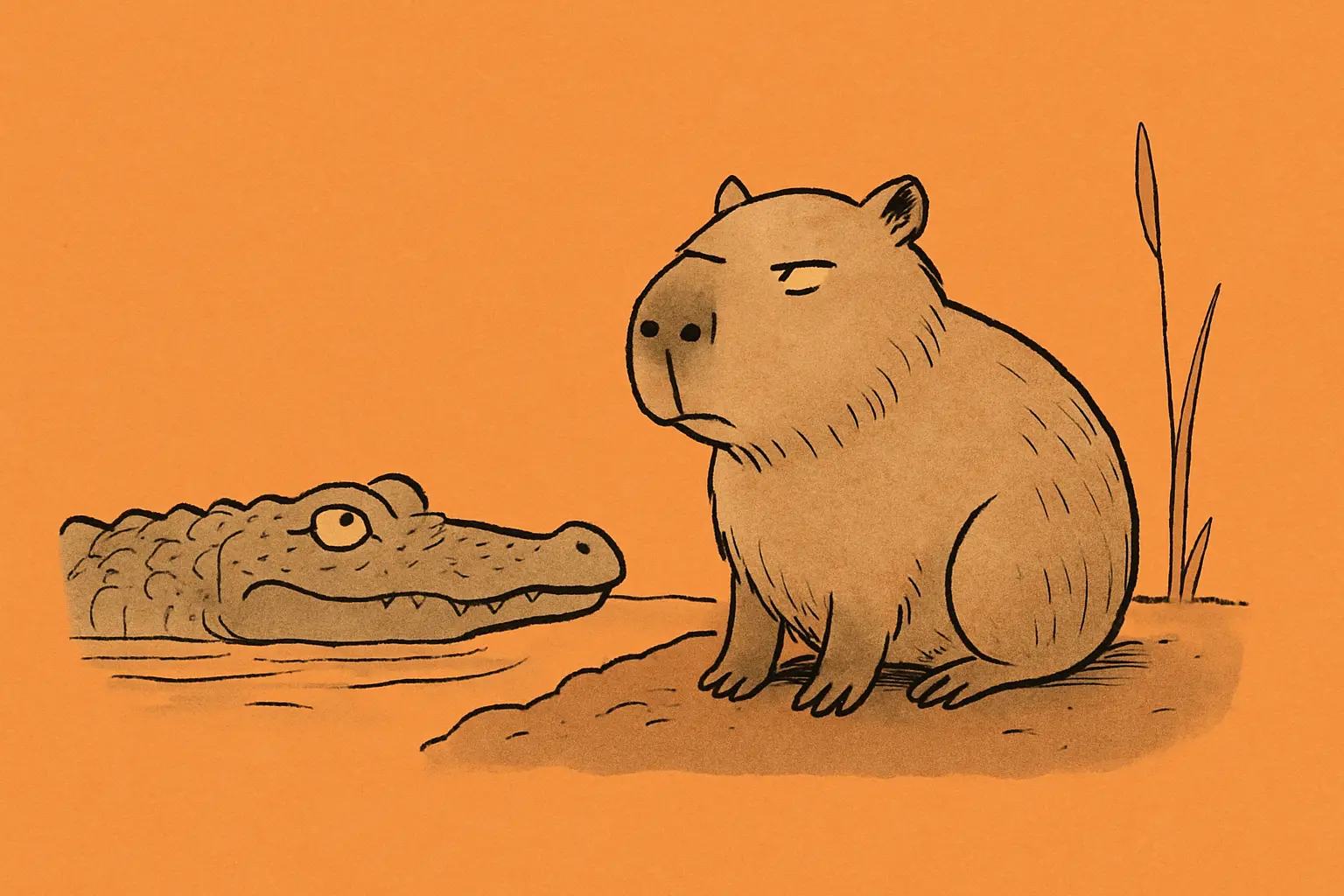
What drives their popularity is something else entirely. The zoo points to social media memes and viral videos, and that is accurate as far as it goes. Capybaras have a specific internet reputation for tolerating other animals — birds, monkeys, caimans — perching on them without apparent objection. The scientific name Hydrochoerus, meaning “water pig,” does not quite capture the vibe, but it does at least explain the swimming. Prague Zoo says capybaras rank among its most frequently sponsored mammals, and the enquiry volume about their enclosure is high enough to be worth mentioning in a press release.
One common misconception worth correcting: people often assume capybara pups need the same extended helpless infancy as most familiar mammals. They do not. The cavy family produces precocial young — born with full sensory capability and mobility — which means these seven pups were up and following their mother within hours of birth, not weeks.
The Grumpy Capy take
Seven pups is a genuinely notable litter size. Capybara litters typically run between two and eight, so hitting seven is at the upper end of normal rather than some biological anomaly — but for a single zoo’s recorded history, it is a legitimate record worth acknowledging.
The detail about one of the older brothers acting as a secondary guardian is the most interesting part of this story and gets the least space. Capybaras are cooperative breeders in the wild, with group members beyond the mother taking on pup-minding duties. Seeing that behaviour emerge in a zoo group with a genuine age spread is more telling than the headcount.
The transfer of the 2025 males to Slovakia is the part to watch. Twelve capybaras in one enclosure is a crowd, and the social arithmetic only gets harder as the new pups mature. Prague Zoo appears to have a plan. Whether the plan survives contact with seven rapidly growing rodents remains to be seen.