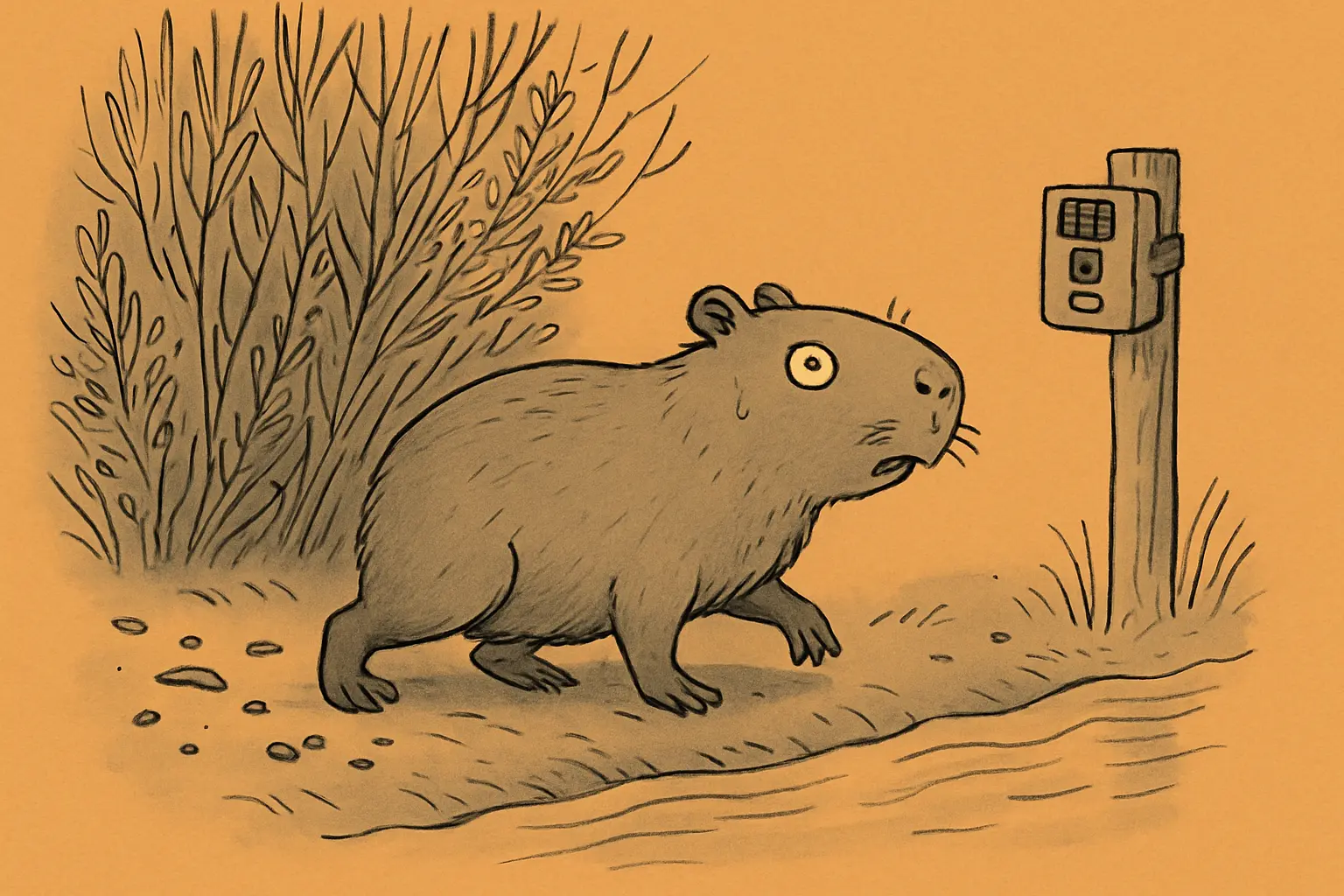
Nearly three months, one confirmed sighting
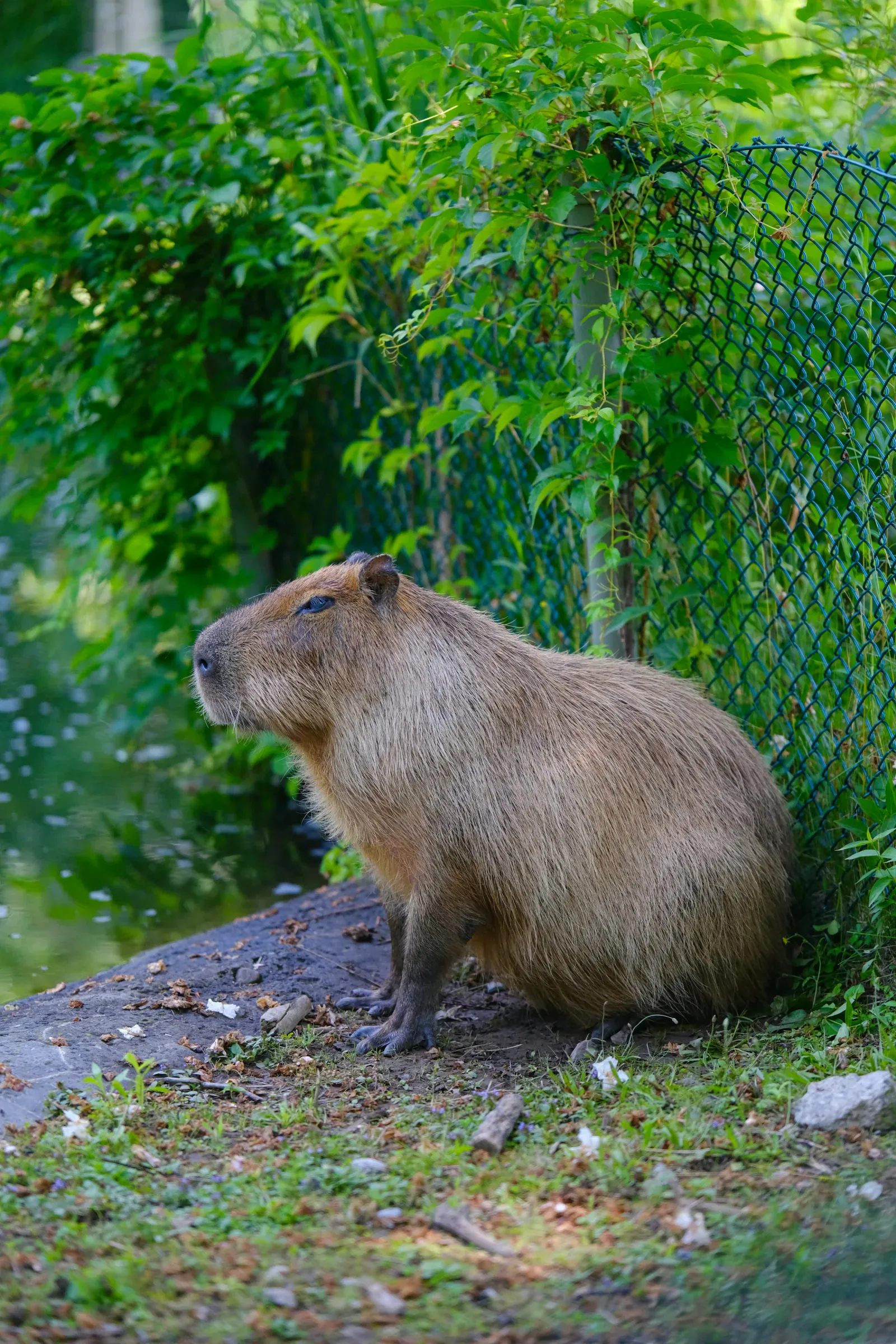
Samba escaped Marwell Zoo in Hampshire on 17 March 2026. She was 11 months old at the time — not quite fully grown, but large enough that you would think a capybara wandering the Hampshire countryside would be hard to miss. According to BBC News, the last sighting confirmed as Samba was on 22 March in the Colden Common area, five days after her escape. Everything since then is unverified.
That gap matters. “Several credible sightings” is not the same as confirmed sightings. The zoo has followed up on multiple reports over nearly three months, and not one has produced a photograph or physical evidence conclusive enough to update that 22 March baseline.
What ‘credible’ actually means in this context
The recent cluster of reports places Samba around Brambridge, a village roughly three miles — about five kilometres — from Marwell Zoo. As the Daily Echo reports, more than 20 members of the zoo’s team have been conducting ground searches and deploying extra camera traps in the area.
The zoo says teams are looking for “footprints, droppings and any direct signs of Samba’s presence” in terrain described as quite densely vegetated. That is the honest language of a search that does not yet have its quarry. Dense vegetation is also the kind of environment where a capybara could plausibly stay hidden, given that the species is naturally adapted to riverine forest edges and wetland margins across South America.
Why Hampshire is not as hostile as it sounds
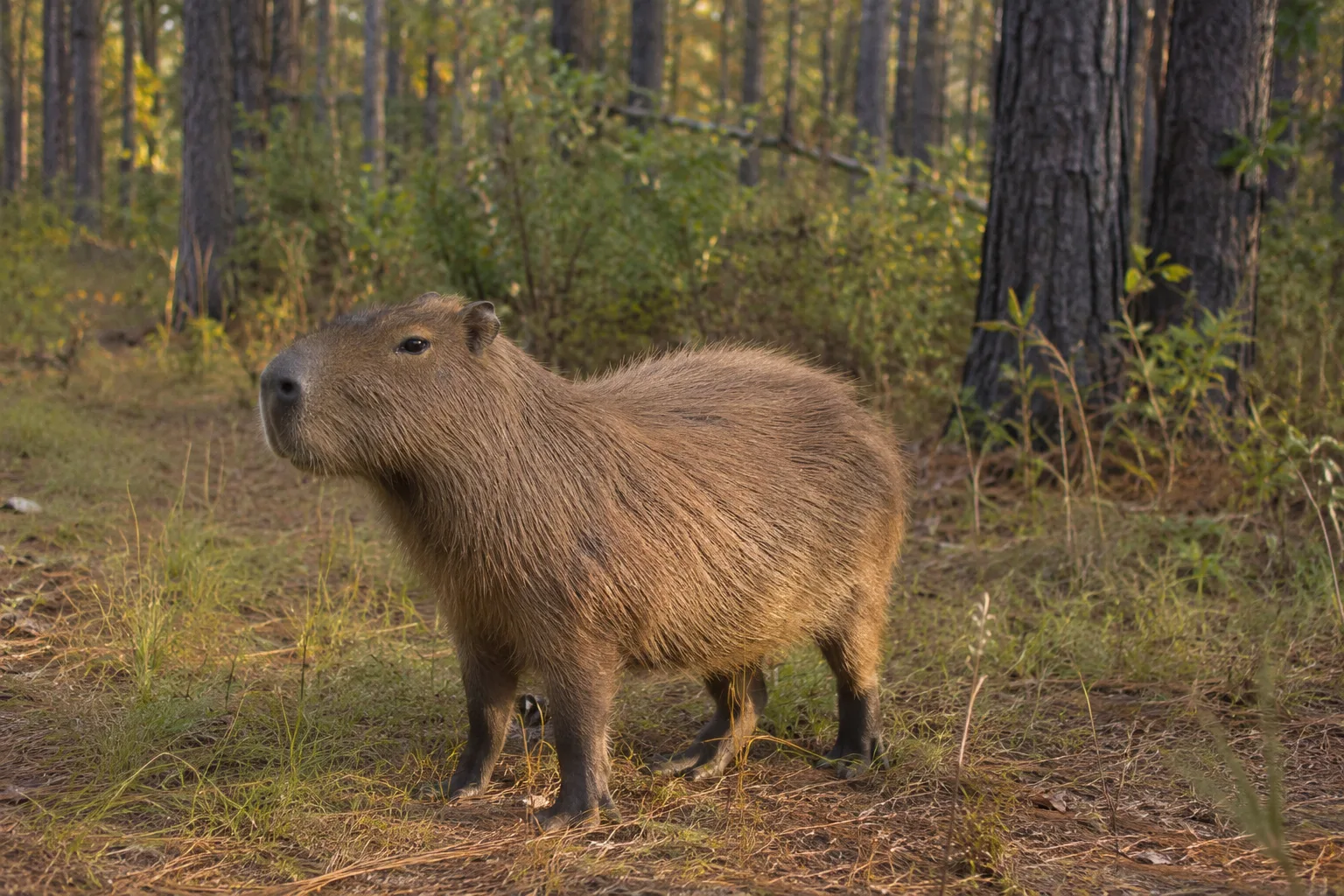
Capybaras are the largest rodents on earth. A fully grown adult can weigh up to 65 kilograms and reach around 1.3 metres in length — roughly the size of a large dog, built like a barrel. Samba, at 11 months, would be approaching but not yet at that maximum size.
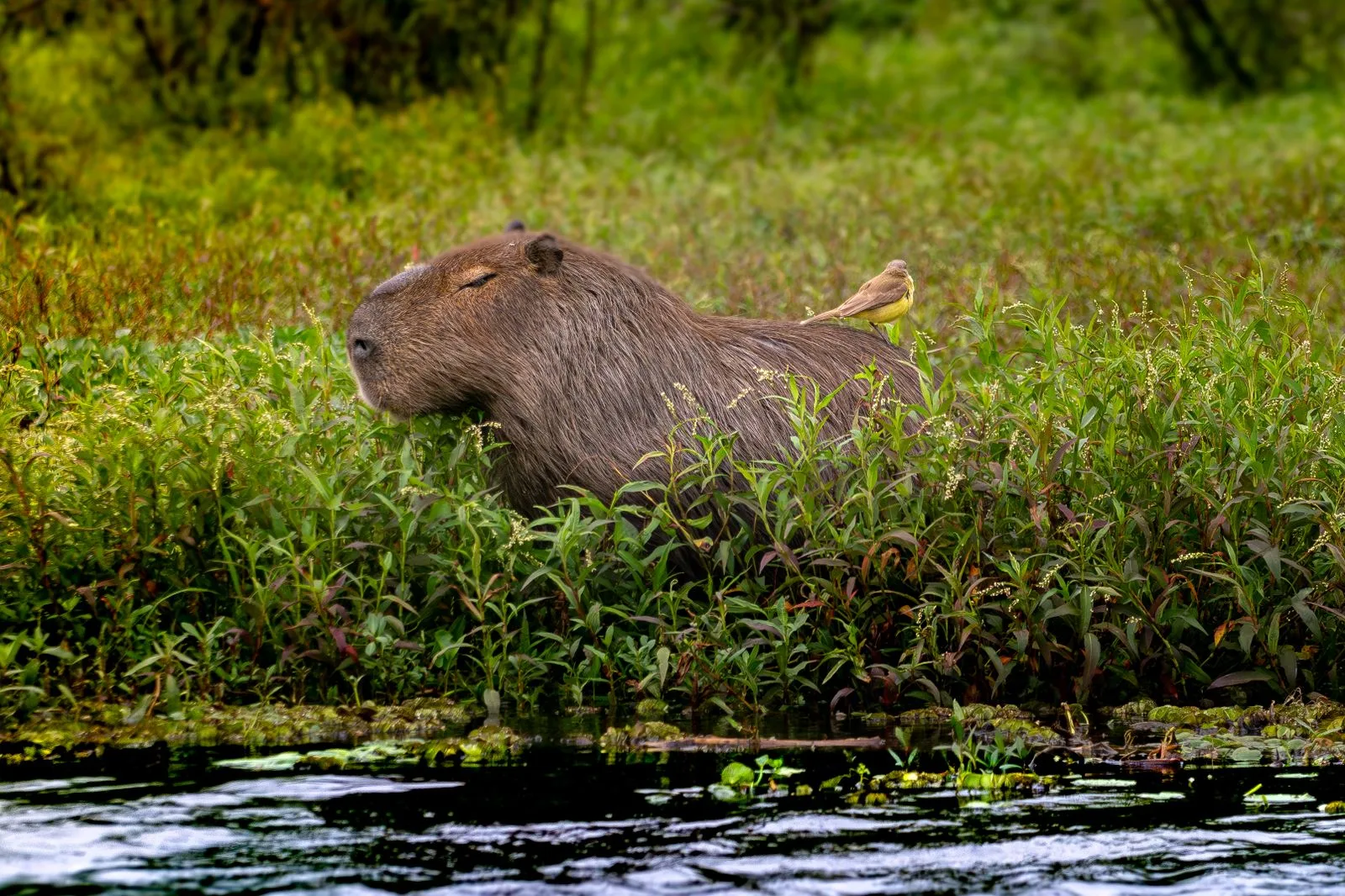
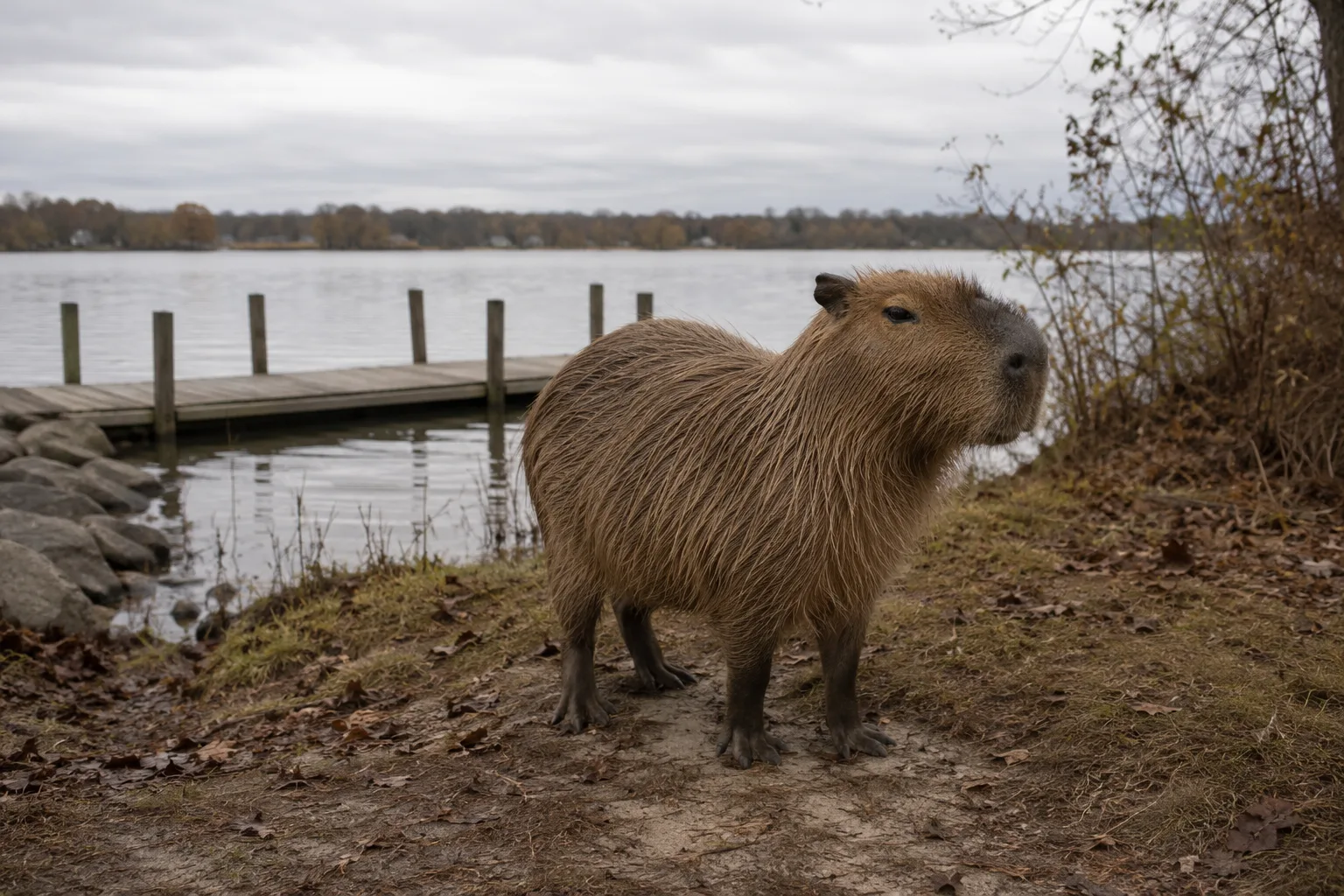
Here is the part that surprises most people: capybaras can hold their breath underwater for up to five minutes, a trait that makes them extraordinarily effective at evading predators — and, it turns out, search teams. Hampshire’s river network, including the River Itchen running near Brambridge, provides exactly the kind of semi-aquatic habitat a capybara would gravitate toward. She is not surviving despite the environment. She may well be thriving in it.
The misconception doing the rounds
A common assumption, repeated in coverage of Samba’s escape from the start, is that a capybara loose in England would be immediately conspicuous and easy to spot. The zoo’s own experience contradicts this. Eleven weeks of searching, 20-plus staff, camera traps, and a global wave of public attention have produced zero confirmed sightings since late March.
Part of the difficulty is that capybaras in low light or at distance can be confused with stocky native or introduced species — muntjac deer being the most commonly cited example. A member of the public spotting something large and low-slung near a riverbank at dusk is not necessarily looking at Samba. The zoo has been careful not to overstate what the recent Brambridge reports actually prove, and that restraint is worth noting.
The Grumpy Capy take
Marwell Wildlife deserves credit for being relatively straight with the public here. “Several credible sightings” and “we remain hopeful” is not the language of a zoo that thinks it has solved the problem. It is the language of a zoo that has narrowed a search area and is being honest about what that does and does not mean.
The story has attracted global interest since March, which is understandable — a young capybara on the loose in Hampshire is inherently good copy. But global interest has not translated into a confirmed sighting in eleven weeks, which should recalibrate expectations about how this resolves.
Worth noting, for transparency: the BBC’s coverage relies primarily on Marwell Zoo’s own social media post as its source, and no independent on-the-ground reporting appears to have verified the Brambridge sightings. The zoo is both the searching party and the primary information source, which is not ideal but is the reality of how these stories tend to work.