Start with the USDA, and start before you have picked an animal. The Animal Welfare Act requires anyone who breeds, sells, or exhibits regulated animals commercially in the United States to hold a USDA APHIS license, and capybaras are a covered species. The license number is public record, searchable in a free federal database, and checking it is the cheapest thirty seconds in this entire process.
A verified USDA license, or you are not buying — you are taking a risk with an animal attached
Two documents decide whether a capybara purchase is legitimate, and neither of them is a photo of the animal. One is the seller's USDA Animal Welfare Act license, which you verify yourself in the APHIS public search tool. The other is your own state, county and city permit position, which the seller's license does nothing for.
Everything else on this page — price, health records, the bill of sale — is downstream of getting those two right, in that order.
This is not bureaucratic pedantry. USDA-licensed breeders are subject to facility inspections, care standards, and recordkeeping requirements. Unlicensed sellers are not. The welfare of the animals they produce is correspondingly less likely to meet a minimum standard, and buying from them creates a legal problem for the buyer on top of the welfare one.
USDA Licensing: The Non-Negotiable
The Animal Welfare Act (7 U.S.C. § 2131 et seq.) requires licensing for anyone who:
- Deals in regulated animals commercially (Class A: breeder/dealer; Class B: dealer/reseller)
- Exhibits animals to the public commercially
Capybaras are a covered species under the AWA. A person selling capybaras regularly, breeding them for sale, or exhibiting them at events must hold a USDA AWA license. Private individuals who breed their own pet capybaras and sell the occasional litter may qualify under a retail-pet-store or hobby-breeder exemption in some circumstances, but regular commercial capybara sales require licensing. When in doubt, verify the license.
The distinction that trips people up is what that license is actually about. It is a statement about the seller’s operation. It says nothing whatsoever about you.
What the USDA license covers
- The seller's facility has been inspected
- Their operation is held to AWA care standards
- There is a recordkeeping trail for the animals they produce
- They can be cited for violations, and those citations are public
What it does not cover
- Whether your state permits private capybara ownership
- Whether your county or city allows it at your address
- Whether your zoning permits a livestock-scale enclosure
- Whether an exotic vet within reach will take the animal on
- Anything at all about the animal once it leaves their property
A licensed breeder can sell you a capybara you are not legally allowed to keep. The license is theirs, the permit problem is yours, and no reputable breeder is going to research your county code for you. Clear your own address first.
The Order The Money Should Move In
Every expensive version of this story is the same story: someone found the animal first and researched the law second. The sequence below costs nothing but phone calls, and each step can end the project before it costs anything real.
-
Your state wildlife or agriculture agency
Ask, by scientific name, whether Hydrochoerus hydrochaeris is prohibited, controlled, or requires a possession permit. Get it in writing with a date on it. Start from the 50-state screening map to find out which agency that even is.
-
Your county and your city
The layer that quietly ends most projects. Municipal animal ordinances are separate documents from state law and are frequently stricter — several US cities ban the species by name while their state says nothing at all.
-
Zoning and, if they exist, the landlord, HOA or insurer
A heated shelter and a pool are structures. An exotic mammal is often an explicit exclusion in a policy or a lease. Both are cheaper to discover now than after delivery.
-
An exotic-animal vet who will actually take the case
Ask before you buy, not after. You want a named clinic that says yes, plus a nearest after-hours option, because capybara medicine is not something a general small-animal practice can improvise.
-
Then, and only then, the breeder
Verify the USDA license number in the APHIS public search tool yourself, from the number they give you. Do not accept a screenshot, and do not accept a license held by somebody else at the same address.
-
Paperwork before payment
Certificate of Veterinary Inspection, health history, bill of sale. Money moves last, and it moves against documents rather than promises.
How To Find Licensed Capybara Sellers
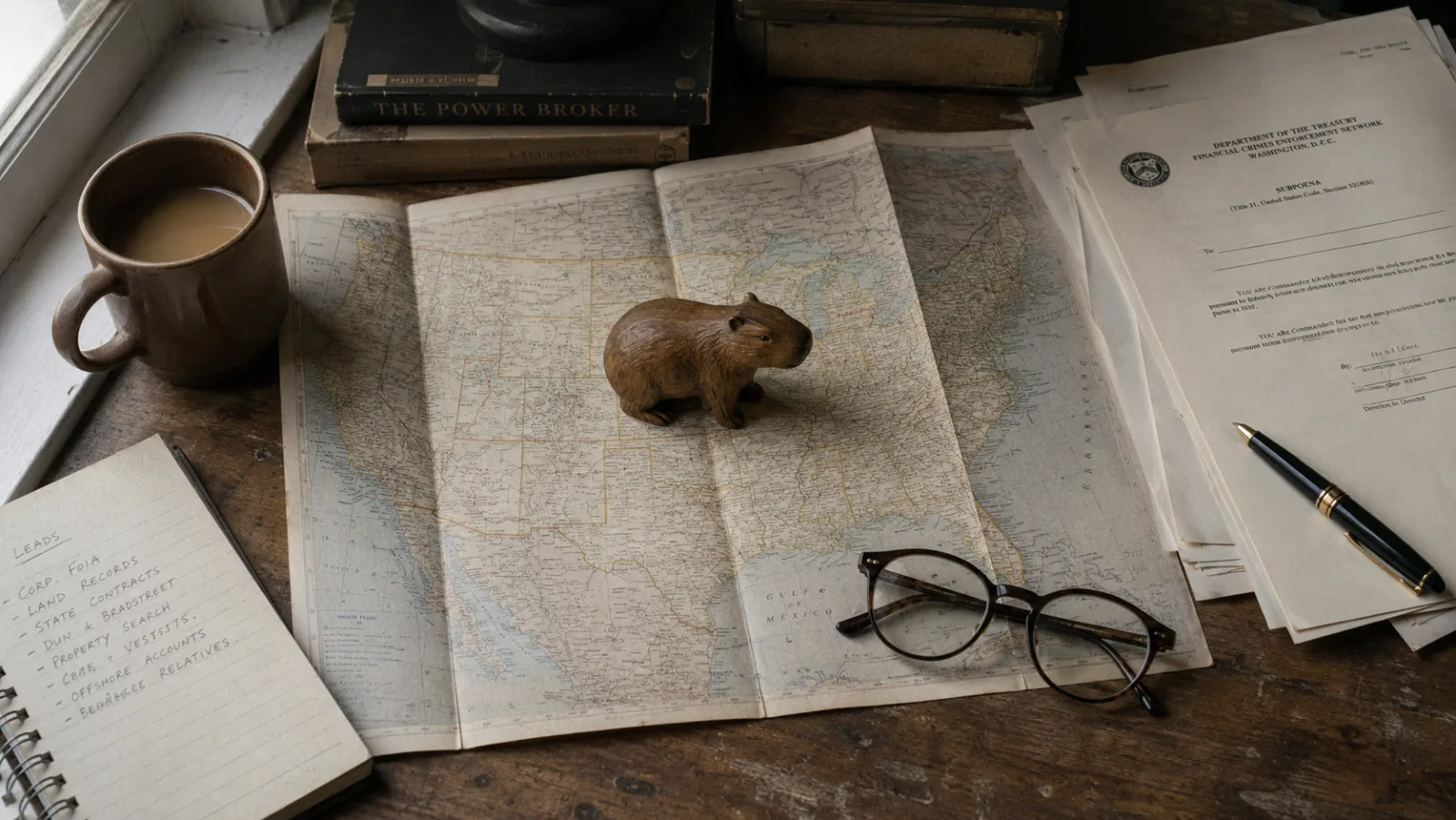
The USDA APHIS maintains a searchable database of licensed and registered facilities at efile.aphis.usda.gov. Searching by state and by Class A/B license type will surface licensed breeders and dealers. The database is publicly accessible and free, and it is the only source on this list that is authoritative.
Secondary sources, useful for finding candidates and useless for verifying them:
- State exotic animal owner groups and capybara enthusiast communities, which often maintain informal lists of known licensed breeders
- Hobbyist communities that buyers have used to find reputable sources
- Veterinary practices that treat capybaras and know regional breeders by reputation
Do not rely on any of them for licensing status. Get the number, then check the number.
Red Flags To Avoid
Sorted by how quickly each one should end the conversation.
Stop the conversation
- No USDA license number, or refusal to give one
- A price far under the market — $200 to $500 is not a bargain, it is a signal
- No health records, no vet, no parasite screening
- Willing to ship without a Certificate of Veterinary Inspection
- Social-media-only presence with no verifiable physical facility
Signs of a real operation
- Gives the license number unprompted and invites you to check it
- Asks you about your permits, your enclosure, and your vet
- Will sell you a pair, and explains why one is not an option
- Has an opinion about your enclosure plan, and it is not flattering
- No urgency, no deadline, no "this one goes tomorrow"
The single most reliable signal is which direction the questions run. A breeder who is only interviewing your wallet is a broker. A breeder who is interviewing you is doing the job.
Pressure to purchase quickly deserves its own line, because it is the tactic that survives all the others. Legitimate licensed breeders have waiting lists and slow seasons. They do not need a deadline to close a sale on an animal that can live around twelve years in expert care.
What A Legitimate Purchase Should Include
A proper capybara purchase from a licensed breeder should include:
- USDA AWA license number — verified by you, independently
- Current Certificate of Veterinary Inspection (CVI) from a licensed vet, dated within 30 days of shipment
- Basic health history — age, vaccination or treatment history, parasite screening
- Diet information — what the animal has been eating, and any dietary notes
- Socialization notes — handling history and behavioral observations from the breeder
- Bill of sale — dated, signed, with both parties’ contact information
Agreements about returns, health guarantees, and buyer follow-up are not legally required, but they are the clearest sign of an operation that expects to still be reachable in a year.
Price Reality
Capybara pricing from legitimate US breeders in 2025-2026:
| Animal | Approximate price range |
|---|---|
| Pup (6-12 weeks, recently weaned) | $1,500–$3,500 |
| Young adult (1-2 years, socialized) | $1,000–$2,500 |
| Adult (3+ years) | Variable; often less, depending on circumstances |
| Bonded pair | $2,500–$6,000+ |
These ranges reflect licensed breeders with USDA-inspected facilities and appropriate care standards. Regional variation exists. Import from South America, where capybaras are more abundant, is heavily regulated and not a practical pricing alternative for US buyers.
The number that matters is not the one at the top of that table, though. It is the pair.
Capybaras are social animals and the AZA Capybara Care Manual is unambiguous that they should be kept in groups. A single capybara in a back garden is not a cheaper version of the same project; it is a different and worse one. Any breeder who is happy to sell you exactly one, with no questions, has told you something about their operation.
The cost of the animals is the starting line. Enclosure construction, a pool with a drain-and-refill schedule, initial veterinary exam, permits, ongoing food, and routine veterinary care all sit on top of it, and they are covered in how much a capybara costs.
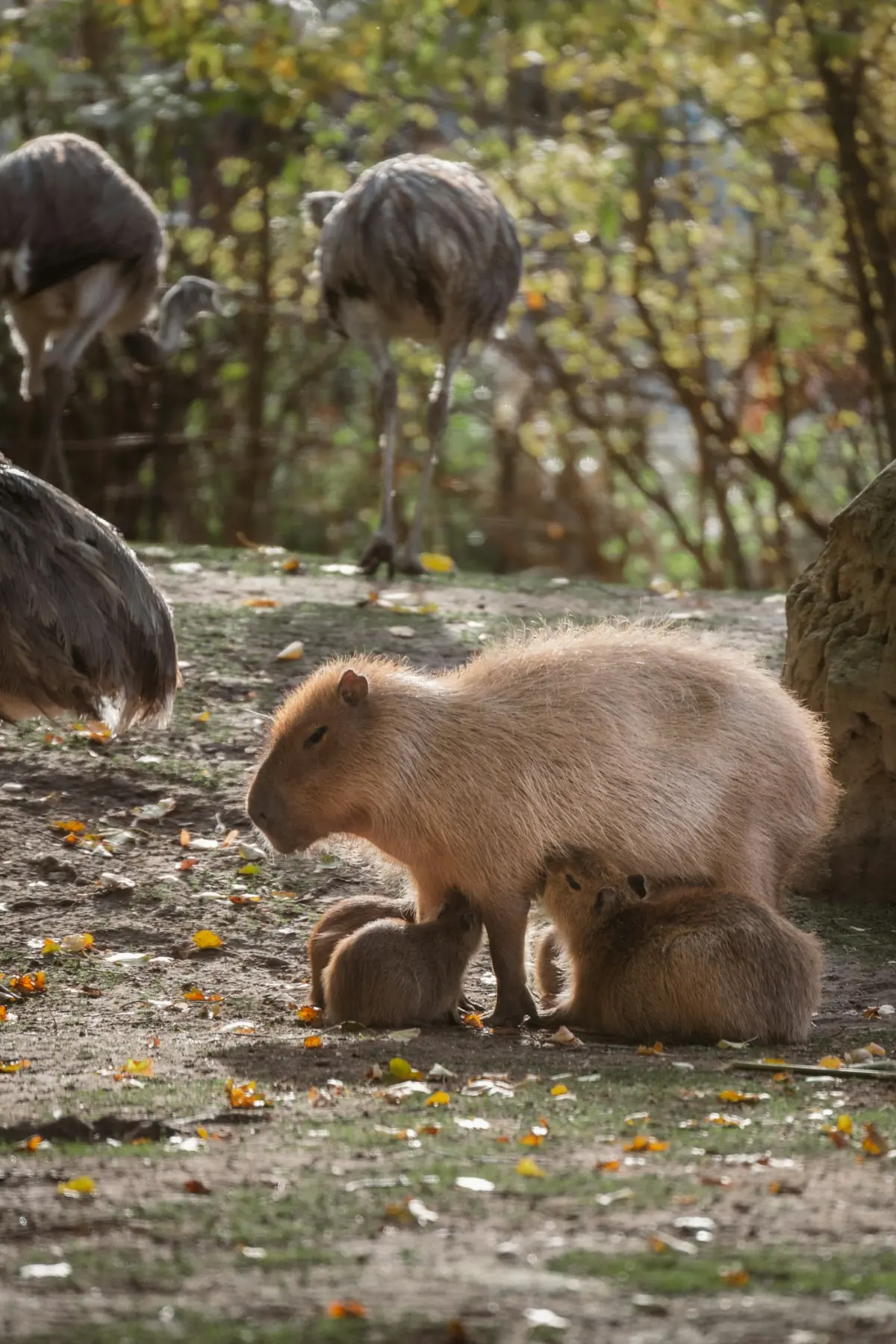
Check whether your state has an answer at all
Three states name the capybara by species. Several more have no statewide position, which is the most expensive sentence on the internet. The screening map tells you which agency to call before you contact a single breeder.
Misconceptions About Buying A Capybara
| What people believe | What is actually true |
|---|---|
| ”I can get a cheaper one from a private individual.” | Possibly. Whether that individual is licensed, whether the animal is health-certified, and whether buying from them creates liability for you are three separate questions with three separate answers. |
| ”The breeder’s license covers me.” | It covers their commercial operation. Your state, county and city requirements are independent and unaffected by it. |
| ”Social media breeders are just smaller operations.” | Smaller is not the issue; unlicensed is. Some small licensed operations use social media well, and some unlicensed sellers use it to look legitimate. The license number is the only thing that separates them. |
| ”I’ll buy now and figure out permits later.” | The correct order is state, then county and city, then breeder, then payment. An unlicensed animal without permits is an immediate compliance problem and a very hard one to unwind. |
| ”One capybara is fine if I’m home a lot.” | The AZA keeps them in groups because that is what the species requires. Company is not an enrichment upgrade for a capybara; it is the baseline. |
| ”A shipped animal means a real breeder.” | Shipping without a Certificate of Veterinary Inspection is a sign of the opposite. Interstate transport of exotic animals normally requires one. |
The Honest Version
Most people who research this properly do not end up buying a capybara, and that is the system working rather than failing. The paperwork trail exists because the animal is large, social, semi-aquatic, long-lived and legally awkward in about half the country, and every one of those facts costs money for the whole of its life.
If you get through the sequence above and the answers are all yes, you will have a licensed breeder, a written permit position, a vet on file, and a pair of animals with documents. If any answer is no, you will have found that out for the price of a few phone calls, which is the best possible outcome of the process short of the first one.
Whether the project makes sense at all is a separate question, and the honest read on capybaras as pets covers it without the sales pitch.
This guide is current as of September 2, 2026. Federal licensing requirements, state statutes and municipal ordinances all change. Nothing here is legal or veterinary advice — verify the current position with USDA APHIS, your state agency, your municipality, and a qualified professional before any money moves.