How a sunrise run became something else entirely
Javier Romero, a 29-year-old Mission resident and lifelong runner, was out before dawn on June 17 trying to beat the South Texas heat when something moved in his peripheral vision. He stopped. He looked harder. According to MySA, his immediate verbal reaction — “Hijole, su madre! Wow!” — was captured on the video he later posted to Facebook.
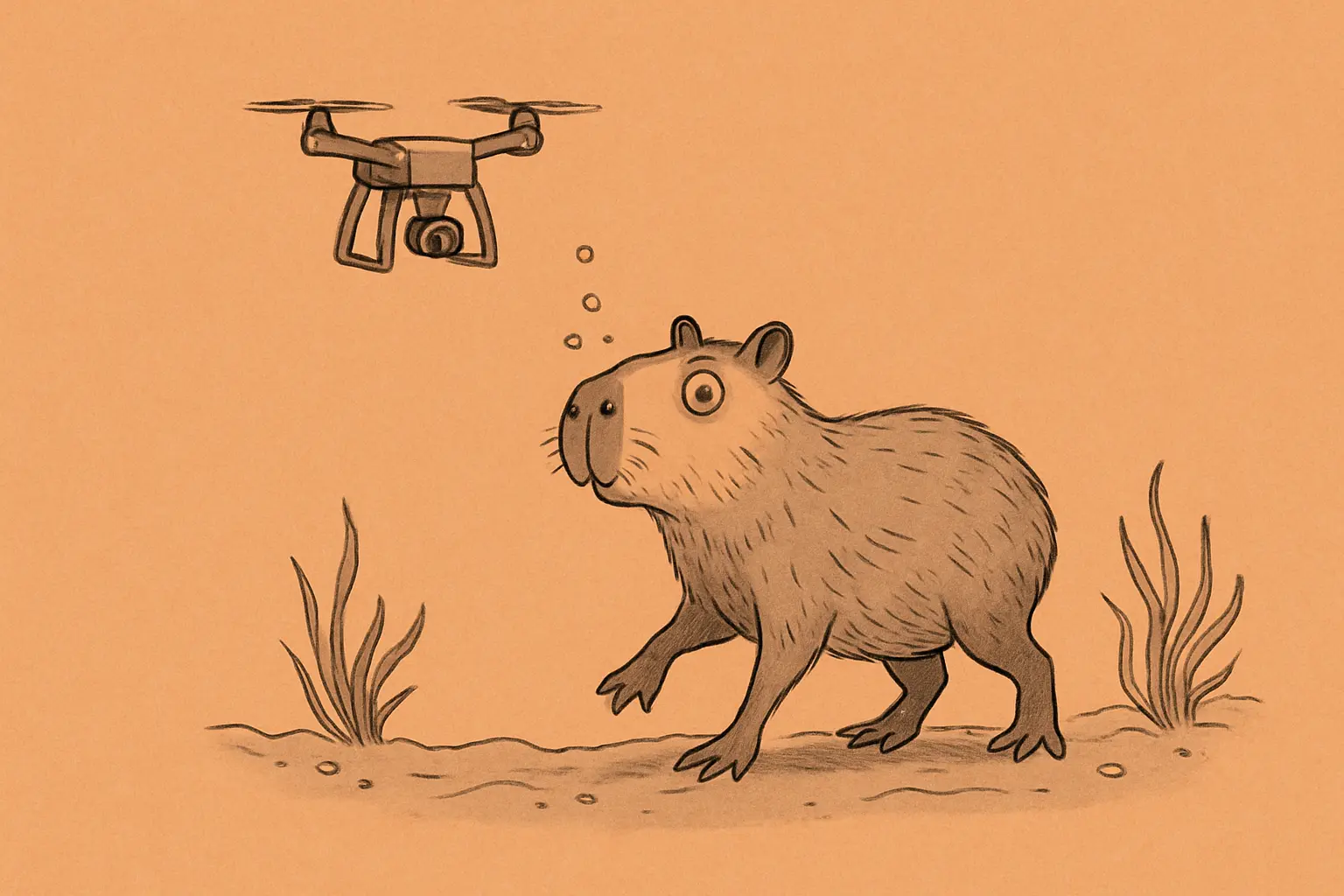
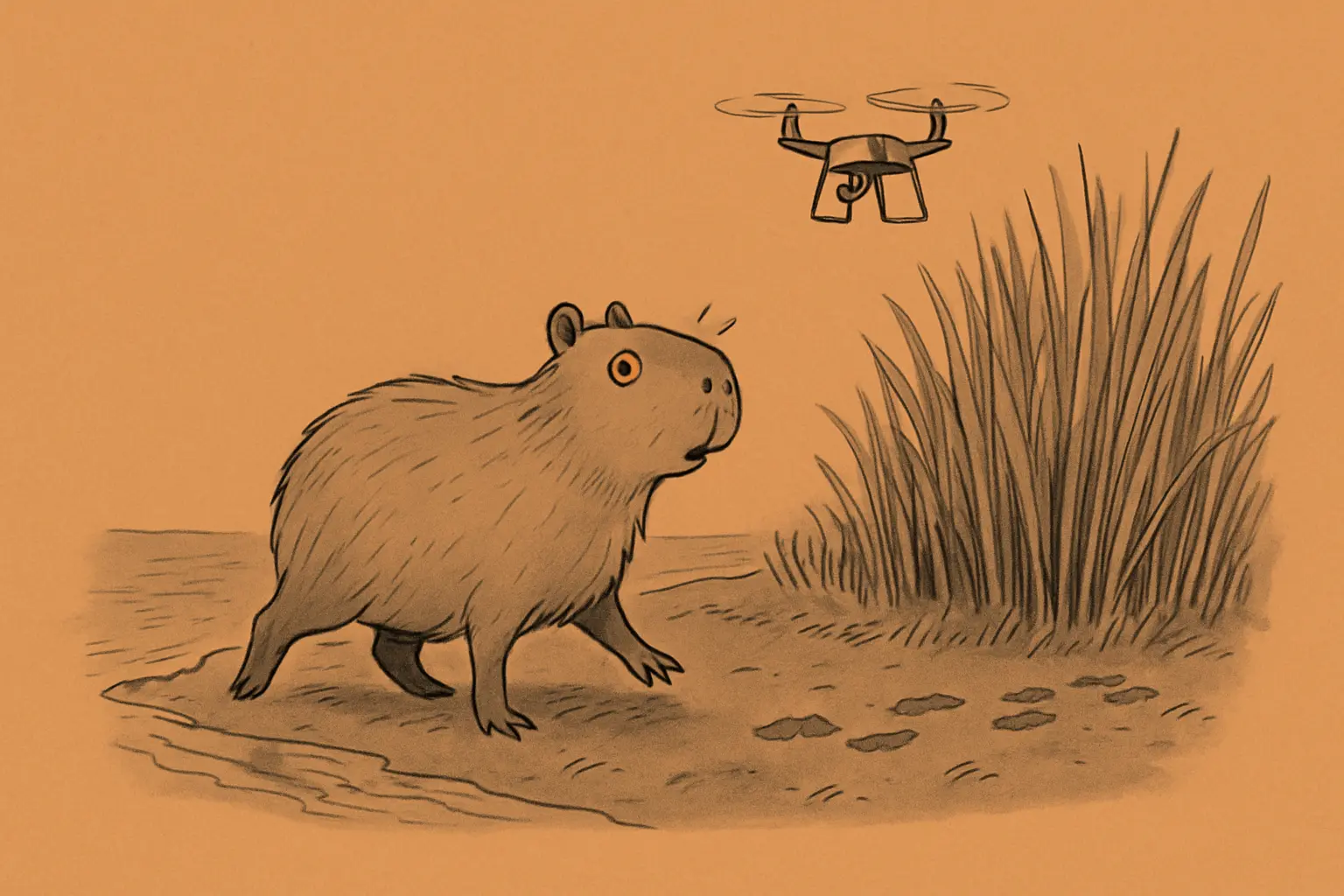
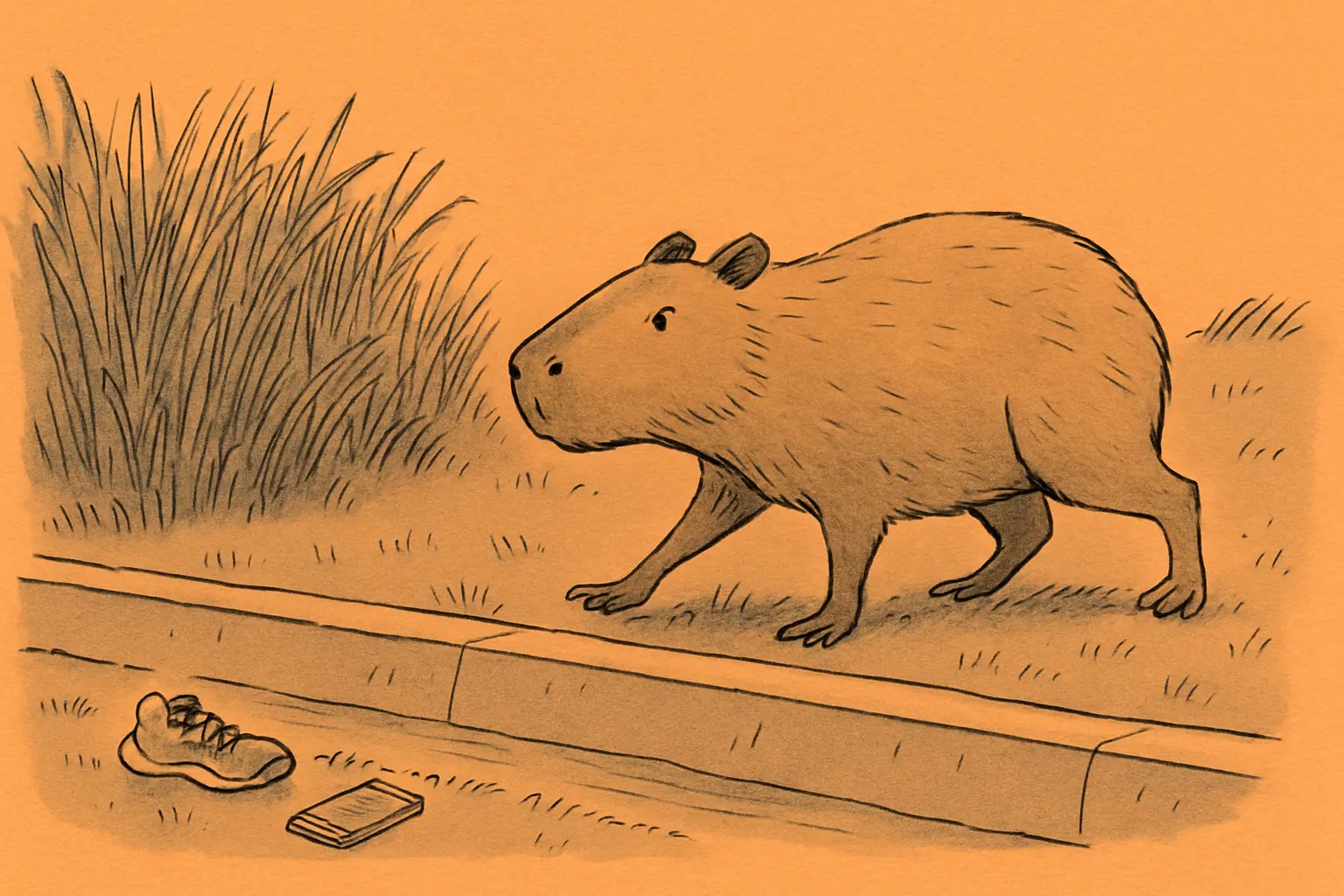
The animal was about ten feet away. It was moving slowly along the edge of a grass thicket near an irrigation canal. It was not a nutria. It was not a large dog. It was, as Romero put it with some conviction, “a textbook capybara.”
What Romero actually saw
Romero runs this particular trail several times a week. He has encountered bobcats, snakes, and assorted birds out there. He told MySA he has never seen anything this large on the trail before, which is saying something given that bobcats are not small animals.
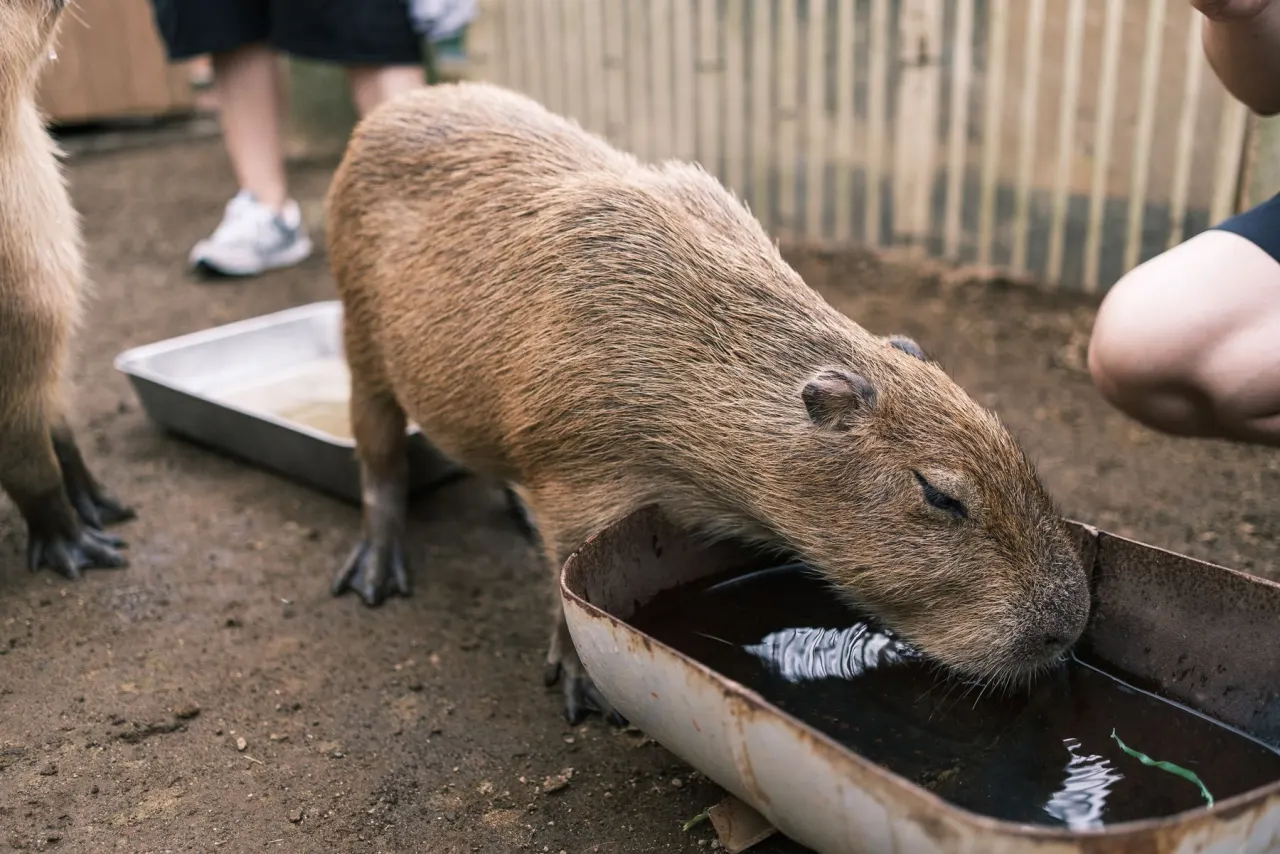
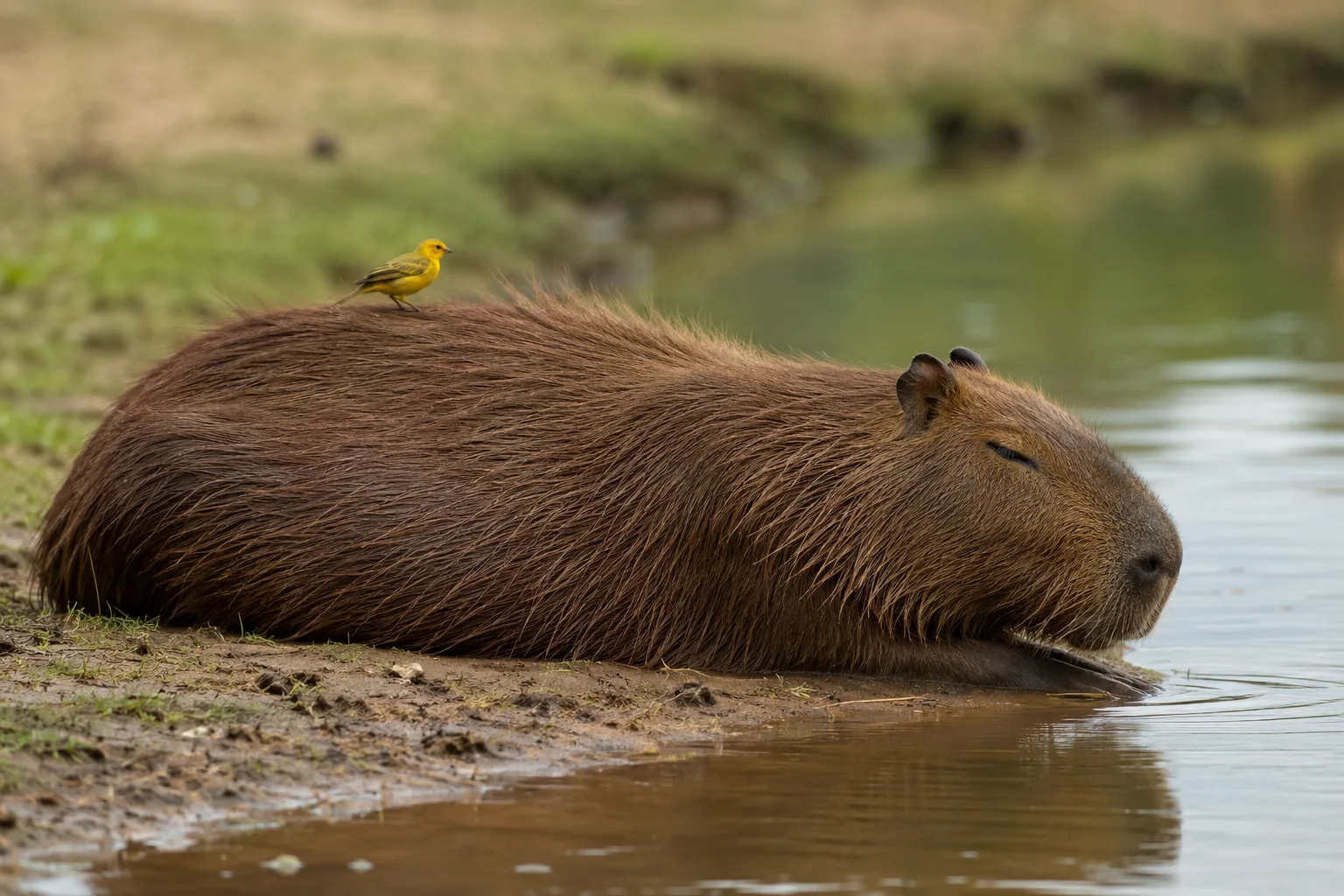
The capybara is the world’s largest rodent. Adults typically weigh between 35 and 65 kilograms — closer in size to a Labrador retriever than to anything most people picture when they hear the word “rodent.” They are native to South America, where they live in dense vegetation near water, which makes an irrigation canal in the Rio Grande Valley a plausible enough habitat, even if nobody can explain how one got there.
Here is a misconception worth correcting: capybaras are not domesticated or semi-domesticated animals that regularly wander away from owners. They are wild animals, and in most U.S. states ownership is either restricted or requires permits. The assumption in some of the Facebook comments that this was simply someone’s escaped pet reflects how thoroughly internet meme culture has blurred the line between “famously calm around humans” and “domesticated.”
The location Romero won’t give you
The trail is described only as being south of Interstate 2 in Mission. Romero has deliberately kept the specific location vague. The reason is not mystery for its own sake. After posting the video, he received replies from people interested in capturing the capybara or, in some cases, killing it for leather — boots were mentioned more than once.
Romero told MySA that while some of those comments were clearly jokes, others gave him genuine pause. He has since reached out to a wildlife and exotic animal expert. What that expert has advised, or whether any official body has been notified, is not stated in the available reporting.
Where it might have come from
The Rio Grande Valley sits on the U.S.-Mexico border, and capybaras do have a natural range that extends into northern Mexico, though sightings this far north are rare enough to be noteworthy. The more likely explanations are an escaped or released exotic pet, or an animal that crossed the Rio Grande from Mexico. Neither possibility has been confirmed.
Capybaras are well suited to the Valley’s landscape in at least one respect: they are highly capable swimmers and spend much of their time in or near water, using it both for thermoregulation in hot climates and as an escape route from predators. An animal crossing a river is not implausible. An animal thriving near an irrigation canal in June heat is also not implausible. What remains unexplained is the gap between “plausible habitat” and “confirmed origin.”
The Grumpy Capy take
The story is genuinely charming, and Romero comes across well — he spotted the animal, filmed it without disturbing it, and immediately started worrying about its safety rather than its viral potential. That is a better response than most people manage.
The boots comments are the least surprising part of this story. Any time a large, unusual animal appears on social media, a predictable subset of the internet immediately begins treating it as a resource. Romero was right to withhold the location, and the fact that he is consulting an expert suggests this may actually be handled responsibly.
What this story does not have is an answer to the only question that matters for the animal’s welfare: where did it come from, and is there a population or just one very lost individual? A single capybara in South Texas, however unbothered it appeared, is not thriving — capybaras are highly social animals that live in groups of ten to twenty in the wild. One capybara alone near a Mission irrigation canal is not a feel-good ending. It is a question that deserves a follow-up.