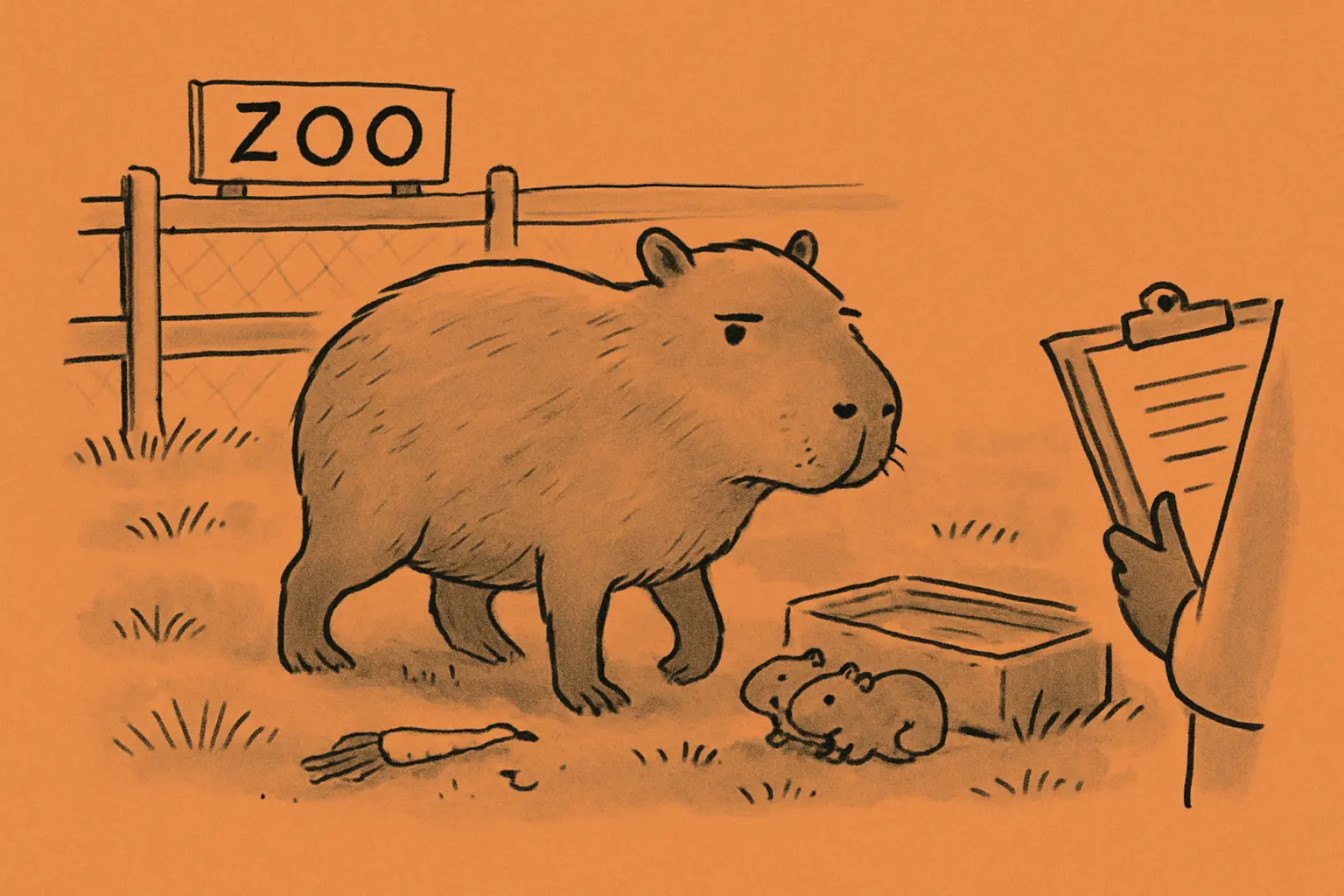
Tango’s brief career as an escape artist
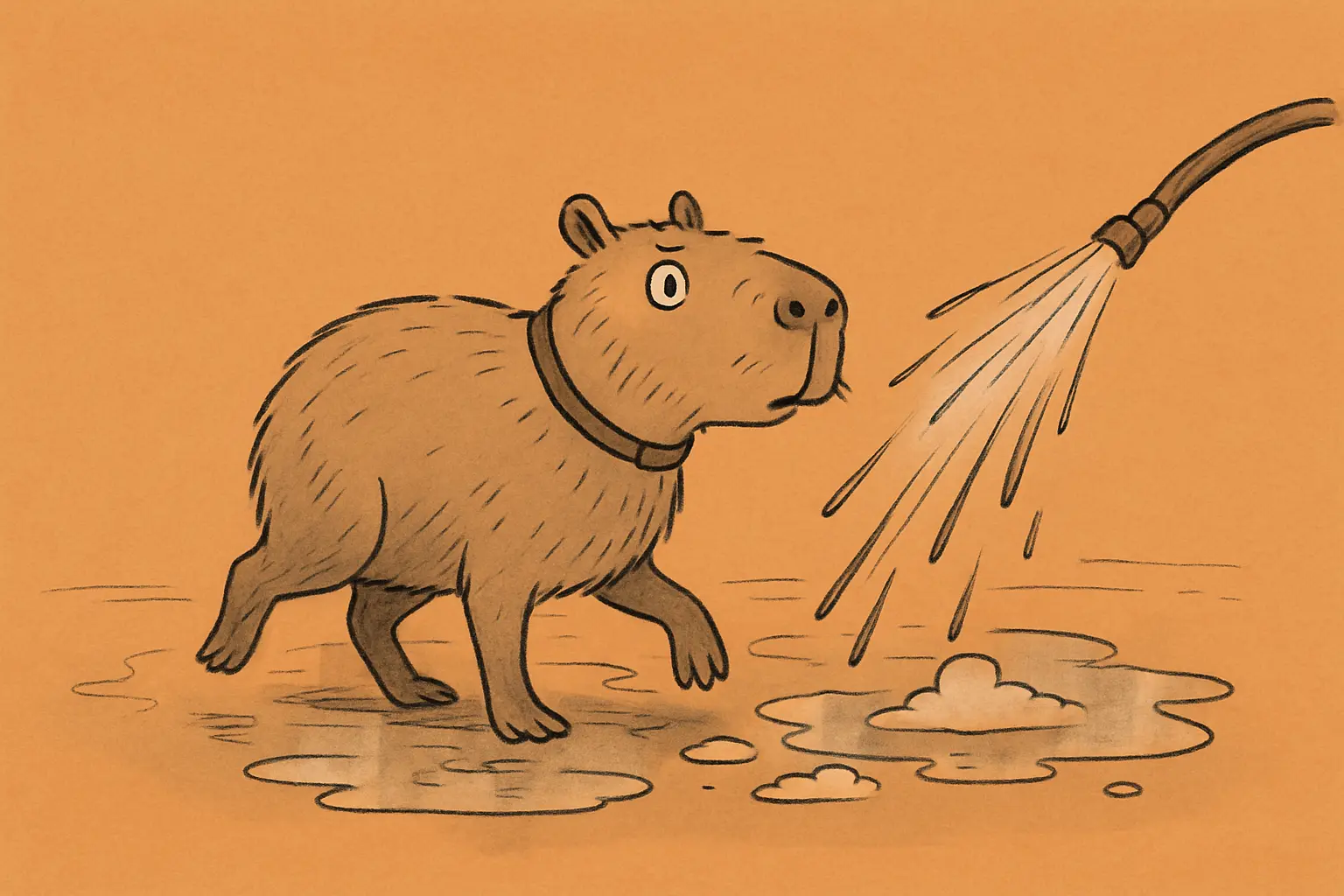
Less than a year ago, Tango the capybara was the kind of news story that writes itself. Shortly after arriving at Jersey Zoo from Drusillas Park in East Sussex, he staged a breakout from his enclosure that delayed the zoo’s opening time while keepers worked to locate and retrieve him. No injuries, no drama beyond the logistical kind. Just a large rodent making a point about his new living arrangements.
That was summer 2025. Tango is now, apparently, a reformed character.
The births and what the zoo has said
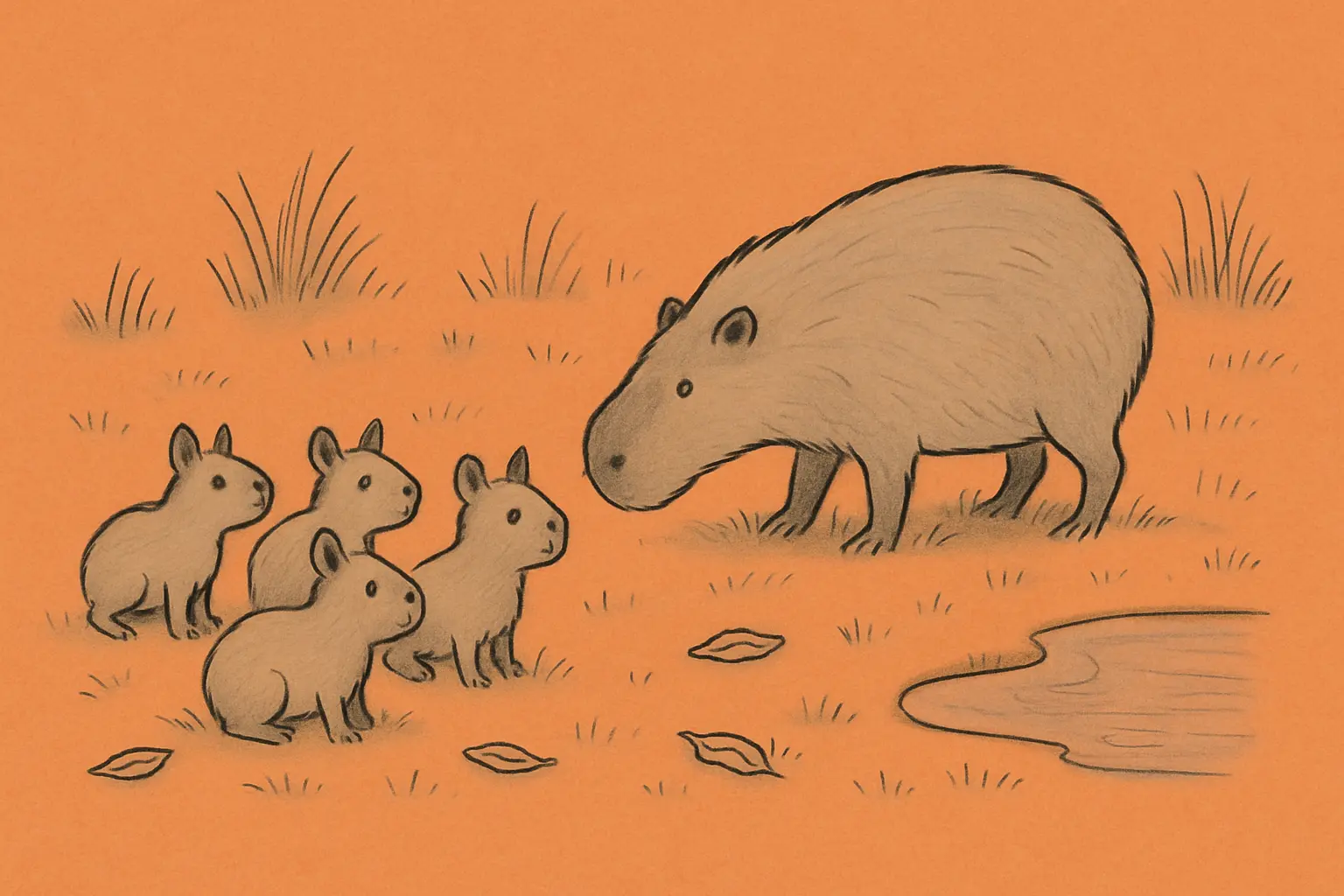
On 10 June 2026, Tango’s partner Tayto gave birth to two capybara pups at Jersey Zoo. According to BBC News, the zoo has taken to calling them “babybaras” — a portmanteau that someone in the communications team is clearly very pleased with. The zoo described Tango and Tayto as “proud parents,” which is the kind of language zoos use and which tells you roughly nothing about the animals’ actual emotional states.
What it does tell you is that the breeding programme is working. Tango was introduced to the zoo specifically to join females Tayto and Tatti as part of a structured effort to breed the species in captivity.
What a capybara breeding setup actually looks like
Capybaras in the wild live in groups of ten to twenty animals, occasionally larger, with a dominant male presiding over a loose social hierarchy. They are highly gregarious and do poorly in isolation. Bringing Tango in to join two established females was a reasonable replication of that social structure, even if his initial response was to test the perimeter fencing.
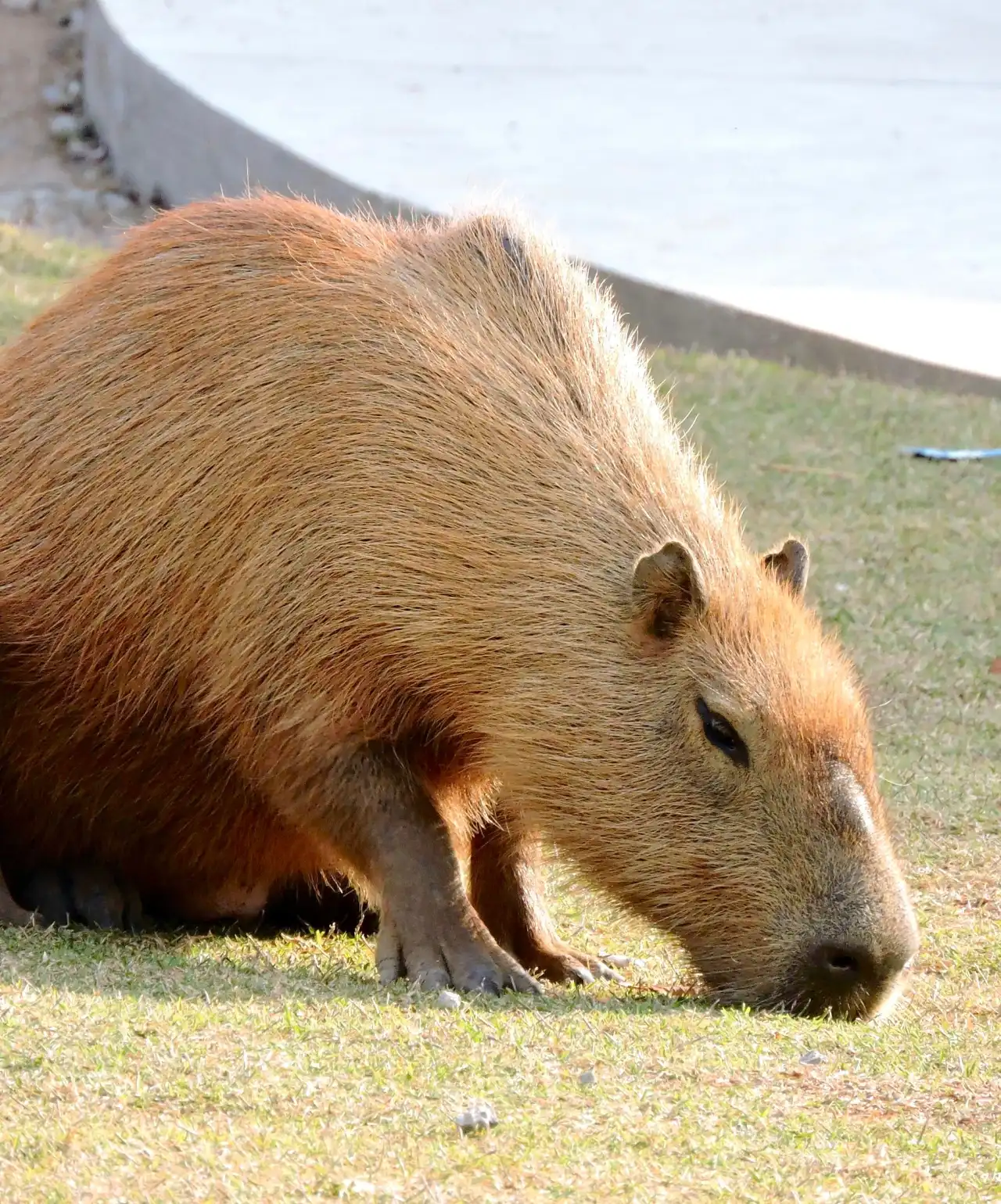
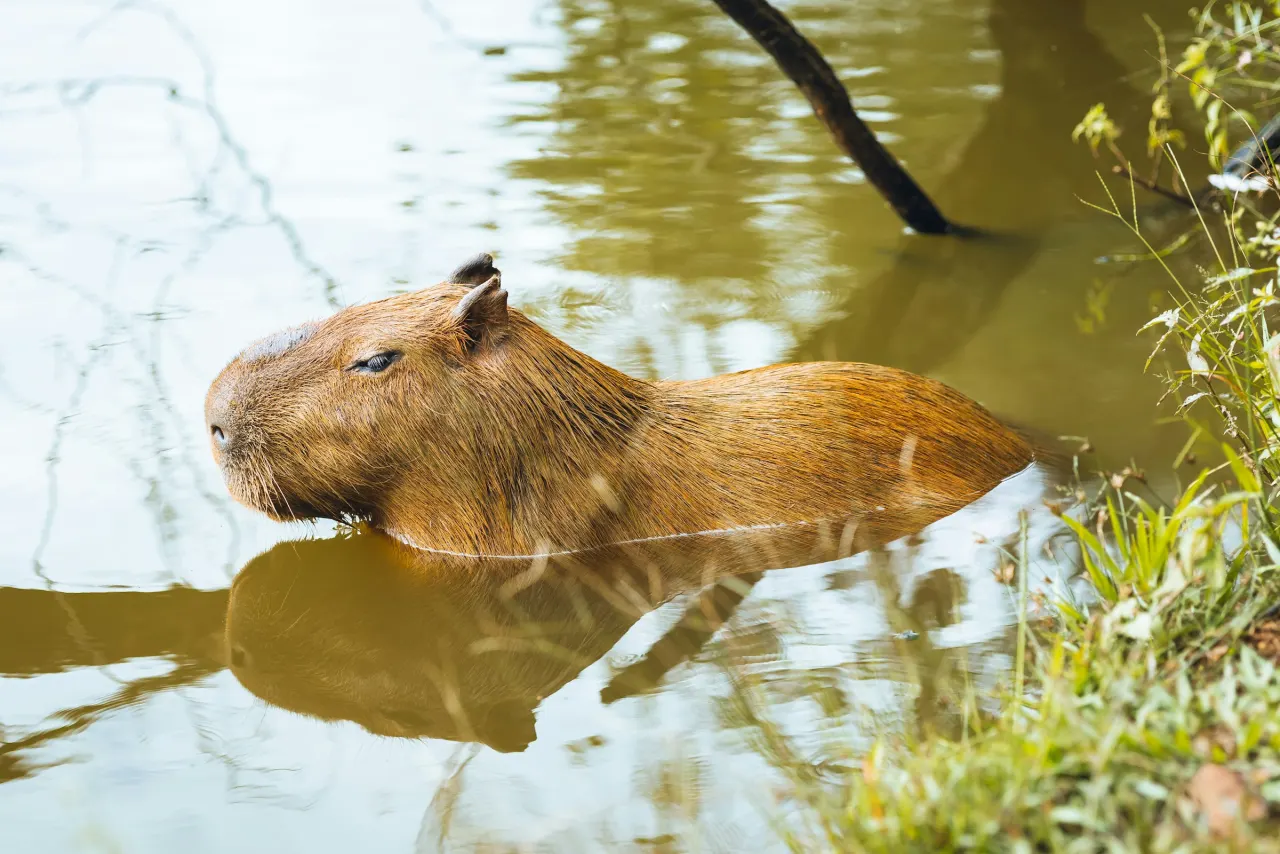
Here is a detail that tends to surprise people: capybaras are the largest rodents on earth, capable of reaching over 65 kg in adulthood. They are more closely related to guinea pigs than to beavers, which is the comparison most people reach for when they see one in person. The pups born to Tayto will be mobile almost immediately — capybara young can walk and swim within hours of birth, which is a useful trait for an animal that spends much of its life in and around water.
What visitors should actually expect
The Times Jersey notes that visitors hoping to see the new arrivals should bring patience. The pups are settling in, which in practice means the zoo will manage access carefully in the early weeks. This is standard procedure for most zoo births and is not a sign of any problem.
Jersey Zoo — formally the Durrell Wildlife Conservation Trust — has a long history of managing breeding programmes for species under pressure. Capybaras are not currently endangered, but captive breeding infrastructure for semi-aquatic South American mammals has broader conservation value than the species’ current status might suggest. The zoo has not specified when the pups will be reliably visible to the public.
The Grumpy Capy take
The “escape artist becomes a dad” narrative is tidy, and zoos know a tidy narrative when they have one. Tango broke out, Tango settled down, Tango reproduced — it is a three-act structure that practically writes its own press release. That does not make it untrue, and two healthy capybara pups born into a well-managed breeding programme is a straightforwardly good outcome.
One thing worth gently correcting: several outlets covering this story have leaned on the phrase “calm temperament” as a defining capybara trait, as though Tango’s escape was an anomaly. Capybaras are social and generally non-aggressive, but they are also large, curious, and capable of moving faster than their barrel-shaped bodies suggest. Tango’s escape was not a personality defect. It was an animal testing new terrain, which is what animals do.
The pups are real, the breeding programme is real, and the zoo’s cautious approach to public access is sensible. The “babybara” branding, on the other hand, is something we will all just have to live with.