Why a small pup gets moved
Capybara litters are larger than most people expect. A typical litter runs between four and eight pups, and within any given group, size variation can be significant. Smaller pups often lose out at feeding time, which is why facilities sometimes transfer them to settings where they can receive individual attention.
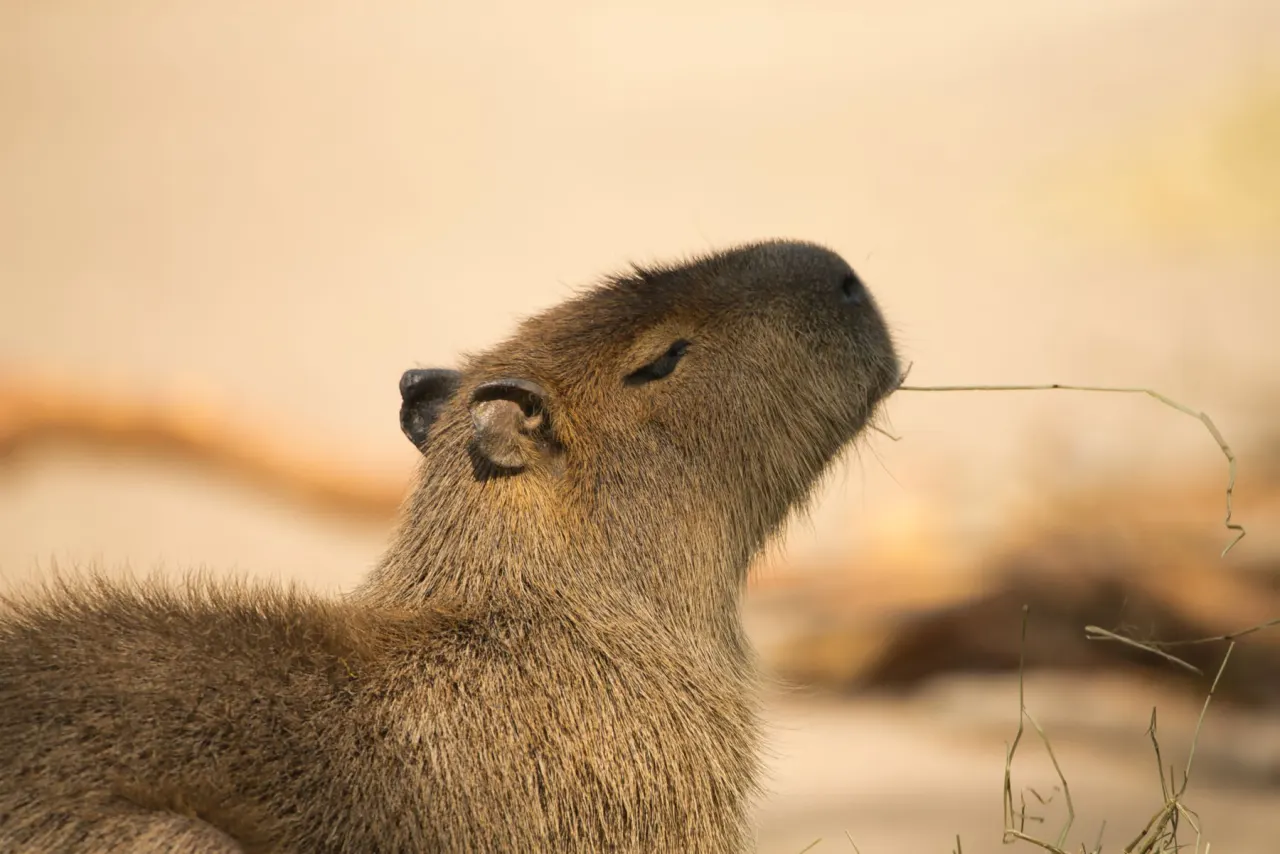
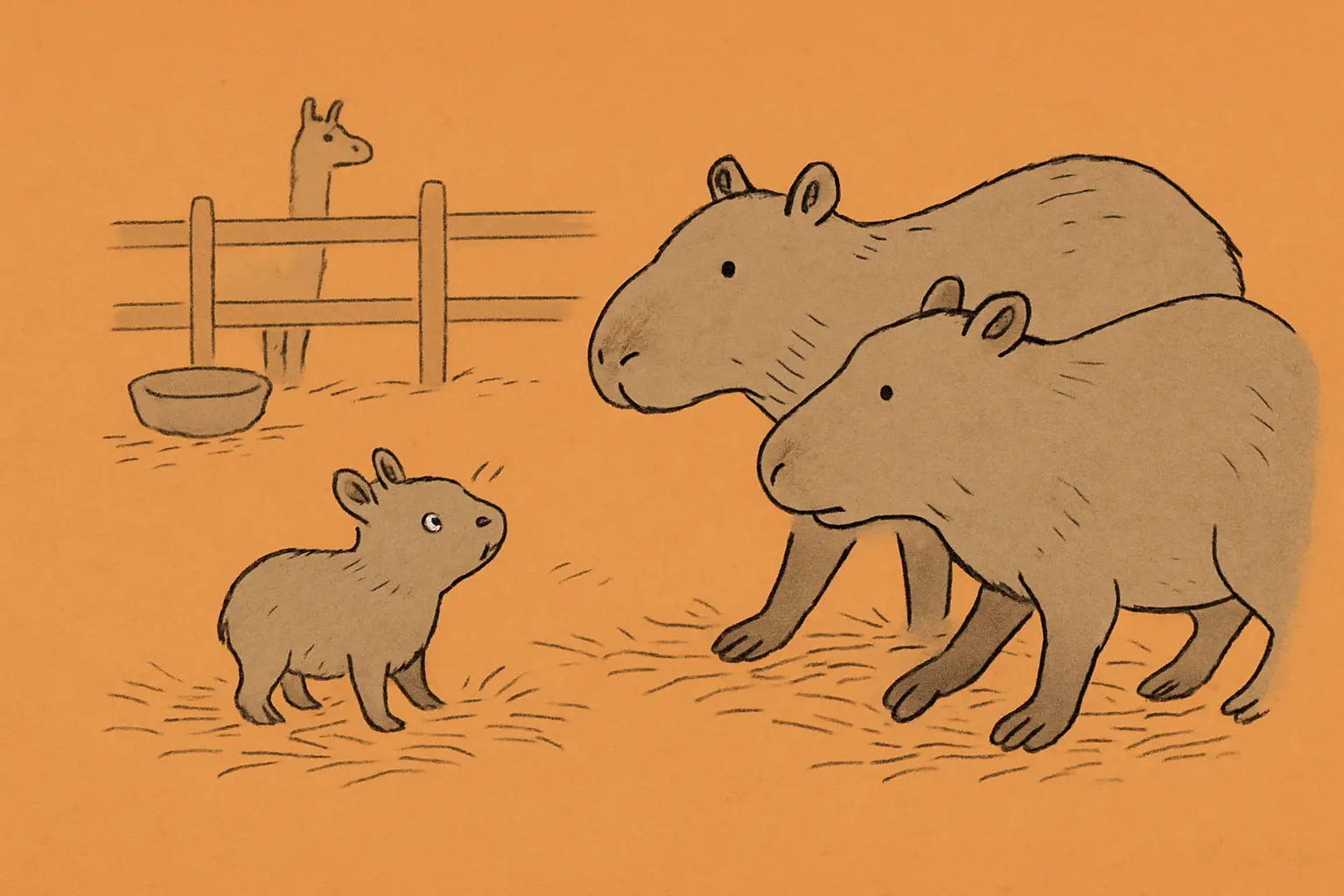
That is what happened with Clementine. According to cleveland.com, she was born as part of a large litter at another licensed facility and was brought to Majestic Meadows specifically because her smaller size warranted closer monitoring of her nutrition and development. It is a routine enough practice in managed animal care, though the source article does not specify where she was born or how old she is.
The farm she landed in
Majestic Meadows Alpacas and Boutique in Medina, Ohio has been around since 1997, when it operated as a straightforward alpaca farm. It opened to the public in 2018 and has since expanded to more than 20 animal species, with capybara encounters among its featured experiences.
The farm already has two resident capybaras: Captain and Coraline. As the cleveland.com report notes, staff are managing introductions gradually, which is sensible. Adult capybaras are generally tolerant of younger animals, but any new addition to an established group needs time to find its footing socially.
What capybara sociality actually looks like
The farm’s framing of capybaras as a “highly social species” is accurate, and it is worth being specific about what that means. In the wild, capybaras live in groups of ten to twenty individuals, sometimes larger during dry seasons when they cluster around shrinking water sources. A group of three is on the small side, but it is a functional unit.
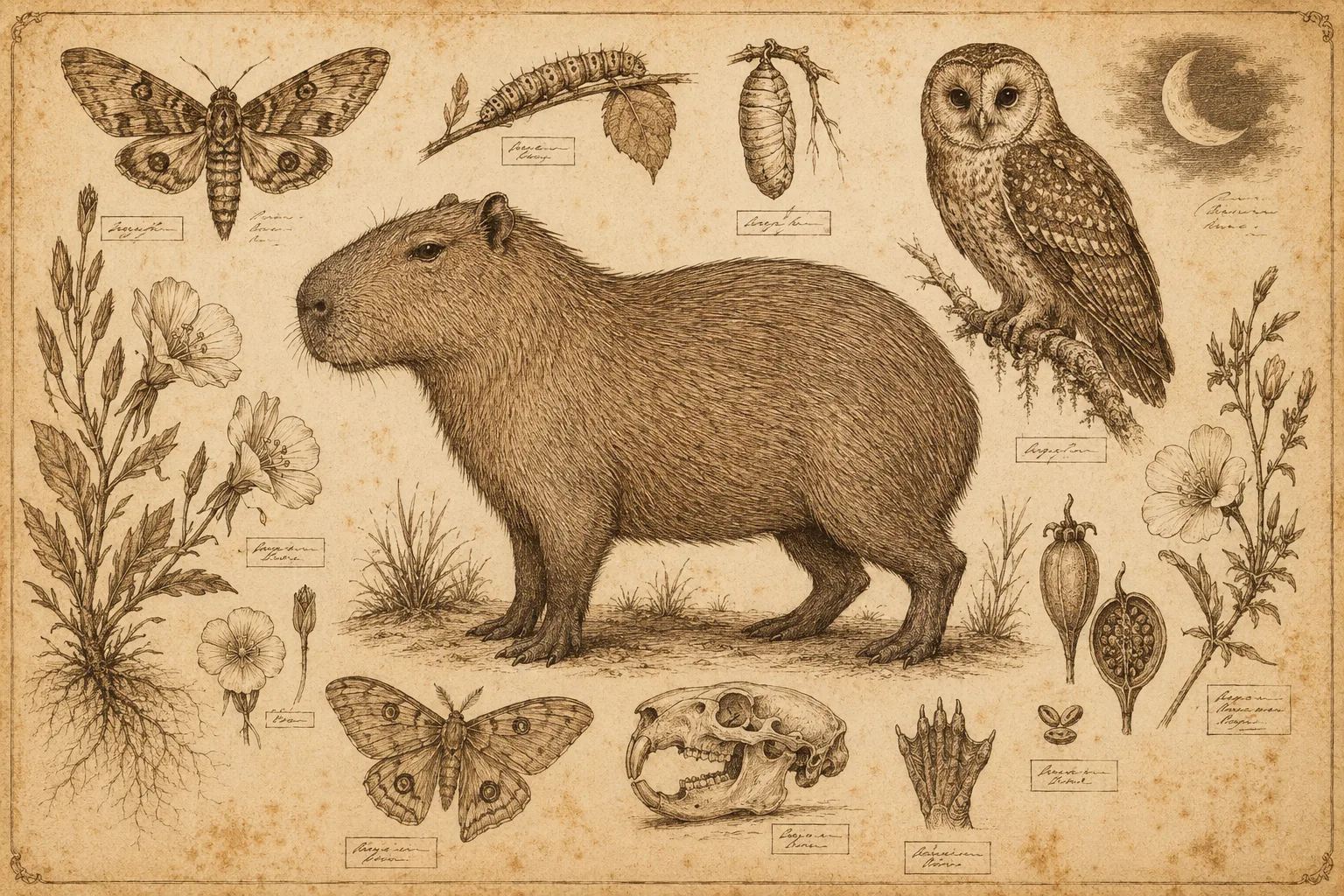
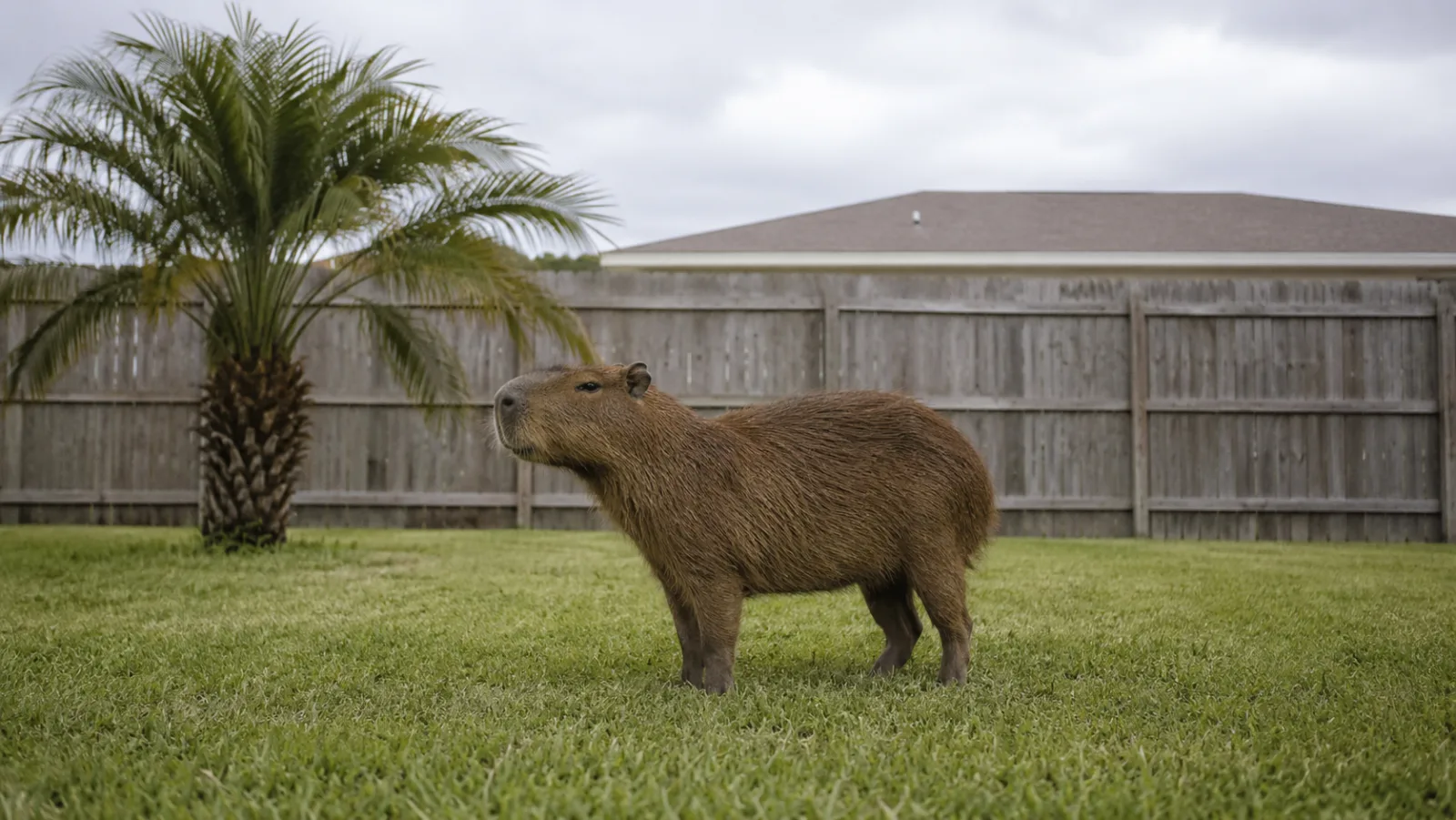
Here is the part that tends to surprise people: capybaras are the largest rodents on earth, regularly reaching 140 pounds, yet they are closely related to guinea pigs. The family resemblance is not obvious when you are looking at an animal the size of a Labrador, but the taxonomy is real. Knowing that does not change anything about Clementine’s care, but it does put the “affectionate and curious” personality notes in context. Guinea pigs are also social and curious. Clementine is essentially a guinea pig that has been scaled up considerably.
A common misreading of capybara popularity
There is a tendency in coverage like this to imply that capybaras are a recent discovery — a novelty species that zoos and farms have suddenly started acquiring. That framing is worth pushing back on. Capybaras have been kept in managed facilities across North and South America for decades. What is relatively new is the viral attention they receive on social media, which has driven public demand for encounter experiences.
The distinction matters because it changes how you read the business logic here. Majestic Meadows is not on the cutting edge of anything. It is responding to an existing and well-documented demand curve for capybara encounters, which is a reasonable thing for an animal attraction to do. Clementine is not a trend. She is a small pup who needed individualised care and ended up somewhere that could provide it.
The Grumpy Capy take
The story is thin on specifics — no birth date, no originating facility, no weight or health metrics — which is typical for this kind of farm announcement. What we have is a press release lightly repackaged, and that is fine. Not every capybara story needs to be an investigation.
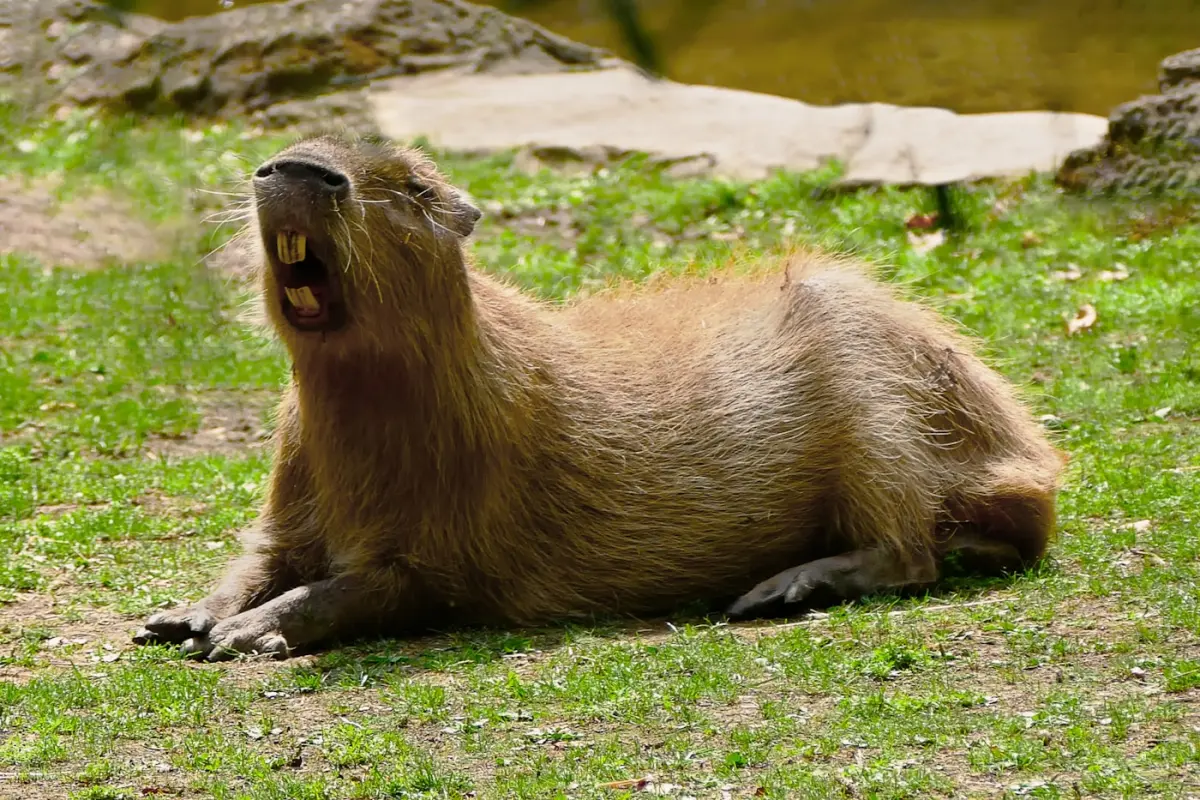
What is genuinely worth watching is how the three-animal group develops. Captain and Coraline are established residents. Clementine is younger, smaller, and arriving into their space. Capybara social hierarchies are real and occasionally enforced with teeth. The farm’s optimism about their relationships developing well is reasonable, but it is optimism, not a guarantee.
Worth noting, for transparency: the cleveland.com article is partially paywalled, and the available text cuts off before any direct quotes from staff beyond the farm’s social media post. Details about Clementine’s age, exact origin, and current health status were not available in the accessible portion of the source.