The voicemail that started it all
The Zoo in Forest Park in Springfield, Massachusetts had a problem for years. People kept calling to ask whether the zoo had capybaras. According to MassLive, the enquiries were so relentless that executive director Sarah Tsitso eventually recorded a specific denial into the zoo’s outgoing voicemail message. That message is now obsolete.
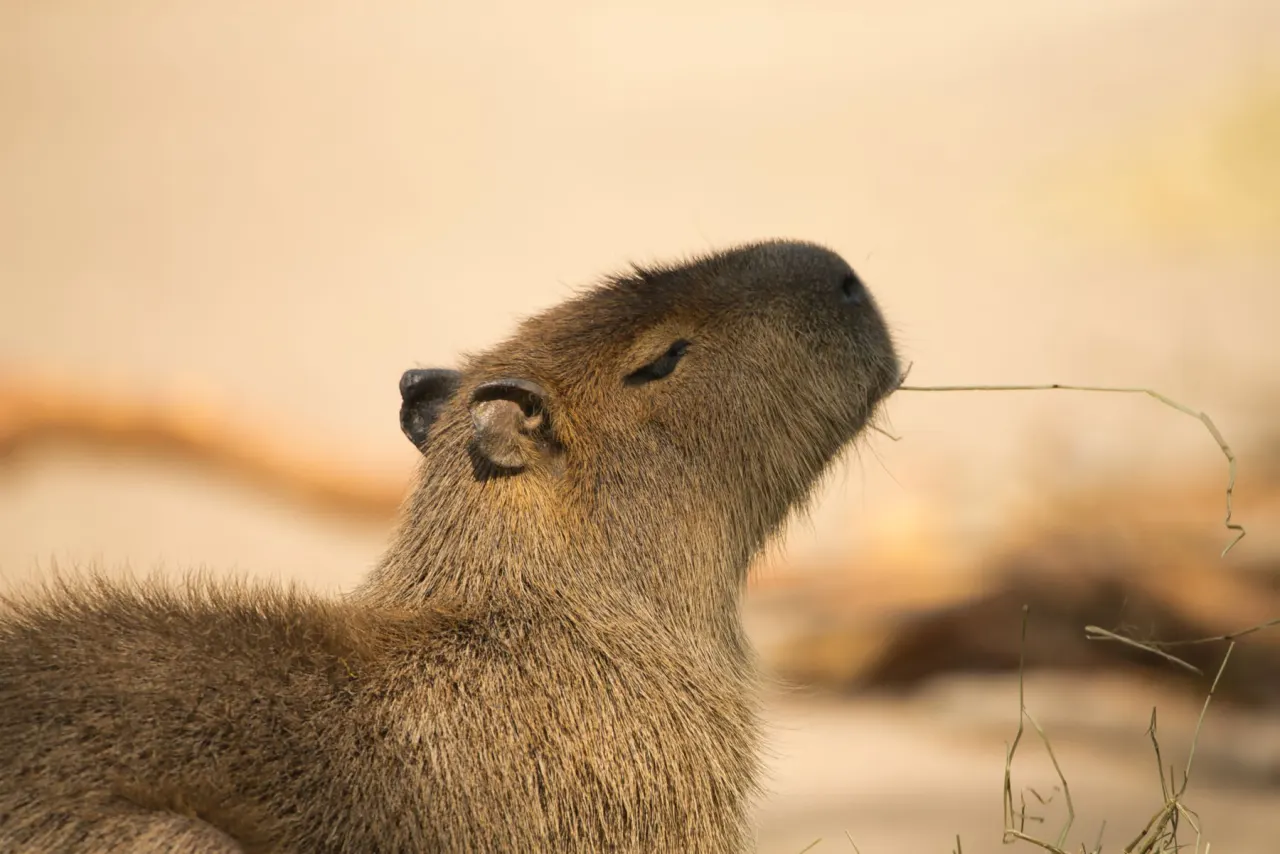
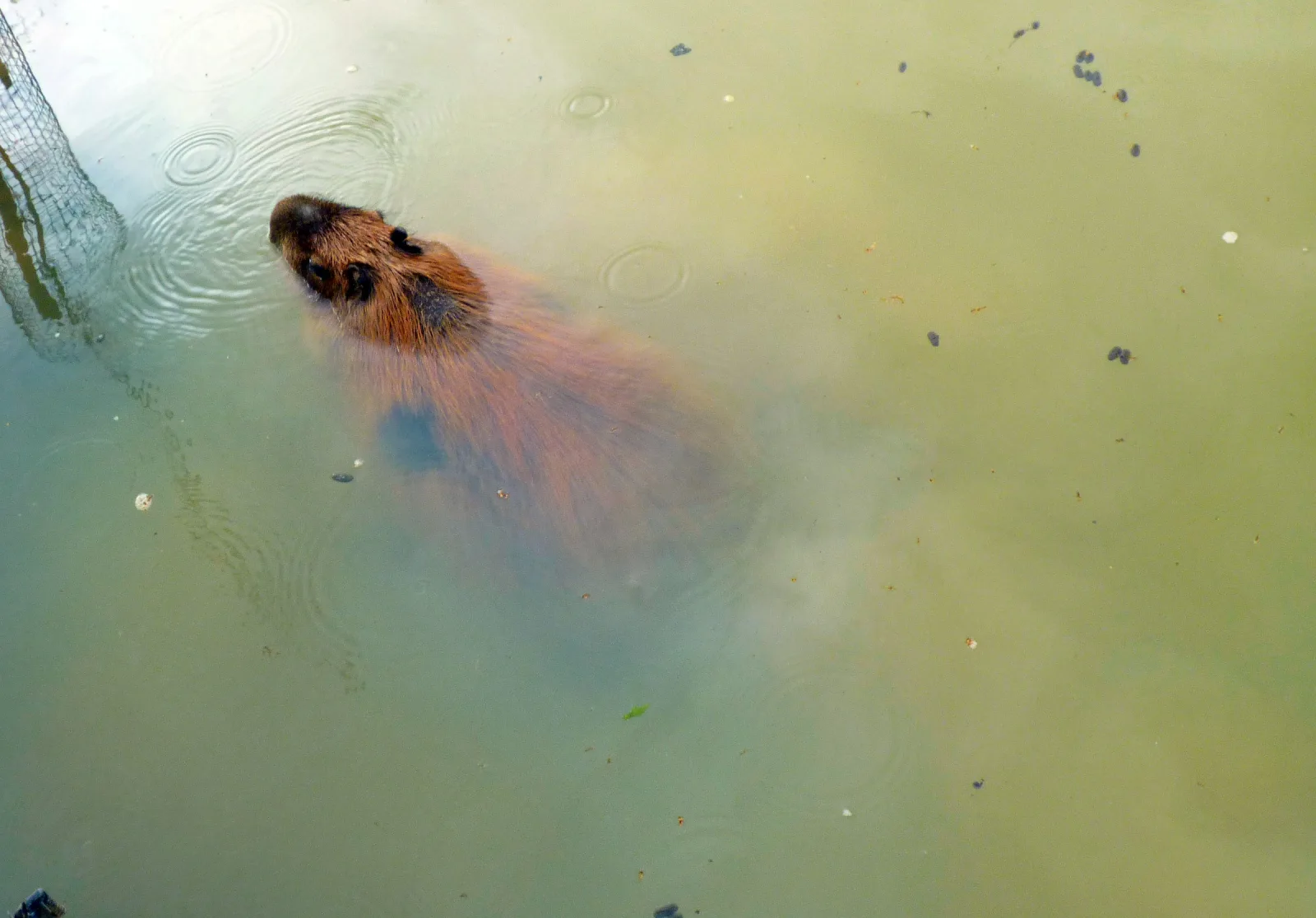
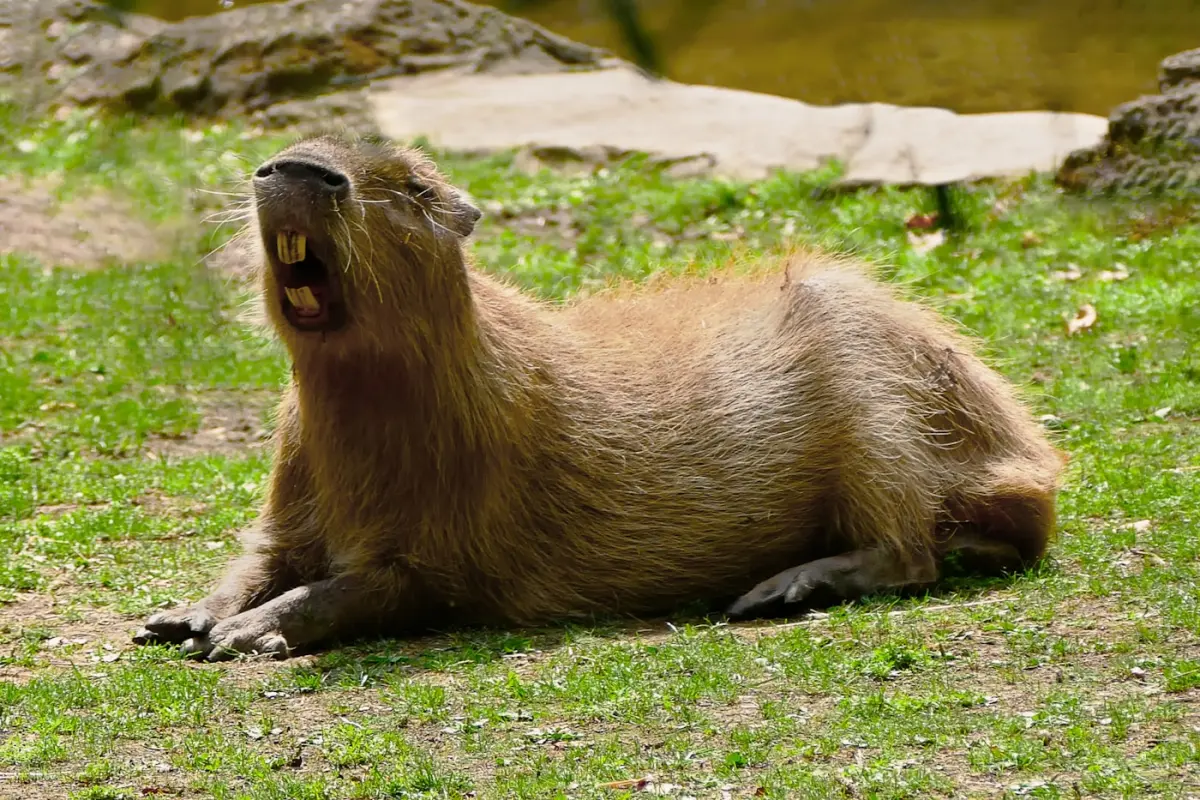
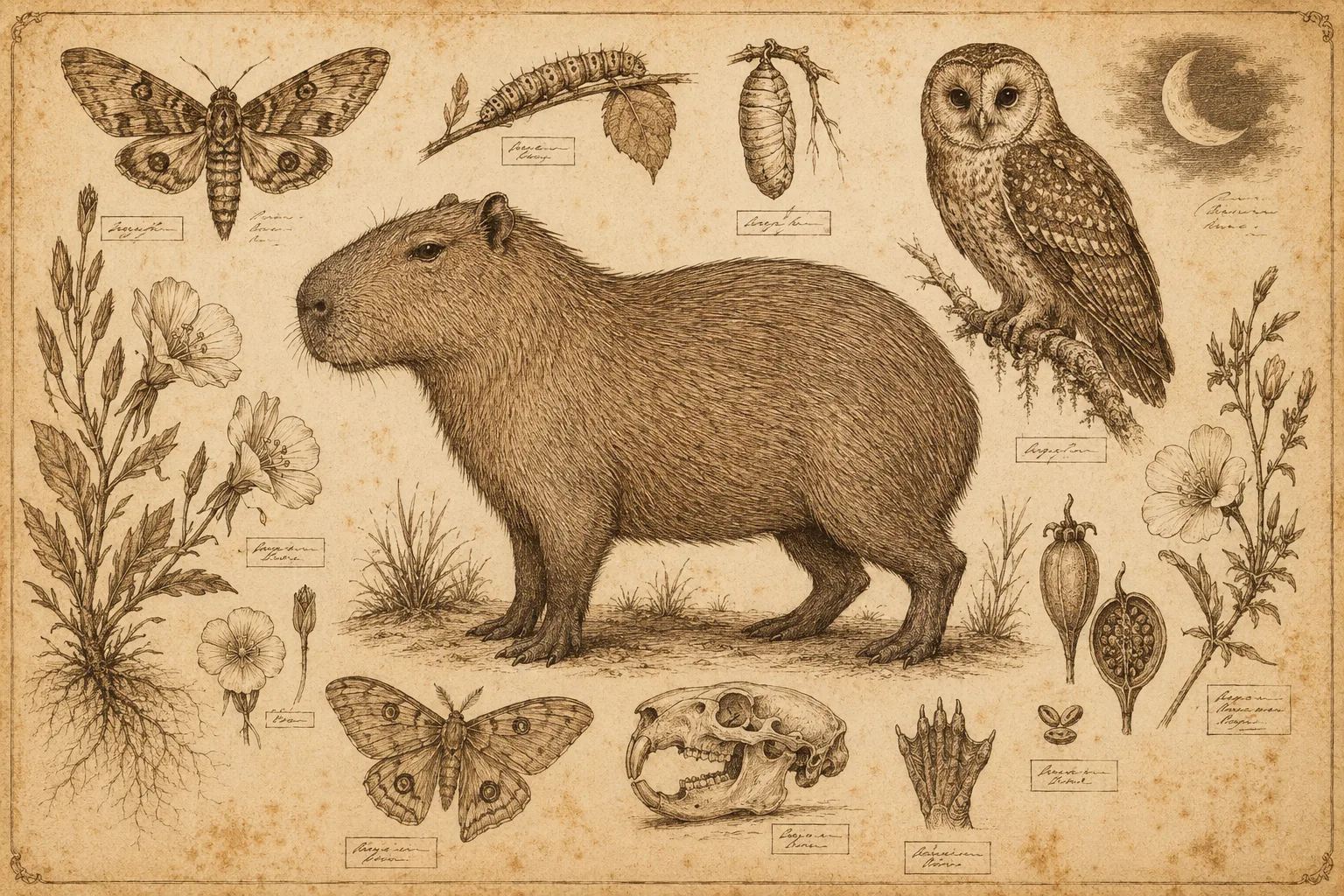
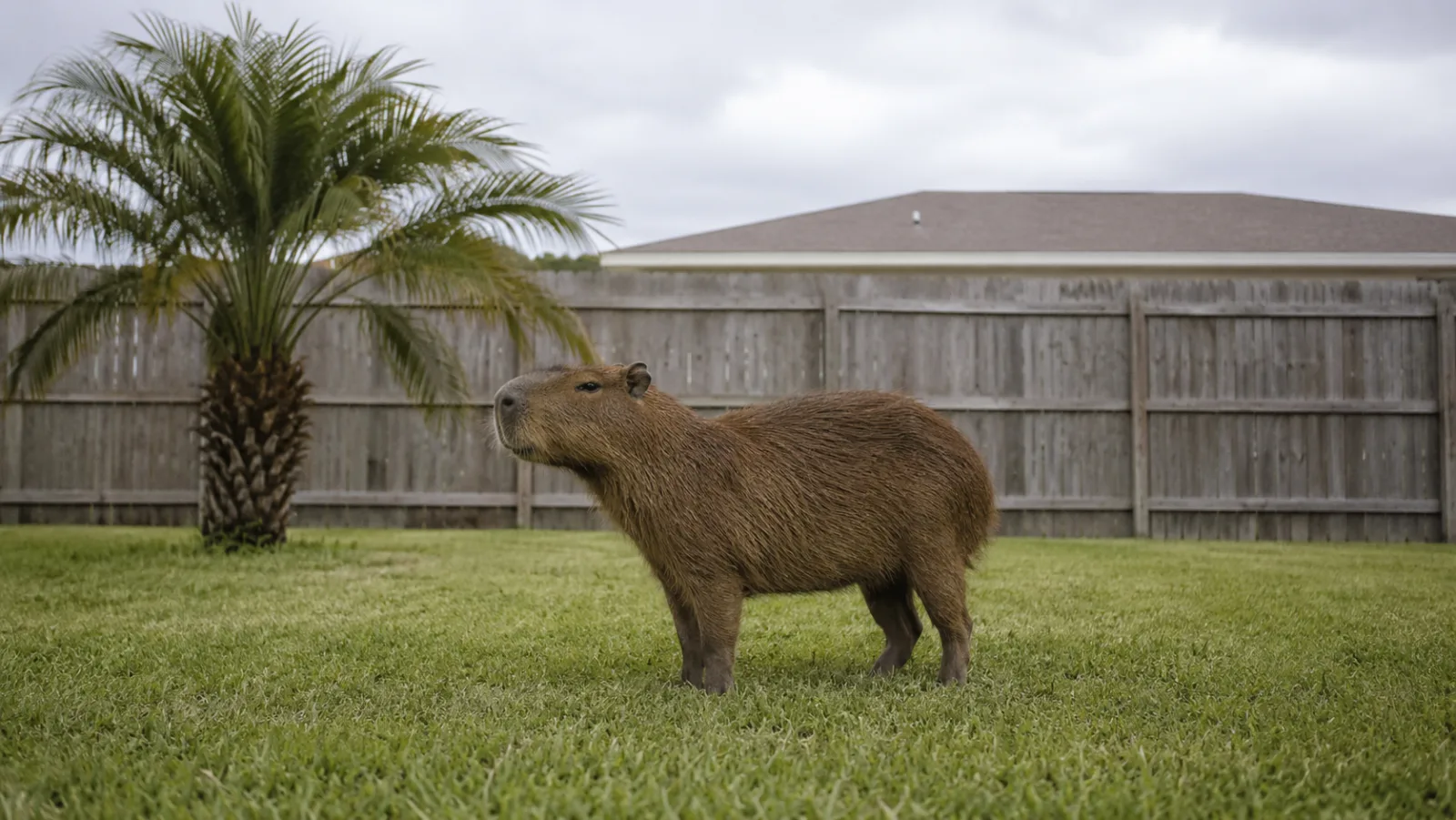
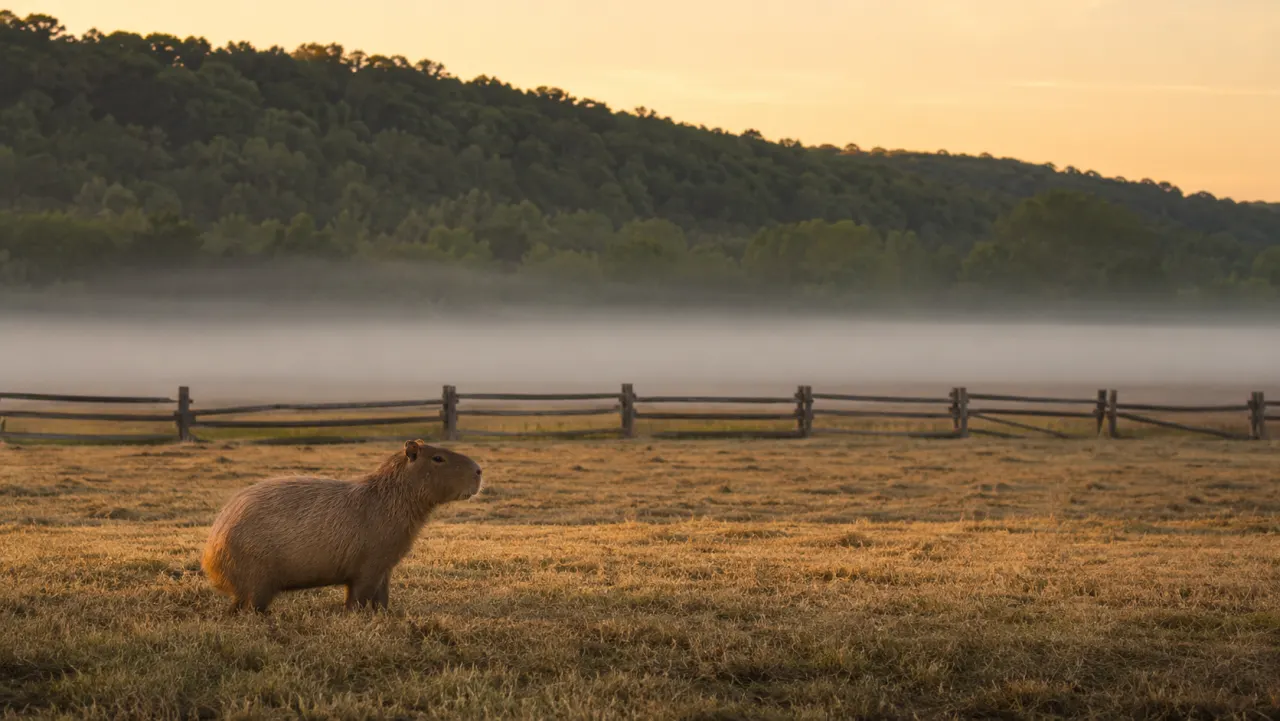
The zoo acquired two baby capybaras — a brother and sister from the same litter — sometime this past winter. They came from a wildlife rehabilitation centre on Long Island, New York, where they were born healthy and raised in a setting accustomed to animal care. Both are currently under a year old and weigh around 30 pounds each. That sounds substantial until you consider that adult capybaras can tip the scales at 150 pounds or more, making them the largest rodents on earth — heavier than most dogs and, in some cases, heavier than a grown human.
What the zoo actually knows about these two
Zoo officials discovered only recently that they had a male-female pair. The sex of the animals was confirmed through DNA testing, which is apparently less straightforward than it sounds. Tsitso told MassLive’s reporter that determining gender in capybaras is genuinely difficult — comparable, she said, to the same challenge with beavers. The animals do not yet have names, though zookeeper Courtney Pilon indicated that would be resolved soon.
The sibling dynamic adds a complication the zoo is already planning around. Since it wants to cap the capybara population at two, both animals will eventually be sterilised. For now, their age makes the situation manageable. Tsitso was direct about it: they are babies, it is fine this season, but decisions will need to be made before that changes.
Sharing a yard with a 60-year-old tortoise
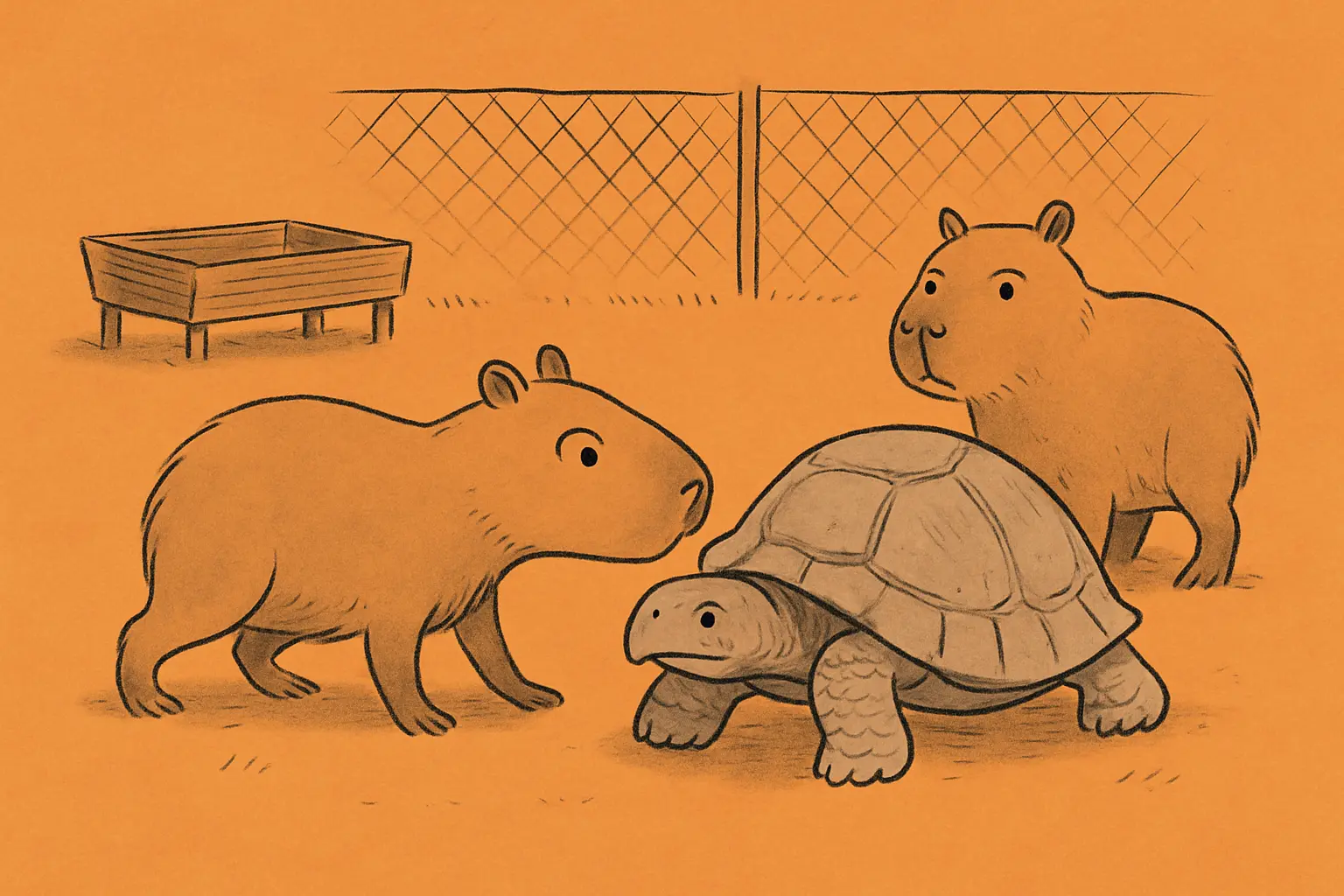
The capybaras have been installed in an enclosure they share with Goliath, an African spurred tortoise estimated to be around 60 years old. Pilon described the arrangement with the kind of relief that suggests it could easily have gone the other way. “This was Goliath’s yard,” she said. “Thankfully, he is cool with them being here.”
This cohabitation is not as surprising as it might seem to anyone unfamiliar with capybara behaviour. In the wild, capybaras are notably tolerant of other species. They are regularly photographed resting alongside caimans and wading birds without apparent concern. Their calm around other animals is not passivity — it is a genuine behavioural trait. Capybaras are known to slow-blink at unfamiliar animals as a signal of non-aggression, a gesture more commonly associated with domestic cats but well-documented in capybaras too.
The encounter programme and what it involves
Starting Monday, the zoo is offering paid 30-minute capybara encounters. The fee is $60 on top of standard park admission. Visitors get access to the enclosure, a brief education session, feeding, and the possibility — not the guarantee — of physical contact. Tsitso was clear that the animals will have areas to retreat to if they are not interested in interacting. The zoo does not force contact.
A common misconception worth addressing here: capybaras are often described as universally friendly and eager for human attention. That reputation comes partly from viral zoo footage and partly from their prominent appearances in animated films — Encanto, Flow, Rio 2, and others have all featured them. In reality, individual capybaras vary considerably in their tolerance of handling, particularly when young and still adjusting to a new environment. The zoo’s opt-out design for the enclosure reflects that reality sensibly.
The Springfield pair are also being kept indoors through cold weather. Pilon noted that capybaras native to tropical South America have no natural adaptation to New England winters, so heated indoor quarters are the plan going forward.
The Grumpy Capy take
The demand for capybaras at this zoo was clearly real and sustained — years of phone calls and a dedicated voicemail message are not the behaviour of a zoo that fielded a few casual enquiries. Tsitso and her team read the room, eventually sourced two animals from a reputable rehabilitation background, and set up a paid encounter programme that at least acknowledges the animals have a say in the matter.
The $60 encounter fee will raise eyebrows. That is a meaningful sum on top of admission, and the experience explicitly does not promise petting — just proximity and the chance. Whether that represents fair value will depend entirely on whether the capybaras are in a cooperative mood on the day.
Worth noting for transparency: the MassLive article was partially paywalled, and some detail in the source was limited as a result. The core facts — origin, sex, weight, encounter pricing, sterilisation plans — were all available in the accessible portion of the piece.