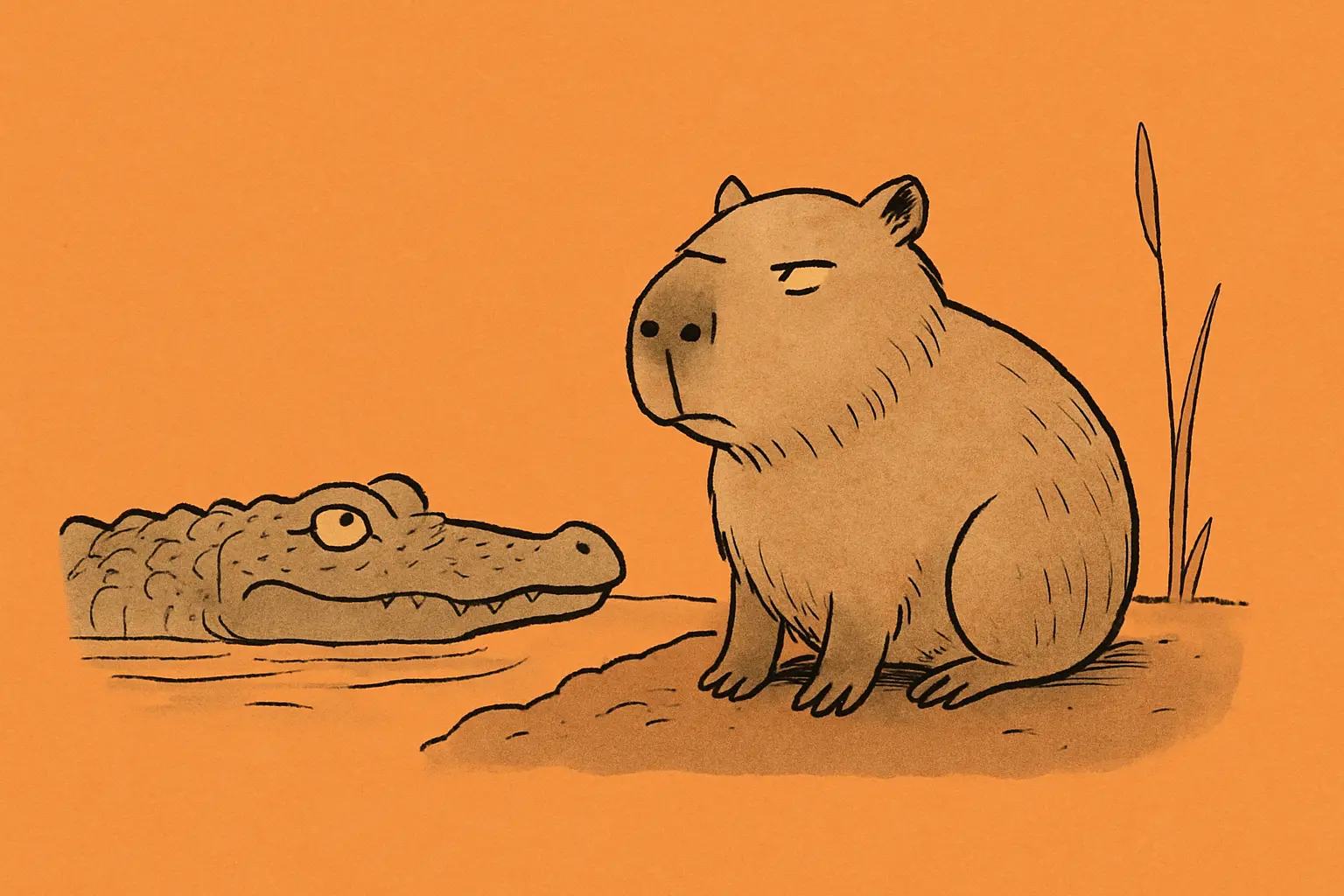
Photographs of capybaras dozing beside caimans — sometimes sitting directly on them — circulate constantly on wildlife feeds, and the internet’s preferred explanation is that capybaras are simply too relaxed to be eaten. According to Space Daily, researchers studying the behaviour have a different account: neither animal is being friendly. Both are running the numbers. The same outlet has previously covered surprising animal behaviour stories, including a report on crocodilians apparently using sticks as bait to lure nesting birds — a reminder that crocodilians are more behaviourally complex than their reputation suggests. Meanwhile, broader questions about where humans fit into the picture on Mars are being worked through separately: Mars Daily has reported on NASA’s Mars Program Planning Group as it develops a new strategy for robotic and eventually crewed missions to the Red Planet.
Why caimans leave capybaras alone
Caimans are ambush predators and, by crocodilian standards, extreme energy misers. They can go weeks between meals, and every hunt represents a calorie investment that has to pay off. Fish, birds and small mammals are quick, low-risk returns. A large caiman that has fed recently will ignore animals resting beside it because the energy cost of chasing them outweighs any gain.
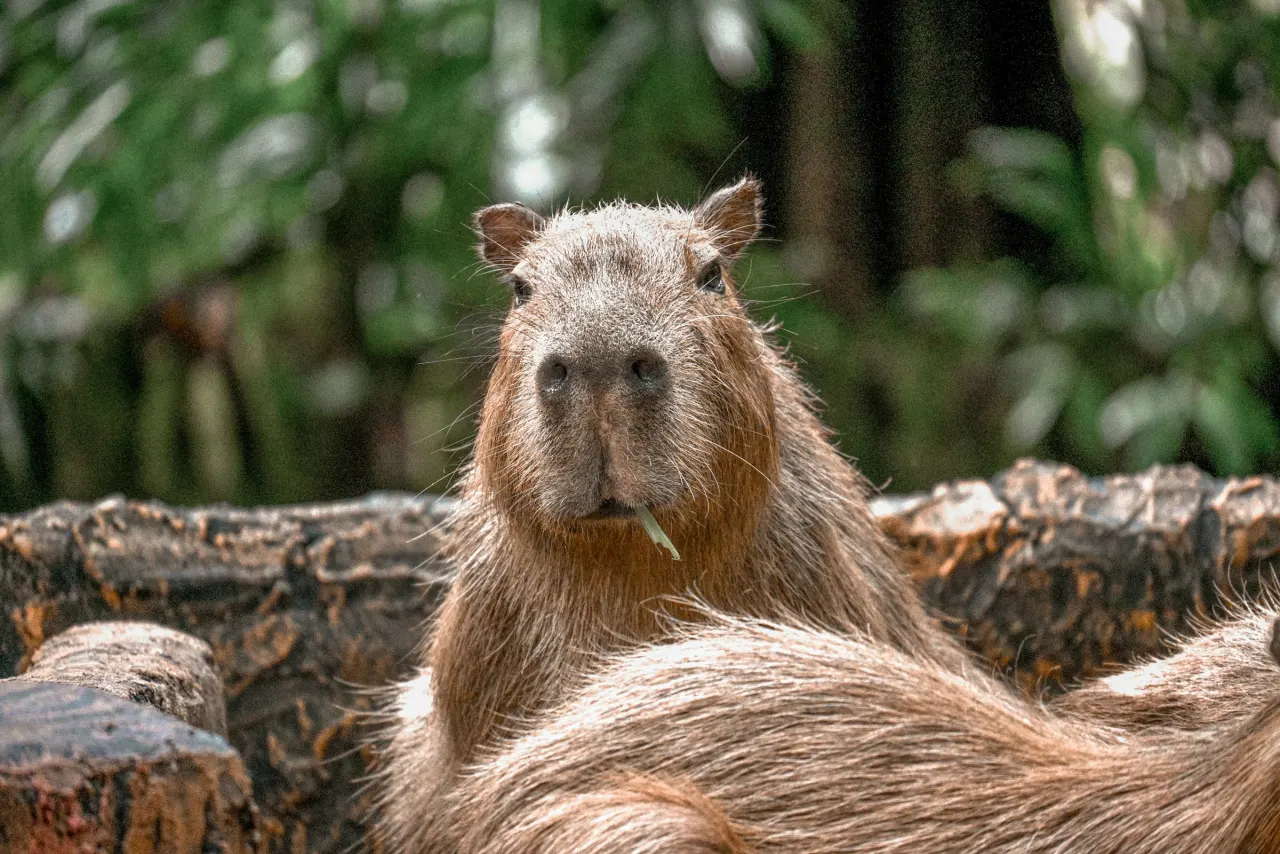
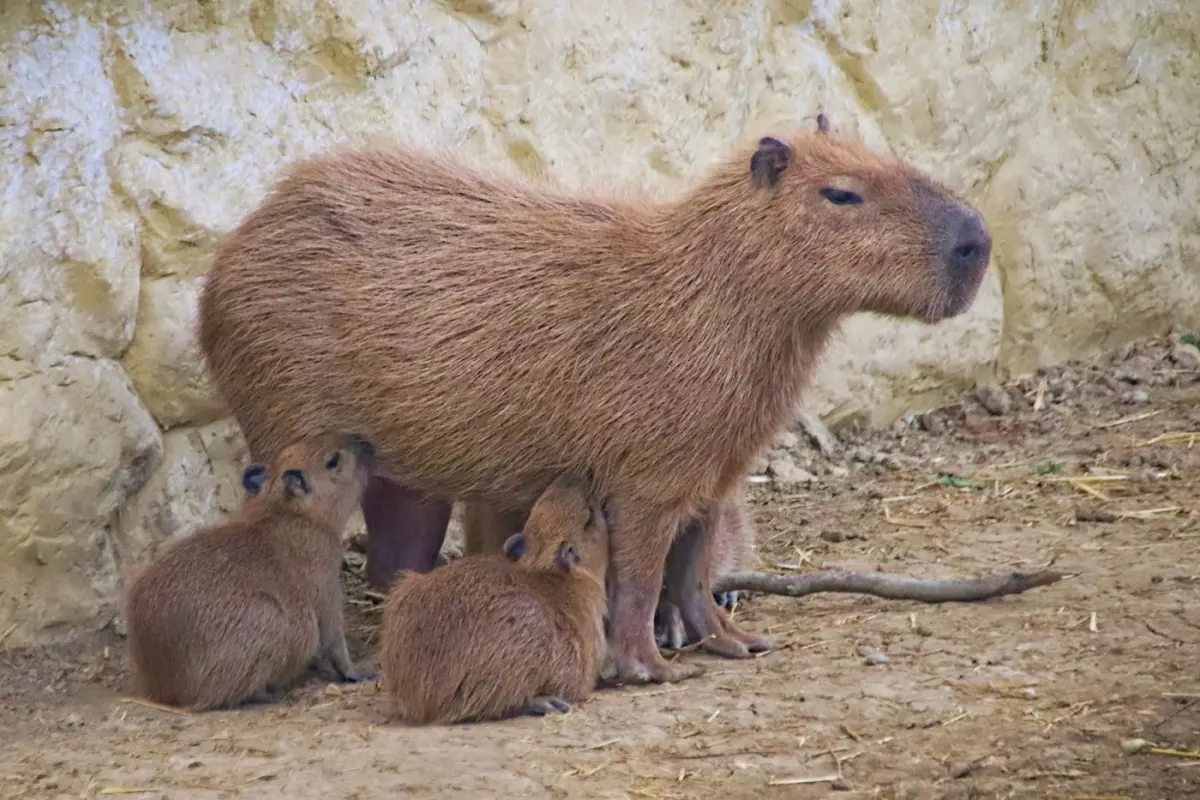
A capybara changes that calculation sharply. Adults commonly weigh 45 kilograms, are strong, fast in the water, and carry something the wildlife-feed audience tends to overlook: rodent incisors. Capybara teeth are long, self-sharpening chisels backed by the full weight of the animal, and the capybara will use them when cornered.
Elizabeth Congdon, a capybara researcher at Bethune-Cookman University in Florida, put the arithmetic plainly, as reported by Space Daily: capybaras have big, sharp teeth, and combined with their body size they are simply not worth the trouble and the risk of injury. A caiman that takes a deep bite wound to the snout, or loses an eye from a struggling 45-kilogram rodent, may hunt worse for the rest of its life. For an ambush predator that lives on efficiency, that is a catastrophic price for a single meal — particularly when fish are available for free.
The capybara side of the ledger
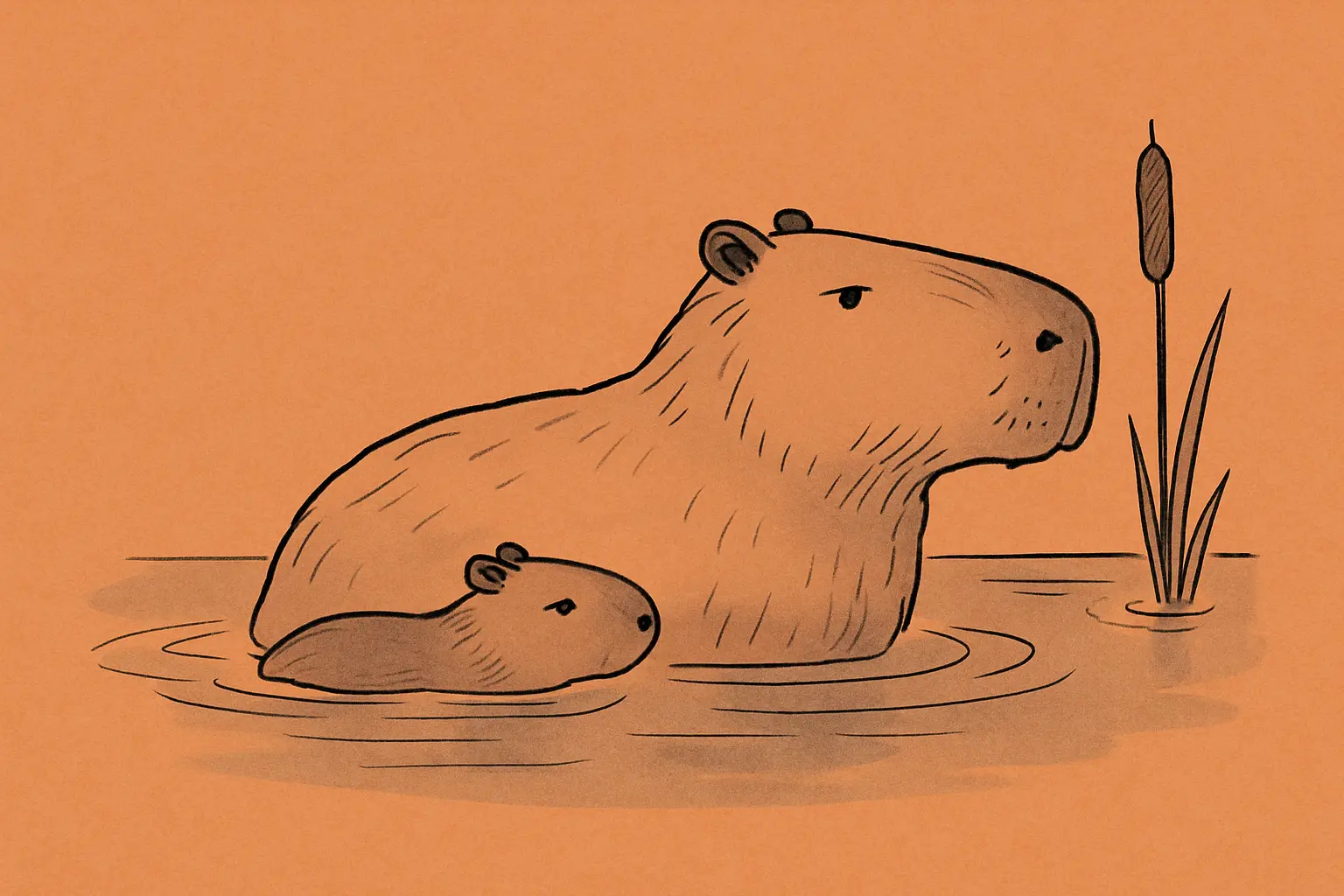
The calculation runs in the other direction too. Capybaras are not passive participants in the arrangement; they are, as the source material puts it, professionals at living next to predators. They stay in groups, which means any resting herd brings dozens of eyes and ears scanning for movement. That collective vigilance makes a successful ambush considerably harder to execute than the caiman’s usual approach — a lone animal at the water’s edge — would require.
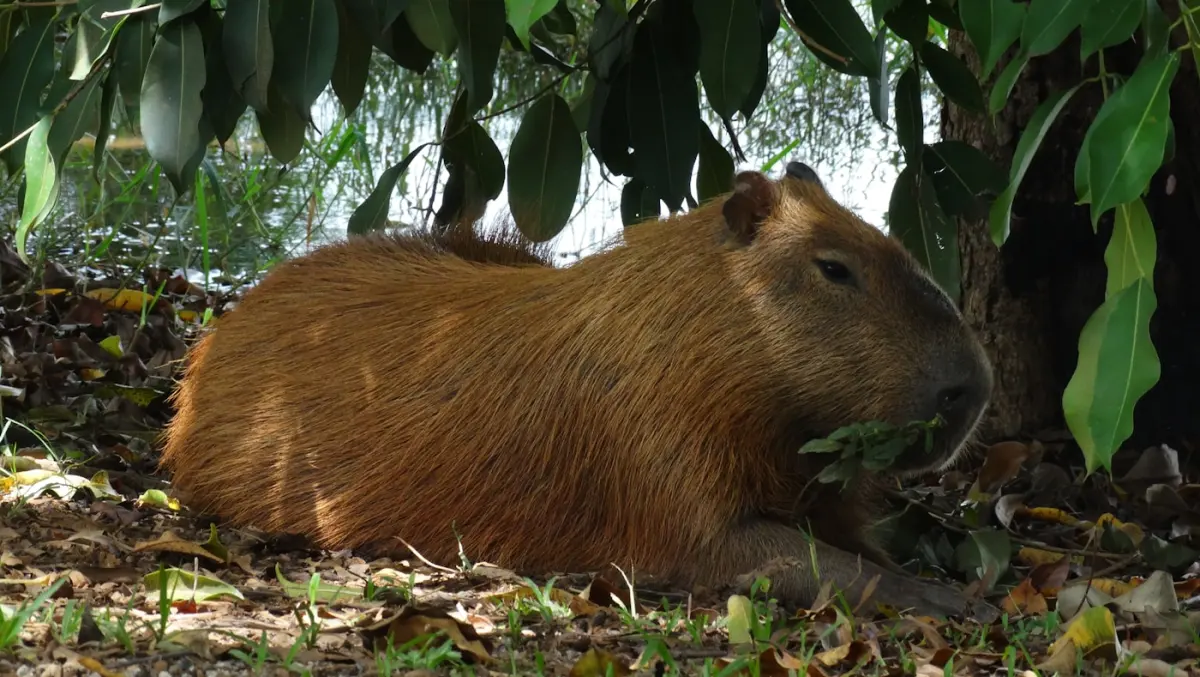
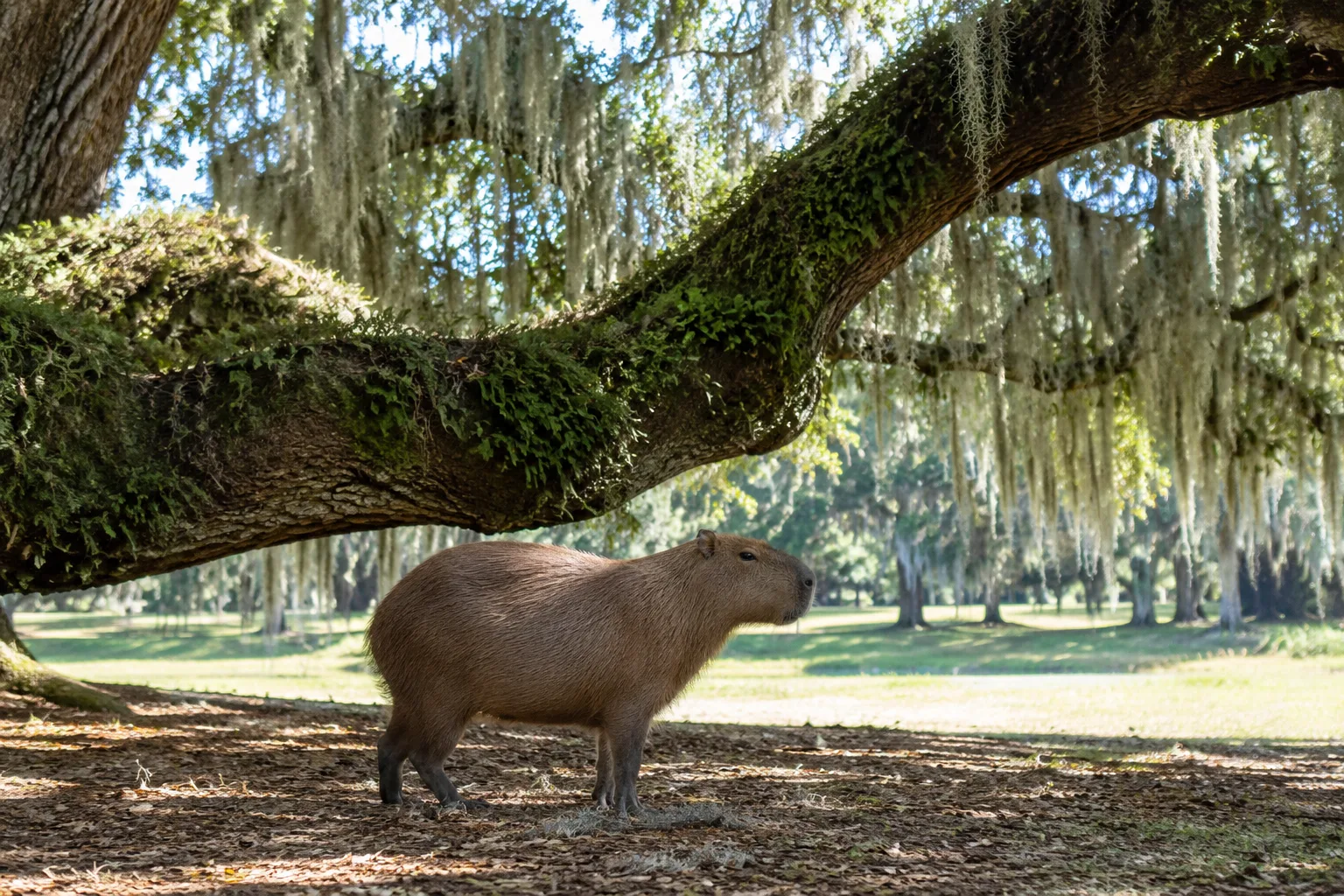
The two species cannot avoid each other in any case. Caimans are the South American branch of the crocodilian family and spend their days basking in exactly the same sunny riverbank mud that capybara groups favour during the hottest part of the day. Across the range — from Venezuela south through the Pantanal wetlands of Brazil — the habitat overlap is total. The truce is not a choice so much as the stable outcome of two species that have been doing this arithmetic for a very long time.
What the sources do not settle
The reporting does not specify which research institutions produced the underlying fieldwork beyond Congdon’s affiliation, nor does it give publication dates or journal names for any primary studies. The number of caiman-capybara interactions observed, the geographic spread of the data, and whether the behaviour has been documented to vary by caiman size or season are not addressed. How the dynamic shifts for juvenile capybaras — which weigh far less and lack the deterrent of adult body mass — is also left open.
The Grumpy Capy take
The “capybaras are too chill to eat” story is one of the more durable pieces of wildlife mythology online, and it is not entirely wrong — the capybara’s calm is real, and it is functional. It just isn’t the reason the caiman keeps its jaws shut. The reason is that the caiman is not a sentient appreciator of vibes; it is a calorie accountant, and the numbers don’t work.
What is worth noting is that this framing — mutual cost-benefit rather than mutual tolerance — applies to a lot of apparent interspecies friendships in the wild. The capybara-caiman case is simply unusually photogenic, which is why it keeps generating the wrong caption.
For readers curious about whether that calm has limits, our guide on whether capybaras are actually aggressive covers the teeth question in more detail. The short answer is consistent with Congdon’s point: they will bite, and it matters.