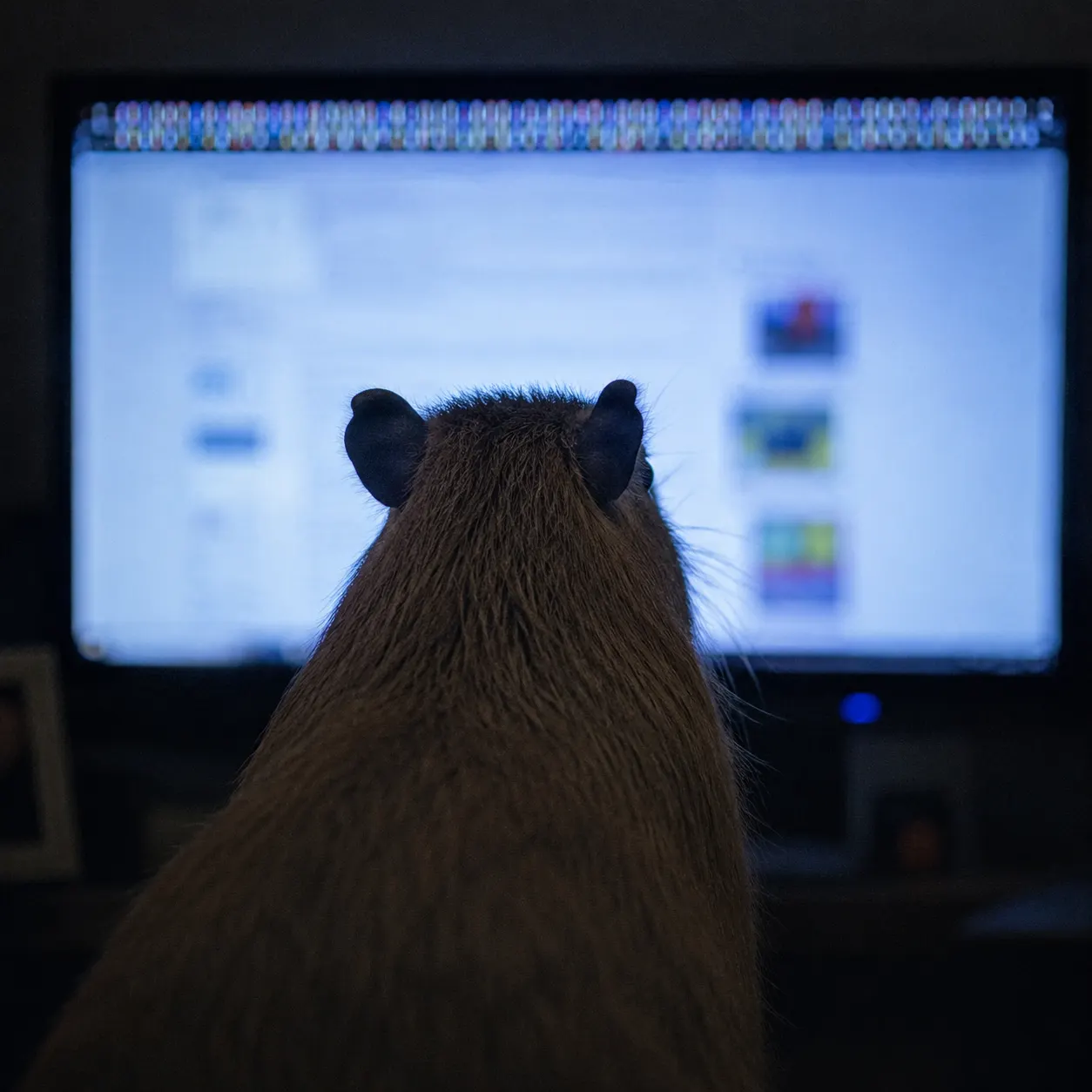
The best capybara TikTok accounts are not always the loudest ones. They are the accounts that show a capybara as an animal with space, water, keepers, a social group, and boundaries. Cute is allowed. Context is the cover charge.
Use this rule first: if the account makes you want to respect capybaras more, follow it. If it makes you want to grab, feed, rent, chase, or bother one, let the algorithm eat somewhere else.
Follow This Type Of Capybara Account First
Start with official zoo and aquarium accounts, especially facilities that name their animals and explain what staff are doing. Axios reported how Tupi, a baby capybara at the San Antonio Zoo, became a viral social media star after his December 2024 birth. That is the version of capybara fame that works best: a real facility, a real animal-care team, and a story that does not pretend the capybara belongs in someone’s apartment.
Then look for sanctuary or rescue accounts that show the enclosure, the animal group, and the human limits. Keeper-led videos are worth more than another ten seconds of a capybara being called “just a little guy” by a stranger with a ring light.
| Account type | Why it is worth a follow | What to check |
|---|---|---|
| Official zoo accounts | Staff context, animal names, habitat notes | Recent posts and facility credibility |
| Sanctuary or rescue accounts | More care background, fewer random clips | Whether they explain welfare choices |
| Keeper education videos | Better animal behavior captions | Credentials and facility links |
| Repost pages | Easy clips in one place | Credit, context, and consent signs |
The Welfare Filter Before You Hit Follow
San Diego Zoo Wildlife Alliance describes capybaras as semi-aquatic, social animals. The AZA care manual goes much deeper into enclosure, diet, social housing, water, and handling needs. None of that fits neatly into a 12-second clip, which is exactly why the filter matters.
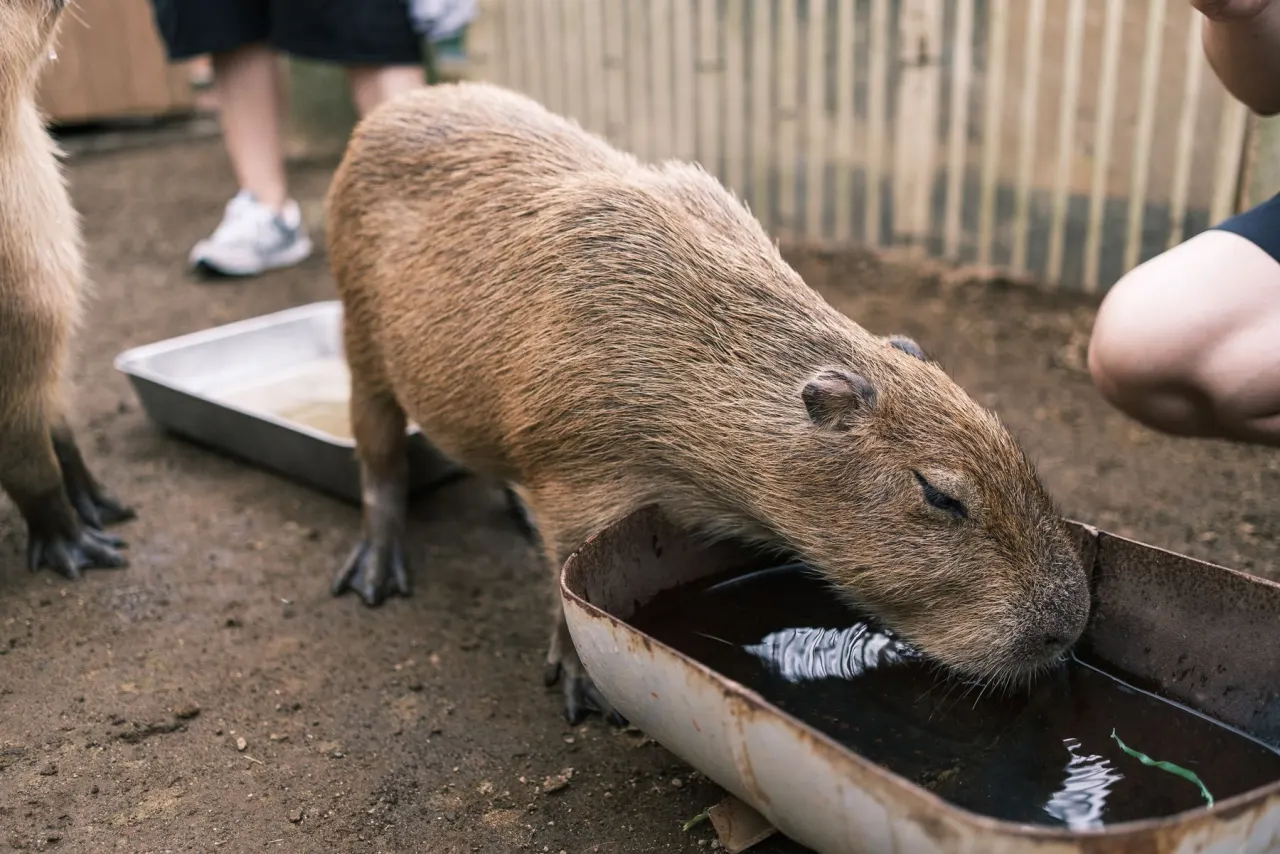
Look for water access. Look for other capybaras nearby. Look for barriers, keeper direction, shade, and an animal that can leave. The clip does not have to be a lecture, but it should not make the basic welfare pieces disappear.
The best capybara account makes the animal feel more real. The worst one makes the animal feel available.
Viral Red Flags That Ruin The Cute
The problem is not that capybaras are popular. Polygon’s write-up of the “OK I Pull Up” trend shows why the format works: capybaras look calm, odd, and instantly captionable. The problem starts when every calm face gets treated as permission.
Skip clips where people crowd the animal, block its exit, hand-feed without staff supervision, carry it around, chase it for a reaction, or stage contact with dogs and other animals for drama. Also be careful with baby content. A baby capybara is not a mascot for the comment section. It is a young prey animal whose mother, group, and keepers are doing most of the actual work.
| Clip detail | Better read |
|---|---|
| Capybara walks away | It chose distance, not a second take |
| Stranger feeds it | Could be unsafe without staff direction |
| Animal is frozen while people laugh | Stillness can be stress, not consent |
| No facility credit | You cannot check the context |
Repost Pages Are Where The Feed Gets Messy
Repost pages can be harmless fan compilations, but they are also where context goes to lose its wallet. A clip from a zoo, a cafe, a backyard, and a roadside encounter can all look identical once the original caption is gone.
If the page never names the source, never links back, and never says where the animal is, do not treat it as an account recommendation. Enjoy the clip if it is harmless. Do not build your animal opinions from it.
Build A Better Capybara Feed In Ten Minutes
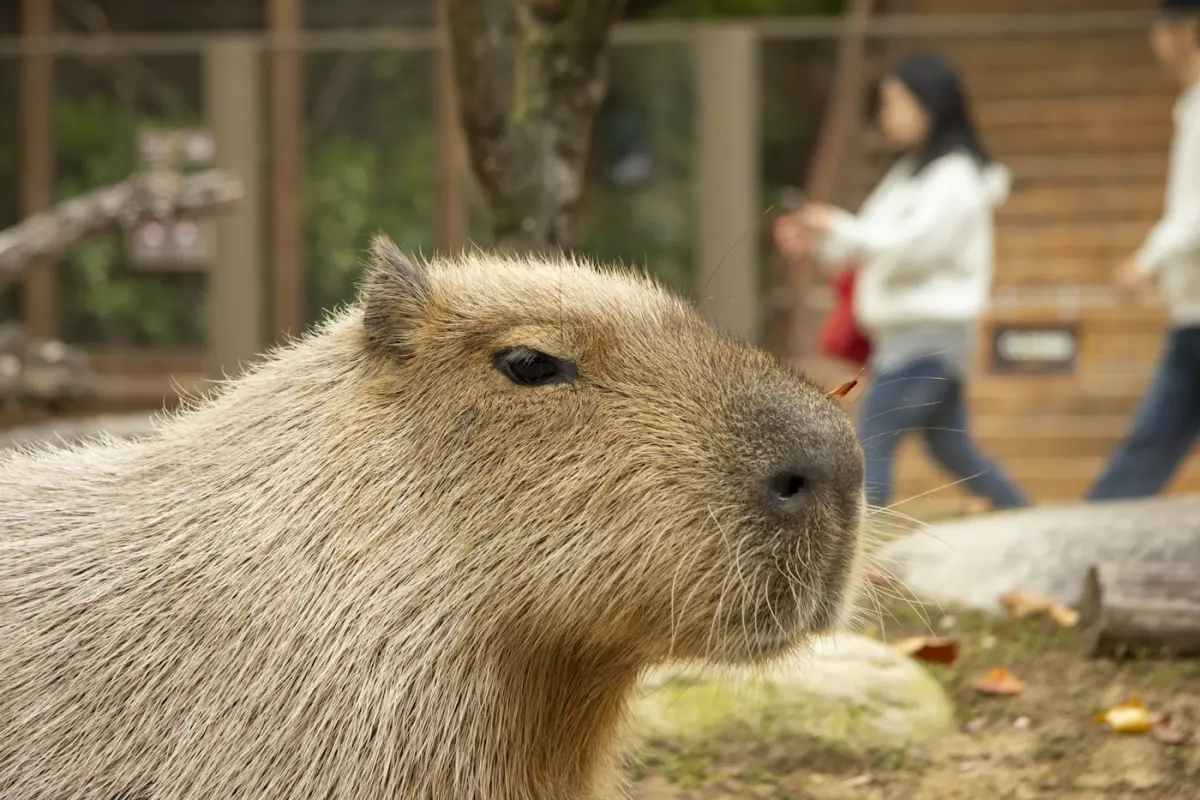
Search for your nearest AZA zoo plus “capybara.” Follow official accounts first. Add one or two keeper educators. Keep a couple of meme accounts if they credit properly and do not reward bad handling. Then prune ruthlessly.
The feed gets better fast when you stop teaching the algorithm that stress counts as entertainment. A good capybara account makes you like capybaras more, not respect them less.