Five pups, two births, one tricky start
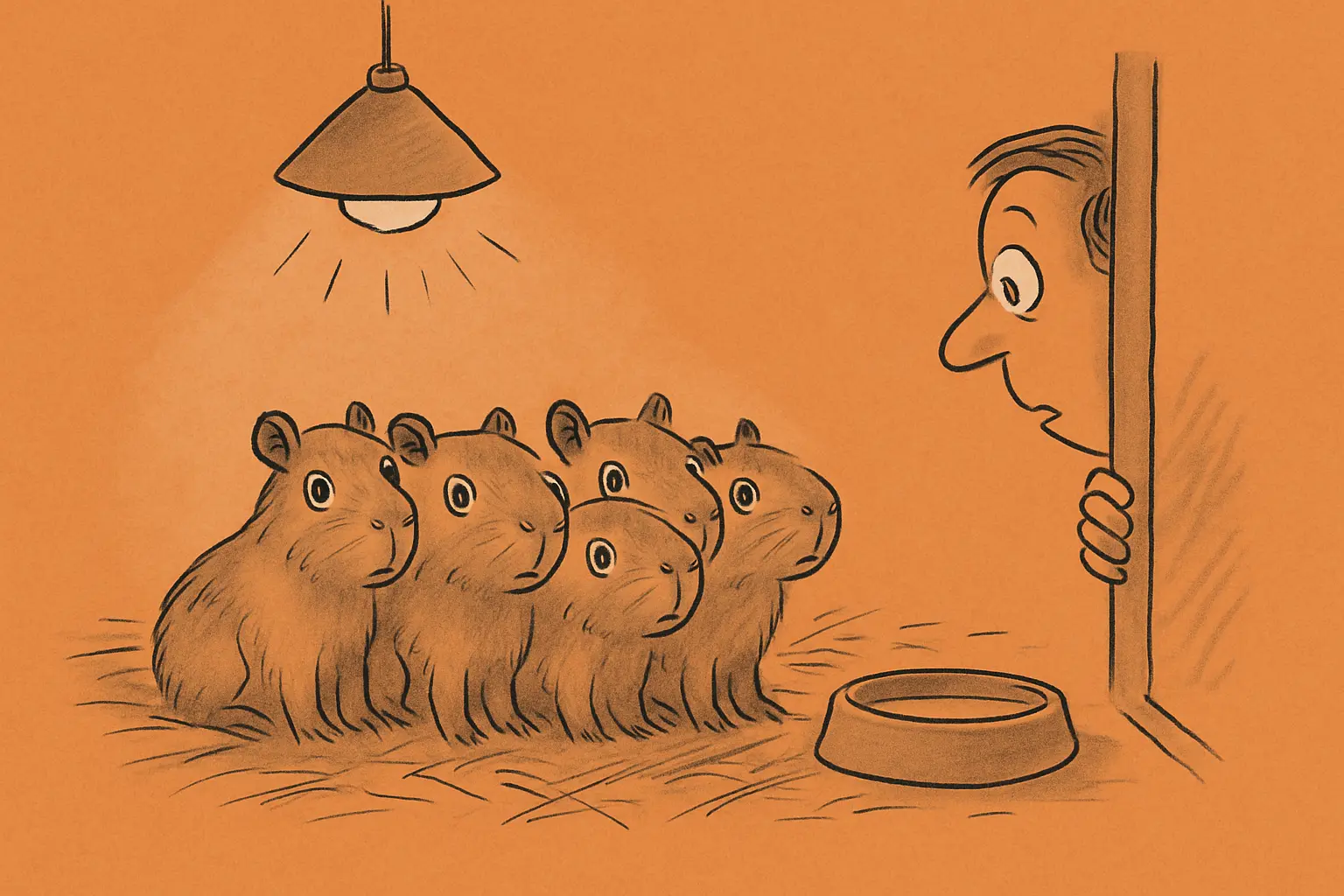
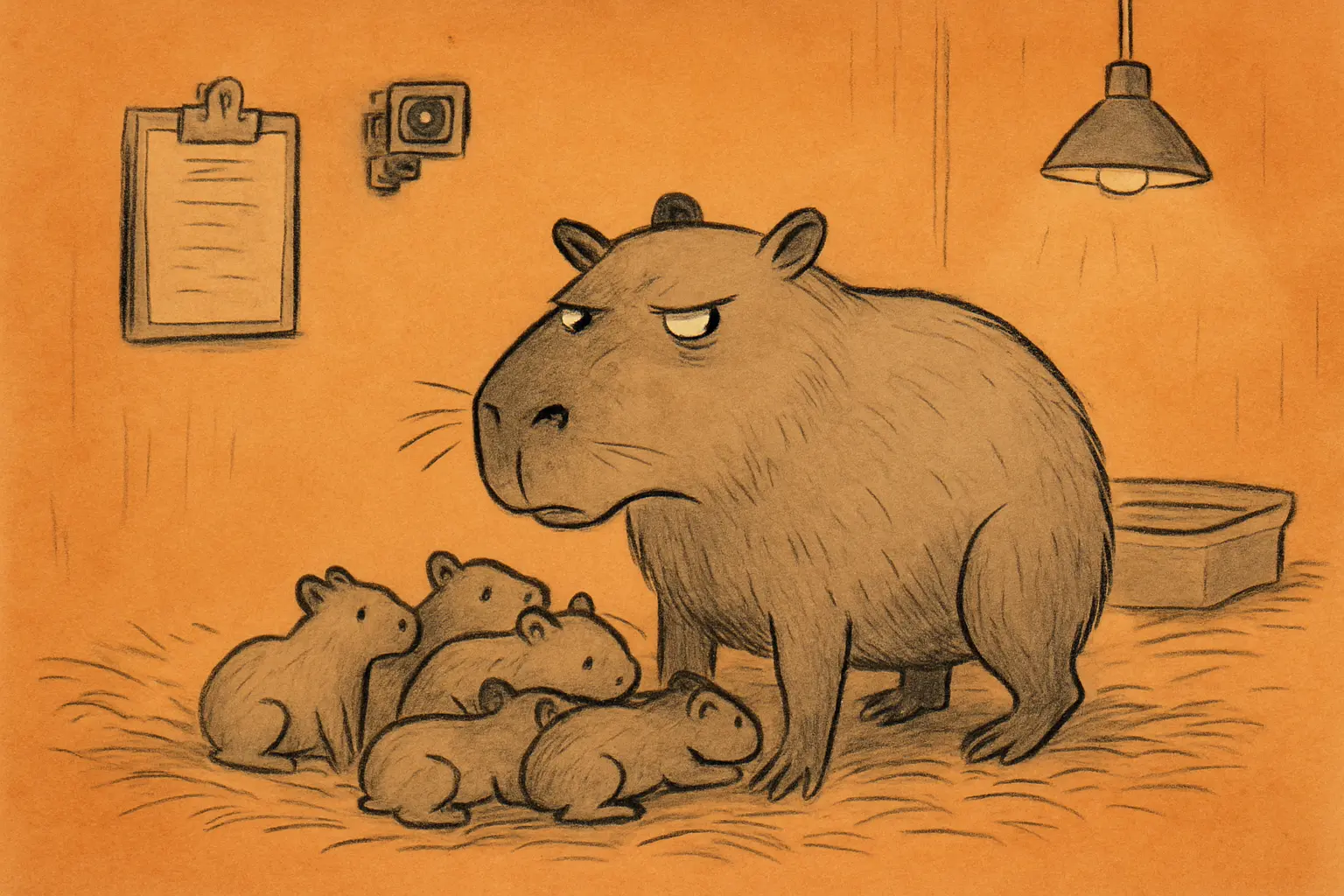
Rīga Zoo now has eight capybaras. According to LSM, four pups arrived in mid-October 2025, roughly a month after a single pup was born in September. All five are reported healthy, active, and gaining weight on schedule.
The September pup is the outlier. It had a harder start than its younger siblings, and keepers are still monitoring it more closely alongside the new arrivals. The zoo did not elaborate on what “more challenging” meant in practice, which is the kind of detail that would actually be useful.
The three adults — a male named Oskars and two females named Trīne and Truse — are sharing care duties across all five youngsters. Communal pup-rearing is standard capybara behaviour. In wild South American populations, adults within a group will nurse and guard pups that are not their own, a system that tends to improve survival rates across the whole litter.
Why you cannot see them right now
Capybaras are native to tropical and subtropical South America, and they do not pretend otherwise. They are heat-dependent animals, and Latvian autumn temperatures are not compatible with outdoor exhibition. The family has been moved inside for the season.
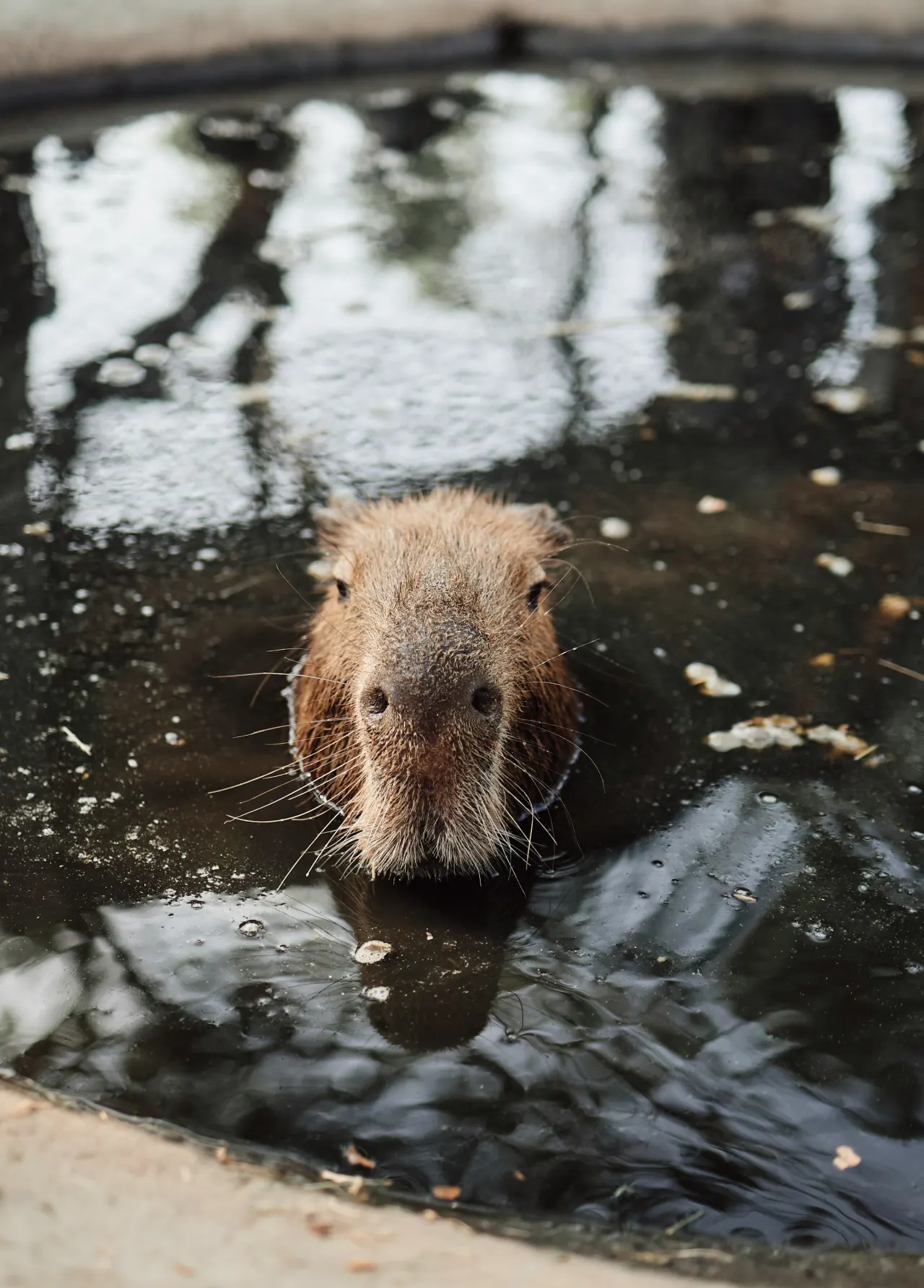
This is worth stating plainly because the phrasing in the LSM report — “heat-lovers” — undersells it somewhat. Capybaras thermoregulate partly by spending long periods in water, which also keeps their skin from drying out. In cold climates, zoo facilities need to compensate for both the temperature drop and the reduced access to warm water immersion. Indoor enclosures for capybaras are not simply a matter of closing a door.
The zoo says a live video broadcast is planned so visitors can watch the pups without being physically present. No date for that stream was given.
The three-sex split and what it means for the group
Of the five new pups, three are male and two are female. That matters more for capybaras than it might for some other species. Wild capybara groups are typically dominated by a single adult male, with subordinate males occupying a lower social tier or being pushed out entirely as they mature.
Oskars is currently the only adult male at Rīga Zoo. Three young males growing up in the same enclosure will eventually create a social dynamic that the zoo will need to manage. Whether that means rehoming some of the males or expanding the group is a question the zoo has not yet addressed publicly, at least not in this report.
The two females, meanwhile, will likely integrate smoothly. Capybara social groups accommodate multiple adult females without the same hierarchy tension that affects males.
The Patagonian mara connection
During summer, the capybara enclosure at Rīga Zoo also houses a family of Patagonian maras. This is a reasonable pairing. Maras are large South American rodents — long-legged, somewhat rabbit-like in appearance — and they share a broad ecological overlap with capybaras in the wild. Both species are grazers, both are social, and neither is going to bother the other.
Here is a fact that surprises most people encountering it for the first time: capybaras are the largest rodents on earth, capable of reaching 65 kilograms. The mara, despite looking improbably large for a rodent, is considerably smaller. The pairing in a zoo context tends to work precisely because the size difference removes any ambiguity about who has priority at the water feature.
A common misconception about capybaras at zoos is that their sociability means they are low-maintenance. They are not. The communal care structure seen here — all adults tending all pups — only functions when the group composition is stable and the animals are not stressed by environmental factors like cold. The indoor move and the increased keeper monitoring are not incidental details.
The Grumpy Capy take
Eight capybaras at Rīga Zoo is a genuinely good outcome, and the communal care model appears to be working. The September pup’s rocky start is the one thread worth watching. Zoos tend to report these situations in the past tense once they are resolved, so the fact that it still merits a mention suggests keepers are not entirely relaxed about it yet.
The planned livestream is a fine idea, though “planned” and “scheduled” are different things. A livestream date would be more useful than a livestream intention.
Worth noting for transparency: the source article is brief and contains no veterinary detail, no timeline for the October births beyond “mid-October,” and no information about the pups’ parentage beyond the obvious. This article has filled context gaps with verified capybara biology, not speculation.