Capybaras do not mate for life. The question tends to come up because capybara pairs look comfortable together in photos, and because the general “capybara is the chillest animal” internet framing creates an expectation of harmonious pair bonds. The reality is a polygynous system where one male dominates mating access in a group, that position is contested and changes over time, and no individual pair bond is maintained across years.
Polygynous, Not Monogamous: The Correct Framing
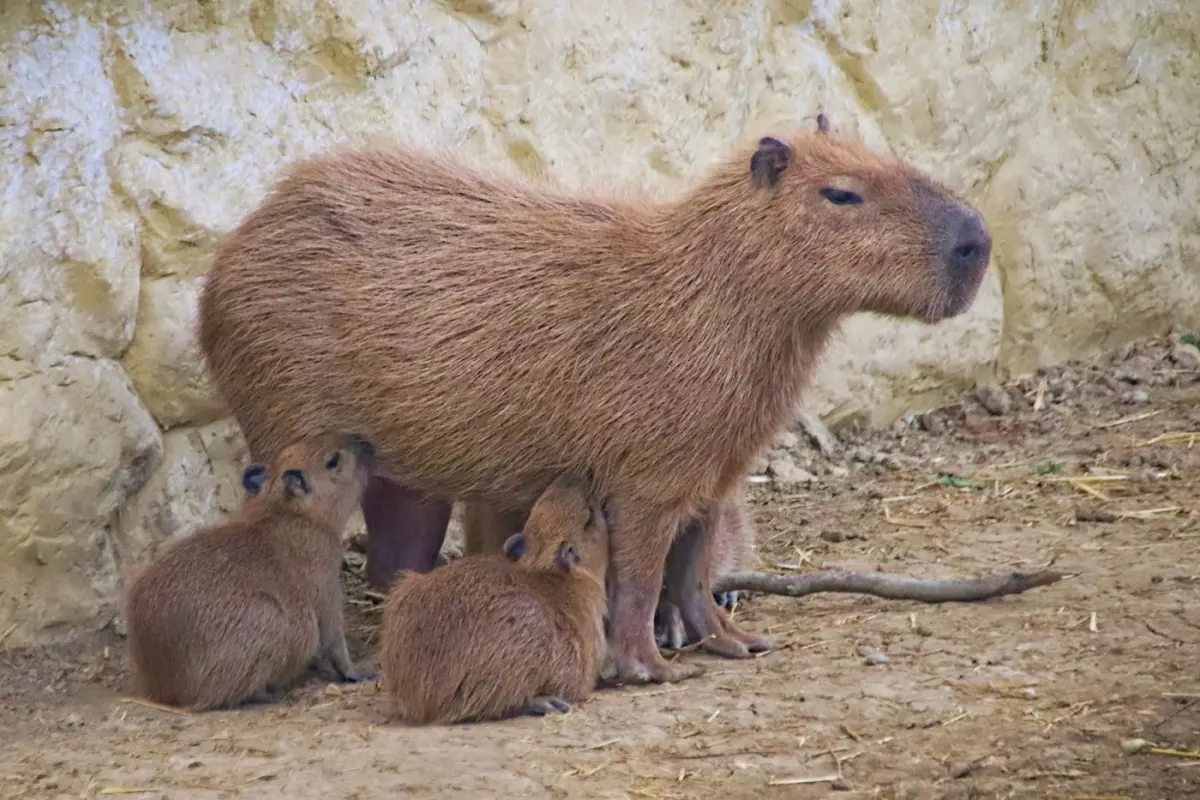
Animal Diversity Web’s account of Hydrochoerus hydrochaeris describes the mating system as polygynous. One dominant male in a group of typically 10-20 individuals has preferential access to the multiple females in that group. The dominant male controls mating through behavioral competition with subordinate males — pursuing, chasing, and displacing rival males that attempt to approach females.
Monogamy — the sustained exclusive reproductive bond between one male and one female — is not the capybara system. There is no pair bond in the sense that behavioral ecologists use the term: no sustained exclusive partnership, no joint territory defense between a bonded pair, no coordinated parental care between a specific mother and father. What there is: a social group with one male who holds a temporary mating advantage.
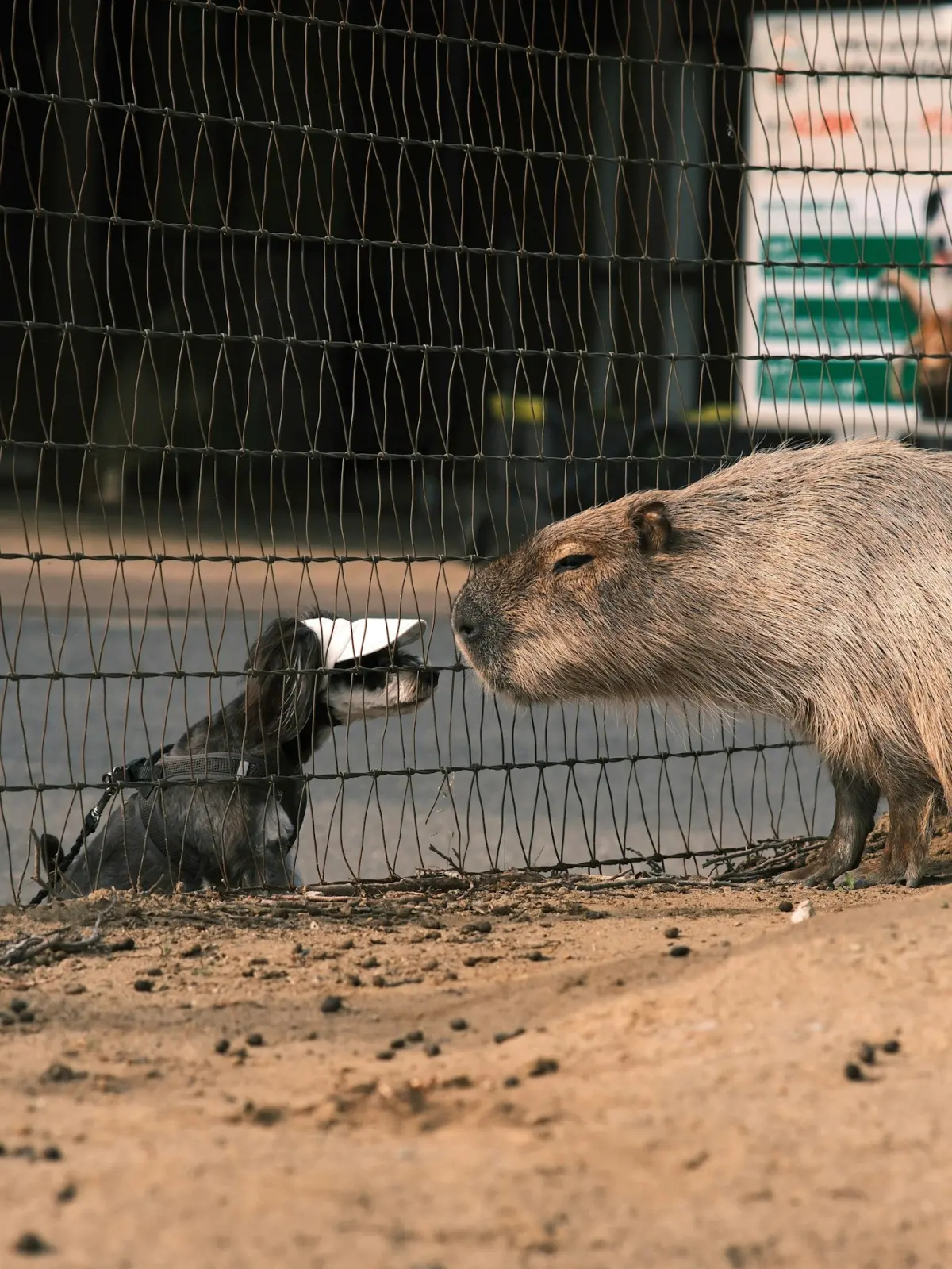
The “pair” images that circulate online — two capybaras resting close together — are typically showing group members in comfortable proximity, not bonded pairs. The visual reading of the image doesn’t map to the mating biology.
The Dominant Male System: How It Works
The dominant male position is the key to understanding capybara reproduction. This individual:
- Has first-mover advantage on female access during mating sequences
- Actively displaces subordinate males that attempt to interact with females
- Marks territory extensively with his morrillo gland
- Has a larger morrillo (the scent gland on top of the snout) as a hormonal marker of dominance
- Maintains his position through repeated behavioral competition
The position is not permanent. Younger or larger subordinate males challenge the dominant animal over time. Successful challenges — which can involve persistent chasing, interruption of mating attempts, and occasional physical contact — result in the challenger taking the dominant role. The previous dominant male is demoted to subordinate status or may leave the group.
This turnover means that over the lifespan of a capybara group, multiple different males will hold the dominant breeding position. The females in the group mate with whoever currently holds that position. There is no pair bond that carries across the male tenure changes.

Female Mate Choice In Capybara Groups
The female’s role in the mating sequence is more active than “polygynous system” might suggest. Animal Diversity Web notes that the mating sequence typically involves the female entering water, the male following, and the female surfacing and submerging repeatedly — a sequence that she controls. The female’s surfacing determines when mounting can occur and when it is interrupted.
This means females exercise meaningful mate choice within the constraints of the polygynous social structure. They are not passive recipients of dominant male access — they participate in controlling the pace and completion of each mating event. Whether this extends to cross-group mate choice (seeking matings with males from other groups) in the wild is less clearly documented, but female agency in the mating sequence is established.
Misconceptions About Capybara Pair Bonding
“Two capybaras that stay close together are a mated pair.” Proximity in a group does not indicate exclusive pair bonding. Group members rest, groom, and move near each other regularly based on social familiarity, not pair bonds.
“Capybaras choose one partner and stay with them.” The mating system documented is polygynous, with male dominance competition determining reproductive access. Individual pair choices are not how the system works.
“The calm capybara temperament means they form deep emotional bonds.” The calm temperament relates to the social group structure and predator strategy, not to pair bonding. The two are separate behavioral systems. Why capybaras are so calm covers the actual mechanism.
“Capybaras in zoos that live as a pair are behaving naturally.” A pair of capybaras in captivity is a compromised social arrangement, not the natural unit. Groups of 10-20 is natural; a pair is a minimum welfare floor, not an ideal social structure.