The name, the vote, and the mild fanfare
Edinburgh Zoo’s capybara pup is officially called Bru. The Royal Zoological Society of Scotland put four Scottish-themed names to a public vote, and Bru came out on top. The zoo announced the result on social media with the kind of energy you’d expect from an organisation that has correctly identified a capybara pup as good content.
The name is a fairly transparent nod to Irn-Bru, the aggressively orange Scottish soft drink that enjoys a cultural status in Scotland roughly equivalent to a minor deity. Whether Bru the capybara shares any of its namesake’s qualities — vivid colouring, high sugar content, a slightly alarming aftertaste — remains unconfirmed.
What eighteen years without a birth actually means
According to RZSS, Bru is the first capybara born in Scotland since 2008. That is a long gap, and it is worth pausing on it rather than just using it as a headline hook. Capybaras are not especially difficult to breed in captivity — they are highly social animals that live in groups of ten to twenty in the wild, and they reproduce readily when conditions suit them.
The 18-year absence most likely reflects the ordinary churn of zoo demographics: animals age out, groups shrink, breeding pairs are not always in place at the same time. It is not a crisis. It is just how zoo populations work, which is less dramatic but more accurate.
Bru’s household arrangements
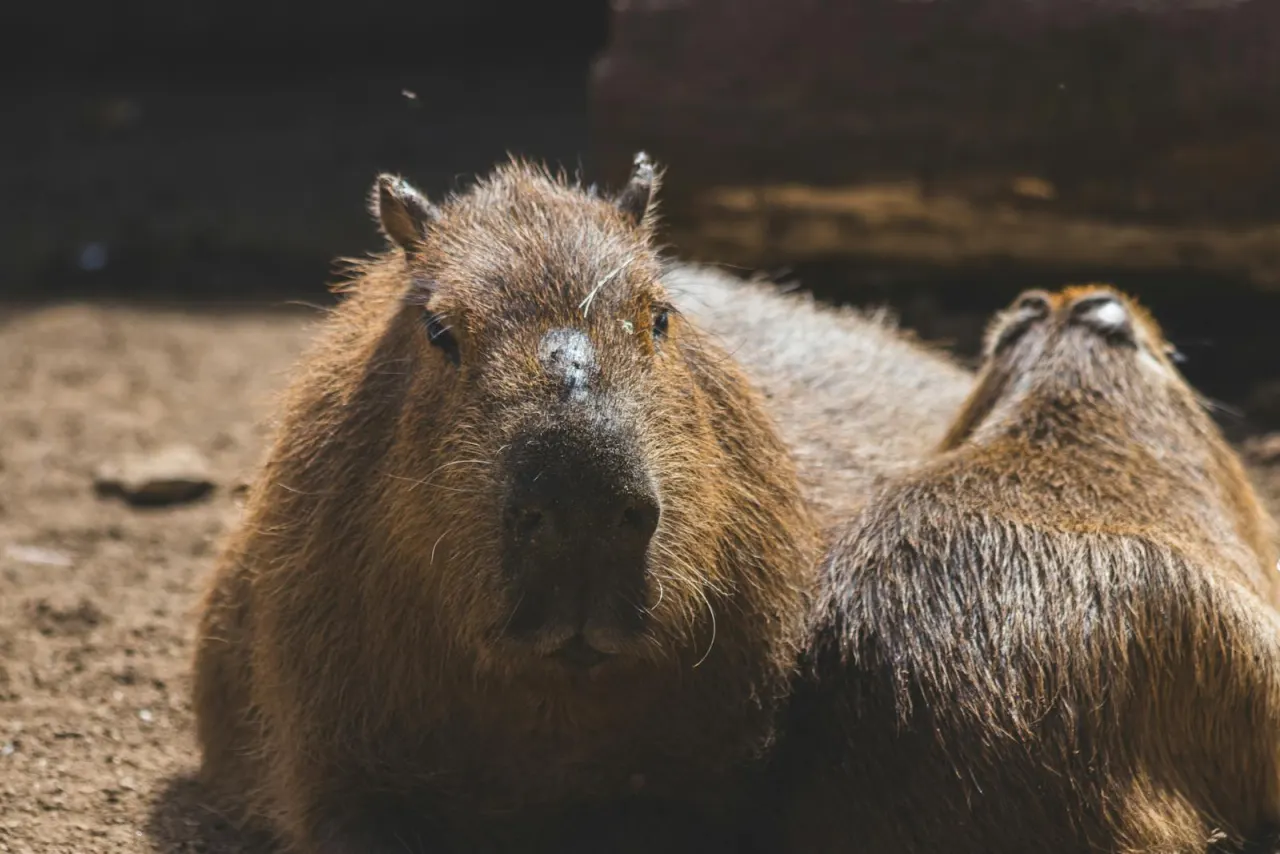
The pup shares his habitat with mother Luna, father Rodney, and an aunt named Cali. That family structure is consistent with how capybaras actually live. In their native range across South America — from Venezuela and Colombia down through Brazil and into Argentina — they form stable groups with overlapping family relationships, and younger or non-breeding adults routinely help raise offspring.
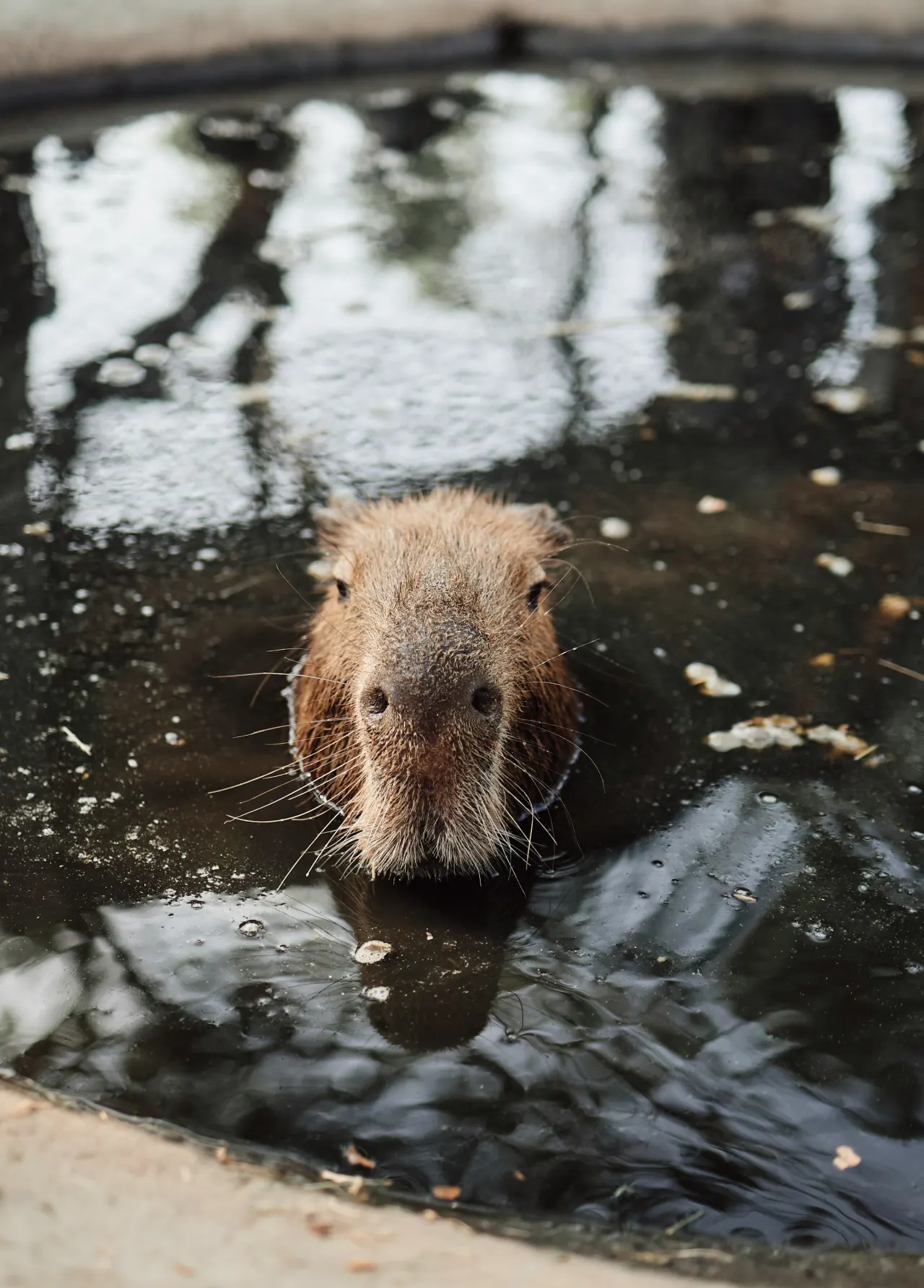
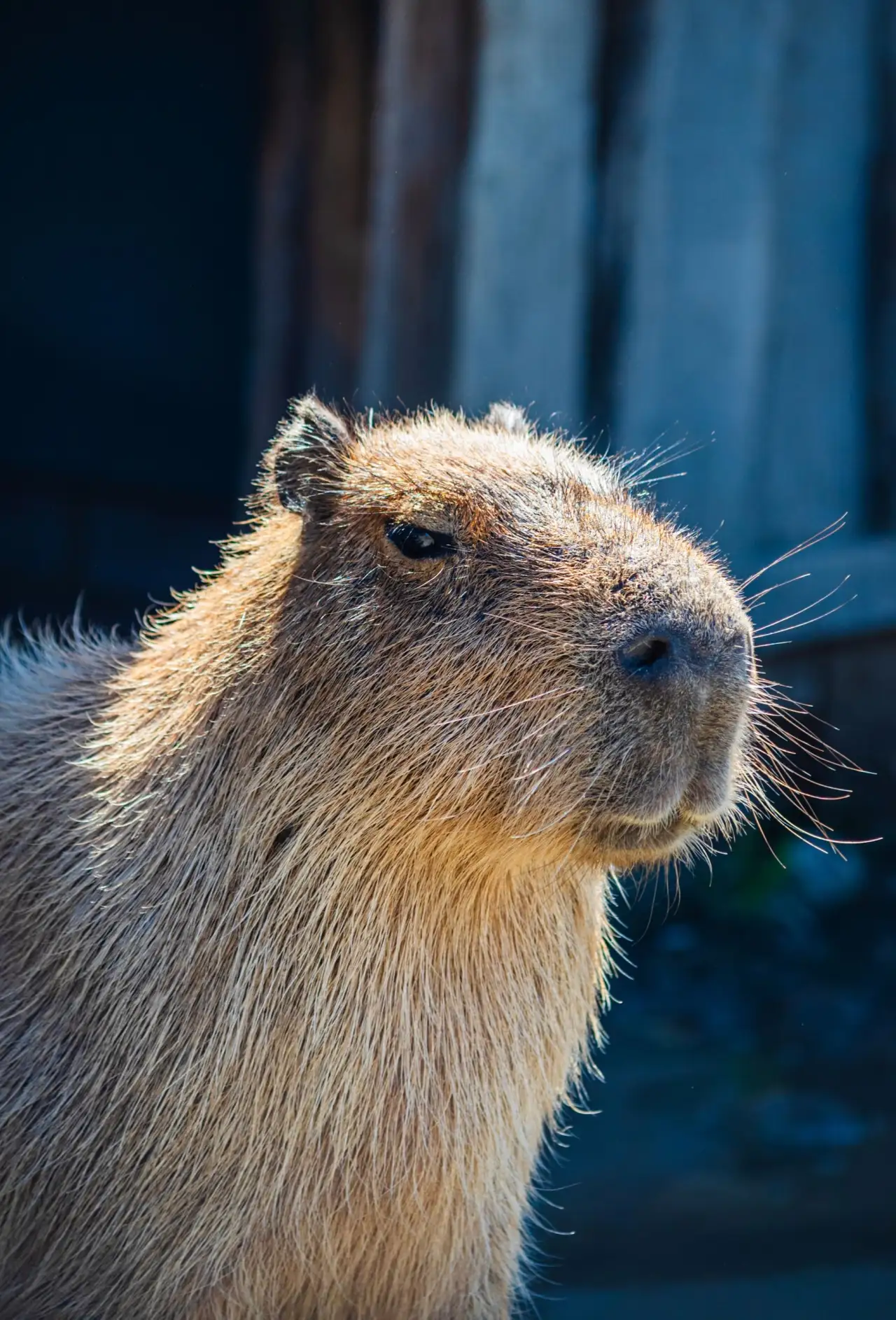
Here is a fact that tends to surprise people: capybaras are the largest rodents on earth, regularly reaching 65 kilograms. A fully grown capybara is roughly the size of a Labrador, though considerably more barrel-shaped. Bru, currently described by the zoo as doing “zooming” laps of his habitat, will eventually become a very large animal. The zooming phase does not last.
The baby boom context
Edinburgh Zoo has framed Bru’s arrival as part of a broader run of births. Alongside the capybara, the zoo has welcomed Scotland’s first zoo-born sloth, a giant anteater pup, and several penguin chicks. Calling this a “baby boom” is the kind of phrase zoos reach for whenever multiple births happen within the same calendar window.
That said, a zoo-born sloth genuinely is unusual — sloth reproduction in captivity is notoriously unreliable — so the framing is not entirely without substance. The capybara, by contrast, is the crowd-pleaser. Bru’s wobbly early walks were shared widely online, and the zoo has leaned into that attention with the naming vote and regular social updates. This is competent communications work, not a miracle.
A common misconception worth correcting: people often assume capybaras are some kind of exotic, rare species requiring unusual conditions. They are not. They are widespread across South America, listed as Least Concern on the IUCN Red List, and adapt well to captivity when kept in appropriate social groups. The rarity here is specifically about Scottish zoo births, not the species itself.
The Grumpy Capy take
A public naming vote for a zoo animal is a reliable mechanism for generating social media engagement, and Edinburgh Zoo has executed it cleanly. Bru is a good name. It is short, locally resonant, and easy to put on merchandise. None of that is a criticism — it is just worth seeing it for what it is.
The more interesting part of this story is the 18-year gap. A capybara birth at a Scottish zoo is genuinely uncommon, and the fact that it took this long suggests the species doesn’t get prioritised for active breeding programmes the way some others do. Bru’s arrival is a small but real conservation footnote for captive population management in the UK.
Worth noting: the People.com source page carried standard celebrity and lifestyle content alongside this story. Only the capybara-specific material was used here. The Edinburgh News and Yahoo News UK versions added no substantive new facts, but were consulted to confirm details.