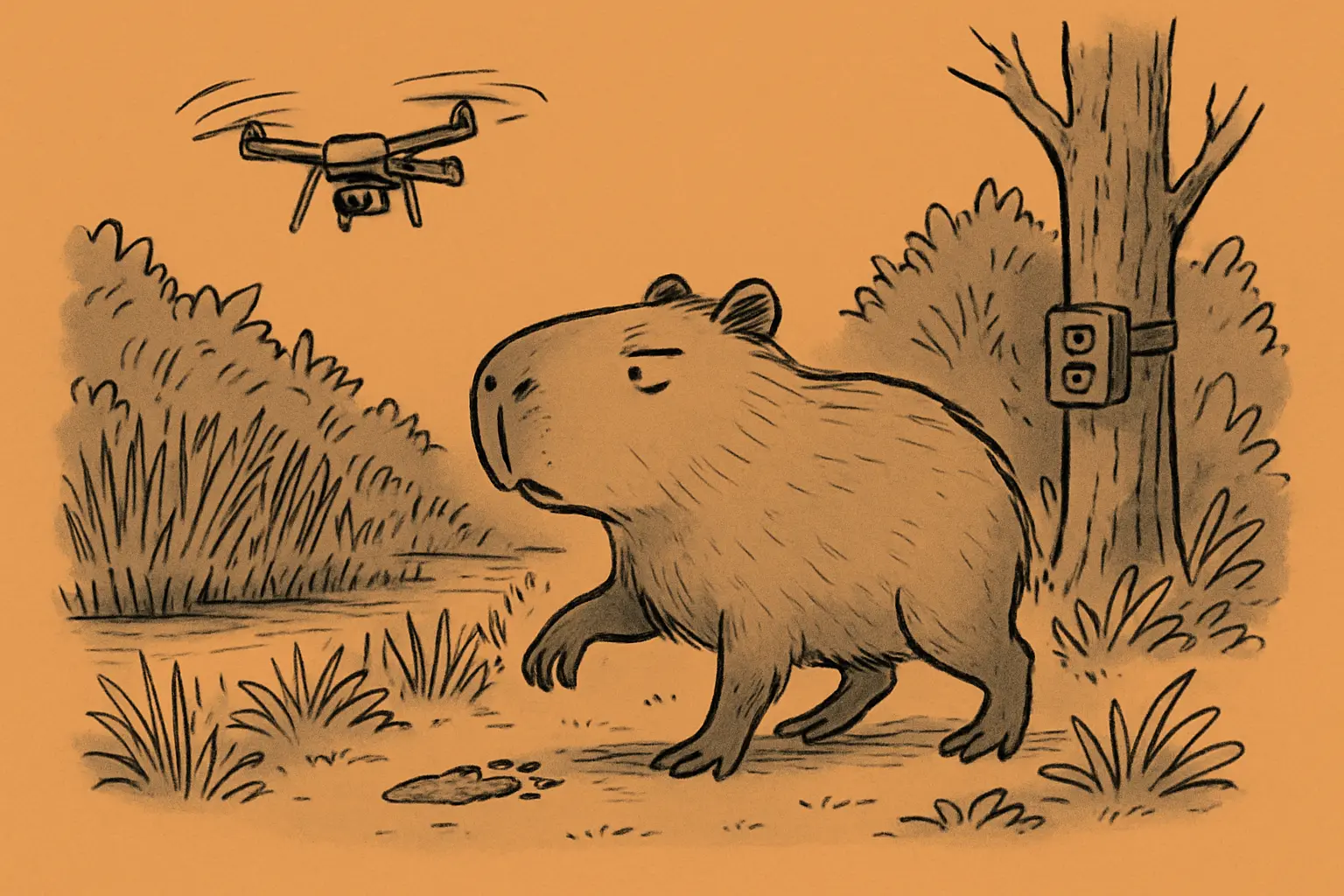
Nearly three months in the wild
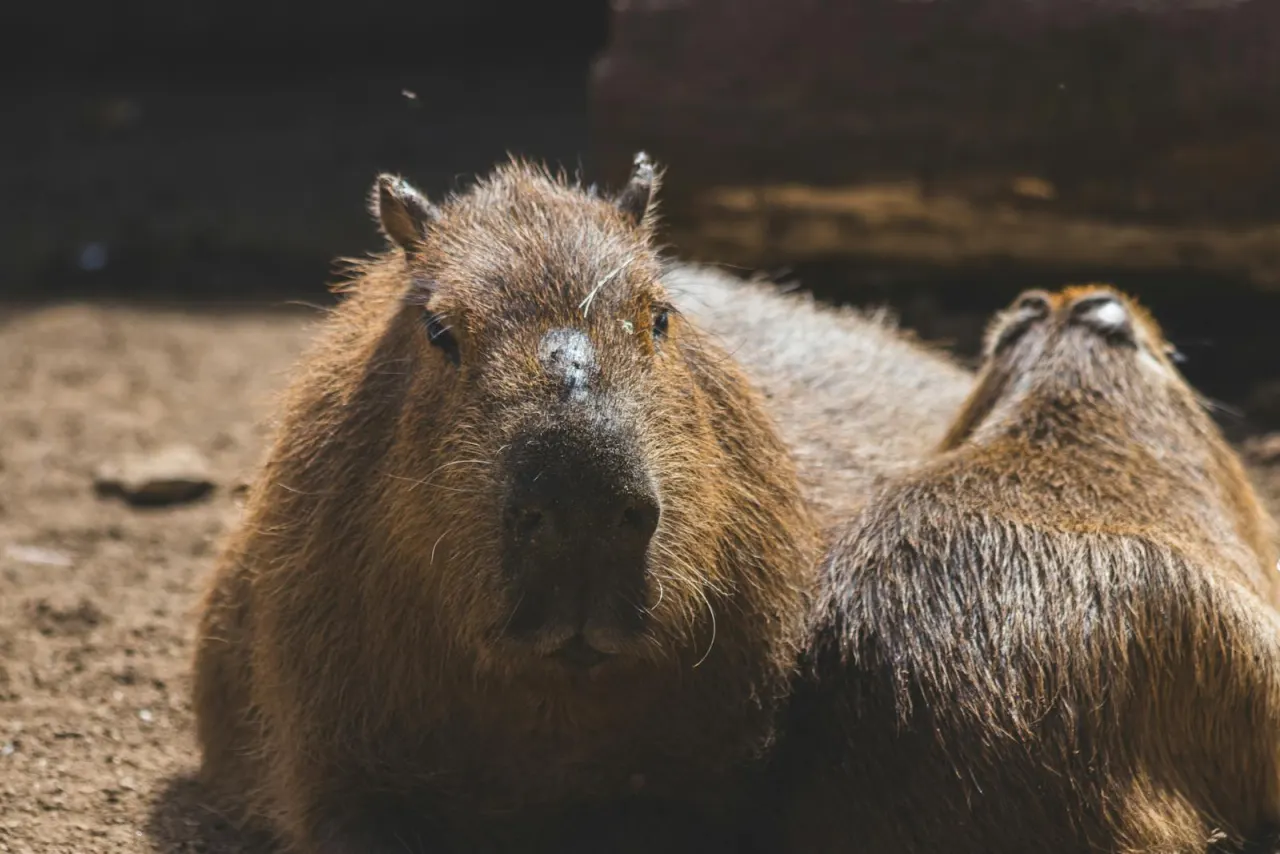
Samba was ten months old when she escaped Marwell Zoo on 17 March 2026 — one day after arriving from Jimmy’s Farm & Wildlife Park alongside her companion, Tango. Tango was recovered quickly. Samba was not. As of this week, she has now been loose in Hampshire for nearly three months.
On 5 June, Marwell Wildlife posted a video update to Facebook confirming that “several credible sightings” had been reported in the Bradbridge area of Hampshire in recent days. According to People, the zoo described the new sightings as helping to narrow the search area — which, given the scale of the operation so far, is a modest but real development.
What the search actually looks like
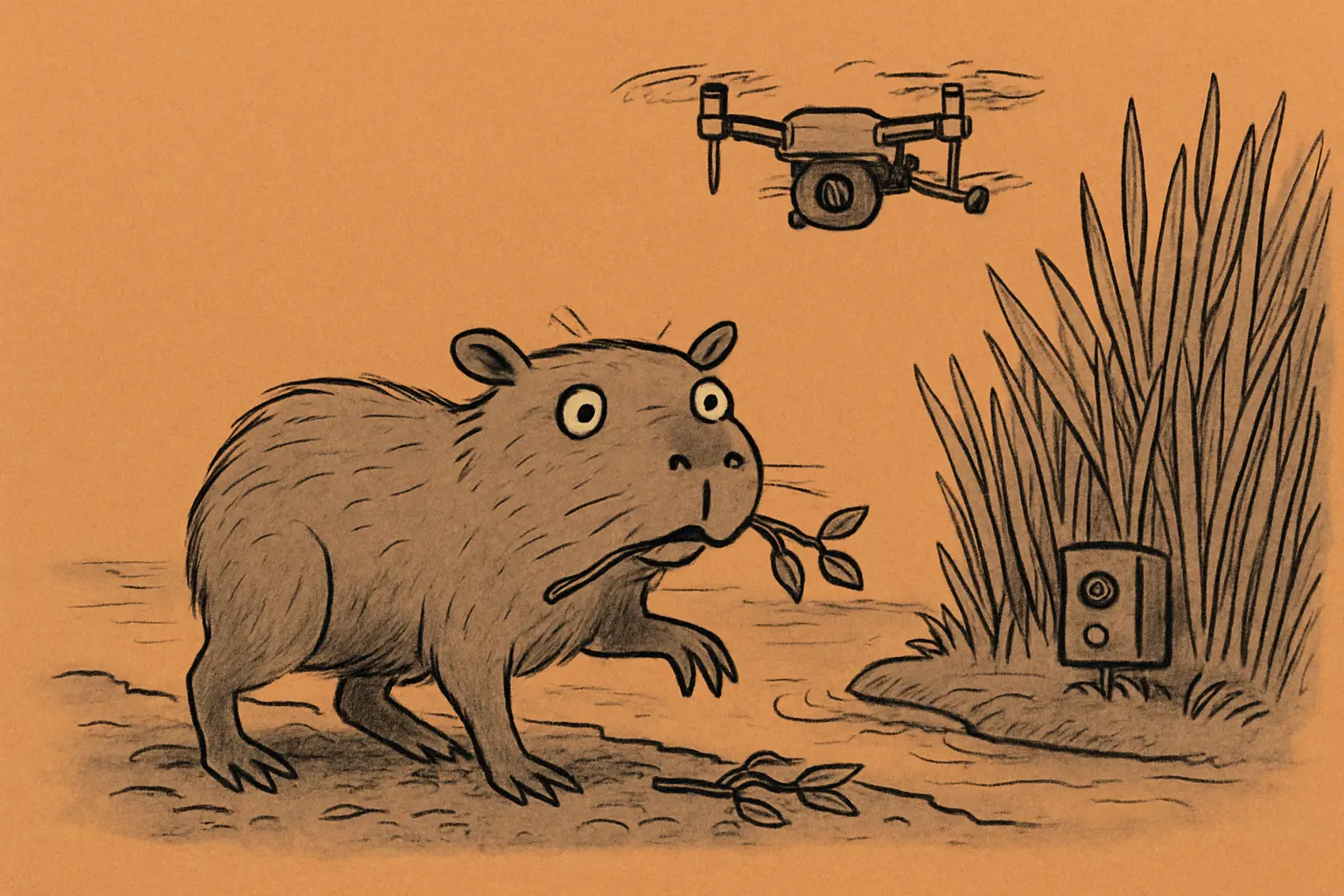
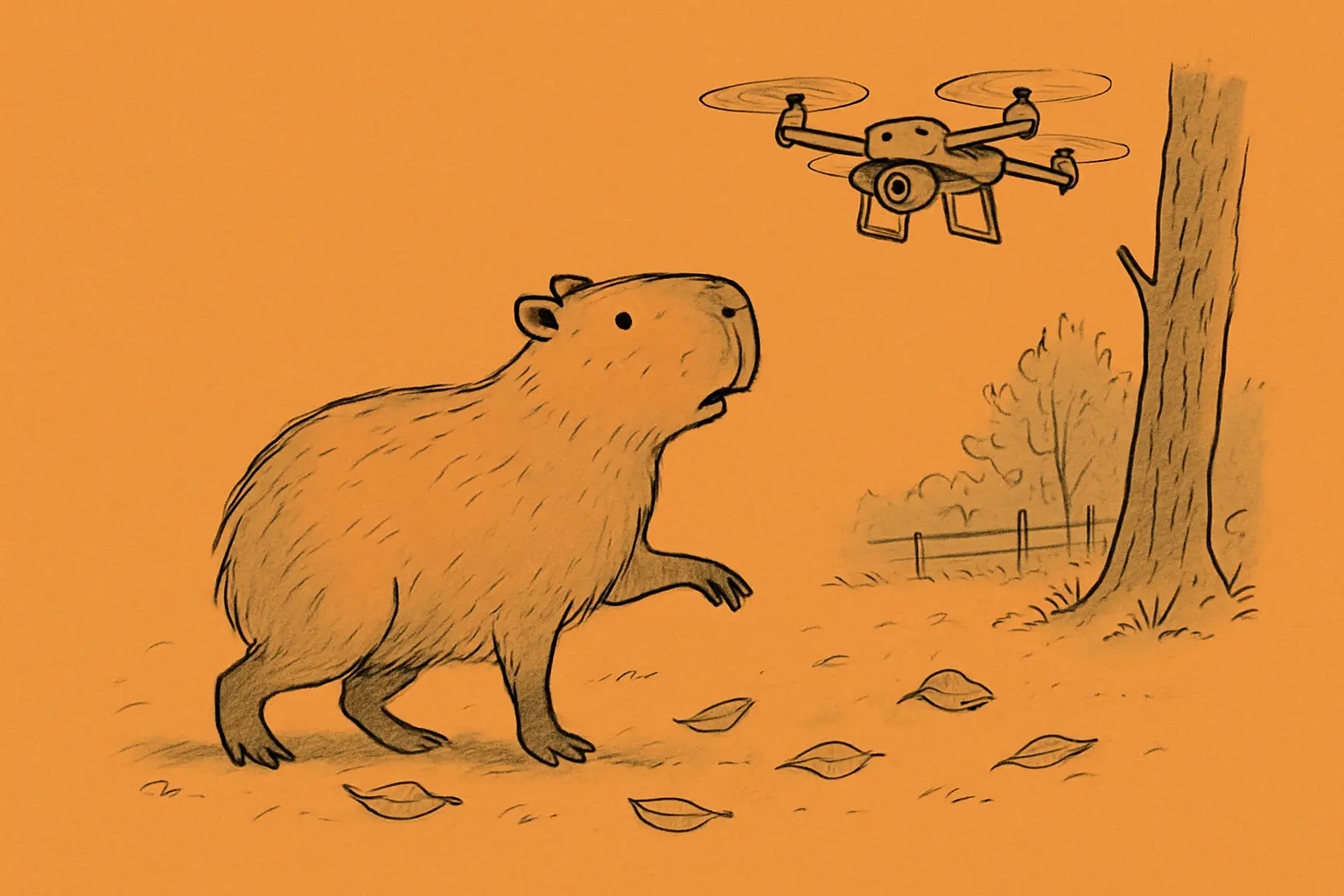
More than 20 Marwell team members carried out coordinated ground searches in response to the latest sightings. Thermal drones and a network of camera traps remain active across the area.
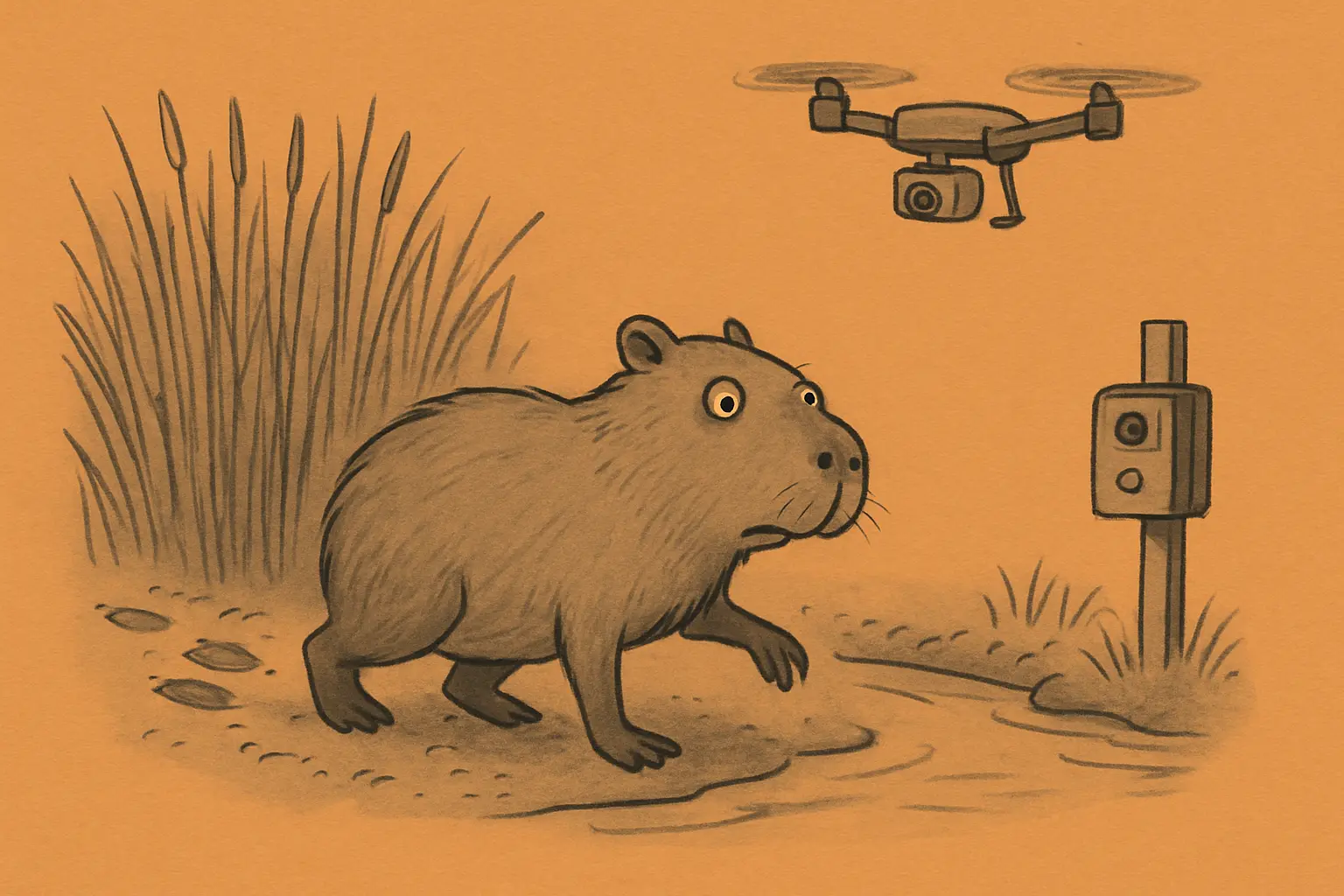
The zoo was direct about the limits of large-scale searching. As Marwell Wildlife explained in their update, putting significant numbers of people on the ground is only useful when there is specific, recent information about where Samba might be. Without that, it is essentially a very expensive walk in the countryside.
Search teams are currently focused on physical evidence: footprints, droppings, and any signs of recent activity. That is slower and less dramatic than drone footage, but it is also more reliable.
Why the vegetation matters
The zoo’s video update showed the search terrain in Bradbridge, and it is not forgiving. The vegetation is described as “extremely dense,” which creates a genuine problem even when the team has a probable location.
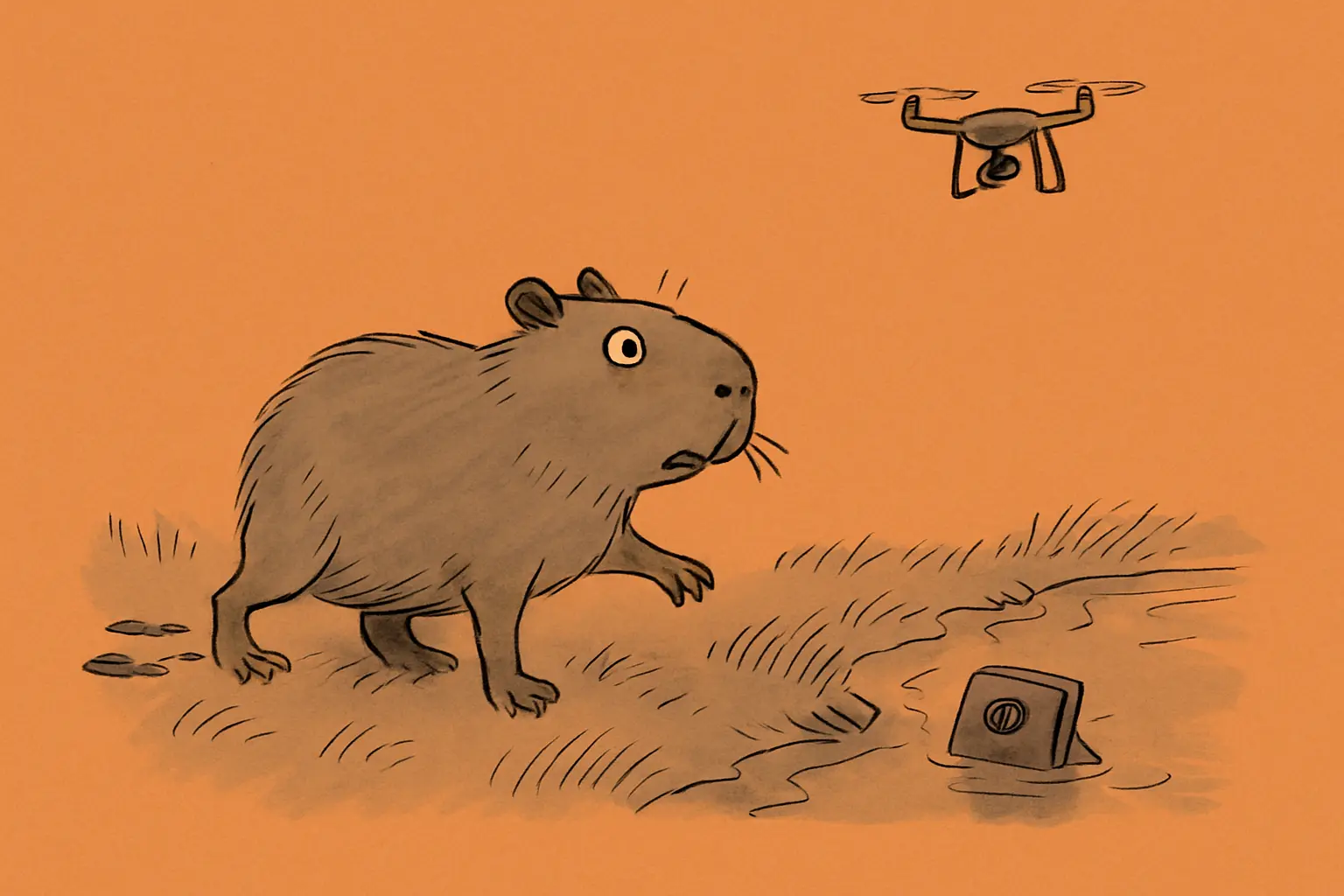
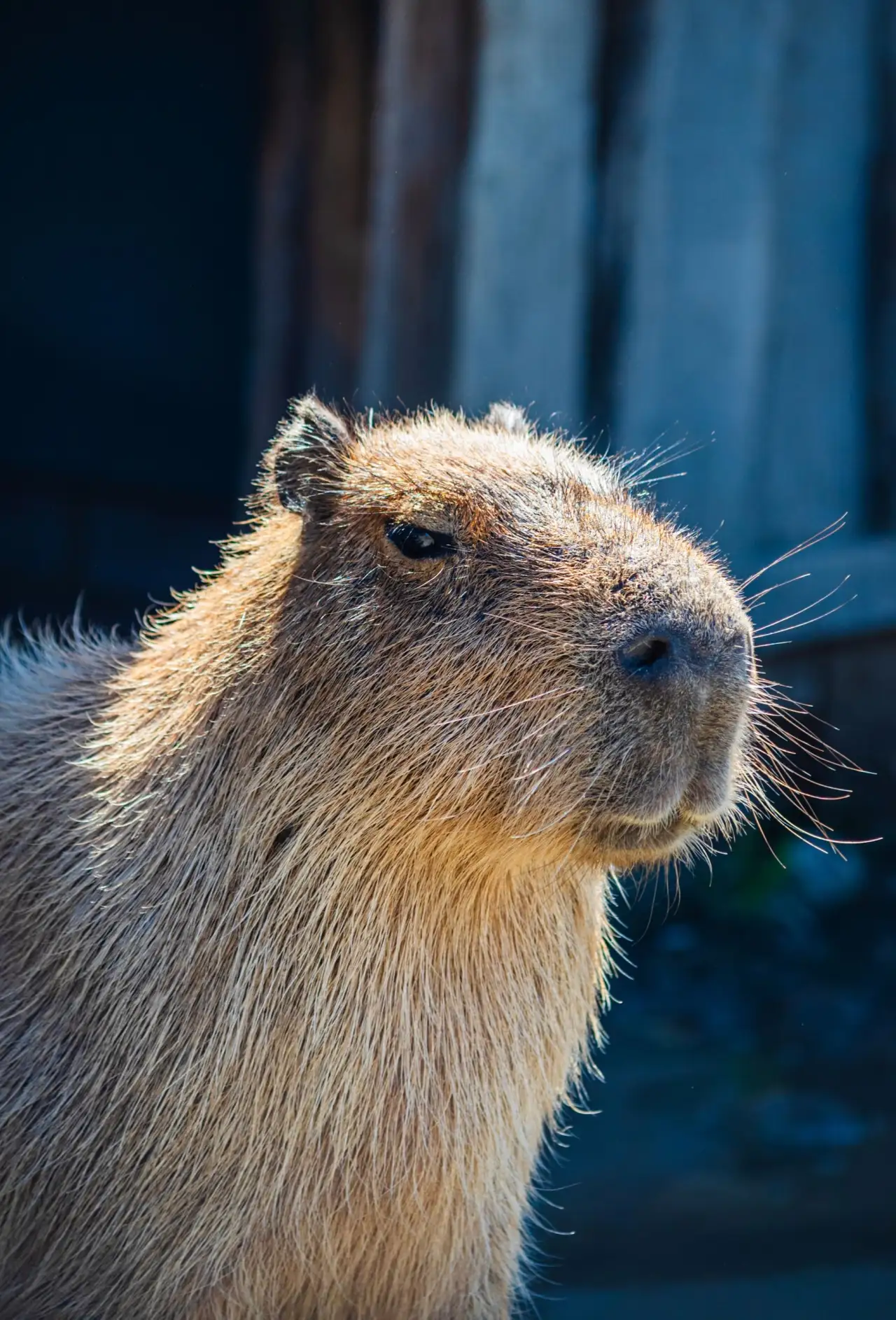
This is worth sitting with for a moment. Capybaras are the largest rodents on earth — adults typically weigh between 35 and 66 kilograms and stand roughly half a metre at the shoulder. Samba is younger and smaller than that, but she is still a substantial animal. The fact that dense Hampshire scrub can effectively conceal her says something about both the habitat and the limits of visual searching.
A common assumption worth correcting
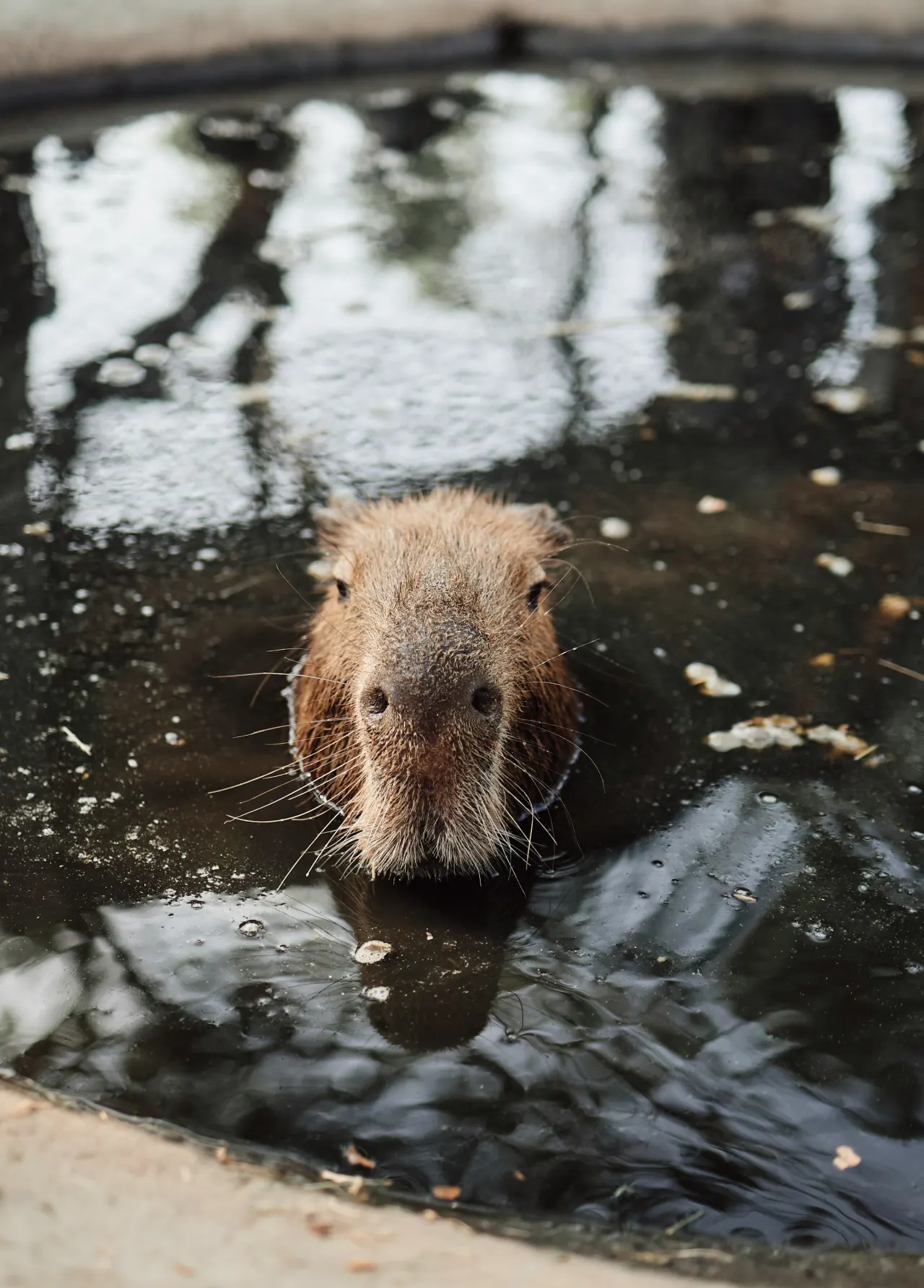
A reasonable person might assume that a South American rodent of this size would be easy to spot in rural England, and would struggle to survive a British winter outdoors. That assumption deserves some scrutiny. Capybaras are semi-aquatic animals, highly capable swimmers, and well adapted to variable conditions near water. Hampshire has no shortage of rivers, wetlands, and reed beds. Samba has now survived March, April, May, and most of June — which suggests she has found food and water without much difficulty.
One genuinely strange piece of capybara biology is relevant here: capybaras can hold their breath underwater for up to five minutes, a trait that makes them effective at evading predators by submerging and waiting. In Hampshire, there are no natural predators large enough to threaten an animal of her size, which removes one of the main pressures that would normally drive a capybara back toward human contact.
The Grumpy Capy take
Three months is a long time, and “several credible sightings” is doing a lot of work in this update. The zoo deserves credit for keeping the search active and for being honest about what makes ground searches useful versus performative. But the gap between “credible sightings” and “confirmed location” remains wide, and dense vegetation is not getting any thinner as summer arrives.
The public tip line — text a photo to 07436 116740 — is the most practical tool the zoo has right now. A thermal drone can cover ground, but a dog walker with a smartphone who actually sees Samba is worth more than a week of coordinated sweeps in the wrong field.
Samba has now outlasted most predictions about how long a captive-raised capybara could survive independently in southern England. At some point, that stops being a rescue story and starts being something else. We are not there yet, but the calendar is moving.